 Free shipping on orders over £29,85
  Shipping Tracking!


 Google
 Facebook
How do you lay resin?
Step-by-step instructions for flawless resin application
Whether you are creating a striking resin river table, casting intricate art pieces, or tackling a large coating project, laying resin correctly is essential to achieving a flawless, durable finish. This guide will walk you through every stage of resin application, from preparing your materials and workspace to troubleshooting common issues, so you can approach your next project with confidence.
What You’ll Need
- “Trasparente” – Multipurpose Clear Epoxy Resin for Casting – Up to 2cm: For detailed casts or layers up to 2cm, ideal for clear, glossy finishes.
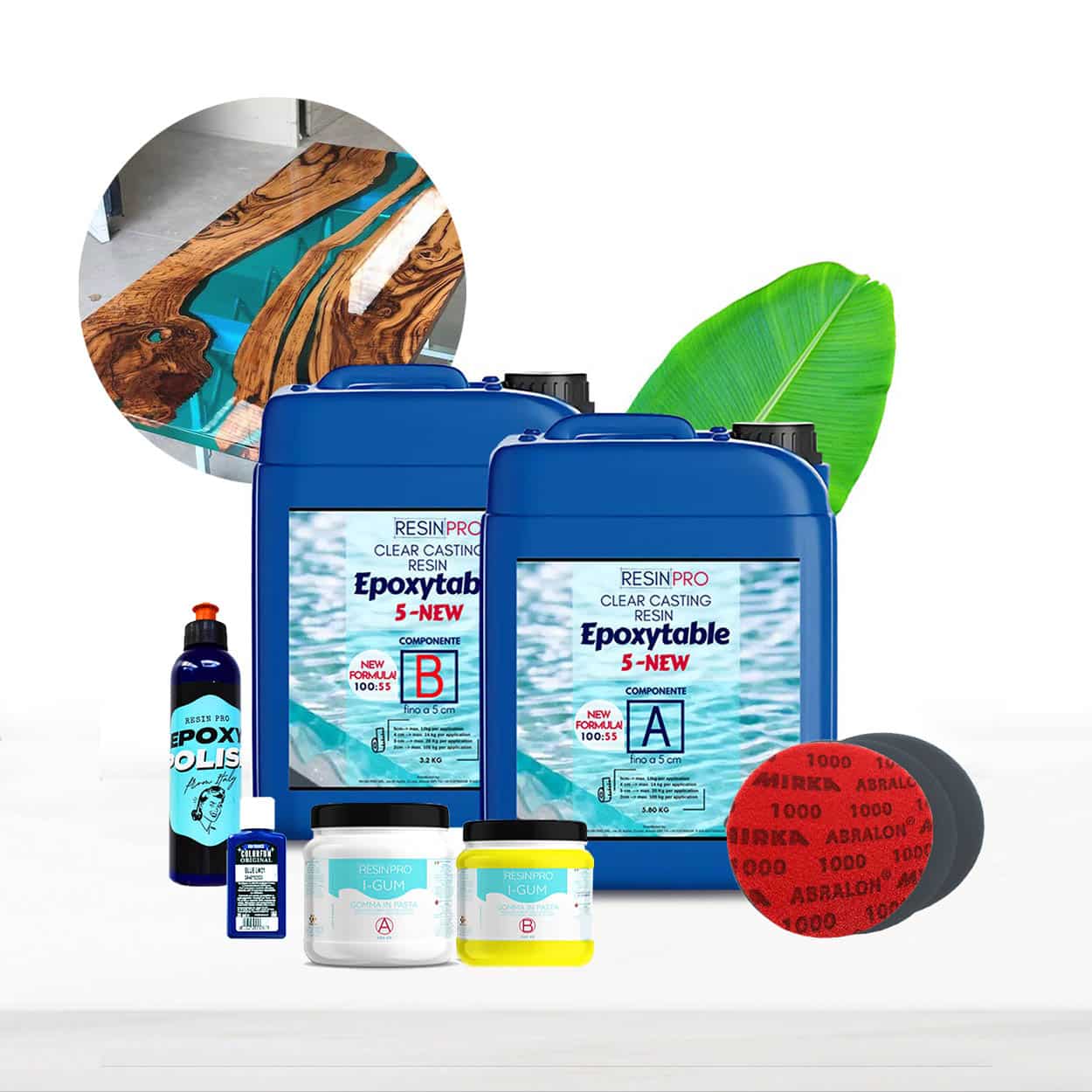
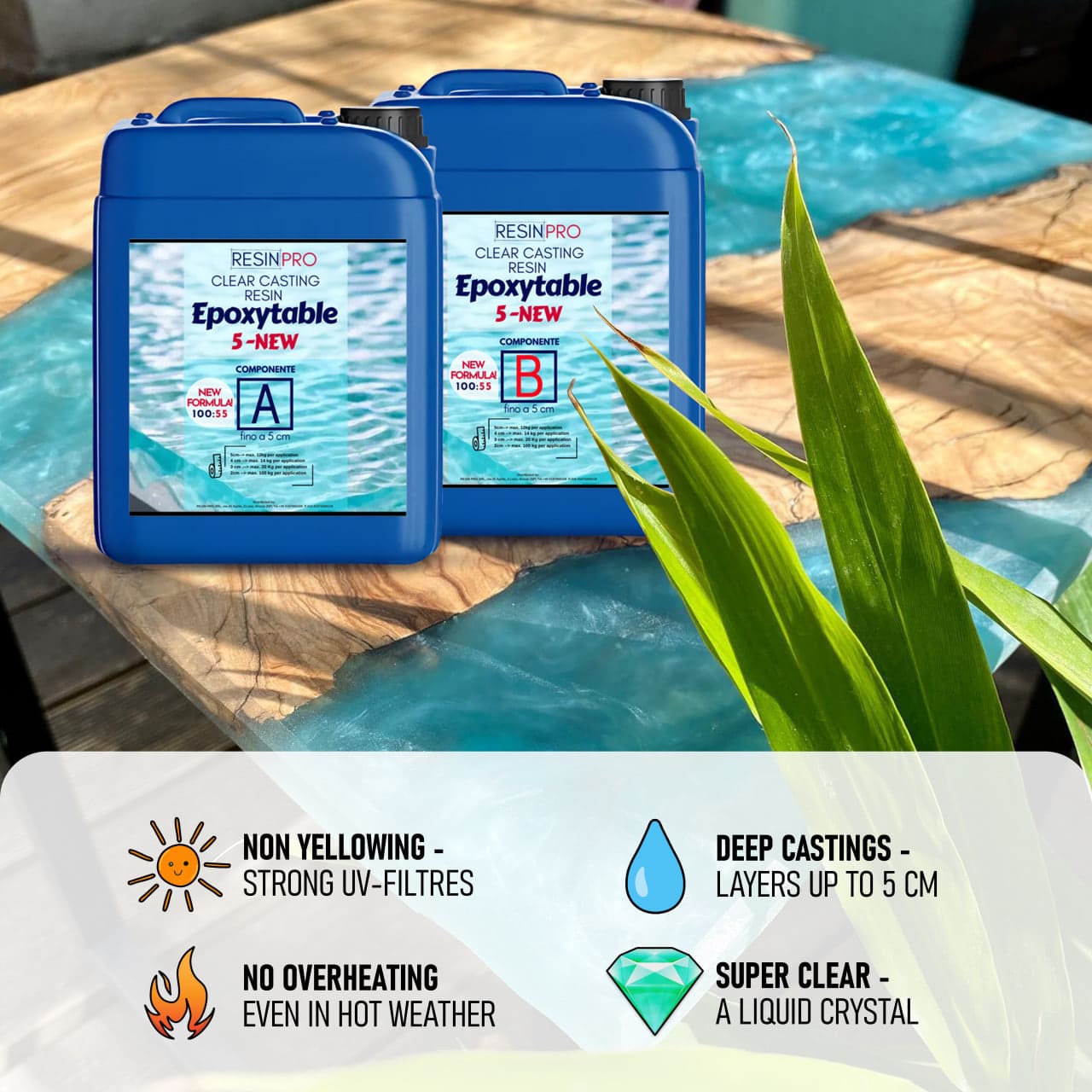
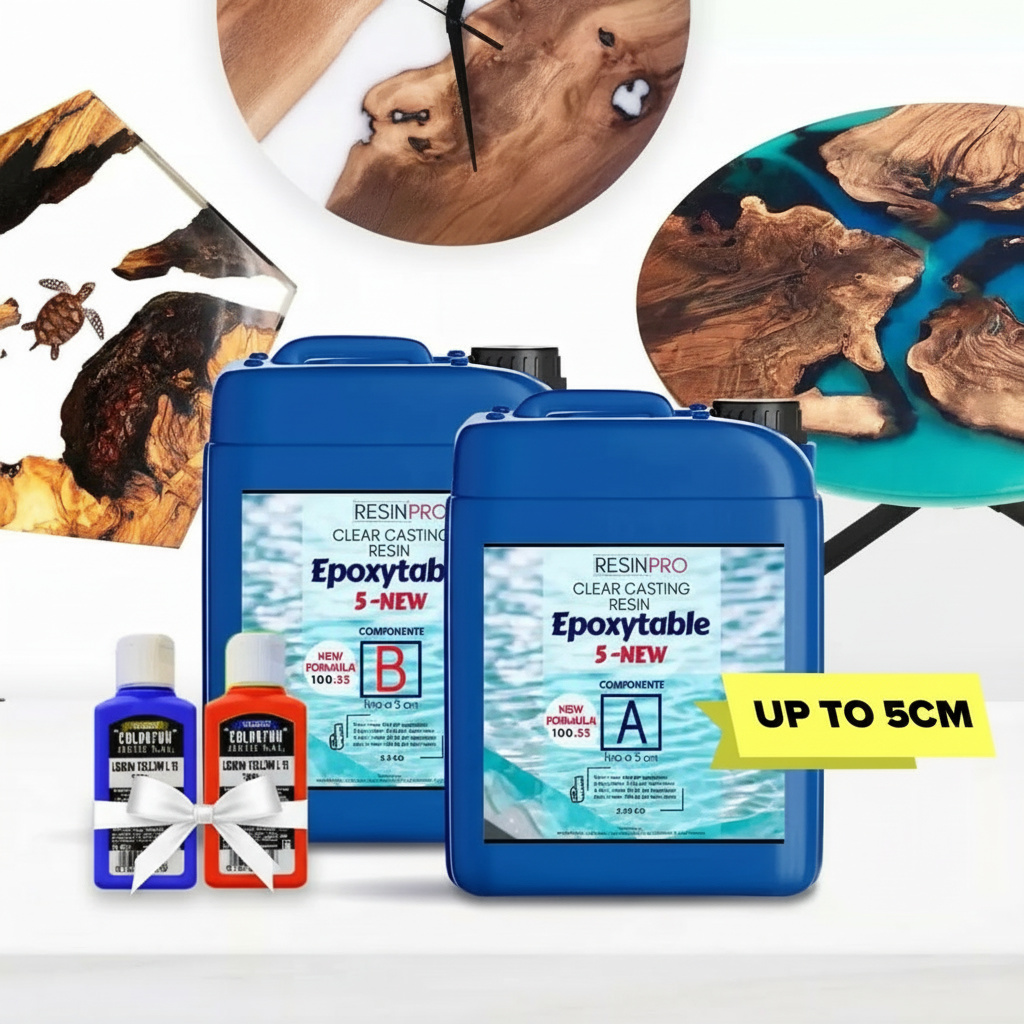
- “EpoxyTable 5-Five” – Deep Pour Epoxy Resin for Tables and Large Projects – Up to 5cm: Best for medium-depth pours and tabletops requiring greater thickness.
- “Epoxytable 10-Ten” – Deep Pour Epoxy Resin for Tables, Up to 10cm Casting: Suitable for extra-deep castings or large river tables needing up to 10cm depth.
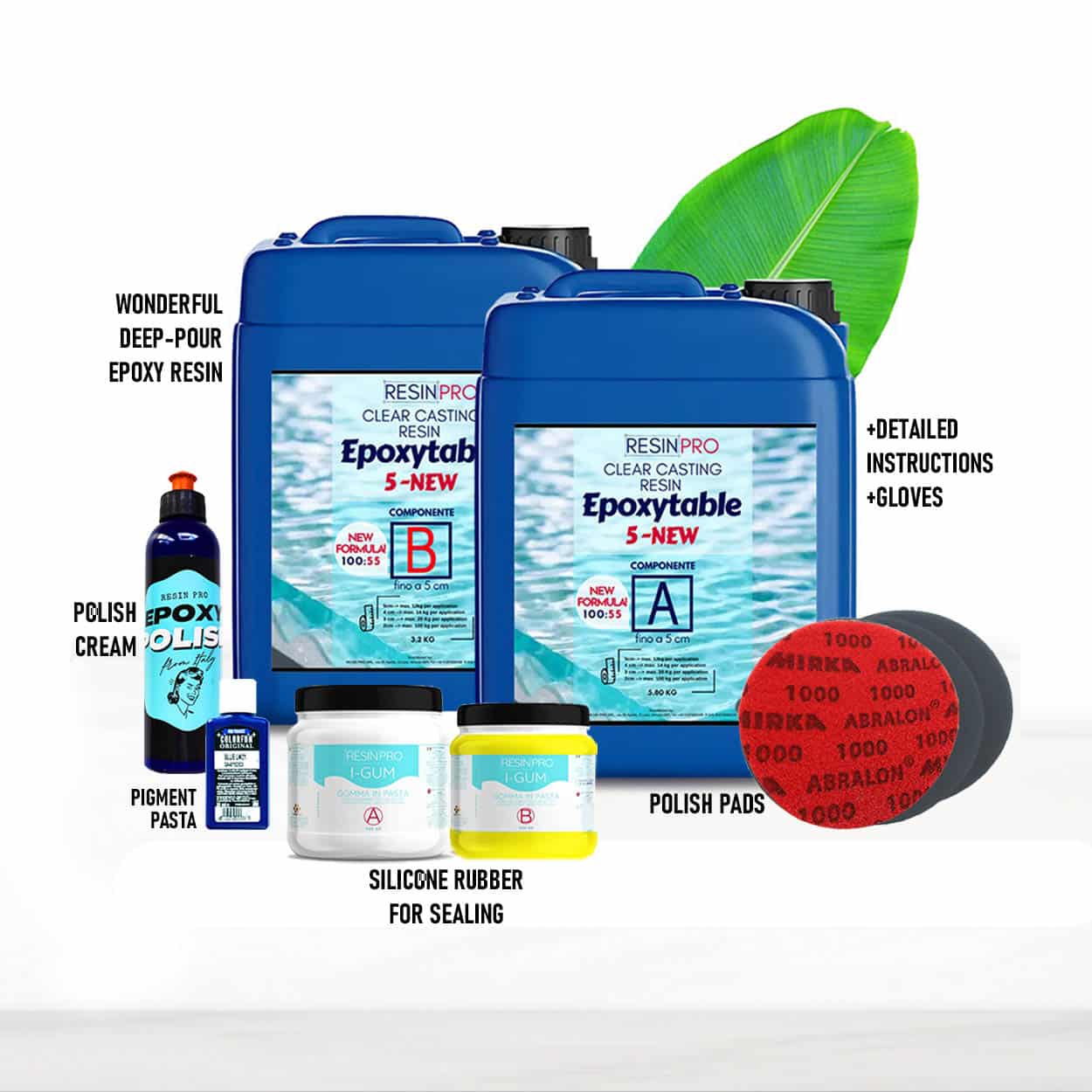
- “River-Table” – Complete Kit for Creating Your First Epoxy Resin Table: Integrates resin, pigments, sealant, and instructions for beginners and professionals starting a full table project.
- Mixing containers, quality spatulas, and safety equipment (gloves, goggles)
- Level, silicone sealant, and release film (as needed for formwork)

Essential Resin Laying Tools and Workspace
Organising your workspace and assembling quality tools is crucial for a successful resin project. Use protective covers, work in a level area, and gather all your chosen resins, mixing implements, and safety equipment before beginning. This preparation ensures smooth progress and a pristine result, whether your project is small or large.
Step 1: Prepare the Surface and Workspace
Before you start laying resin, select a well-ventilated, dust-free area. Cover your workspace with a protective sheet and assemble all required materials. Position your project base (tabletop, mould, or artwork) on a stable, level surface. Always ensure surfaces are clean, dry, and free from dust. Even minor debris can affect the adhesive bond and overall finish.
If working with a wooden base or formwork, use a suitable silicone sealant or release film to prevent leaks and simplify demoulding. Take time to ensure everything is level—unlevel surfaces can cause resin to pool unevenly.

Step 2: Mix the Resin and Hardener Accurately
Mixing your resin precisely is vital for a successful result. Follow the instructions specific to your chosen product, as ratios and mixing times may differ. For example, when working with “Trasparente” Multipurpose Clear Epoxy Resin, measure by weight using a digital scale and mix slowly in a clean container.
Stir gently but thoroughly to avoid introducing excessive bubbles. Scrape the sides and bottom of the container to ensure all material is combined. If using coloured pigments, add them now and mix until fully dispersed. Carefully follow mixing ratios to avoid issues with setting. Undermixing or incorrect ratios may result in soft spots or sticky surfaces.
Step 3: Apply Resin in Layers as Needed
The thickness of your pour impacts both appearance and performance. For deep projects, select your product based on maximum casting depth. For example, use “Epoxytable 10-Ten” for pours up to 10cm, or “EpoxyTable 5-Five” for depths up to 5cm. Pour resin slowly in thin, even layers to minimise bubbles and control exothermic heat.
If your project requires more thickness than the resin allows in a single pour, let the first layer cure until firm, then apply the next. For large projects such as resin river tables, the “River-Table” Complete Kit provides both materials and specific instructions for this staged process. Work in a controlled environment to reduce bubble formation.


Step 4: Finishing, Curing, and Demoulding
After applying all layers, cover your project to prevent dust from settling on the curing resin. Allow sufficient curing time as indicated in your resin’s instructions—this can range from several hours to days depending on the depth and product. Avoid disturbing the project during this period.
Once cured, carefully demould if using formwork. Sand edges, if necessary, and polish the surface for extra clarity or shine. For advanced finishing, kits like the “River-Table” – Complete Kit contain a full range of polishing compounds and pads to ensure a professional-touch finish.
Tips and Common Mistakes to Avoid
- Choose your resin carefully for the intended project and layer thickness.
- Poor mixing or measuring can lead to improper curing, sticky surfaces, or cloudy results.
- Maintain ideal ambient temperatures (as stated by your resin) to ensure even curing and clarity.
- Eliminate bubbles by letting mixed resin stand a few minutes before pouring, or by gently heating the surface.
- Protect finished pieces from dust until fully cured.
By following these guidelines and using products designed for your specific application—for example, “Trasparente” for thin, ultra-clear work or “EpoxyTable 5-Five” for deep pours—you can achieve durable, vibrant, and professional-quality results every time.
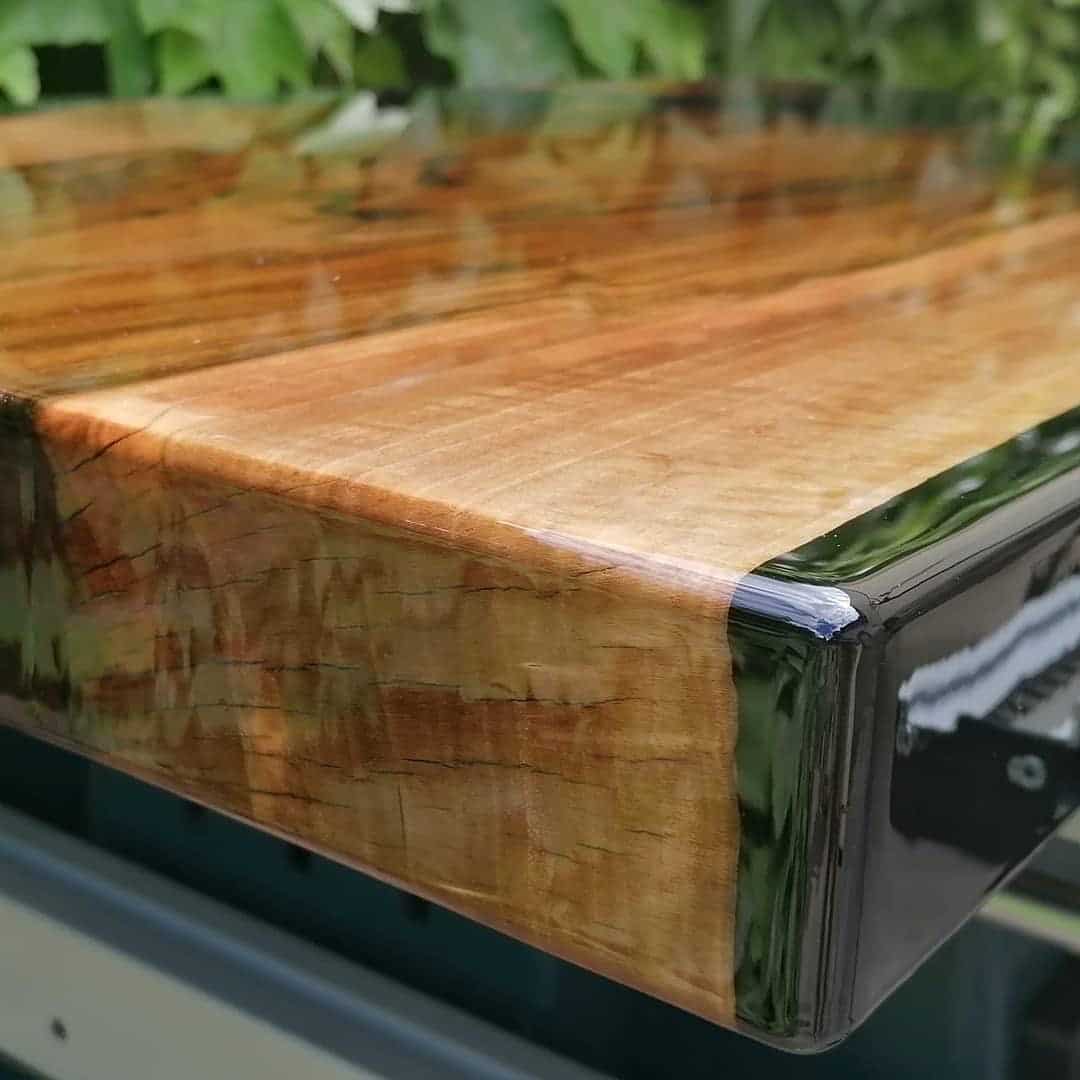
Resin Layering Success: Pro Tips
Layering resin properly maximises clarity and prevents common errors. Prioritise thin pours, careful mixing, and patience between layers for strength and gloss. If working with pigments, add them gradually and test results on a small area before committing. Strategic preparation and the right product selection lay the foundation for impressive outputs across any resin craft or table design.

- "River-Table" – Complete Kit for Creating Your First Epoxy Resin TablePrice range: £198.45 through £467.45"River-Table" kit provides materials and step-by-step instructions designed for creating wood and resin tables suitable for various skill levels.
- "EpoxyTable 5-Five" – Deep Pour Epoxy Resin for Tables and Large Projects – Up to 5cmPrice range: £17.95 through £1,154.95"EpoxyTable 5-Five" is suitable for deep pours up to 5cm, ideal for tables and large projects, commonly used for artistic and furniture applications.
- “Epoxytable 10-Ten” – Deep Pour Epoxy Resin for Tables, Up to 10cm CastingPrice range: £35.95 through £351.95Epoxy resin designed for deep pouring up to 10cm, suitable for tables and artistic projects under the 'How do you lay resin?' theme.
 "Trasparente" – Multipurpose Clear Epoxy Resin for Casting – Up to 2cmPrice range: £8.95 through £397.95"Trasparente" offers an ultra-clear, self-levelling epoxy resin for up to 2cm pours, suitable for detailed and multipurpose resin projects.
Frequently Asked Questions
Can I pour resin in a single layer for large tables?
Deep pours should be layered based on resin's maximum thickness to avoid overheating and defects—never exceed the recommended depth.
Which resin is optimal for deep casting projects?
Use EpoxyTable 5-Five for up to 5cm pours and Epoxytable 10-Ten for up to 10cm casting in a single layer.
How can I limit bubbles in resin projects?
Mix slowly, pour gently, and if needed, use a heat gun or torch lightly over the surface to release bubbles.
What is the typical curing time for epoxy resin?
Curing times vary by product and depth, but most resins require 24-72 hours for complete curing before handling.
Why does my resin appear cloudy after curing?
Cloudiness is often due to improper mixing, moisture in the environment, or pouring in layers that are too thick.
Is resin laying suitable for beginners?
Yes, with detailed instructions and the right materials, even newcomers can achieve excellent results when laying resin.