 Free shipping on orders over £29,85
  Shipping Tracking!


 Google
 Facebook
← Back to How do you make a DIY resin pour?
It can be frustrating when your resin pour doesn’t set as expected, leaving you with a sticky or soft finish. Here’s how to troubleshoot and recover from this common issue to achieve a successful DIY project.
Common Causes of Resin Not Curing
The main reason resin stays tacky or soft is improper mixing or an inaccurate resin-to-hardener ratio. Epoxy resins are sensitive to small measurement errors, so even a slight miscalculation can prevent full curing. Always check the manufacturer’s instructions for the correct ratio and double-check your measuring tools before starting a pour.
Fixing and Preventing Sticky Resin
- Double-check your process: Review how you mixed the resin and hardener. If you spot any skips in the instructions or realise the mixture was not fully combined, you’ve likely found the culprit.
- Mix thoroughly: Take at least 3-5 minutes to blend the two parts, scraping the sides and bottom of your container for even consistency.
- Post-pour options: Minor stickiness on the surface can sometimes be removed by carefully scraping and re-coating with fresh, properly mixed resin.
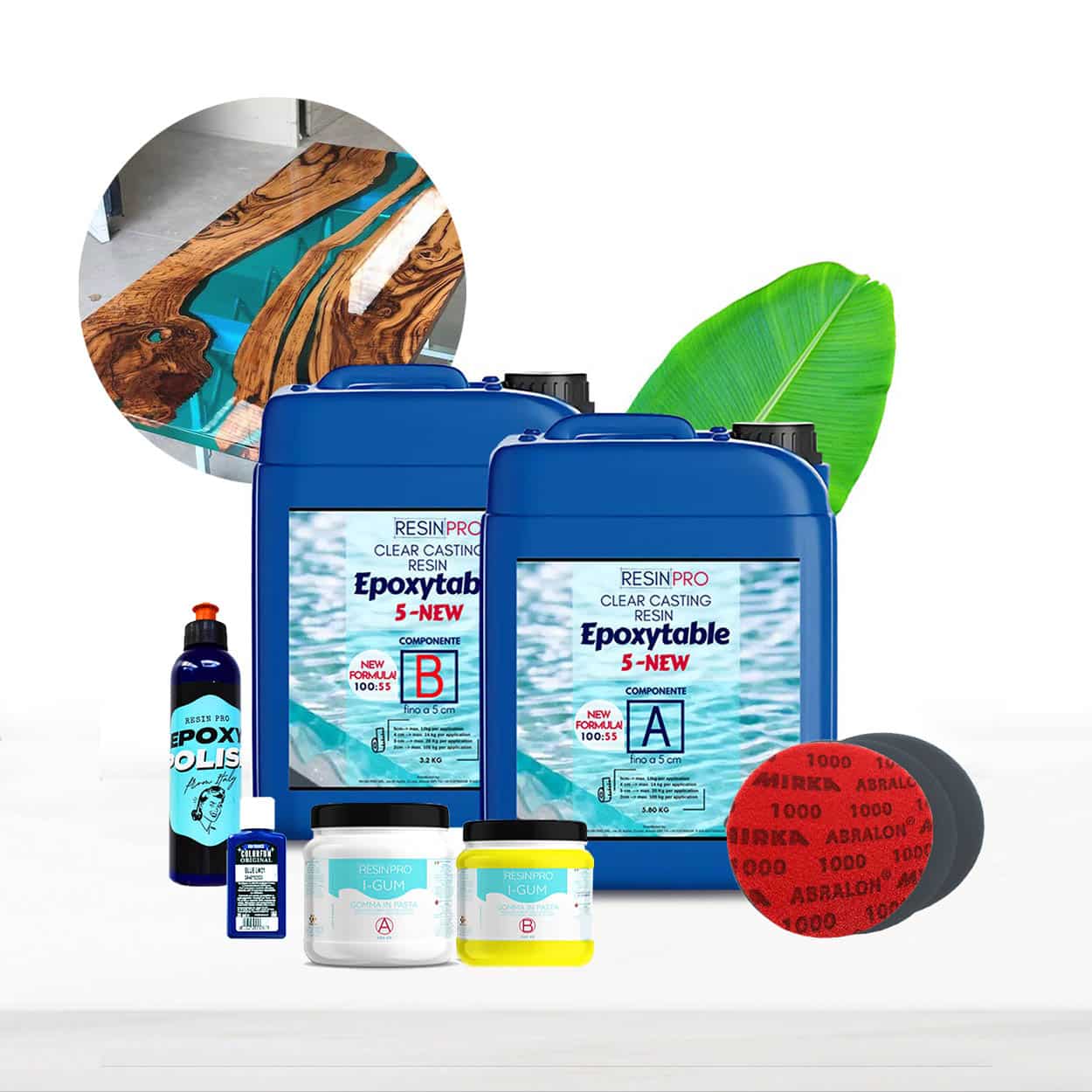
- Future prevention: For reliable results, consider kits designed for beginners, such as the “River-Table” Complete Kit, which includes detailed instructions and accurately measured components.
When This Matters Most
Proper curing is essential if you’re making furniture, jewellery, or art pieces, as a sticky surface can pick up dust or lose its visual appeal. Carefully following instructions is key for both beginners and experienced makers.
Related products
Related guides
By understanding the reasons for soft or sticky resin and following careful mixing steps, you can get your DIY resin pour back on track. For further guidance on the full process, see our tips on how to make a DIY resin pour.