 Free shipping on orders over £29,85
  Shipping Tracking!


 Google
 Facebook
How do you make a joint with resin?
A complete guide to bonding materials using resin-based methods

Creating strong, lasting joints with resin is a practical technique for bonding materials such as wood, metal, glass, and plastic. Whether you’re making repairs, assembling DIY crafts, or restoring furniture, learning how to form a resin joint ensures your finished project is both durable and seamless. This guide will walk you through each stage of the process, covering key preparation, application, and curing steps that deliver optimal results.

What You’ll Need
- “Klebfix” – Two-Component Fast Epoxy Glue 2K, 25g Syringe: A two-component fast epoxy glue designed for strong, rapid bonding of multiple surfaces including plastic, metal, glass, and wood.
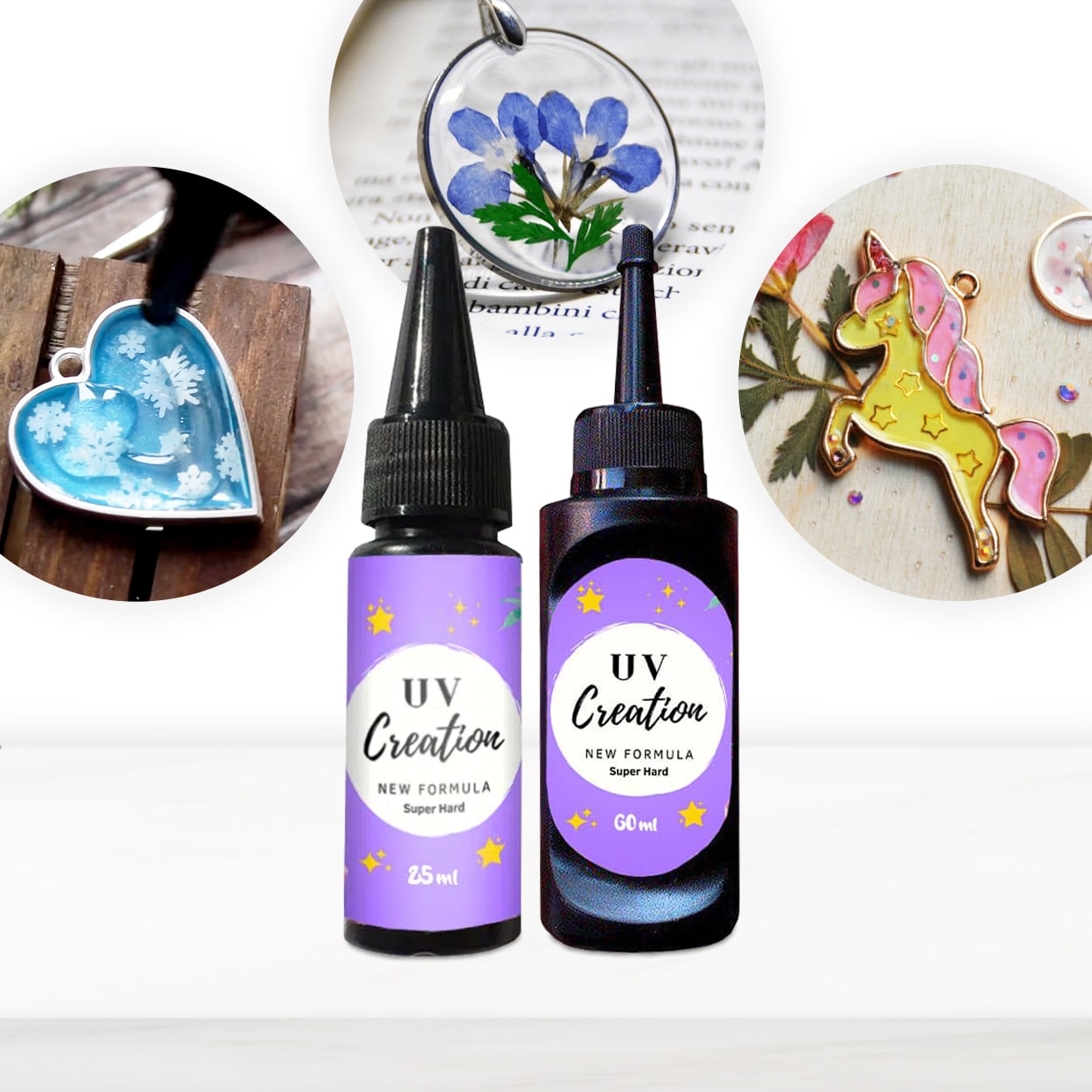
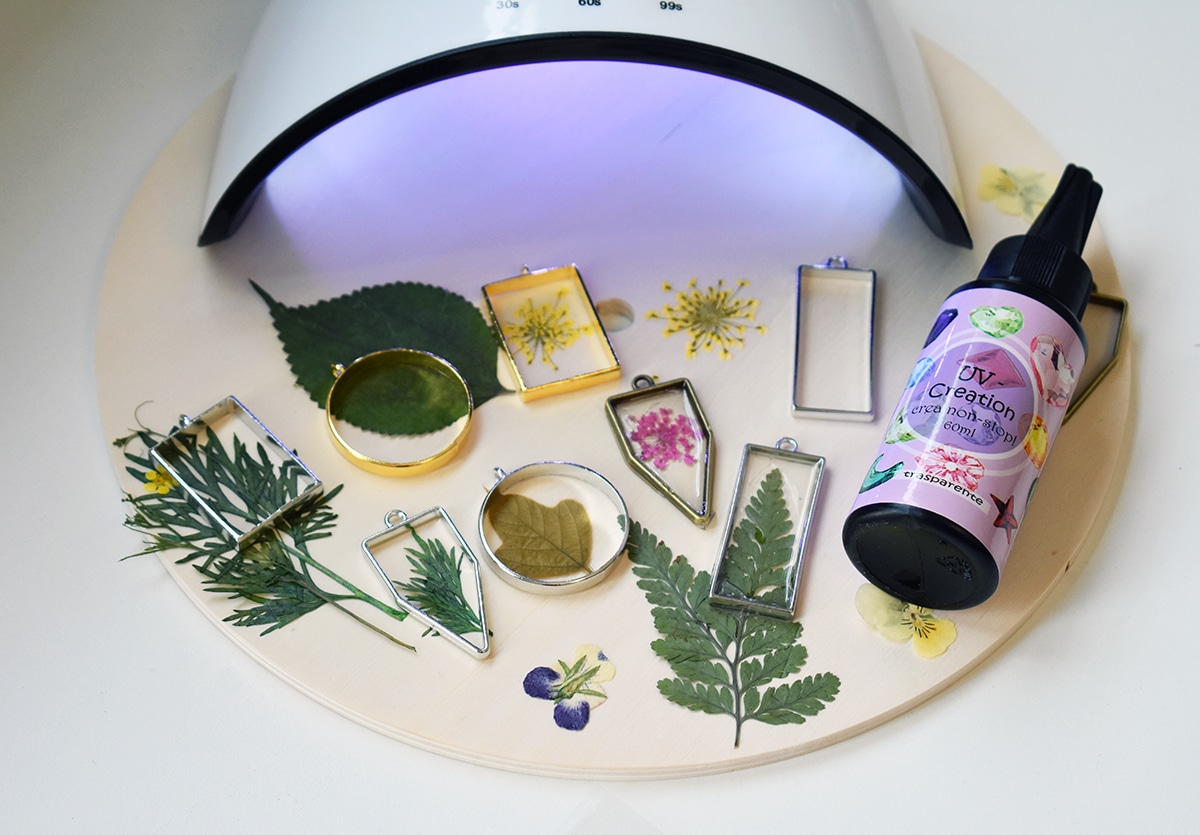
- “UV–Creation” – Fast Acrylic Resin, 3 Minute UV Cure: Ready-to-use UV acrylic resin designed for jewellery and craft projects requiring fast curing and a clear, durable finish.
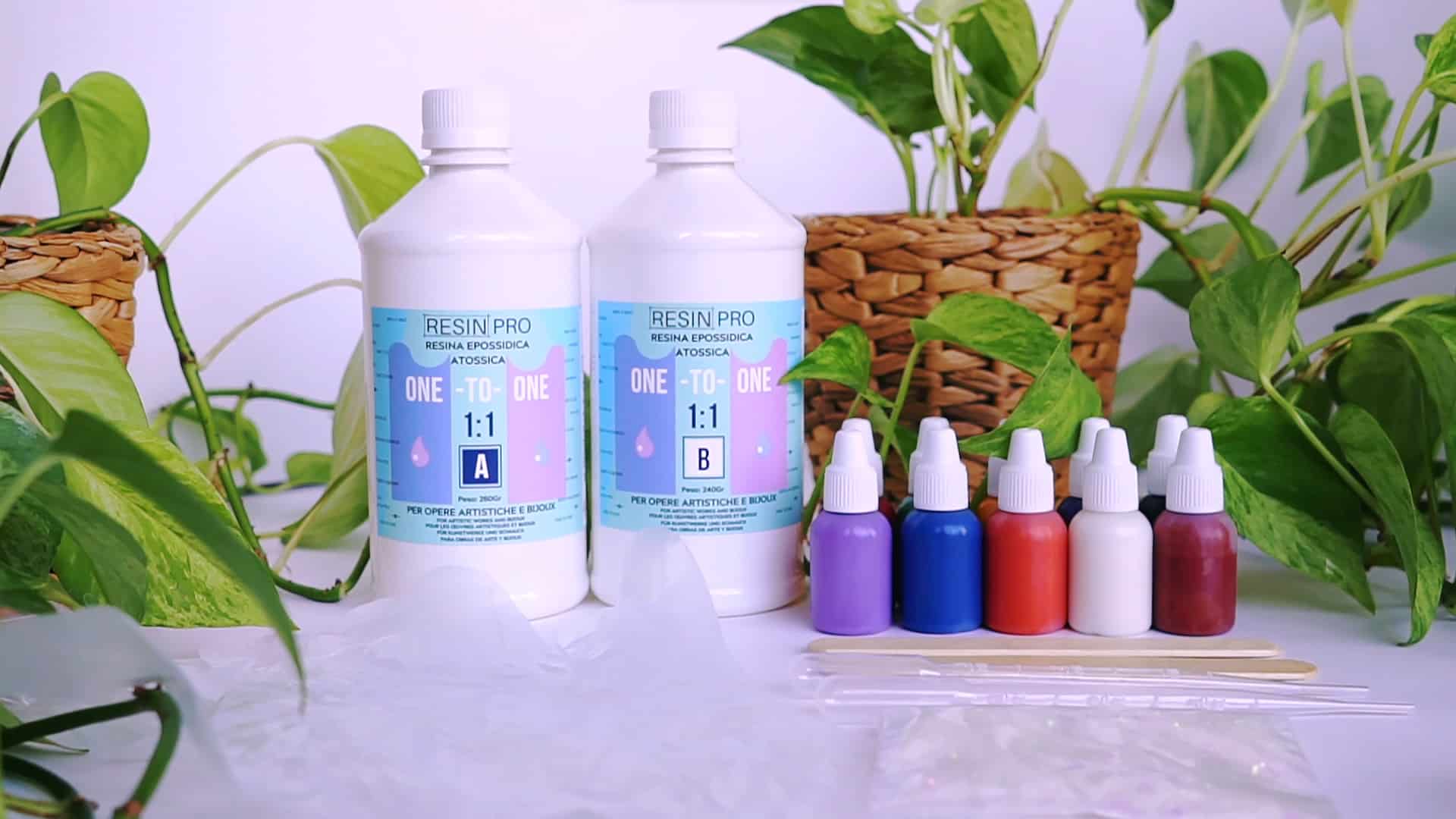
- “One-2-One” – Epoxy Resin for Handcraft, 1:1 Mixing Ratio: Medium viscosity epoxy resin designed for easy 1:1 volume mixing in handcraft and jewellery projects.
- “EpoxyWood” – Wood Restoration Epoxy Resin for Deep Penetration and Waterproofing: EpoxyWood is formulated to repair and protect wooden surfaces with deep penetration and waterproofing.
- Mixing sticks and disposable containers
- Protective gloves and safety glasses
- Sandpaper for surface preparation
- Cleaning cloths, isopropyl alcohol
- Clamps or weights (if required)
- UV lamp (if using UV-cure resin)

Materials and Tools for Strong Resin Joints
Selecting the right resin and supporting materials is crucial for joint quality and performance. Consider the surfaces you are bonding, required durability, and appearance. Epoxy glues, UV-curing resins, and wood-specific epoxies each play unique roles in different bonding scenarios. The right choice speeds up your workflow and enhances safety during application.
Step 1: Prepare the Surfaces
Precise preparation is essential. Begin by ensuring both surfaces to be joined are clean, dry, and free from grease or dust. A good joint relies on close contact and a roughened texture for the resin or adhesive to grip. Use sandpaper to lightly abrade each surface, especially for wood, metal, or plastic. Wipe away residue with a lint-free cloth and a little isopropyl alcohol, allowing surfaces to air dry completely. Skipping this step may lead to weaker or incomplete bonding.

Step 2: Mix and Apply the Resin or Adhesive
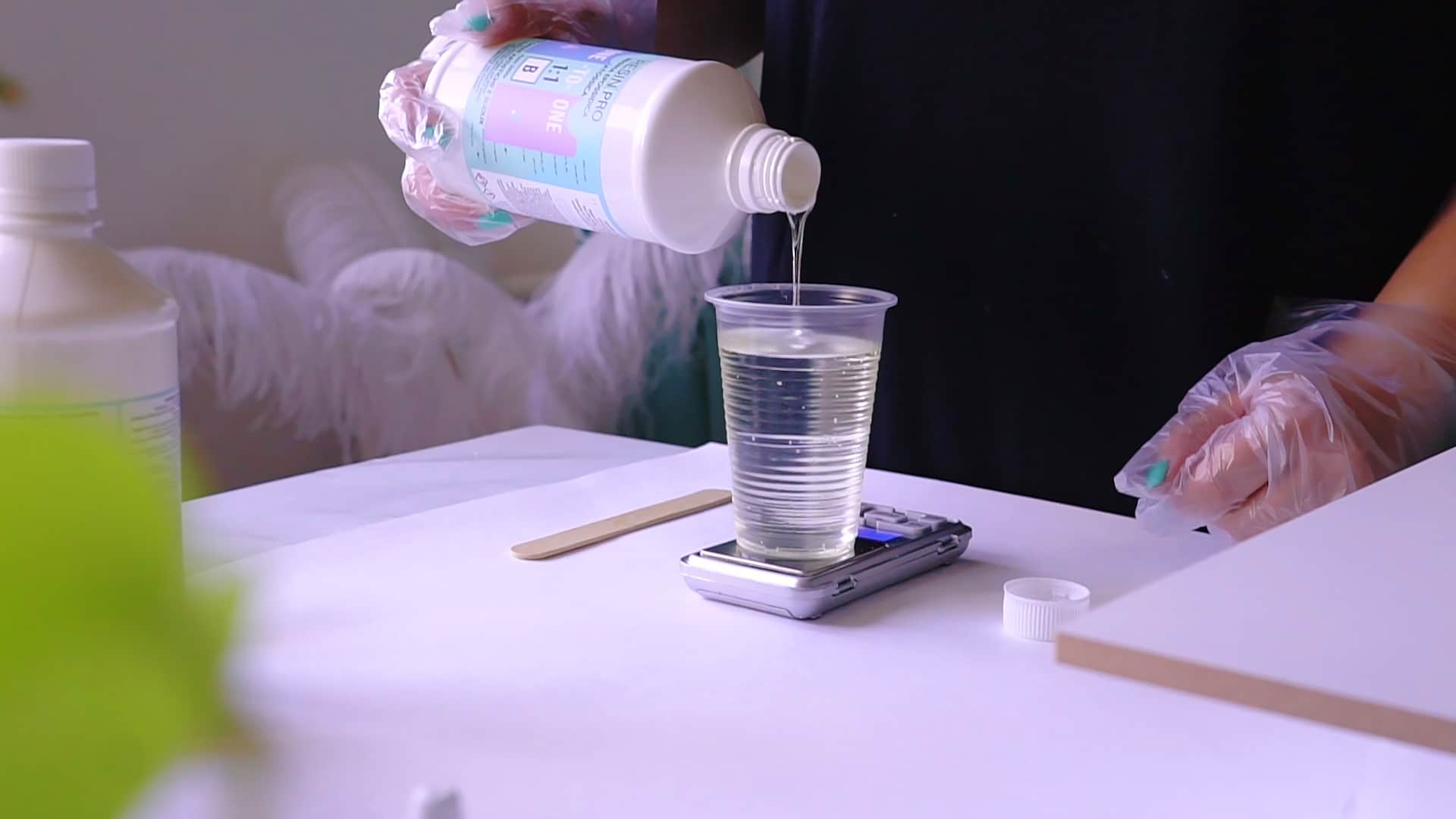
Choose the most suitable resin for your materials and project. For fast repairs and general-purpose bonding, “Klebfix” – Two-Component Fast Epoxy Glue 2K, 25g Syringe is ideal due to its rapid set time and strength across plastic, metal, glass, and wood. Dispense equal amounts of both components onto a disposable surface and mix thoroughly for an even texture, following the product instructions.
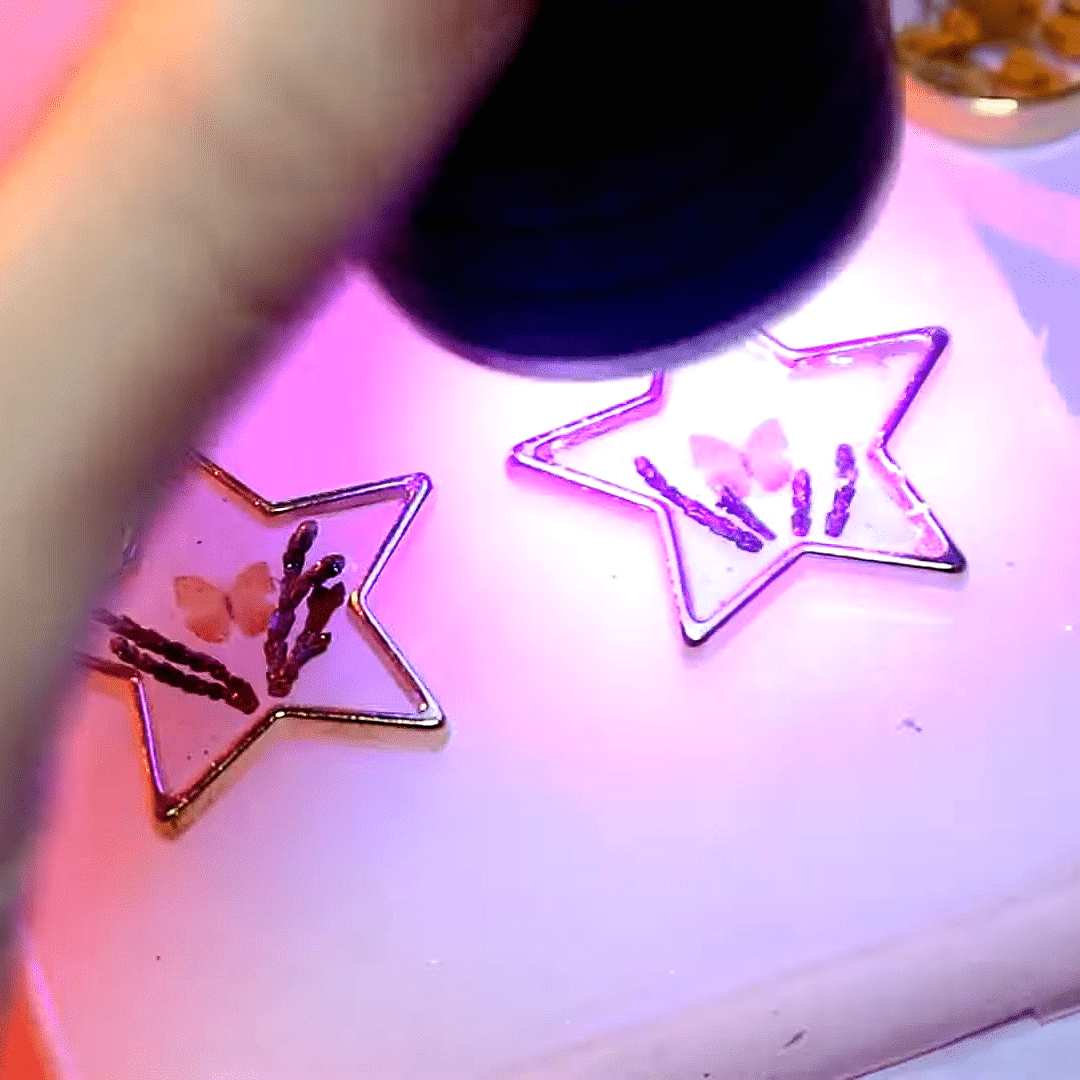
If you’re joining small items, such as jewellery or transparent pieces, consider “UV–Creation” – Fast Acrylic Resin, 3 Minute UV Cure for clear and glossy results—just squeeze it directly onto the joint and prepare to cure with a UV lamp. For wooden joints requiring deep penetration and reinforcement, “EpoxyWood” – Wood Restoration Epoxy Resin for Deep Penetration and Waterproofing offers superior absorption and long-term waterproofing. Always apply in thin, even layers as directed for your chosen resin.
Step 3: Assemble and Clamp the Joint
Bring the prepared surfaces together promptly after applying the resin. For best strength, apply firm, even pressure by hand or with a clamp to eliminate gaps and ensure contact. For epoxy glues like Klebfix, you’ll typically have a working time of around five minutes—work swiftly but carefully. If using a UV resin, align the pieces, then hold them steady under a UV lamp for the recommended 2–3 minutes as the resin cures.
For larger or uneven joints in wood, secure the assembly with clamps or weighted objects to maintain position during the entire curing process. Remove any excess resin that seeps out with a damp cloth before it hardens, as dried excess can be difficult to remove cleanly.

Step 4: Cure and Finish the Joint
Allow sufficient curing time for best joint strength. Epoxy adhesives and resins reach handling strength quickly but generally need up to 24 hours for full cure and durability. Avoid subjecting the joint to stress or moisture during this period. For UV-curing resins, the joint is typically ready in minutes, although a brief wait ensures maximum strength.
Once cured, lightly sand the joint area for a smooth appearance if needed, or polish for extra gloss. If further coating or painting is required, make sure the bond surface is fully set and clean before proceeding.
Tips and Common Mistakes When Making Resin Joints
- Always wear protective gloves and work in a well-ventilated area.
- Test-fit parts before mixing any resin—resin sets quickly, so preparedness is key.
- Avoid mixing too much resin at once. Only prepare what you can apply within the working time.
- Do not attempt to bond wet or greasy surfaces—quality depends on surface cleanliness.
- Keep tools and work surfaces covered to prevent accidental spills or drips.
- Clamp carefully. Too much pressure can squeeze out most of the resin, reducing joint strength.
Finishing and Maintaining Resin Joints
Tidy finishing ensures joints blend with surrounding surfaces, especially in visible or decorative applications. After full cure, you can sand and polish for a near-seamless look. Regular checks and basic care maintain the longevity of your resin joints, particularly on surfaces exposed to moisture or mechanical stress.
- "Klebfix" – Two-Component Fast Epoxy Glue 2K, 25g Syringe£24.00"Klebfix" Two-Component Fast Epoxy Glue is suitable for demanding repairs involving plastic, glass, metal, and wood within the theme of making joints…
- "UV–Creation" – Fast Acrylic Resin, 3 Minute UV CurePrice range: £8.45 through £62.95UV–Creation is a fast-curing acrylic resin suited for jewellery makers requiring a clear, glossy, and non-yellowing finish.
- "One-2-One" – Epoxy Resin for Handcraft, 1:1 Mixing RatioPrice range: £15.95 through £59.95"One-2-One" epoxy resin offers a medium viscosity resin with an easy 1:1 mixing ratio, suitable for various handcraft projects.
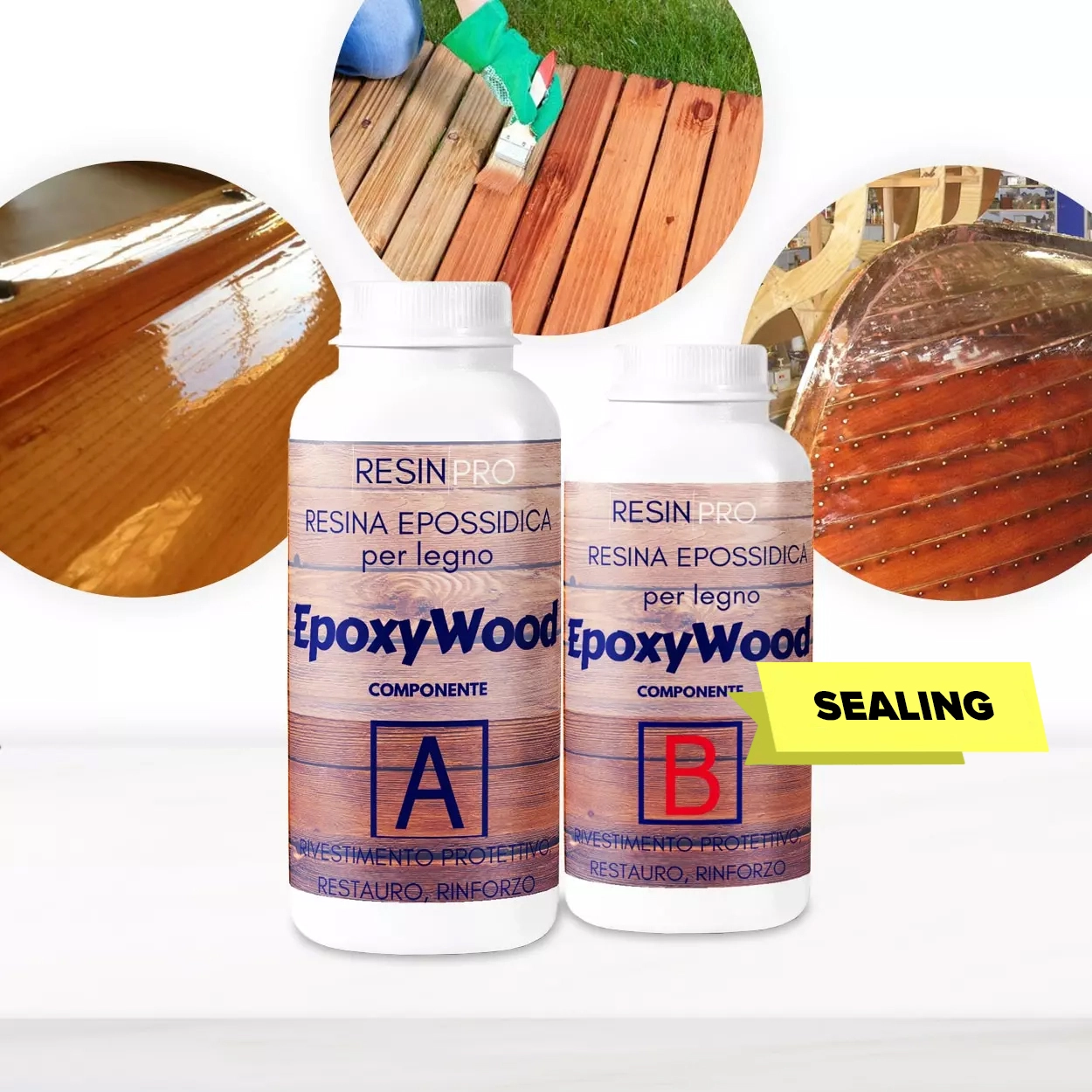 "EpoxyWood" – Wood Restoration Epoxy Resin for Deep Penetration and WaterproofingPrice range: £27.95 through £41.95"EpoxyWood" is designed for wood repair and protection, featuring a low viscosity for deep penetration and a warm appearance.
Frequently Asked Questions
How long does a resin joint take to reach full strength?
Most epoxy adhesives reach handling strength in a few minutes but require up to 24 hours to fully cure.
What is the best resin for wood or metal joints?
Fast epoxy glues are best for metal and mixed materials, while deep-penetrating epoxies are recommended for wood.
Can resin joints be used outdoors?
Yes, many epoxy adhesives and wood resins are waterproof and suitable for outdoor use once fully cured.
How should I prepare surfaces for resin bonding?
Clean, dry and lightly abrade surfaces with sandpaper for optimal adhesion. Remove all dust and grease before applying resin.
Can resin joints be sanded or painted after curing?
Once fully set, resin joints can be sanded smooth and painted if required for appearance or extra protection.