 Free shipping on orders over £29,85
  Shipping Tracking!


 Google
 Facebook
← Back to How do you make an active volcano epoxy lamp?
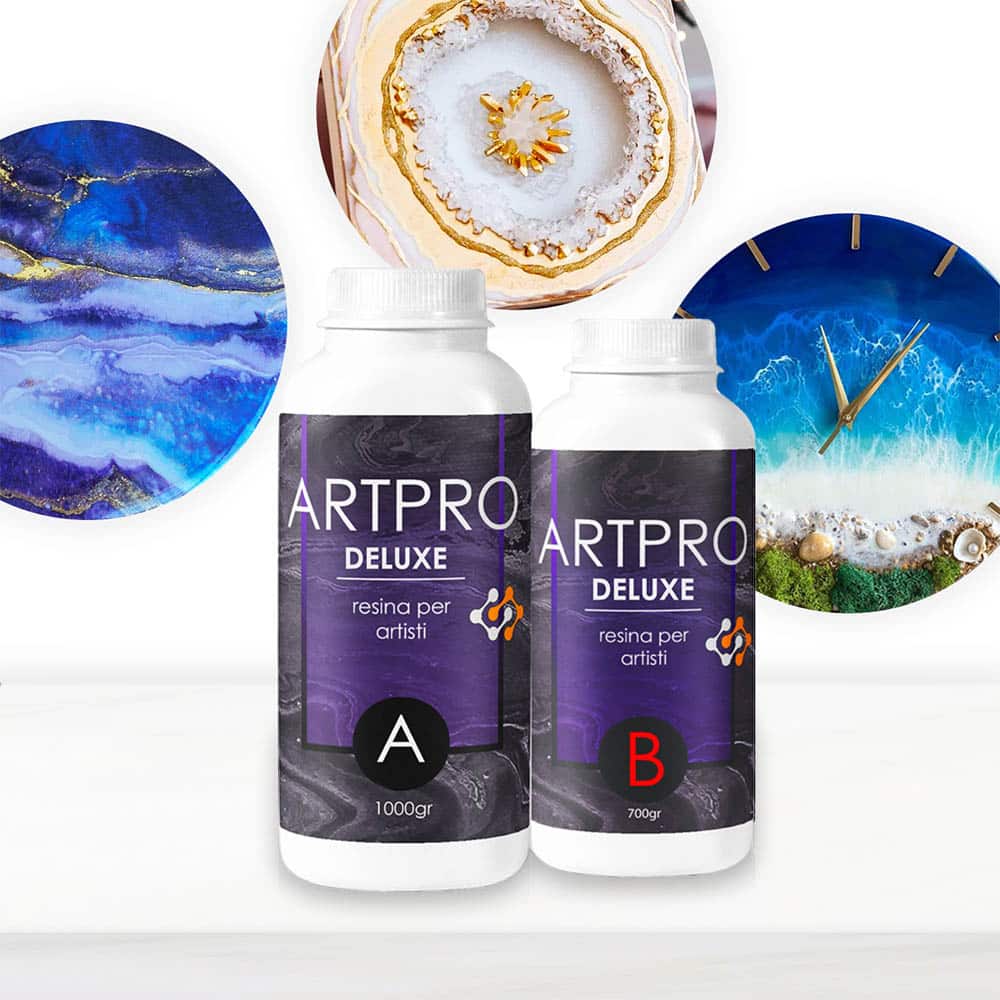

Ensuring clear boundaries between coloured epoxy layers is essential for crisp finishes, especially in intricate projects like active volcano lamps. Here’s how to achieve sharp, well-defined layers in your resin creations.
Choose the Right Resin Viscosity
An ultra-high viscosity resin, such as Art Pro Deluxe, is ideal when you want precise colour separation. Higher viscosity makes the resin flow less, helping to keep each colour exactly where it’s applied without bleeding into adjacent layers. This is particularly useful for intricate detailing in artistic lamp projects or geode art.

Pour and Cure in Stages
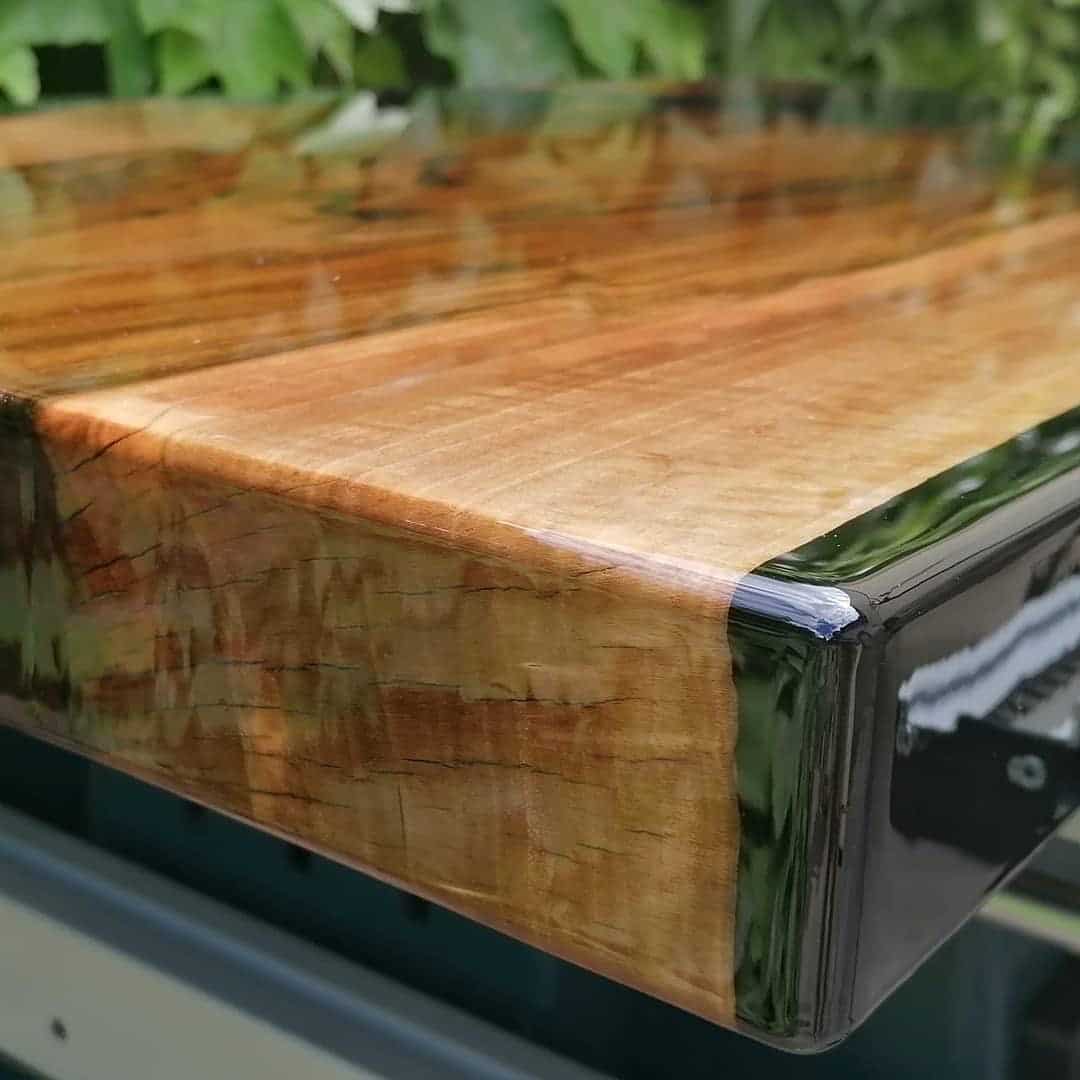
To stop colours mixing, let each epoxy layer cure partly before pouring the next. Wait until the previous layer is firm but still slightly tacky—at this stage, it will anchor the new layer while preventing the colours from merging. Timing will depend on your resin, but typically a partial cure can be reached within several hours. Always avoid pouring all your layers at once, especially with different colours.
Practical Tips for Crisp Results
- Use separate tools for each colour and ensure mould sides are clean to avoid accidental blending.
- Avoid excessive pigment to reduce the risk of colours running.
- Work in a dust-free space and cover your project while curing to prevent surface disturbance.

When This Matters Most
This method is especially important for display pieces—like volcano lamps—where any colour bleed will be magnified by backlighting. Investing extra care in layering preserves your design’s sharpness and professional finish.
Related products
Related guides
Preventing unwanted colour mixing is key to striking, layered resin art. For more in-depth guidance on creating dramatic effects, see our main guide on making active volcano epoxy lamps.