 Free shipping on orders over £29,85
  Shipping Tracking!


 Google
 Facebook
How do you mix epoxy resin?
Step-by-step guide for flawless resin mixing and clarity
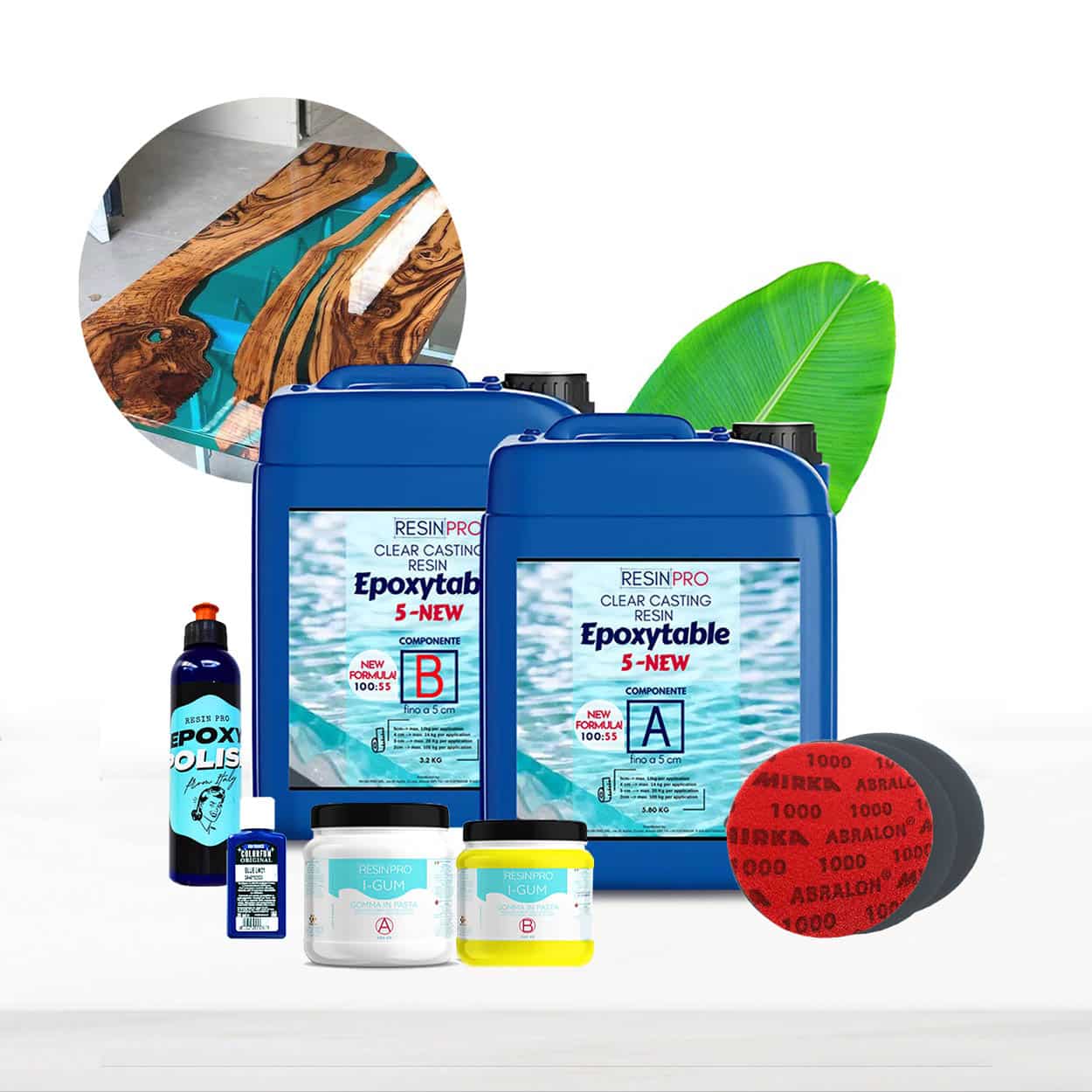
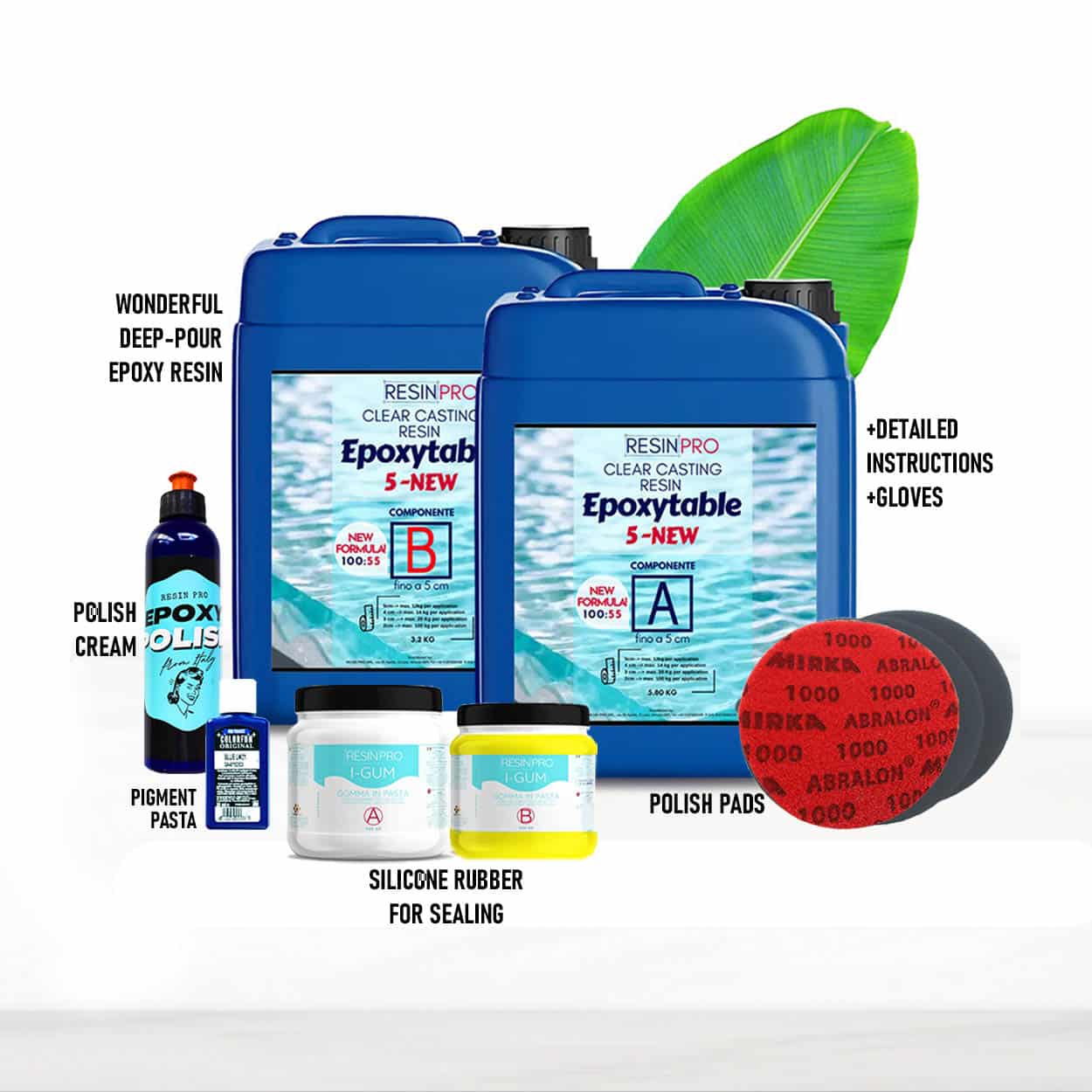
Mixing epoxy resin correctly is essential for achieving strong bonds, crystal-clear finishes, and preventing sticky or tacky results. Whether you’re crafting jewellery, pouring a river table, or sealing artwork, this guide will show you the right way to mix epoxy resin for professional results in any project.
What You’ll Need
- “River-Table” – Complete Kit for Creating Your First Epoxy Resin Table: All-in-one kit, ideal for beginners creating wood and resin tables.
- “One-2-One” – Epoxy Resin for Handcraft, 1:1 Mixing Ratio: Suitable for handcraft and decorative projects needing a simple 1:1 mix.
- “Evershine Collection” – Artisan Jewellery Epoxy Resin Kit with 100+ Accessories: Perfect starter kit for jewellery makers and hobbyists.
- “Trasparente” – Multipurpose Clear Epoxy Resin for Casting – Up to 2cm: Best for casting, woodworking, and art projects up to 2cm deep.
- Protective gloves
- Mixing sticks or spatulas
- Clean mixing cups (preferably marked for measurements)
- A well-ventilated workspace

Tools and workspace essentials for mixing resin
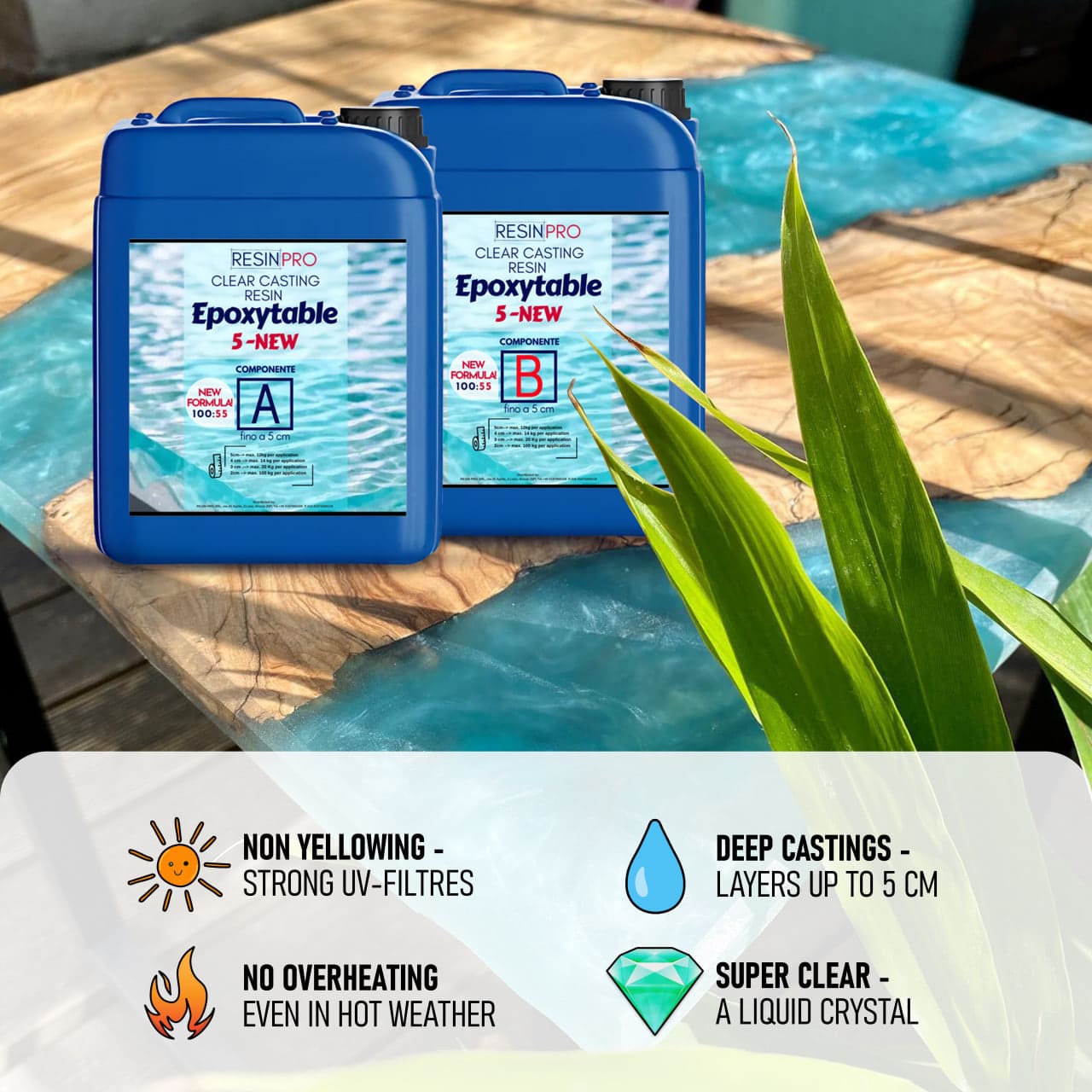
Set up your workspace before opening any resin containers. A clean, covered surface and all required safety gear prevent cross-contamination and make the process much smoother. Gather everything, from gloves to measuring cups, in advance.
Step 1: Choose and Prepare Your Workspace
Select a dust-free, well-ventilated area with a level surface to avoid uneven curing. Cover your workspace with disposable plastic or silicone mats to protect it from drips and spills. Gather all your materials, ensuring your mixing tools and cups are dry and free of contaminants, as even a small amount of moisture can affect the resin’s performance.
Wear gloves and, if possible, protective eyewear when handling epoxy resin, especially if working with larger volumes or for extended periods.
Step 2: Measure Resin and Hardener Accurately
Always use accurate measurements for resin and hardener. Different products require specific ratios—some resins, like the “One-2-One” – Epoxy Resin for Handcraft, 1:1 Mixing Ratio and Evershine Collection, are mixed 1:1 by volume for simplicity, making them ideal for jewellery and craft use. Others, such as the “Trasparente” – Multipurpose Clear Epoxy Resin for Casting – Up to 2cm, may use different ratios by weight. Always check the product instructions and measure precisely using marked cups or a scale for accuracy.
Step 3: Mix Resin and Hardener Thoroughly
Pour the hardener into the resin (or as directed by your chosen kit) in a single, steady motion. Mix slowly and thoroughly, scraping the sides and bottom of the container for at least 2–5 minutes. Stirring too quickly can introduce excess air bubbles, while insufficient mixing can leave sticky or uncured patches. For best clarity and hardness, switch to a new cup partway through the mix and stir again for even blending (known as double-cup mixing).
The “River-Table” – Complete Kit for Creating Your First Epoxy Resin Table includes instructions for optimal mixing for larger volumes, ensuring a smooth, even cure especially in thicker layers for table projects.

Step 4: Use and Pour Immediately After Mixing
Once mixed, the chemical reaction begins, so act promptly. Use clean, dry mixing tools and containers for every batch. Pour the resin slowly into your mould, tabletop, or jewellery setting to minimise bubbles. Allow it to self-level and, if needed, use a spatula to guide it into corners or small cavities. Gently pass a heat gun or torch over the poured resin’s surface to help bubbles escape, but avoid overheating, especially when using products like “Trasparente”, as excessive heat can affect curing.

Tips, Common Mistakes, and Troubleshooting
• Always read the specific instructions for your chosen resin—mixing ratios and pot life can vary.
• Do not guess measurements; imprecise ratios lead to soft, uncured, or tacky resin.
• Mixing too fast introduces bubbles – patience leads to clearer results.
• If your resin remains sticky after recommended curing time, it may be under-mixed or mismeasured; carefully remove the uncured layer and re-mix a new batch.
Plan and measure before you start – preparation is your best guarantee of a strong, glossy finish.
Avoid sticky results and bubbles in your resin
Most mixing issues are caused by inaccurate ratios or insufficient stirring. Measure carefully, mix slowly, and always follow your product’s instructions to ensure a hard, crystal-clear finish every time.

- "River-Table" – Complete Kit for Creating Your First Epoxy Resin TablePrice range: £188.85 through £444.85"River-Table" kit includes resin, sealant, polishing kit and pigment with instructions for making wood and resin tables.
- "One-2-One" – Epoxy Resin for Handcraft, 1:1 Mixing RatioPrice range: £14.85 through £56.85ONE-2-ONE epoxy resin is a medium viscosity resin with an easy 1:1 volume mixing ratio, suitable for handcraft projects including jewellery and…
 "Evershine Collection" – Artisan Jewellery Epoxy Resin Kit with 100+ Accessories£20.85The Evershine Collection offers a comprehensive epoxy resin kit with a 1:1 mixing ratio, designed for jewellery makers and craft enthusiasts.
 "Trasparente" – Multipurpose Clear Epoxy Resin for Casting – Up to 2cmPrice range: £8.45 through £948.85"Trasparente" is a clear casting epoxy resin suitable for layers up to 2cm, designed for detailed craft and woodworking projects.
Frequently Asked Questions
What is the correct mixing ratio for epoxy resin?
Always follow the instructions: some resins use a 1:1 volume ratio, others may use ratios by weight. Never guess—check your product’s mixing guidelines.
Why is my epoxy still sticky after mixing?
Sticky resin usually results from incorrect mixing ratios or not mixing thoroughly enough. Re-mix a new batch with accurate measurements and careful stirring.
How can I prevent bubbles when mixing epoxy resin?
Mix slowly and avoid whipping air in. Pour resin gently and use a heat gun or torch to help bubbles rise and pop before the resin sets.
Can I mix small or partial batches of epoxy resin?
Yes, as long as you maintain the correct ratio between resin and hardener. Always use precise measurements for even small batches.
Should I wear gloves when mixing epoxy resin?
Yes, gloves protect your skin from possible irritation and help keep your project clean from fingerprints or contaminants.