 Free shipping on orders over £29,85
  Shipping Tracking!


 Google
 Facebook
How do you mix marble powder and resin?
Mixing marble powder with resin allows you to create stunning marble-effect surfaces, decorative art pieces, or durable flooring and countertops. This guide will take you through the process, highlight best practices, and help you avoid common mistakes—making it suitable for both first-time DIYers and skilled craftspeople.
Step-by-step techniques for marble-effect resin finishes
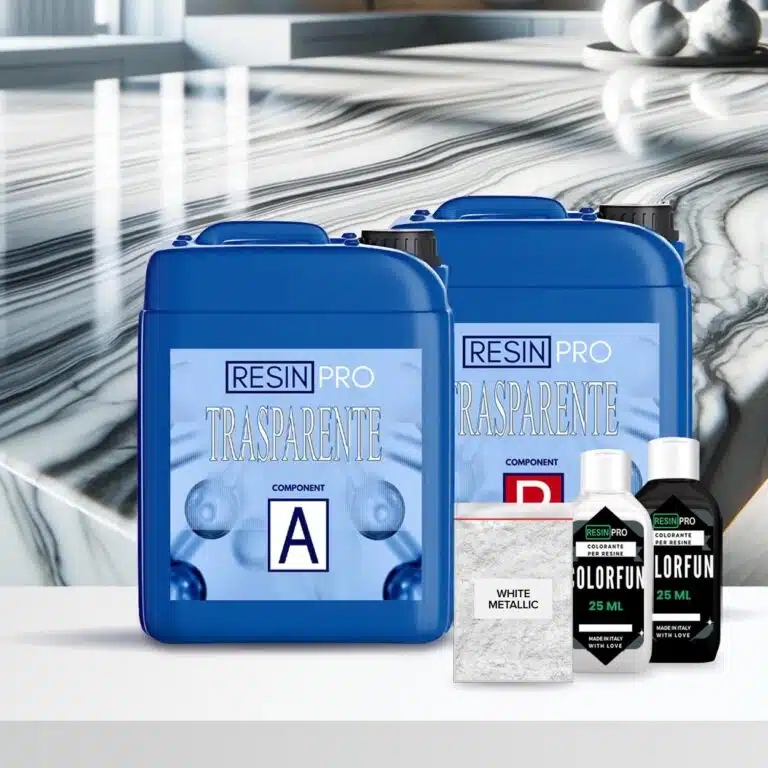
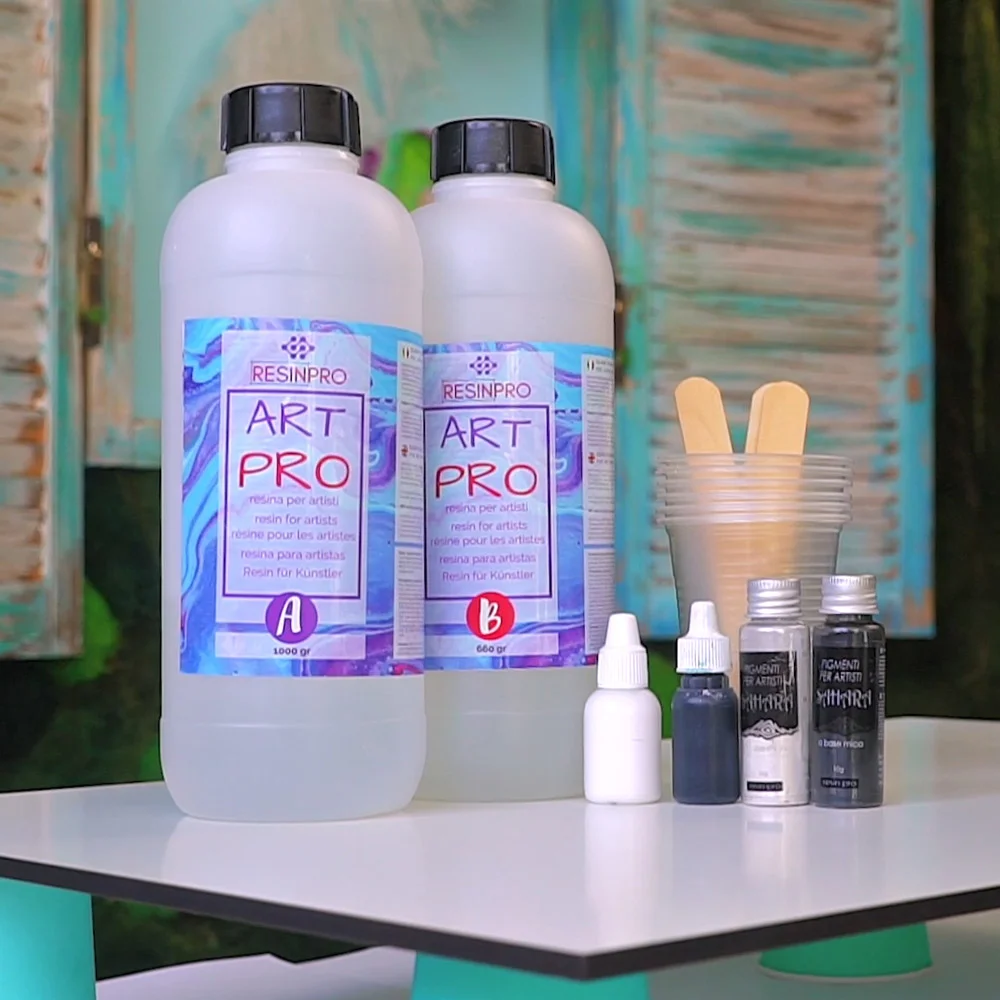
What You’ll Need
- “Stone Effect Collection” – Marble Epoxy Resin Countertop Kit: Ideal for creating authentic marble finishes on surfaces like kitchen worktops and bathroom counters.
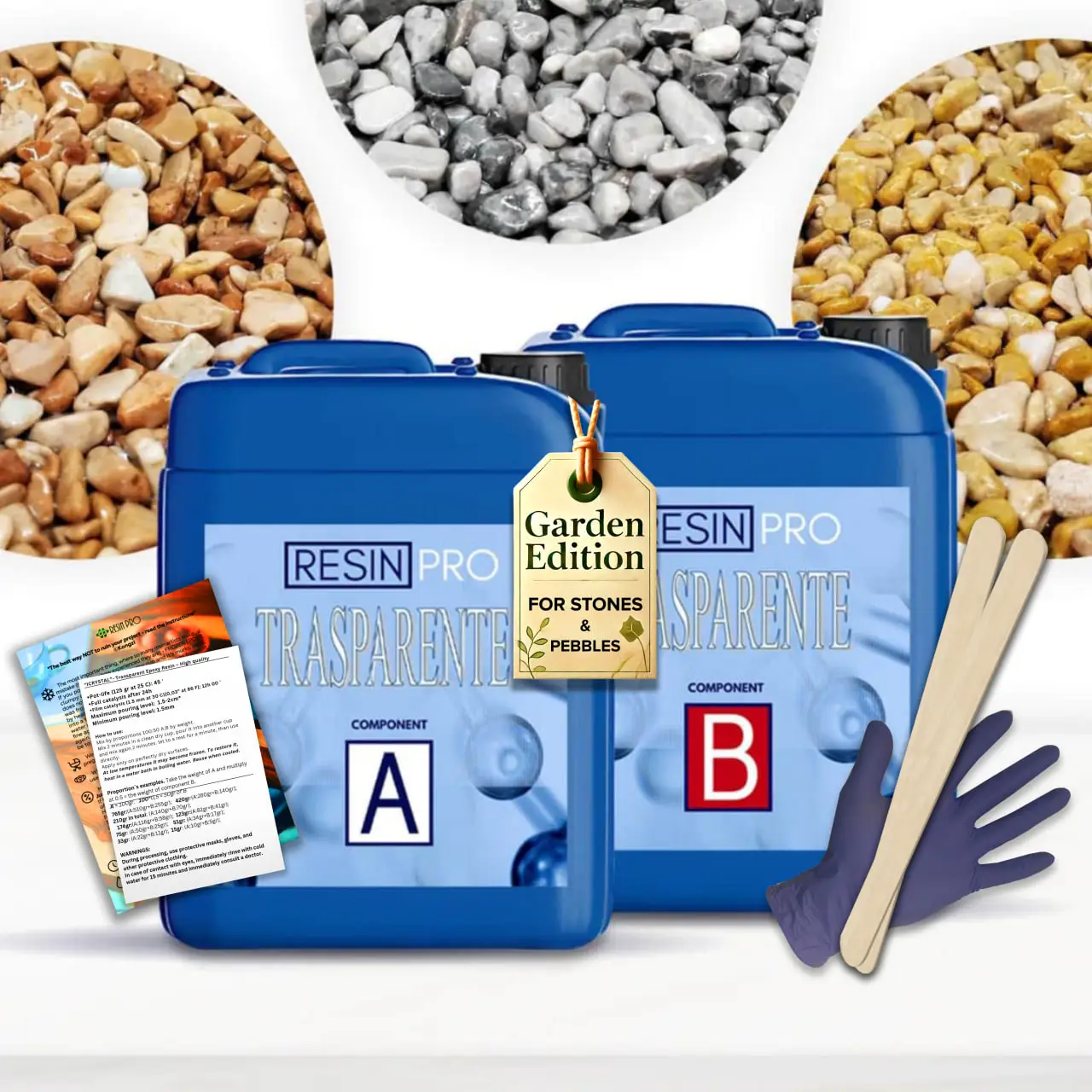
- “Trasparente” – Epoxy Binder for Coloured Pebbles and Grits: Suitable for mixing with marble powder on permeable floors and decorative aggregates.
- “Flowstone” – Complete Permeable Floor Kit with Pebbles and Resin: Comprehensive kit for outdoor marble and resin flooring.
- “Epoxytable 10-Ten” – Deep Pour Epoxy Resin for Tables, Up to 10cm Casting: Perfect for thick resin projects, river tables, or large solid objects where marble powder will be integrated.
- Measured marble powder (ensure it is dry and finely ground).
- Mixing vessel and spatula.
- Protective gloves and safety equipment.

Choosing the Right Marble Powder and Resin
Choose a fine, dry marble powder and a resin system designed for your project type. For decorative surfaces or artistic work, self-levelling and clear resins are best. Use kits for countertops or permeable floors when you need a comprehensive set with included pigments and tools.
Step 1: Prepare Your Workspace and Materials
Before starting, ensure your workspace is level, clean, and dust-free. Set out your resin components and pre-measured, dry marble powder. Wear gloves and, if necessary, a respirator or mask to avoid inhaling fine particles from the powder or vapours from the resin. Working at room temperature (18–25°C) will help the resin mix and cure properly.
Start with a clean, dry mixing vessel to prevent contamination, which could affect adhesion or cause unwanted clumps.
Step 2: Measure and Mix the Resin
Carefully follow the resin kit’s mixing ratios, as accurate measurement is crucial for a successful reaction and final strength. Pour the appropriate amounts of resin and hardener into your vessel. Using slow, gentle movements, mix thoroughly for 2–3 minutes, scraping the sides and base to ensure even blending. Proper mixing ensures no unmixed spots that can appear cloudy or remain sticky.
If using a dedicated resin system for your project, such as the “Stone Effect Collection” – Marble Epoxy Resin Countertop Kit, instructions will be included for precise mixing and pigment addition.
Step 3: Gradually Add and Blend the Marble Powder
Add marble powder in small increments to the pre-mixed resin. Gradually add marble powder to avoid clumps, stirring gently after each addition. This ensures the powder disperses evenly and prevents air pockets. Continue blending until the mixture reaches a smooth, creamy consistency and desired opacity.
Mix slowly and thoroughly to keep trapped air bubbles to a minimum. For deep pour applications—like tables or castings—“Epoxytable 10-Ten” – Deep Pour Epoxy Resin for Tables, Up to 10cm Casting provides ample open time for careful incorporation of marble powder.
Step 4: Pour and Finish Your Resin-Marble Mix
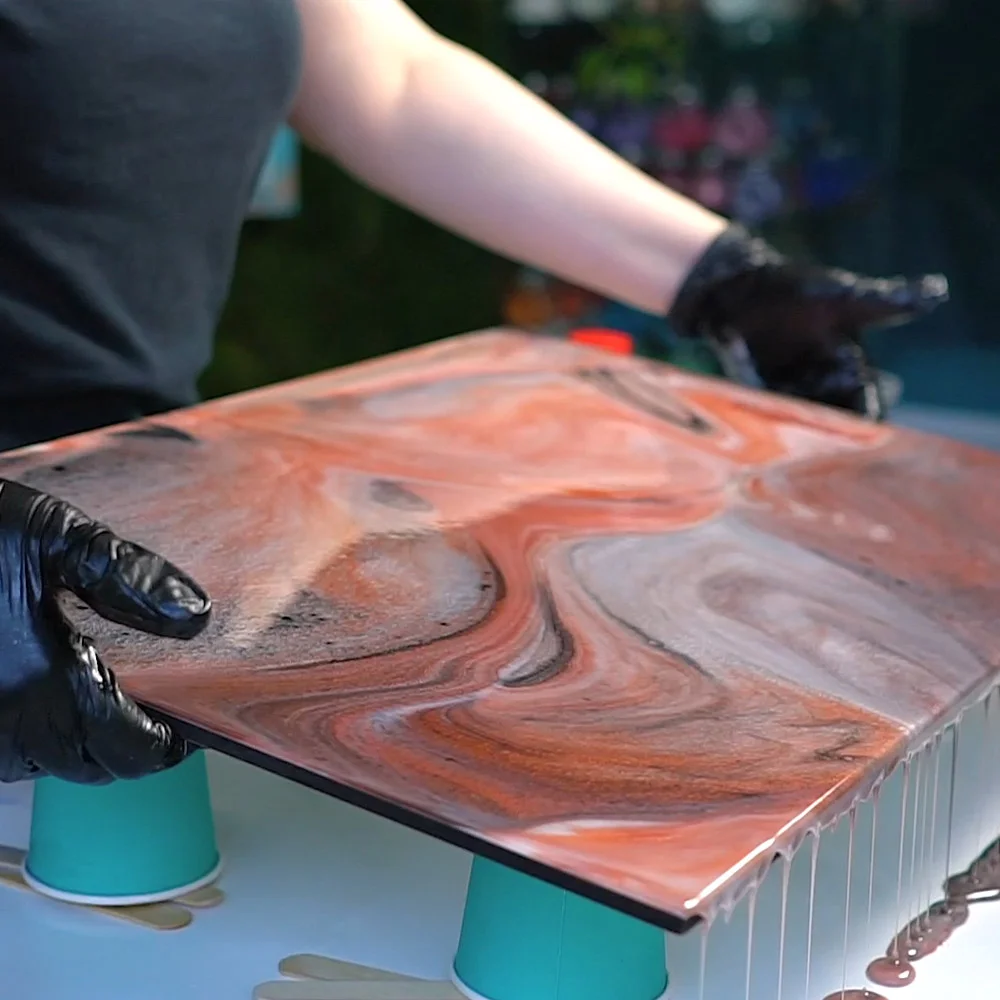
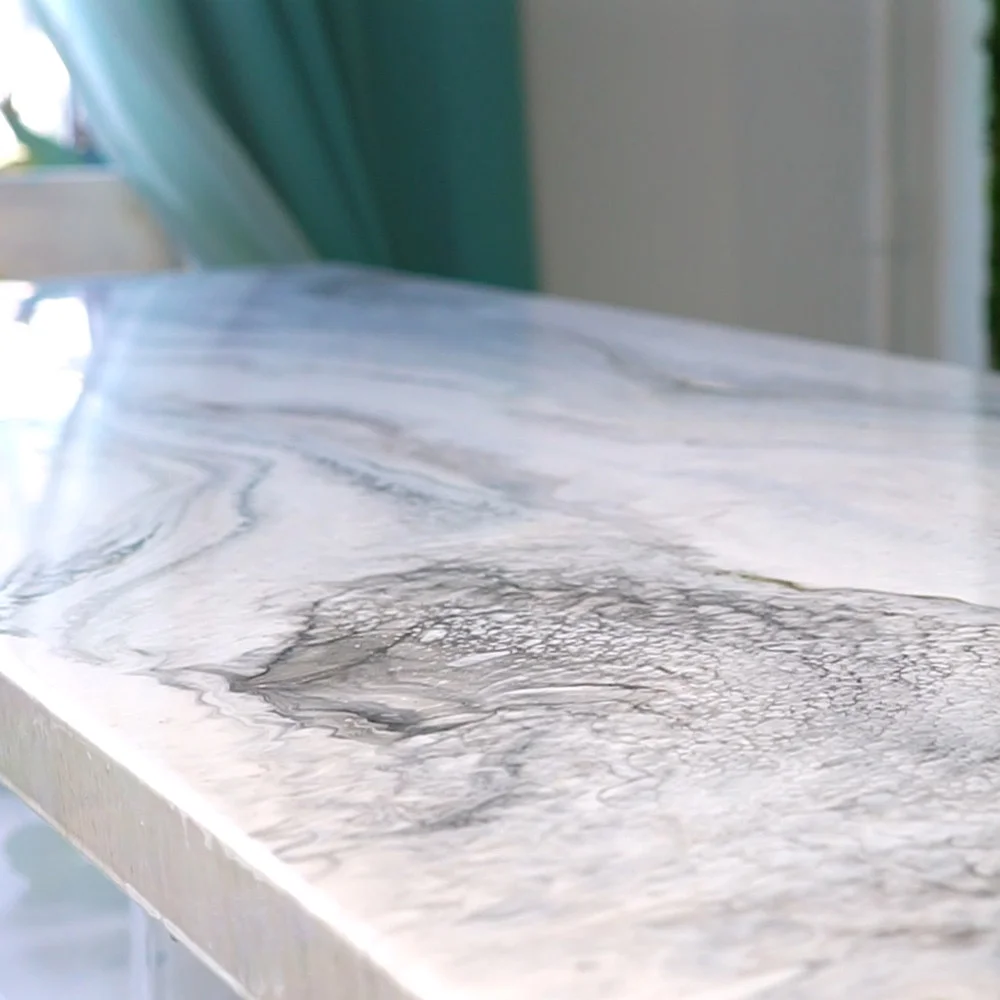
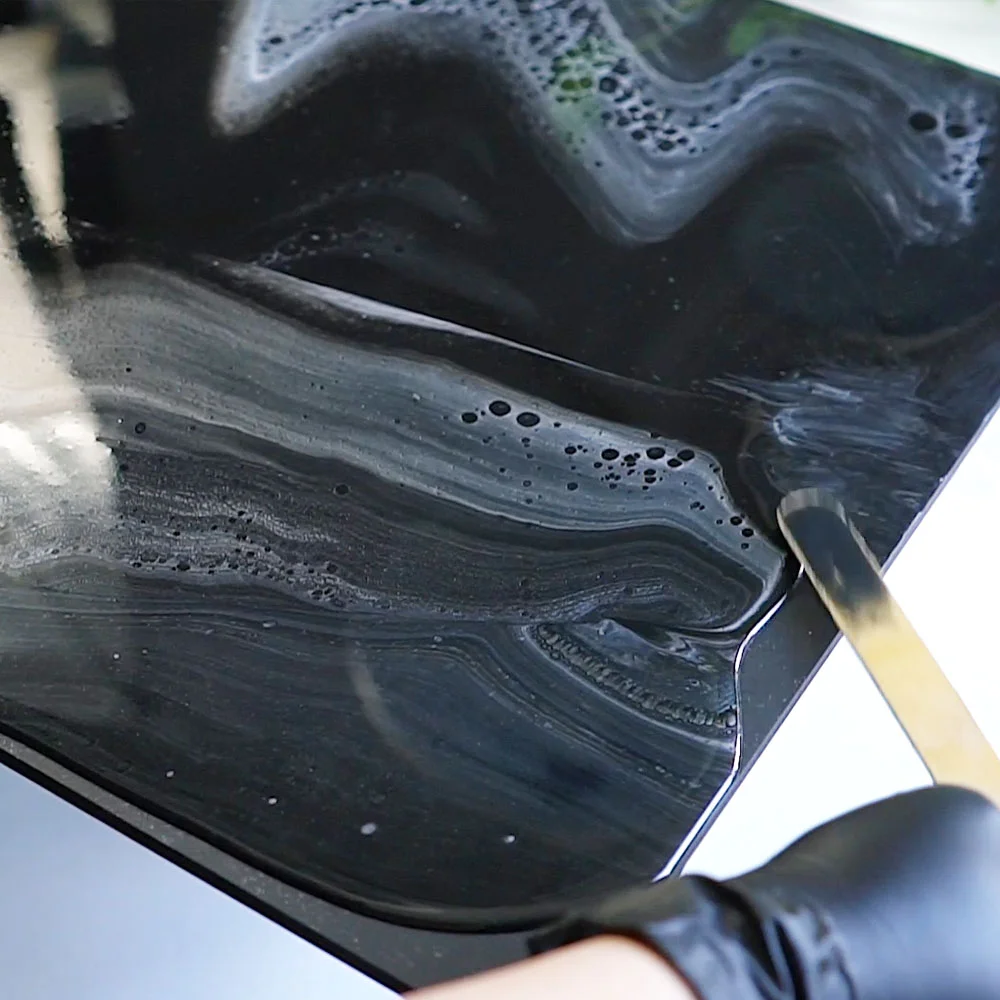
Once the marble powder and resin are completely blended, pour the mixture onto your prepared surface or into moulds as needed. Work within the resin’s open time to allow for smoothing, spreading or detail work. Use spatulas or trowels for even distribution, and tap gently to release any remaining air bubbles. For countertops or similar surfaces, a resin kit like “Stone Effect Collection” – Marble Epoxy Resin Countertop Kit offers self-levelling characteristics for a flawless finish.
Allow the project to cure undisturbed in a dust-free environment, following times stated in the resin instructions before handling or applying additional layers.
Step 5: Clean Up and Curing
Dispose of unused mixture according to local regulations. Clean mixing tools with isopropyl alcohol while the resin is still wet. Once cured, the marble and resin composite will be solid and ready for use or installation. Some systems are safe for contact and wear within 24–48 hours, but always check your kit’s recommendations before placing items or using the surface.
Tips and Common Mistakes to Avoid
Thoroughly blend the marble powder and resin to avoid unmixed clumps, which can cause weak spots or cloudy patches. Always check the compatibility of your marble powder with your chosen resin; impurities or moisture in the powder can affect setting. Avoid over-mixing aggressively to minimise bubble formation. For large projects, only mix as much resin as you can apply within the open time to prevent premature setting in your vessel.
Professional Finish Techniques
Use a heat gun or isopropyl alcohol spray to remove bubbles after pouring. For realistic marble veining, incorporate small amounts of pigment or dye alongside the marble powder, and swirl gently for a natural effect.
- "Stone Effect Collection" – Marble Epoxy Resin Countertop KitPrice range: £54.85 through £394.85"Stone Effect Collection" offers a designer epoxy resin kit for creating durable, professional marble and stone effect surfaces suitable for kitchens…
- "Trasparente" – Epoxy Binder for Coloured Pebbles and GritsPrice range: £31.85 through £948.85"Trasparente" is a clear epoxy binder designed for coloured pebbles, providing a bubble-free and UV stable finish suitable for decorative and…
 "Flowstone" – Complete Permeable Floor Kit with Pebbles and ResinPrice range: £42.85 through £3,389.85"Flowstone" kit is a durable, draining pebble and resin system for outdoor UK surfaces with guidance for optimal resin use.
 “Epoxytable 10-Ten” – Deep Pour Epoxy Resin for Tables, Up to 10cm CastingPrice range: £33.85 through £334.85“Epoxytable 10-Ten” is designed for deep pour applications up to 10cm with low viscosity and non-yellowing features.
Frequently Asked Questions
Can you add marble powder directly into resin?
Yes, marble powder can be added directly if it is dry and fine. Add gradually and mix thoroughly for even dispersion.
Which resin works best for mixing with marble powder?
Use a clear, self-levelling epoxy resin or a kit designed for marble finishes to achieve the best results and easy blending.
How much marble powder should you mix with resin?
Usually, add powder incrementally until desired opacity and texture is achieved; exact ratios depend on resin and application.
How long does a marble and resin mix take to cure?
Cure times vary by resin but typically range from 24 to 48 hours. Check the product guidelines for precise timing.
What if bubbles form in the marble and resin mix?
Use a heat gun or isopropyl alcohol spray after pouring to help bubbles rise and dissipate before curing begins.
What can I create with marble powder and resin?
Common uses include countertops, flooring, art pieces, and decorative features. Always use a product matched to the end use.