 Free shipping on orders over £29,85
  Shipping Tracking!


 Google
 Facebook
How do you paint an OSB floor with resin?
Step-by-step guide for achieving a resilient OSB resin floor


Painting an OSB (Oriented Strand Board) floor with resin can transform a basic substrate into a robust, visually stunning surface that resists moisture and daily wear. This comprehensive guide will walk you through essential preparation and application steps, ensuring exceptional adhesion and a finish that stands the test of time. Whether you’re improving a workshop, studio, or living area, the following process will help you achieve professional results on your OSB floor.
What You’ll Need
- “EpoxyWood” – Wood Restoration Epoxy Resin for Deep Penetration and Waterproofing — A wood restoration resin designed to seal and reinforce OSB substrates.
- “Epoxyprimer” – Universal Water-Based Two-Component Epoxy Floor Primer — An essential primer that enhances resin adhesion on timber floors.
- Resin & Paint Application Rollers – Short-Pile, Large, and Sponge Types — Rollers for precise and consistent resin or primer coverage.
- “Art Pro” – Clear Epoxy Resin for Artists and Surface Coating — An epoxy resin suitable for smooth, high-gloss top layers.
- Protective equipment (gloves, goggles, and appropriate ventilation)
- Fine sandpaper, vacuum or tack cloth, and mixing containers

Getting the Perfect Resin Finish on OSB
Surface preparation is the foundation of any professional resin floor. By thoroughly cleaning, sealing, and priming an OSB surface, you ensure outstanding adhesion and a flawless, long-lasting finish. Durable results start before you pour the first drop of resin.
Step 1: Prepare and Clean the OSB Surface
Thoroughly clean and dry the surface to remove dust, debris, and any greasy spots. Pay attention to joints and edges, making sure everything is free of splinters and contaminants. Use a vacuum or tack cloth to capture fine particles and allow the floor to dry completely before moving to the next step.
It’s important to repair raised sections or fill small gaps, as any imperfections will show through the resin finish. Sand rough patches gently with fine sandpaper.
Step 2: Seal the OSB Board
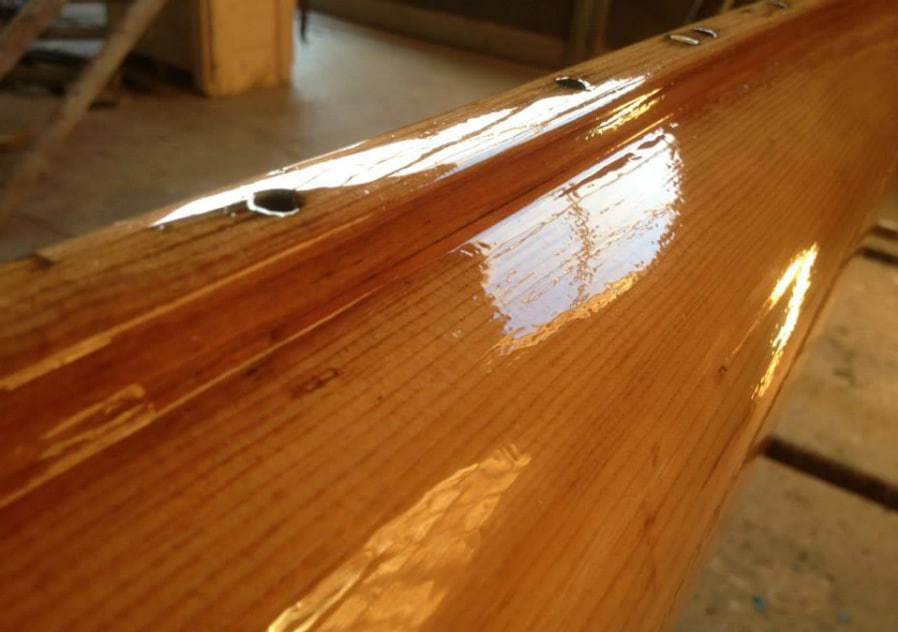
OSB is highly porous, so the next critical step is seal porous OSB for optimal results. This prevents air bubbles and excessive resin absorption that can weaken the coating.
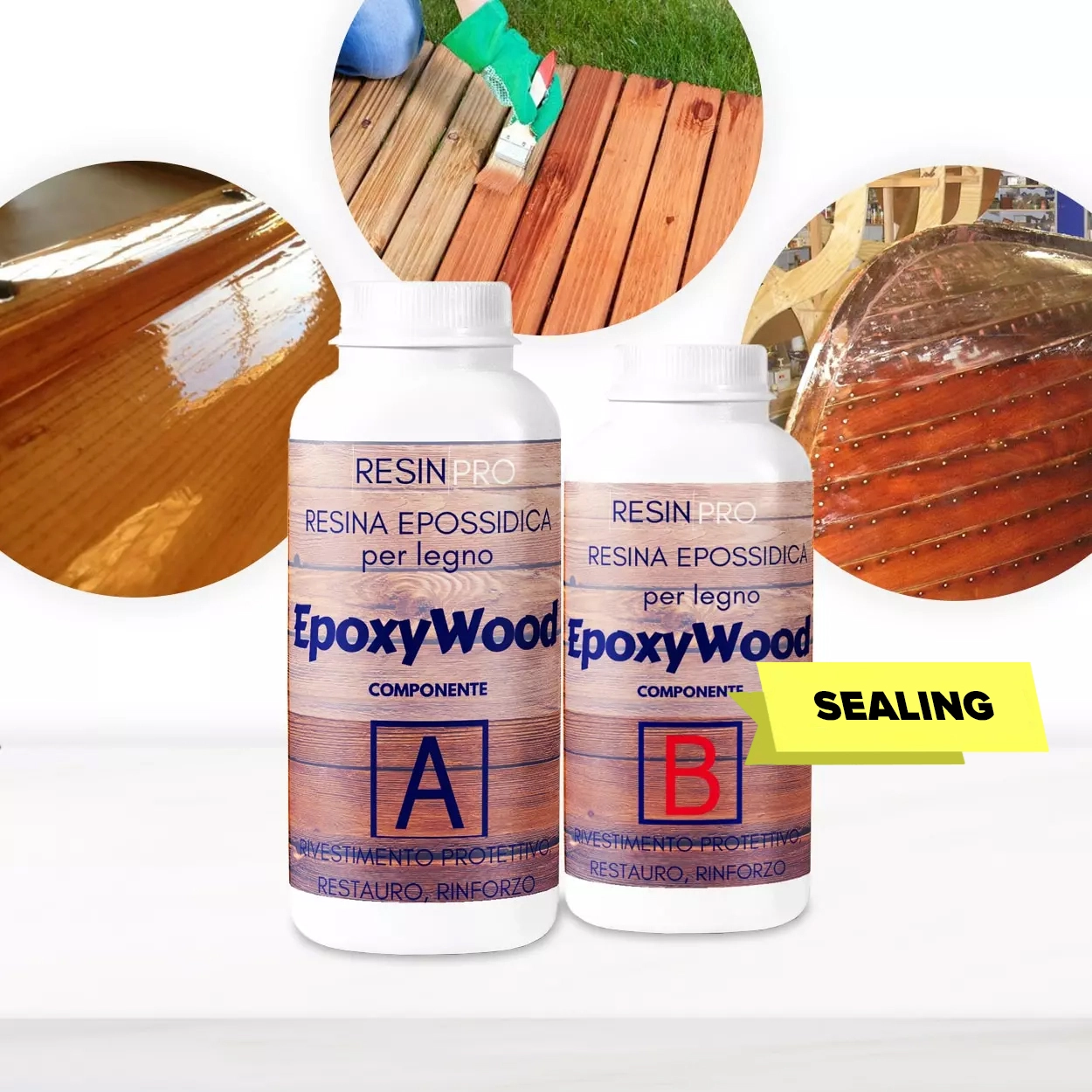
Use “EpoxyWood” – Wood Restoration Epoxy Resin for Deep Penetration and Waterproofing to deeply penetrate and reinforce the OSB surface. Prepare the resin according to instructions, brush or roll it onto the clean floor, and allow it to fully absorb and cure. This creates a moisture-resistant, durable foundation for subsequent layers.
Step 3: Prime for Superior Adhesion
After sealing, apply a dedicated primer to ensure the resin bonds securely to the floor. Use a compatible primer before resin application for best results.
With a high-quality roller or brush, spread a thin, even coat of “Epoxyprimer” – Universal Water-Based Two-Component Epoxy Floor Primer over the sealed surface. Allow it to cure as directed; this usually takes 24–48 hours.


Step 4: Apply the Epoxy Resin Coating
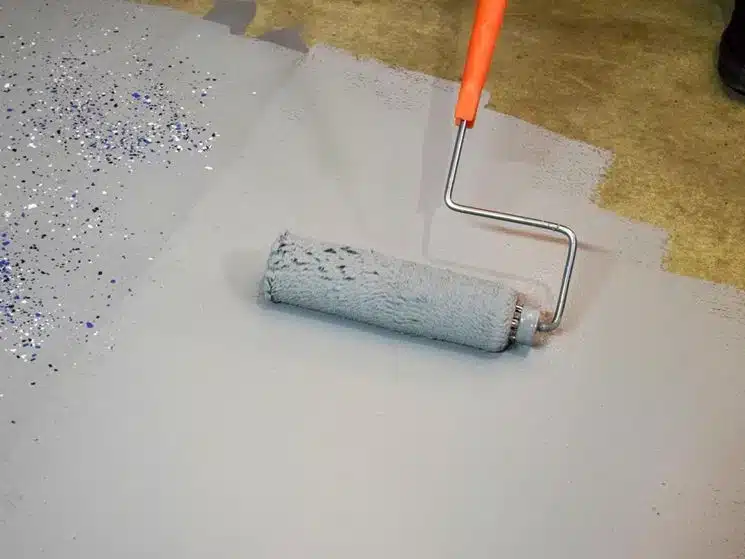
Once the primer is fully cured, it’s time to apply the decorative and protective resin layer. Apply resin in thin, even coats using a clean roller designed for epoxy work, such as the Resin & Paint Application Rollers. Begin along the farthest wall, working towards the exit to avoid stepping on finished sections.
Mix “Art Pro” – Clear Epoxy Resin for Artists and Surface Coating according to the supplied ratio and guidelines. Pour a workable amount, spreading evenly. Work swiftly but carefully to minimise trapped air and roller marks. If a second coat is desired for extra depth and resilience, ensure the first is fully set.
Allow sufficient curing time between layers to prevent defects. Complete curing typically takes 12–24 hours for each resin layer, depending on conditions.
Tips, Common Mistakes, and Troubleshooting
Avoid high humidity and low temperatures, as these can hamper curing and promote bubbling. Always wear protective equipment and ventilate the space well. Clean rollers and tools immediately after use to prevent hardened residue.
Most application issues stem from poor substrate preparation, insufficient priming, or inadequate curing between coats. Address surface repairs before sealing and be patient with drying times for every product used. If imperfections appear, you may sand lightly and recoat once the surface is dust-free.

Professional Floor Resining Results
Layering resins using the right tools and products protects against premature wear and enhances the final appearance. Patience at every stage—from sealing to curing—will make your OSB floor resilient, attractive, and easy to maintain for years to come.

- "Epoxyprimer" – Universal Water-Based Two-Component Epoxy Floor PrimerPrice range: £156.45 through £286.45Epoxyprimer is a water-based two-component primer designed for durable adhesion on concrete, tiles, timber and screed surfaces.
- "EpoxyWood" – Wood Restoration Epoxy Resin for Deep Penetration and WaterproofingPrice range: £27.95 through £41.95EpoxyWood is a wood restoration resin designed for deep penetration and waterproofing with an aesthetic straw-yellow finish.
- Resin & Paint Application Rollers – Short-Pile, Large, and Sponge TypesPrice range: £3.62 through £5.09Rollers designed for epoxy resin applications provide control and uniform coverage suitable for detailed and larger resin surfaces.
- "Art Pro" – Clear Epoxy Resin for Artists and Surface CoatingPrice range: £19.95 through £267.95"Art Pro" is a clear epoxy resin offering durable, scratch-resistant, and UV-protected gloss finishes, suitable for artists and crafters.
Frequently Asked Questions
Can you use resin on an OSB floor?
Yes, with careful preparation and correct sealing, OSB can be successfully coated with resin for a durable, attractive finish.
Which primer should I use on OSB before epoxy?
A water-based epoxy primer specifically designed for timber or mixed substrates is recommended to promote adhesion and durability.
Should you sand OSB before applying resin?
Yes, sanding smooths rough patches and improves resin adhesion. Always clean dust before sealing or priming.
How many resin layers should I apply?
For best results, apply at least one sealing layer, a primer, and one or two resin coats depending on desired thickness and durability.
What are common mistakes when coating OSB floors with resin?
Common mistakes include skipping the sealing stage, insufficient curing, and poor surface cleaning prior to application.
Can epoxy fill gaps in OSB?
Small gaps may be filled with epoxy, but large voids should be repaired with suitable filler and sanded smooth before resining.