 Free shipping on orders over £29,85
  Shipping Tracking!


 Google
 Facebook
How do you paint epoxy resin?
Achieve smooth, vibrant finishes on your epoxy resin creations.


Painting epoxy resin opens up a world of creative and practical possibilities, from transforming furniture and flooring to producing striking art pieces. This guide details every step needed to achieve beautiful, durable painted finishes on epoxy resin, improving the look and lifespan of your projects. Whether you are a hobbyist, a DIY renovator, or an experienced artisan, the following instructions will help you achieve flawless results every time.
What You’ll Need
- “Epoxyprimer” – Universal Water-Based Two-Component Epoxy Floor Primer: A water-based epoxy primer for preparing various surfaces before painting.
- 12-Piece Artists Paint Brush Set for Epoxy Resin Art & DIY Projects: Synthetic brushes ideal for detail or broad applications.
- “Colourfun Set” – Liquid Epoxy Resin Colourant Set for Solid Colour Effects: Intense colourants for blending into resin before application.
- Resin & Paint Application Rollers – Short-Pile, Large, and Sponge Types: Rollers for smooth and uniform paint or resin application.
- Clean cloths, gloves, protective eyewear, and a dust mask as required.

Essential Tools for Painting Epoxy Resin
Choosing the correct brushes, rollers, and preparation accessories ensures a professional result on resin surfaces. Quality tools help spread primer and colour smoothly, minimising brush marks and supporting a flawless finish.
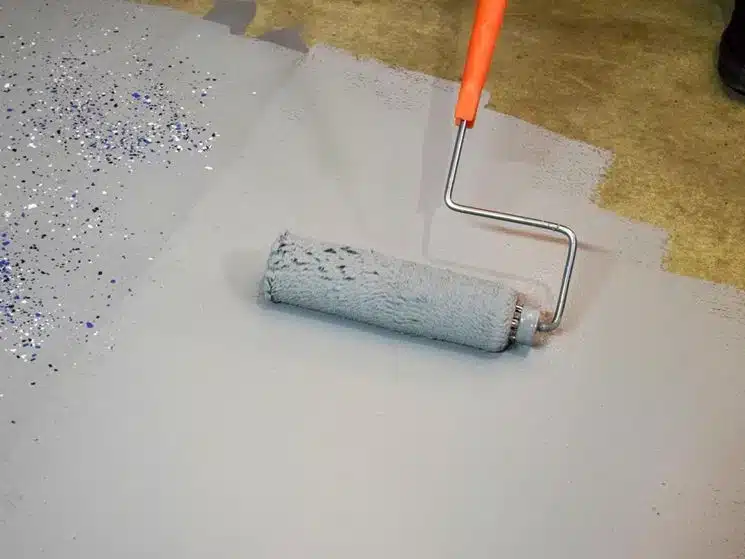
Step 1: Prepare the Surface Thoroughly
Good preparation is the foundation for any successful painted resin surface. Start by ensuring the epoxy resin surface is fully cured—most systems require at least several days. Next, clean the surface gently but thoroughly with a lint-free cloth and a mild cleanser to remove dust, oils, or debris. If the surface is glossy, lightly sand it with fine-grit sandpaper (around 320–400 grit) to create a key for the paint or primer.
Ensure surfaces are fully cured and free from contaminants before moving to the next stage. Rinse off sanding dust and allow the area to dry completely, as lingering moisture can affect adhesion.
Step 2: Prime for the Best Adhesion
Using a suitable primer is essential, especially when painting floors, countertops, or high-traffic surfaces. Apply a thin, even layer of “Epoxyprimer” – Universal Water-Based Two-Component Epoxy Floor Primer with a roller or synthetic brush for reliable, long-lasting adhesion. Follow the product instructions for mixing and applying, ensuring the area is well-ventilated.
Use primer for improved adhesion and let it cure fully for 24–48 hours, depending on conditions. Skipping this step can lead to peeling or poor paint performance.
Step 3: Mix and Apply Colour
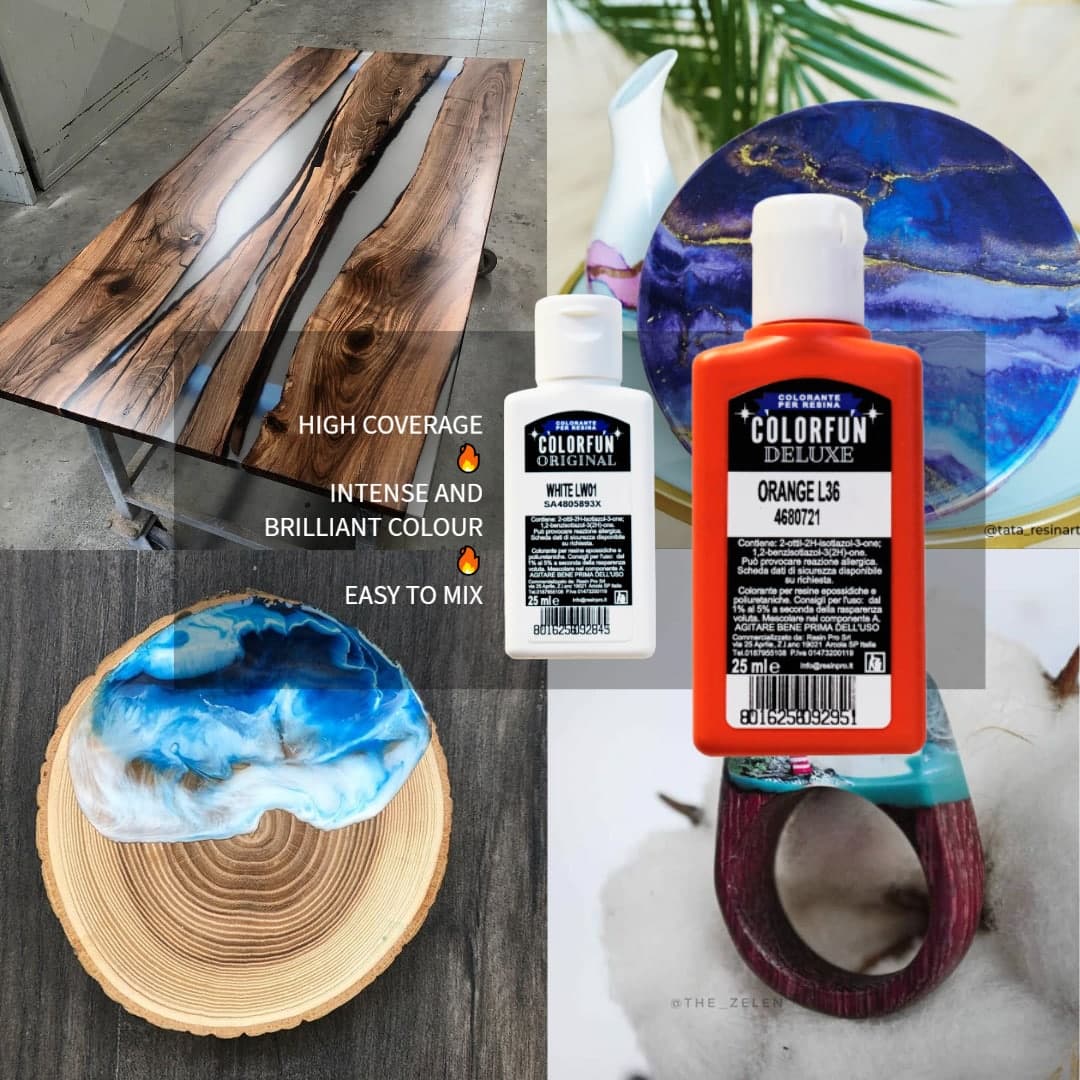
Decide whether you want to paint over the cured epoxy, or blend colourants directly into fresh resin before application. For custom tinted resin layers, use the “Colourfun Set” – Liquid Epoxy Resin Colourant Set for Solid Colour Effects. Just a few drops suffice for potent, even colouring—mix thoroughly to avoid streaks or spots.
If you are applying paint on top of resin, select paints specifically formulated or proven compatible with resin surfaces (such as acrylics). Use either the 12-Piece Artists Paint Brush Set for Epoxy Resin Art & DIY Projects for controlled artistic details or Resin & Paint Application Rollers – Short-Pile, Large, and Sponge Types for broader, uniform coverage on large surfaces.
Apply thin, even coats to avoid runs and allow proper drying between layers. Test on a small area if unsure of compatibility or colour intensity.

Step 4: Finish and Protect the Painted Surface
Once your paint or coloured resin is applied and dry, assess if an additional clear coat of resin or protective varnish is needed for durability and shine. When working in layers, ensure each is fully cured before applying the next. This step is crucial for high-wear items like floors or tabletops to seal in colour and guard against wear.
Avoid overworking the resin or paint, and handle with care to prevent dust or debris during curing. Ventilate well and observe all safety recommendations throughout the process.
Tips and Common Mistakes When Painting Epoxy Resin
For the best finish, always allow each layer to cure fully before moving on. Test colour blends on offcuts to preview the final effect. Avoid applying thick coats, which may trap bubbles or cause uneven drying. If sanding between layers, use gentle pressure and fine grit to avoid scratching. Always ensure cleanliness at each step—introducing dust or grease can ruin the final appearance.
Creative Effects and Finishing Touches
Experiment with layering colours with the Colourfun Set or blending gradients for artistic results. For functional surfaces, apply a protective topcoat for extra durability and shine on floors or countertops.

- "Epoxyprimer" – Universal Water-Based Two-Component Epoxy Floor PrimerPrice range: £156.45 through £286.45"Epoxyprimer" is a water-based two-component epoxy floor primer designed for reliable adhesion on various substrates in epoxy resin projects.
- 12-Piece Artists Paint Brush Set for Epoxy Resin Art & DIY Projects£6.95This 12-piece brush set provides versatile shapes with durable synthetic bristles, designed for epoxy resin art and DIY projects.
- "Colourfun Set" – Liquid Epoxy Resin Colourant Set for Solid Colour EffectsPrice range: £14.45 through £50.95"Colourfun Set" colour pastes provide intense, translucent pigments suitable for transparent epoxy resin projects and crafting with colour effects.
 Resin & Paint Application Rollers – Short-Pile, Large, and Sponge TypesPrice range: £3.62 through £5.09Rollers designed for epoxy resin applications provide precision and uniformity, suitable for professionals and DIY painting tasks.
Frequently Asked Questions
What is the best primer for epoxy resin before painting?
A water-based two-component epoxy primer provides strong adhesion and prepares the surface for painting or subsequent resin layers.
Can you paint over cured epoxy resin?
Yes, with the right surface preparation and primer, you can apply suitable paints over cured epoxy resin for lasting results.
Which brushes are best for epoxy resin paint?
Synthetic bristle brushes are recommended as they apply resin and colour smoothly without shedding fibres.
How do you prevent peeling or flaking when painting resin?
Ensure the resin is clean, lightly sanded, fully cured, and primed before painting to maximise lasting adhesion.
How long should I wait between painting layers?
Wait until each layer is dry to the touch and follow product instructions—typically several hours for paint and at least 24 hours for resin.
Can you use acrylics on top of epoxy resin?
Yes, acrylic paints are compatible with epoxy resin if the surface is properly abraded and primed beforehand.
How can I fix mistakes or imperfections when painting epoxy resin?
Sand back the affected area gently, clean thoroughly, and repaint or recoat until the finish is even.