 Free shipping on orders over £29,85
  Shipping Tracking!


 Google
 Facebook
How do you polish epoxy resin?
Step-by-step instructions to restore gloss and clarity to resin


Polishing epoxy resin transforms dull, cloudy or scratched projects into gleaming, professional-quality pieces. Whether you are restoring clarity to a countertop, achieving brilliance on resin jewellery, or finishing a unique art piece, the right surface preparation and technique are essential for flawless results.
What You’ll Need
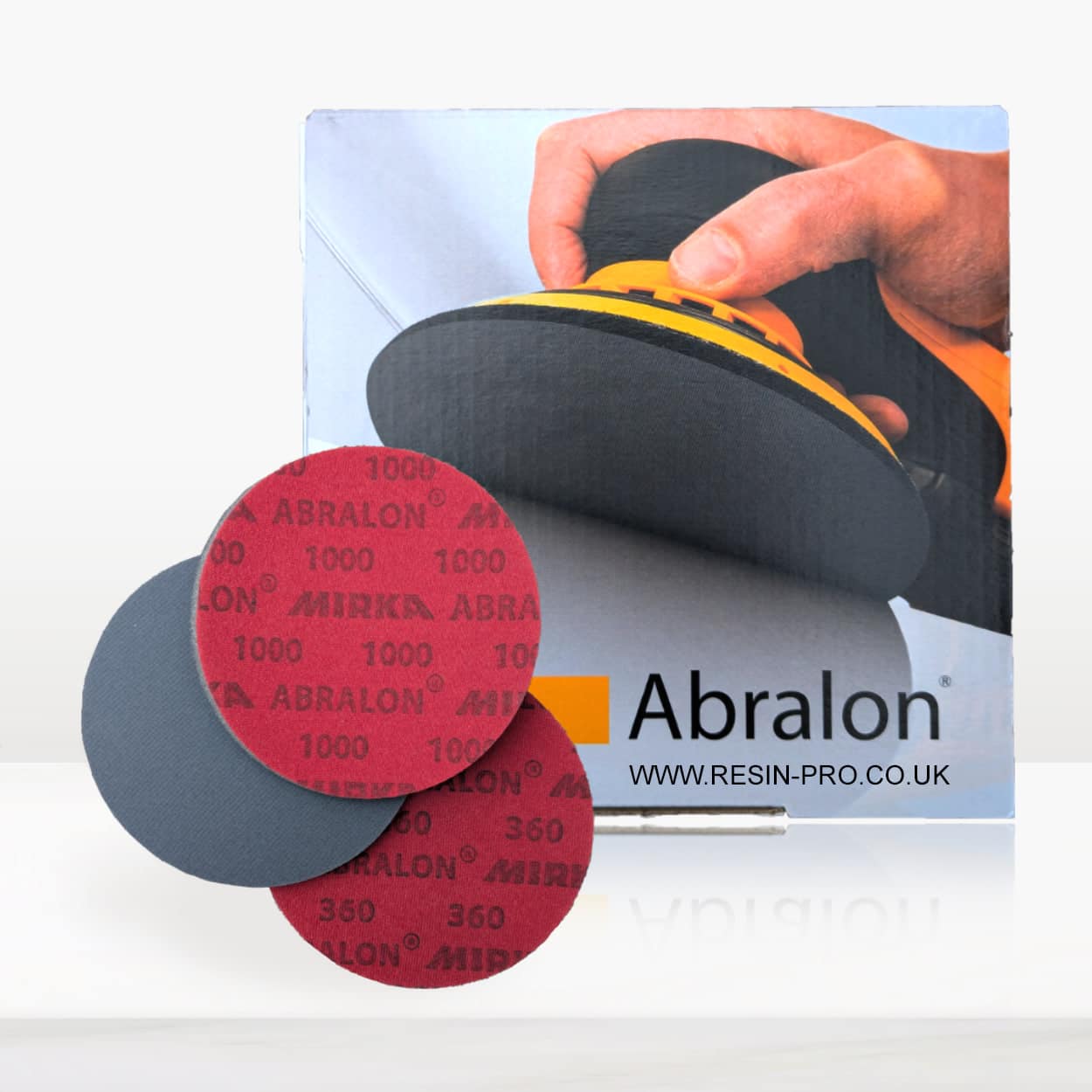
- “Ebonite Abralon” – Sanding Pads 360-4000 Grit for Resin and Wood – Wet/dry sanding pads with multiple grit options for the ideal surface progression.
- 1200W Polisher for Sanding and Buffing – Variable Speed, D-Handle – Variable-speed polisher for controlled, even finishing on large or flat areas (optional for manual work but highly recommended).
- “Epoxy Polish” – Epoxy Resin Polishing System – Polishing cream tailored for removing fine scratches and restoring high gloss.
- “Carbon Polish” – Polishing System for Dark and Black Surfaces, 250ml – For deep, flawless shine on black or very dark resin projects.
- Microfibre cloths, clean water (if wet sanding), and protective equipment (mask, gloves, goggles).

See the Transformation: Polished Resin Results
Experience the dramatic change as dull or scratched epoxy surfaces are restored to stunning clarity and gloss. The stepwise use of sanding pads and professional polishing creams like Epoxy Polish can bring out flawless brilliance in your art, furniture, or jewellery pieces.

Step 1: Sand the Epoxy Resin Surface Evenly
Start by ensuring the resin is fully cured and the surface is completely clean and dry. Begin sanding with a low grit such as 360 or 500, depending on the roughness of your casting. Use gentle, even pressure when sanding, and move in circular or back-and-forth motions to smooth out imperfections and remove surface scratches. For best results, use wet sanding with plenty of water to minimise dust and clogging, especially on larger pieces.
Gradually progress through finer grits, going up to 1000, 2000, and finally 4000, ensuring each stage removes the scratches of the previous grit. The “Ebonite Abralon” – Sanding Pads 360-4000 Grit for Resin and Wood are ideal for a consistent, high-quality finish at every stage.
Avoid skipping grit sizes; moving from coarse directly to fine leaves residual marks that will be hard to remove at the polishing stage.
Step 2: Prepare for Polishing
After reaching 4000 grit, rinse the piece thoroughly and dry it with a microfibre cloth. Make sure no sanding debris remains, as this can cause scratches during polishing. At this stage, the resin should look uniformly matte and smooth, without visible scratches or cloudiness.
If you are working on large surfaces or intricate items, using a powered tool like the 1200W Polisher for Sanding and Buffing – Variable Speed, D-Handle can help ensure even pressure and faster results across the area. Manual polishing is also possible for small or delicate objects using clean, dry cloths or hand pads.
Thoroughly clean between sanding and polishing to avoid introducing grit into the final finish.
Step 3: Apply the Resin Polish
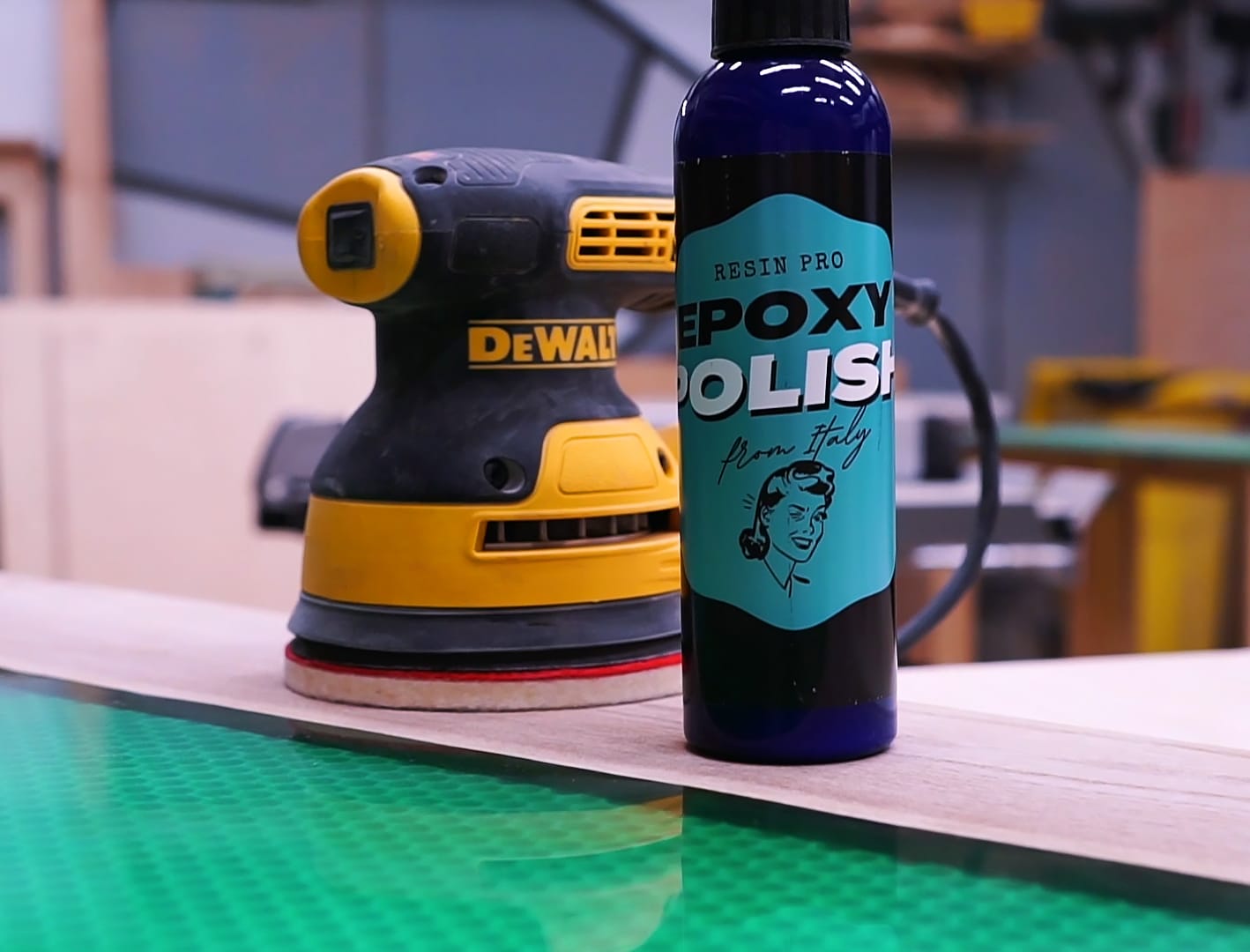
Once prepped, place a small amount of polishing cream on your pad or microfibre cloth. For general resin work, “Epoxy Polish” – Epoxy Resin Polishing System is a top choice, while for dark or black surfaces, opt for “Carbon Polish” – Polishing System for Dark and Black Surfaces, 250ml.
Polish with gentle, even sweeps, applying light pressure. If using a machine polisher, select a moderate speed and continually move the tool to avoid heat build-up. Work the polish into the surface until it develops a brilliant, glossy appearance. Buff off the residue with a clean microfibre cloth.
Apply polish sparingly and evenly; using too much can result in streaks or residue needing extra cleanup.
Step 4: Inspect and Repeat if Necessary
Carefully inspect the finish in bright, diffuse light. If any dull areas or fine scratches remain, repeat polishing with a clean pad or cloth. For best results on high-traffic or statement pieces, a second round of polishing ensures an even, mirror-like shine. Be patient; rushing this step can leave marks or uneven gloss.
On dark resin projects, a second round with the specialised Carbon Polish often delivers extra depth and flawless contrast.
Tips and Troubleshooting for Polishing Epoxy Resin
If you notice haze or swirl marks after polishing, go back to a higher grit sanding stage and repeat final sanding and polishing. Use clean, residue-free pads and cloths for each stage to avoid contamination. Always allow resin to cure fully (usually 7 days minimum) before sanding or polishing for best results.
If the surface appears cloudy, insufficient working of the polish or residual debris may be to blame. Buff longer with light pressure and ensure all product is removed before inspecting your shine.
Expert Advice: Achieving Professional Resin Finishes
Consistent technique, patience and proper products are the foundation for flawless results. Whether you prefer manual or machine applications, choosing the correct polish and sanding sequence—plus attention to detail—will ensure your epoxy resin projects shine with professional quality.

- "Epoxy Polish" – Epoxy Resin Polishing SystemPrice range: £17.85 through £44.85An epoxy resin polishing system designed for professionals and DIY users to restore a mirror-like finish with ease.
- "Ebonite Abralon" – Sanding Pads 360-4000 Grit for Resin and Wood£3.95"Ebonite Abralon" sanding pads offer versatile grit options and consistent surface pressure for polishing resin and wood surfaces.
 1200W Polisher for Sanding and Buffing – Variable Speed, D-Handle£85.95The 1200W Polisher offers variable speed control and a sturdy D-handle, suitable for sanding and polishing epoxy resin finishes.
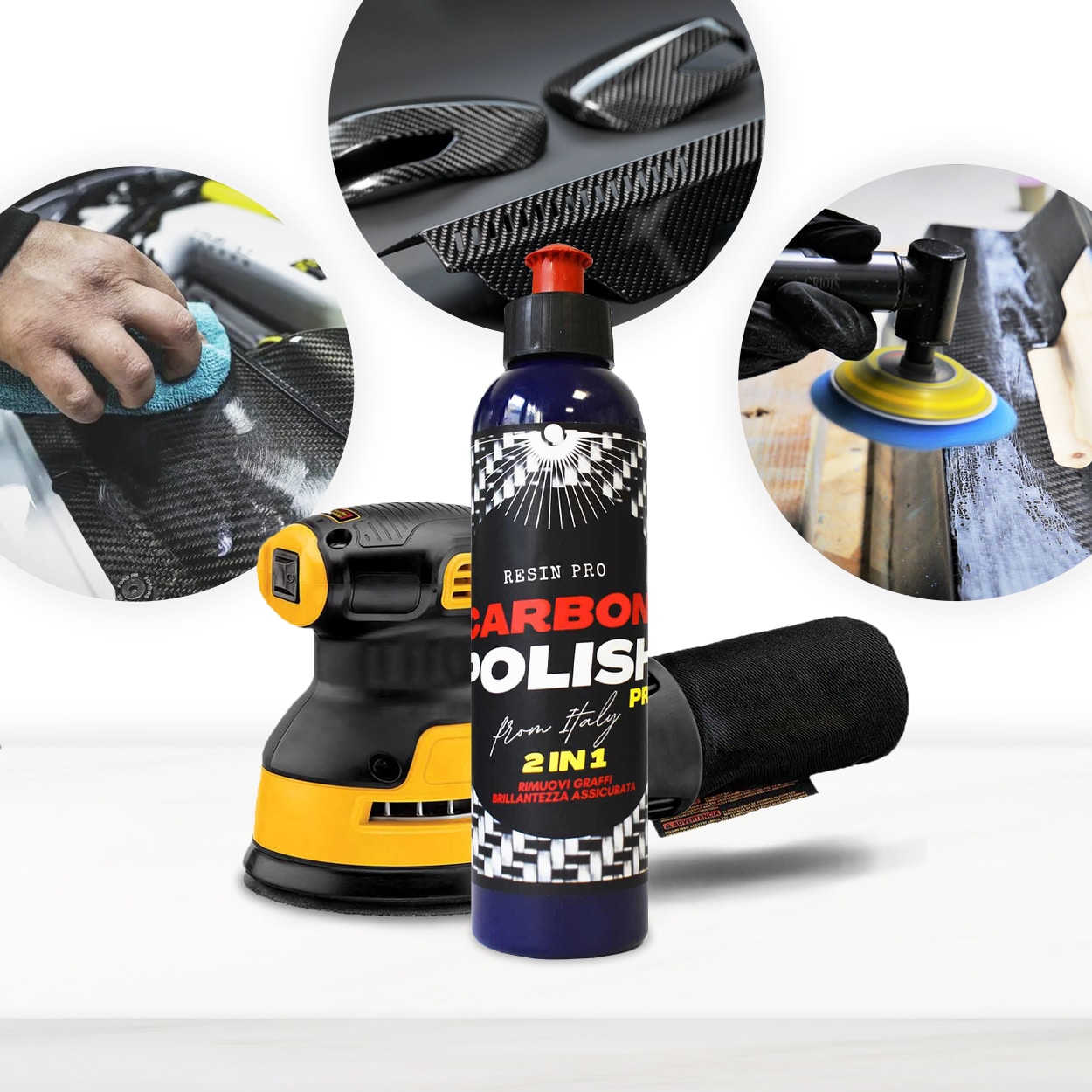 "Carbon Polish" – Polishing System for Dark and Black Surfaces, 250mlPrice range: £17.85 through £44.85"Carbon Polish" is designed for polishing dark and black surfaces such as epoxy resin, offering application by hand or power tool.
Frequently Asked Questions
What is the safest way to polish epoxy resin at home?
Always wear a dust mask, goggles, and gloves. Wet sanding minimises airborne particles, and using microfibre cloths reduces the risk of scratching the finish.
Do I need a machine polisher or can I sand by hand?
You can achieve great results by hand on small items, but for large surfaces or frequent projects, a variable speed polisher saves time and improves consistency.
Can I use household abrasives instead of specialist sanding pads?
Specialist sanding pads are recommended because they offer controlled grit and even results, reducing the chances of deep scratches that are difficult to polish out.
Why does my polished resin look cloudy?
Cloudiness usually results from insufficient sanding, unremoved sanding debris, or not working the polish enough. Complete each step thoroughly and clean between stages.
What’s the best way to polish dark-coloured or black epoxy resin?
A polish formulated for dark or black surfaces avoids white residues and delivers deeper gloss. Use a dedicated product like Carbon Polish for best results.
How long should epoxy resin cure before sanding and polishing?
Wait at least 7 days for the resin to fully cure before beginning any sanding or polishing. Early attempts may damage the soft resin surface.