 Free shipping on orders over £29,85
  Shipping Tracking!


 Google
 Facebook
How do you repair a resin shower tray?
Restore cracked or chipped trays with a step-by-step repair process

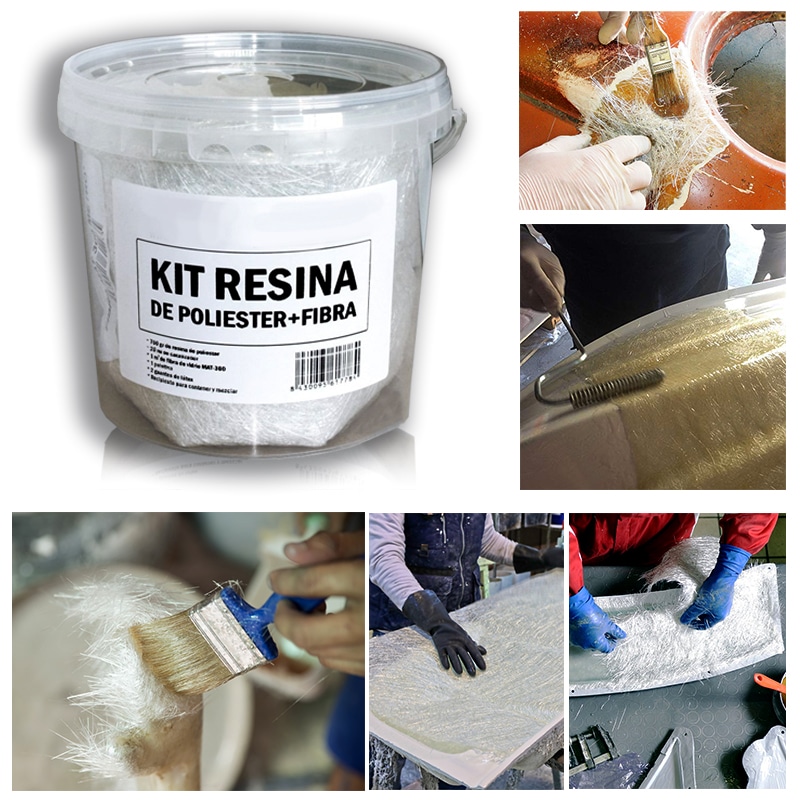
Restoring a resin shower tray can seem daunting, but with the right technique it is entirely achievable for most DIY enthusiasts. Addressing cracks, chips, or holes promptly prevents water ingress and future damage, ensuring your shower remains safe and looking smart. This guide walks you through a professional resin shower tray repair using techniques trusted by homeowners and installers alike.
What You’ll Need
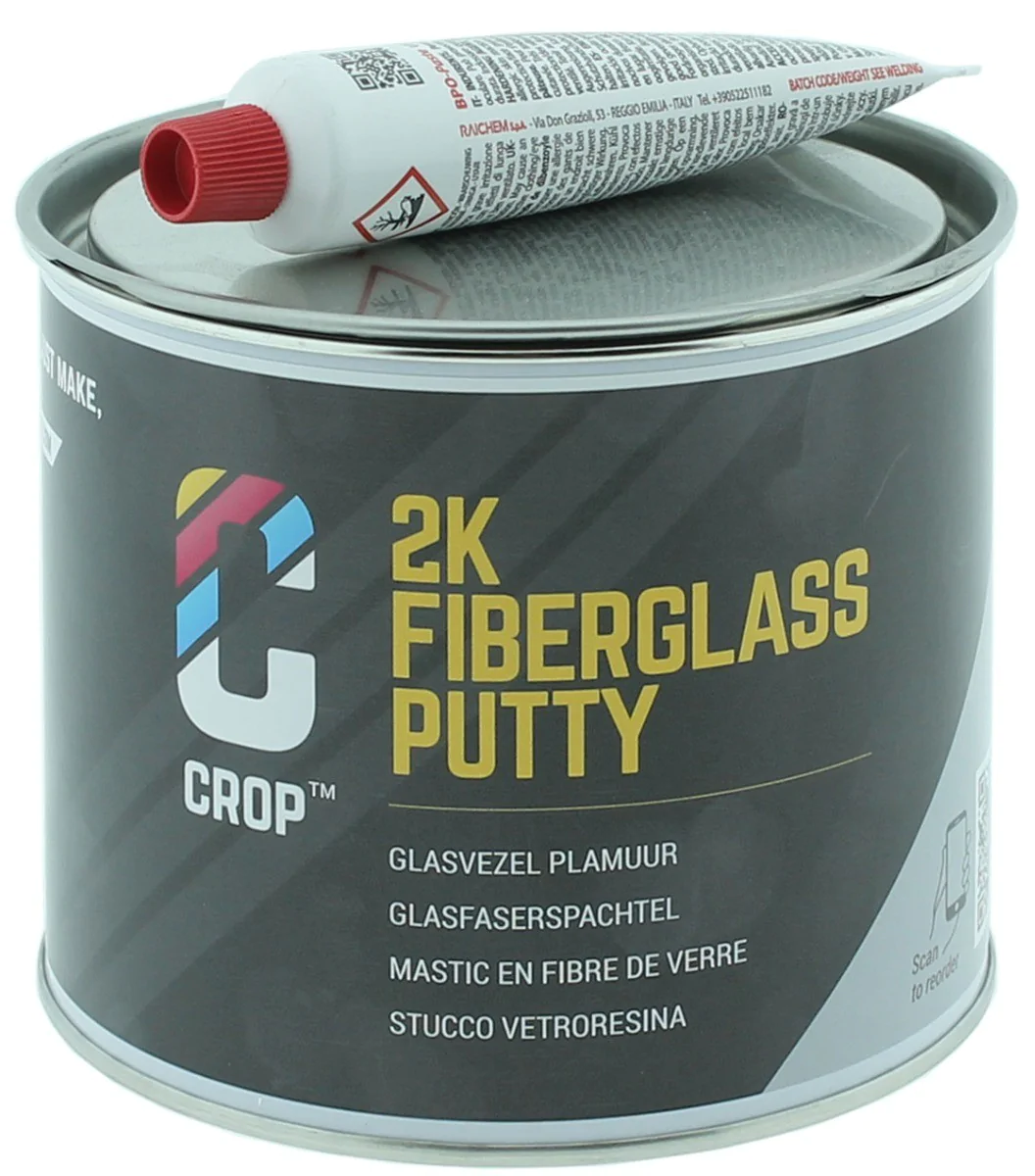
- CROP 2K Fiberglass Putty – 750 ml + Hardener: A fibreglass-reinforced putty ideal for filling and structurally repairing cracks, dents, or chips.
- “FixExpress” – Two-Component Epoxy Glue 500g: For repairing smaller chips or providing rapid, strong repairs where precise application is needed.
- “Art Pro Deluxe” – Ultra-High Viscosity Epoxy Resin for Artists: Use as a finish layer to restore gloss and provide a durable, water-resistant coating.
- P120 and P400 sandpaper
- Acetone or isopropyl alcohol
- Microfibre cloths and disposable gloves
- Mixing containers and spatula
- Masking tape (optional for clean edges)
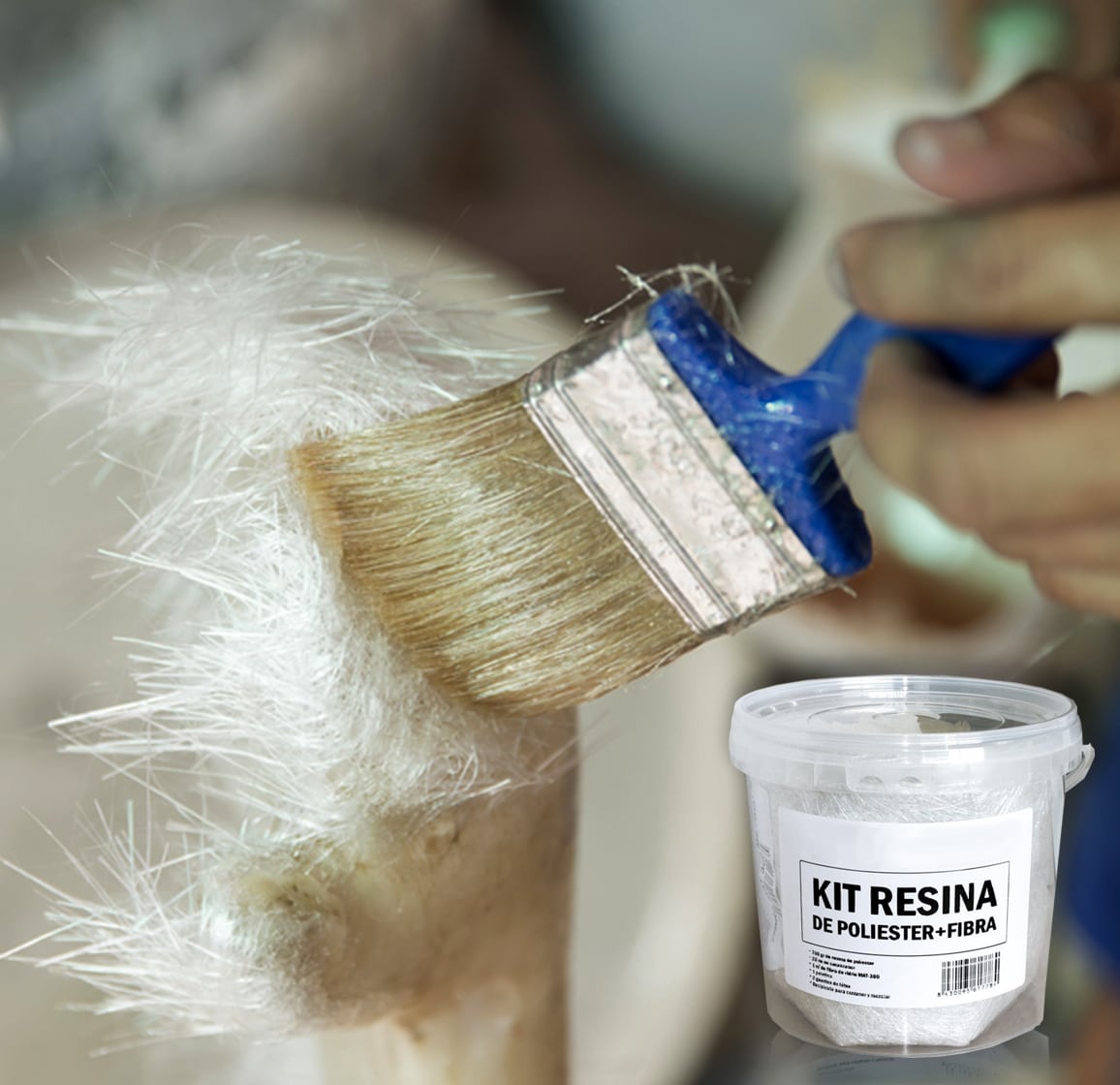
See How a Professional Shower Tray Repair Is Achieved
Watch as the entire process, from surface prep to final resin finish, is demonstrated. Notice the importance of cleaning, careful material application, and patient finishing for a flawless result. Each stage is key for a fully waterproof and long-lasting repair.
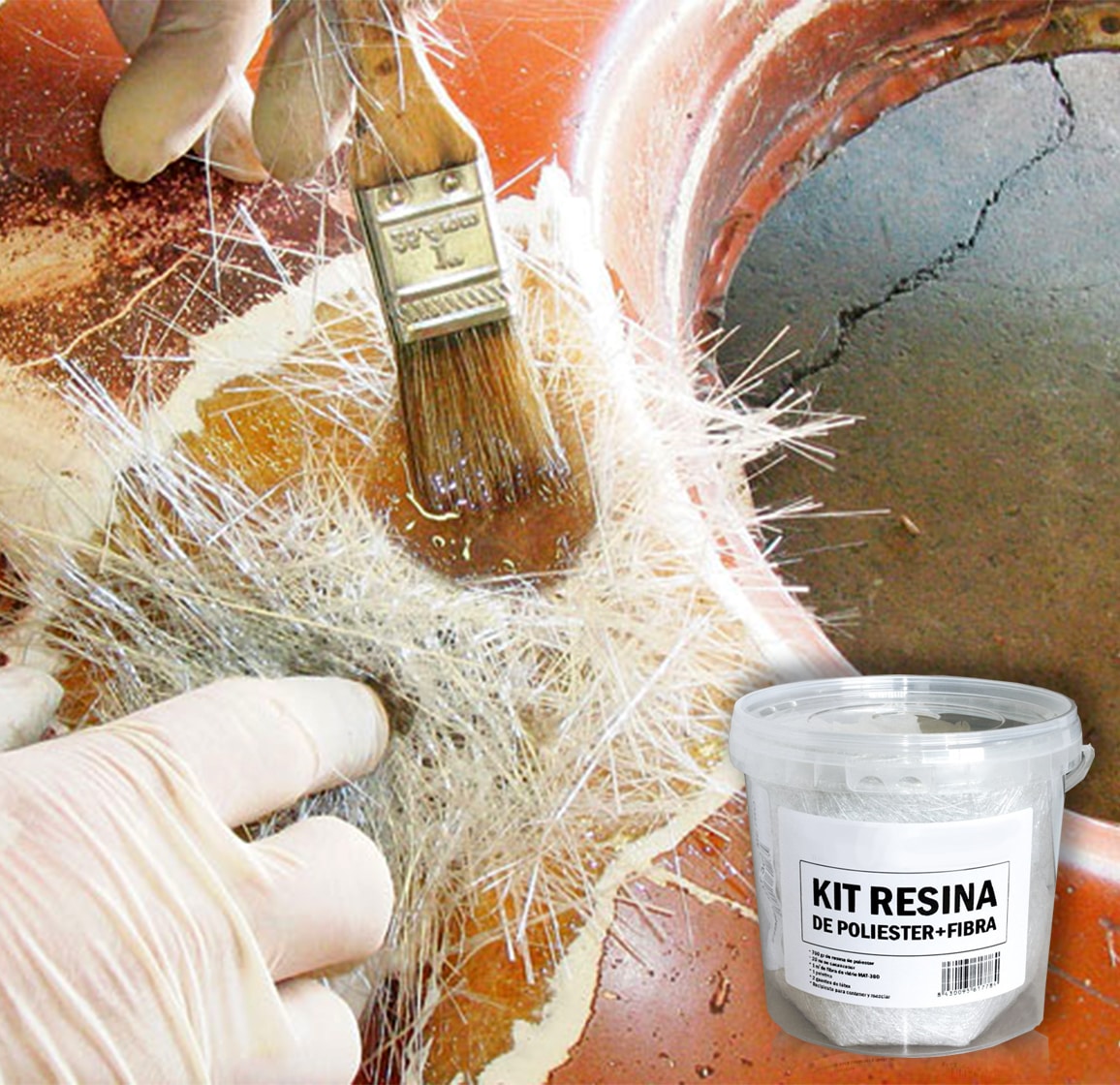
Step 1: Clean and Prepare the Tray
Begin by thoroughly cleaning the entire surface of the shower tray with warm water and a mild detergent. Remove any soap scum, oils or contaminants as these will affect adhesion of the repair materials. Once rinsed and dried, degrease the area around the damaged section with acetone or isopropyl alcohol for an extra level of cleanliness. Use masking tape to define the repair area and protect the undamaged surface if necessary.
Cleanliness is key to successful bonding. Any residue could cause the repair to lift over time.
Step 2: Sand the Damaged Area
Sand the cracked or chipped area using P120 sandpaper to roughen the surface and feather the edges. This provides a firm base for your chosen repair medium. Remove any loose particles and dust with a microfibre cloth.
Ensure the area is dry and free of debris before proceeding.
Step 3: Fill and Repair Cracks or Holes
For cracks or deeper chips, select CROP 2K Fiberglass Putty – 750 ml + Hardener. Mix as per product instructions and use a spatula to generously fill the prepared area, pressing firmly to eliminate air bubbles. Shape the surface as closely as possible to the surrounding tray. Allow to cure fully—refer to manufacturer curing times.
For smaller chips or quick repairs, “FixExpress” – Two-Component Epoxy Glue 500g can be ideal. Its quick setting time and strong bond make it suitable for minor surface defects requiring rapid fixes.
Do not rush the curing or sanding stages. Curing properly ensures a solid, lasting repair.
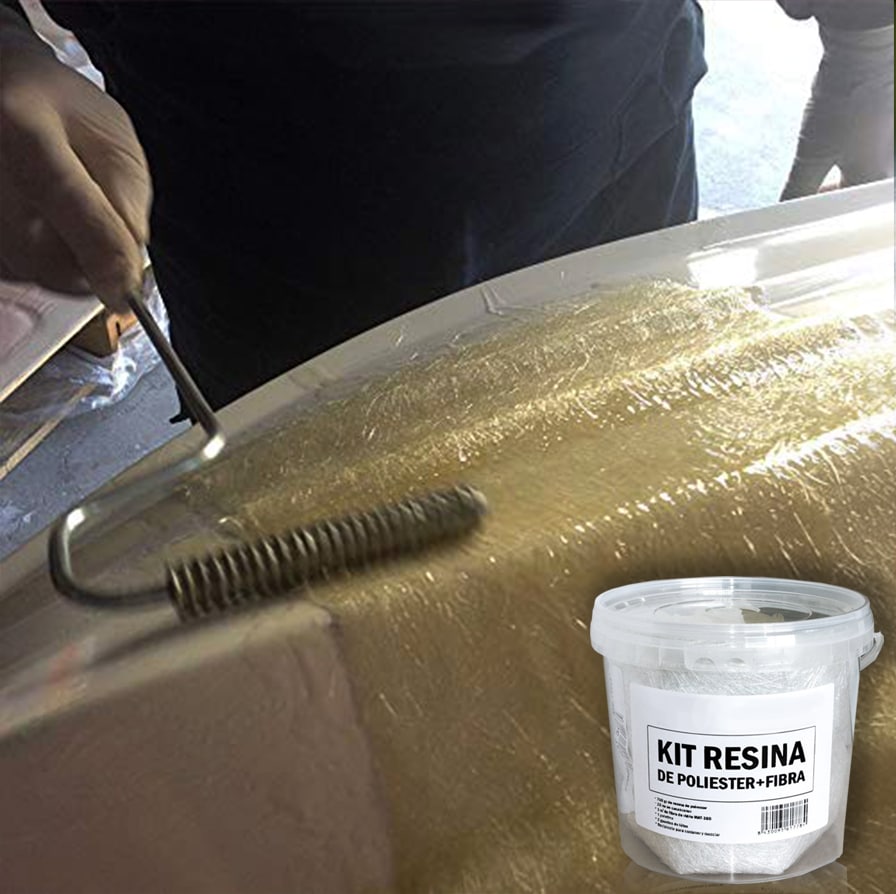
Step 4: Sand and Smooth the Repaired Surface
Once the filler or adhesive is fully cured, sand the repair with P120 and then P400 sandpaper. Shape it back to the original tray contour. Use light, circular motions to feather the edges seamlessly into the surrounding area. Wipe off dust with a damp or microfibre cloth and inspect for imperfections. Repeat filling and sanding for any low spots or pinholes.
Step 5: Apply a Protective Finish
For a fully water-resistant, glossy finish, apply a thin coat of “Art Pro Deluxe” – Ultra-High Viscosity Epoxy Resin for Artists over the repaired section. Mix as directed, pour or brush on evenly, and allow it to self-level. Avoid disturbing the surface while it sets—follow minimum curing times for optimum results. This added layer protects against water ingress and replicates the high-gloss look of a new tray.
If masking tape was used, peel it away gently before the resin has fully cured for a crisp, clean edge.
Tips and Common Mistakes
- Always match the repair material to the severity of the damage: Deep cracks may need filled fibreglass putty, while minor chips respond well to rapid-set epoxy glue.
- Ensure each product has fully cured before moving to the next step—rushing can lead to soft, uneven patches.
- Sand gently; pressing too hard may cause low spots or mar the surrounding finish.
- Work in a ventilated area and always use gloves to avoid contact with resins or solvents.
- If the tray has a patterned or textured finish, use masking and fine brushes to replicate it during the final epoxy layer.
Sample Before and After Resin Tray Fixes
View examples of resin shower trays before and after expert repair. These transformations highlight effective material choice and precision technique, confirming that most cosmetic and structural issues can be remedied at home with the right polyester putty and finishing resin.
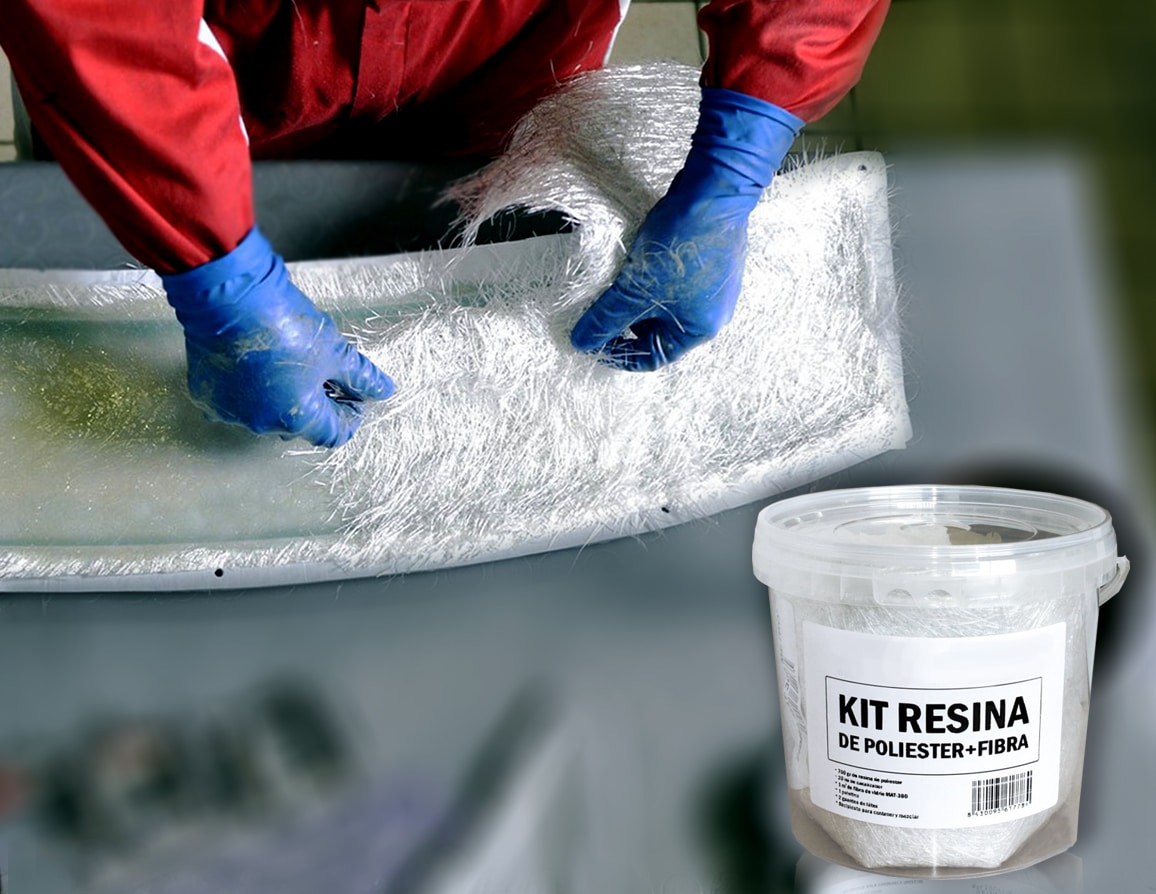
- Resin Fibreglass Repair Kit – Complete Polyester Resin and Hardener SetA complete repair kit designed for structural reinforcement with fibreglass and polyester resin, suited to various rigid surfaces.
- CROP 2K Fiberglass Putty – 750 ml + Hardener£15.85CROP 2K Fiberglass Putty is a fibreglass-reinforced polyester putty suitable for durable repairs requiring strength and resistance in line with the…
 "FixExpress" – Two-Component Epoxy Glue 500g£26.95FIX EXPRESS is a two-component epoxy glue designed for rapid, strong repairs on various materials with quick setting time.
 "Art Pro Deluxe" – Ultra-High Viscosity Epoxy Resin for ArtistsPrice range: £35.95 through £302.45"Art Pro Deluxe" is an ultra-high viscosity epoxy resin offering precise control for detailed resin art and glossy finish layers.
Frequently Asked Questions
Should I clean the area before repairing a resin shower tray?
Yes, thorough cleaning and degreasing are essential to ensure strong adhesion and a successful long-term repair.
Which repair resin should I use for cracks in a resin shower tray?
For structural cracks, use a fibreglass-reinforced polyester putty; for minor chips, a two-component epoxy glue is suitable.
Can I repair my resin shower tray myself?
Most DIYers can carry out the repair with care, the right materials, and attention to detail as outlined in this guide.
Are epoxy repairs fully waterproof for shower trays?
Yes, both epoxy glue and polyester putty form waterproof seals when cured and applied correctly.
How long does resin shower tray repair take to cure?
Curing times vary; fibreglass putties may take several hours, and epoxy resins from 5 minutes to overnight.
How do I replicate the surface texture after resin tray repair?
Apply the finishing resin with a brush or stipple gently to mimic the original texture before it fully cures.