 Free shipping on orders over £29,85
  Shipping Tracking!


 Google
 Facebook
How do you resin coat tuff?
Step-by-step guide for weatherproof, decorative resin coatings
Resin coating tuff is a practical way to reinforce surfaces, add decorative effects, and protect against weathering or abrasion. This guide explains how to achieve a smooth, resilient resin finish on tuff to maximise both longevity and appeal.
What You’ll Need
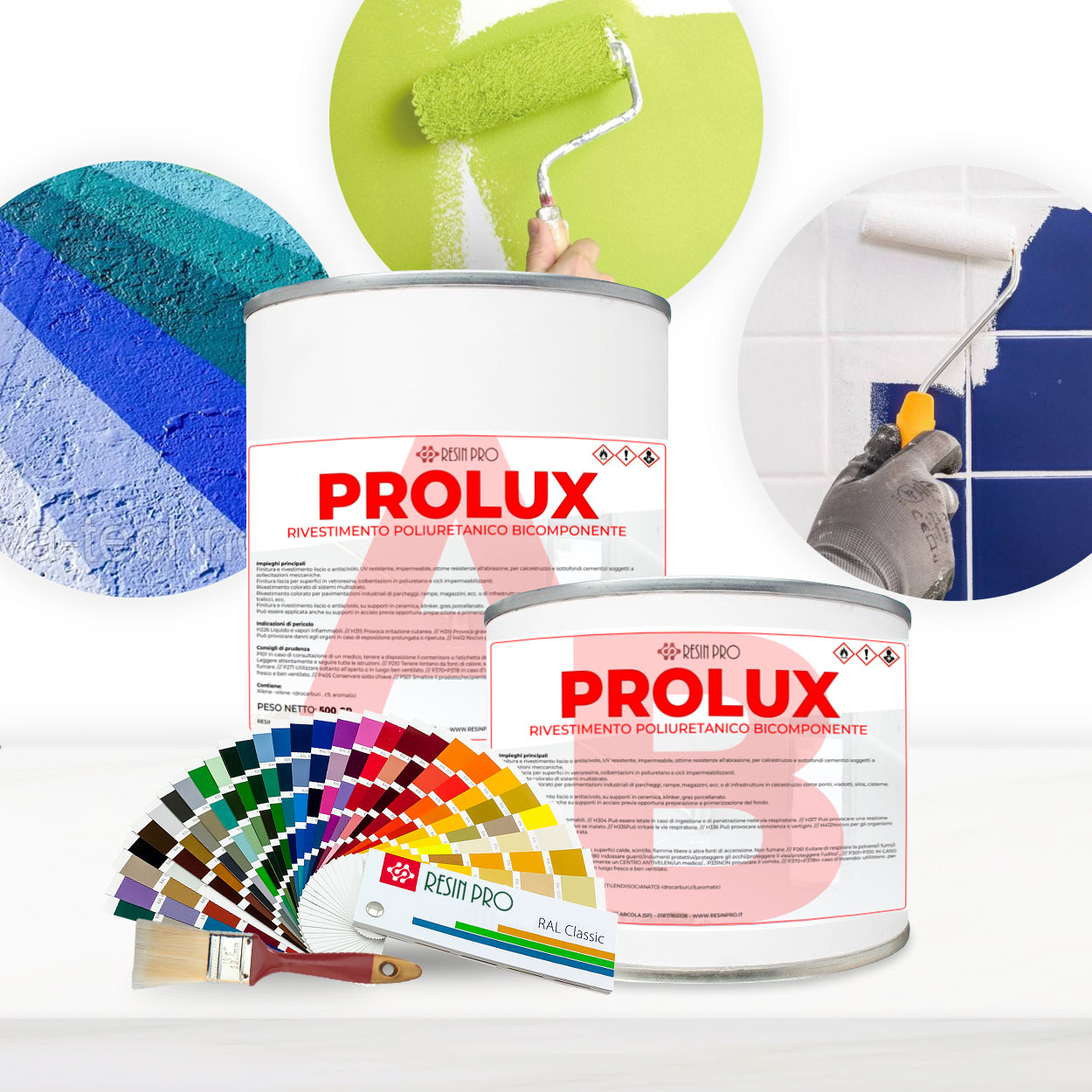
- “Prolux” – PU coating for tiles, concrete, plastic and metal – suitable for driveable surfaces: A professional two-component polyurethane coating for a durable, resilient finish on tough materials.
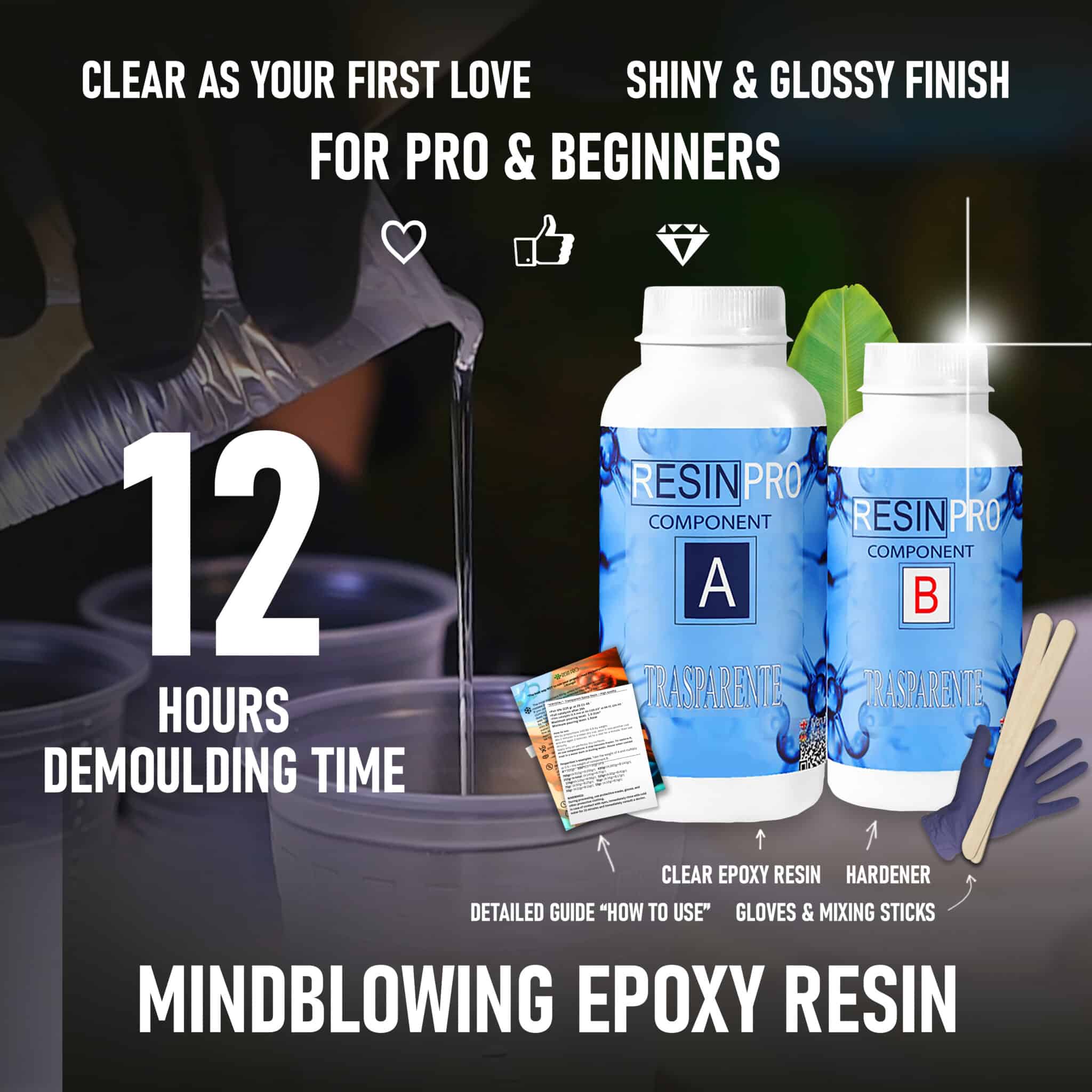
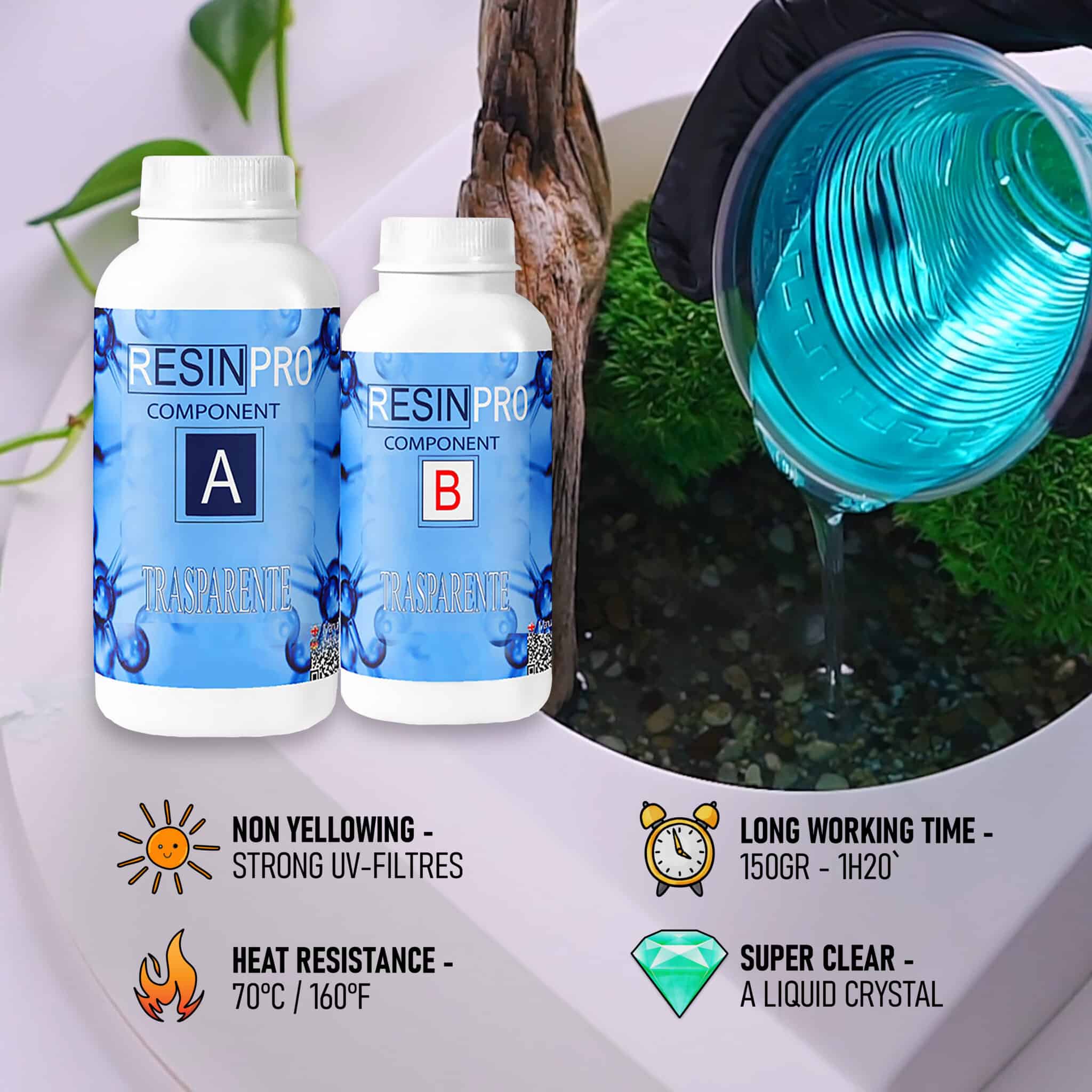
- “Trasparente” – Multipurpose Clear Epoxy Resin for Casting – Up to 2cm: For clear, scratch-resistant applications or detail work.
- “Flowstone” – Complete Permeable Floor Kit with Pebbles and Resin: Ideal for outdoor, permeable finishes if integrating aggregate with the tuff.
- “Stone Effect Collection” – Marble Epoxy Resin Countertop Kit: For decorative or marble-like stone effects on internal tuff surfaces.
- Protective gloves, eye protection, and a respirator mask (recommended for safety)
- Fine grit sandpaper or abrasive pad
- Clean cloths and mild detergent
- A mixing paddle and application tools: roller, brush, or trowel (as suited to selected resin)
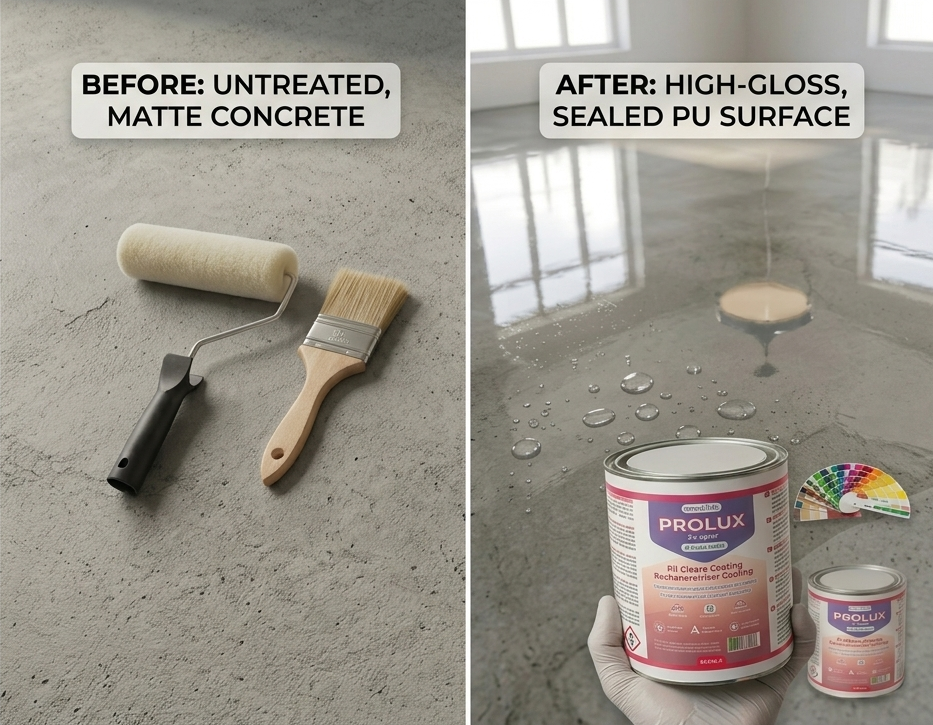
Resin Coating Visual Preparation
Visualising a clean, prepped tuff surface is crucial before resin application. Remove all dirt and loose particles to allow the resin to penetrate and bond effectively. Imagine a dry, dust-free surface ready for transformation, offering the perfect foundation for a durable finish.

Step 1: Prepare and Clean the Tuff Surface
Thorough preparation ensures strong adhesion. Begin by inspecting the tuff for any dust, grease, or debris. Use a stiff brush and mild detergent to clean the surface fully, then allow it to dry completely. If the tuff is rough or uneven, lightly sand the area with fine grit sandpaper, paying attention to corners and recesses where dirt may collect.
After sanding, wipe away all dust using a clean, damp cloth and ensure no moisture remains before you start the resin application. Any presence of moisture or contaminants can compromise adhesion and the final finish.
Step 2: Select and Mix the Appropriate Resin
Choose the right resin system for tuff. For driveable or exposed exterior surfaces, a polyurethane solution such as the “Prolux” – PU coating for tiles, concrete, plastic and metal – suitable for driveable surfaces is ideal due to its durability, UV stability, and resistance to abrasion. For interior decorative finishes or where clarity is important, consider a product like “Trasparente” – Multipurpose Clear Epoxy Resin for Casting – Up to 2cm.
Carefully follow the manufacturer’s mixing instructions, wearing gloves and eye protection. Typically, these resins require mixing two components in a specific ratio. Stir thoroughly until the mixture is homogenous, taking care not to introduce excessive air bubbles.
Step 3: Apply the Resin Evenly
Pour or brush the prepared resin onto the surface in manageable sections. Use a high-quality roller or brush for thin coats, or a notched trowel for thicker applications or when creating a pebble floor finish. For permeable or aggregate-integrated surfaces, such as with “Flowstone” – Complete Permeable Floor Kit with Pebbles and Resin, combine the resin and aggregate according to kit instructions before spreading evenly over the tuff.
Ensure even coverage, working out air bubbles as you go. On vertical or highly absorbent areas, multiple thin coats may be preferable for an even, strong finish.

Step 4: Allow to Cure and Inspect the Finish
After application, allow the resin to cure undisturbed according to product guidelines—typically between 12 and 48 hours, depending on temperature and humidity. Avoid touching or covering the surface during this period.
Once cured, check for missed spots or uneven areas. Additional coats can be applied if needed; ensure the previous layer is fully set before recoating. For decorative stone or marble effects on tuff, the “Stone Effect Collection” – Marble Epoxy Resin Countertop Kit can be used at this stage for creative finishes.
Tips and Common Mistakes to Avoid
- Thorough preparation ensures strong adhesion: Never apply resin to a dirty or damp surface.
- Choose the right resin system for tuff: Polyurethane is best for exteriors and heavy-duty traffic, while epoxy suits detailed or interior finishes.
- Avoid applying resin to damp or unclean surfaces: Presence of water or dust can result in delamination or cloudy finishes.
- Work within the recommended temperature range: Extreme cold or heat can affect curing and final appearance.
- Test a small patch before full application to verify adhesion and finish quality.
Curing and Surface Inspection
Post-application inspection and curing are essential steps. Watch for gloss, clarity, and coverage as the resin sets. Well-cured resin will show uniform texture and solid adhesion, enhancing the tuff’s resilience in all weather conditions.
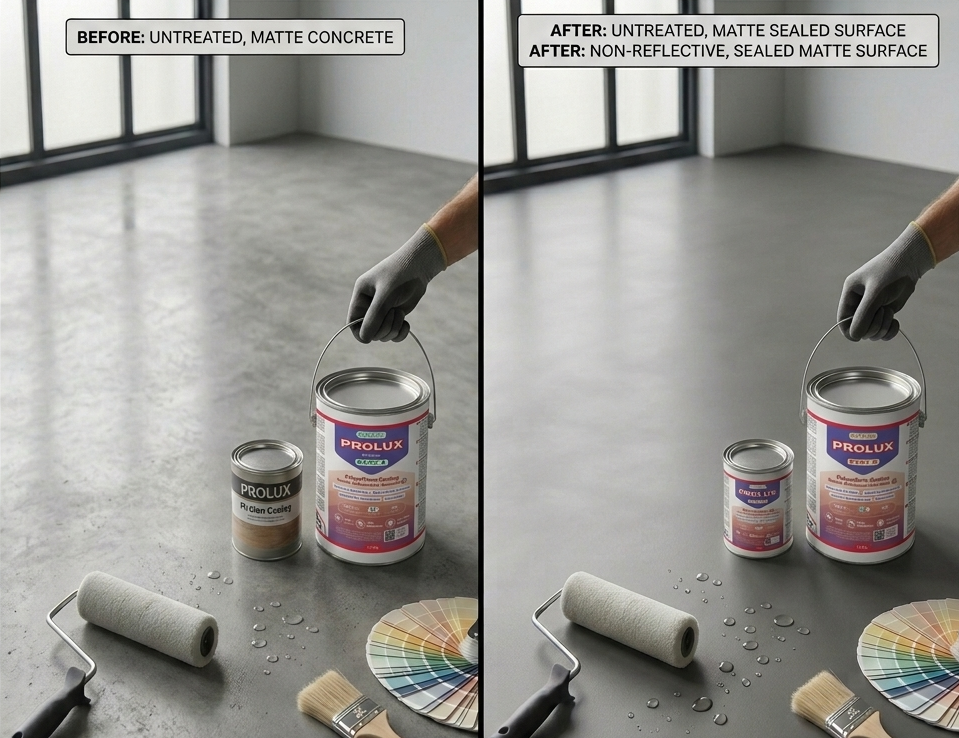
- "Prolux" – PU coating for tiles, concrete, plastic and metal – suitable for driveable surfacesPrice range: £44.85 through £494.85"Prolux" is a tough polyurethane coating suitable for multiple surfaces, including driveable areas, offering durability and a choice of finishes.
- "Trasparente" – Multipurpose Clear Epoxy Resin for Casting – Up to 2cmPrice range: £8.95 through £397.95"Trasparente" is a transparent epoxy resin suitable for layers up to 2cm, designed for various crafting and woodworking projects.
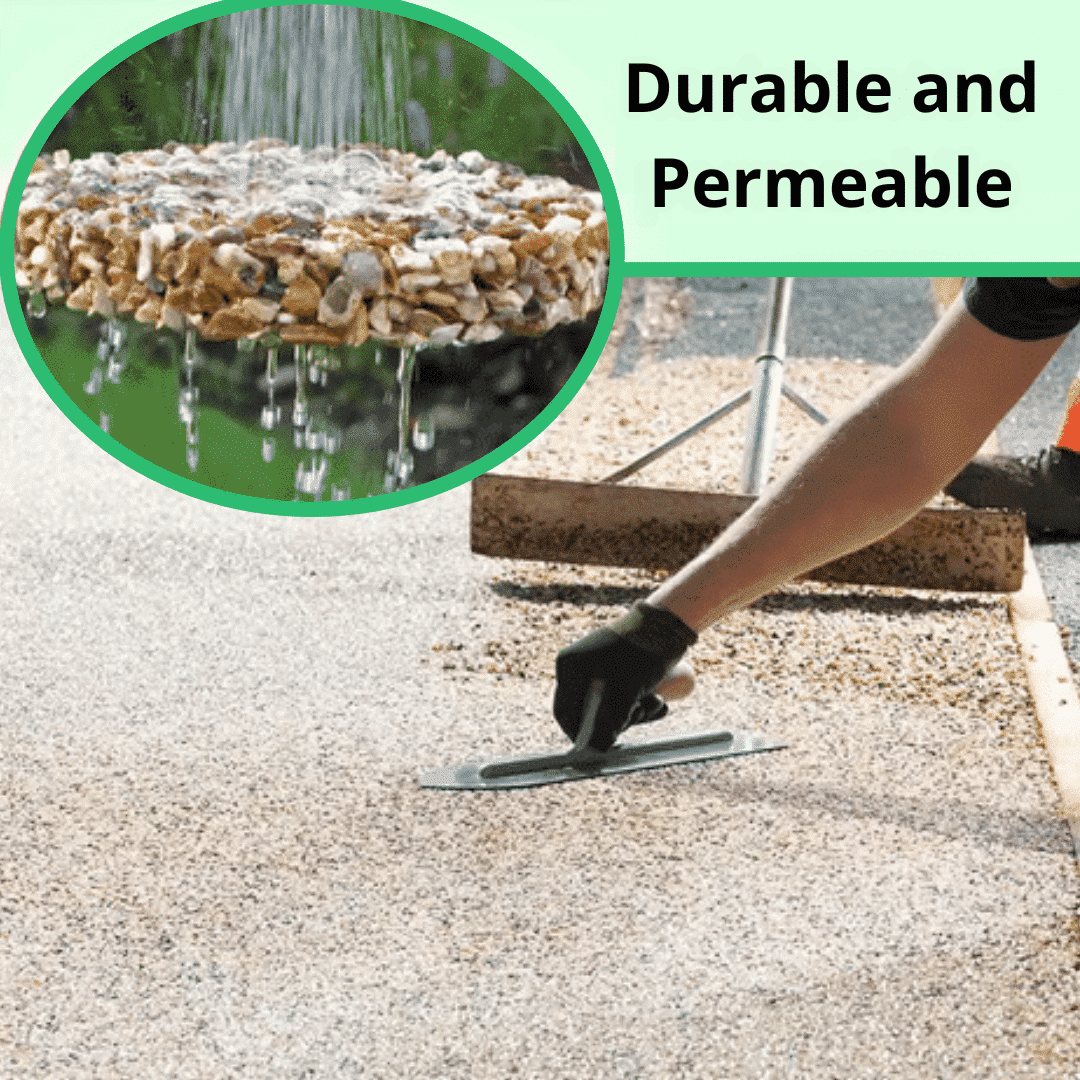 "Flowstone" – Complete Permeable Floor Kit with Pebbles and ResinPrice range: £49.95 through £3,915.45"Flowstone" kit offers a durable, permeable pebble and resin finish for outdoor spaces, with guidance for optimal application.
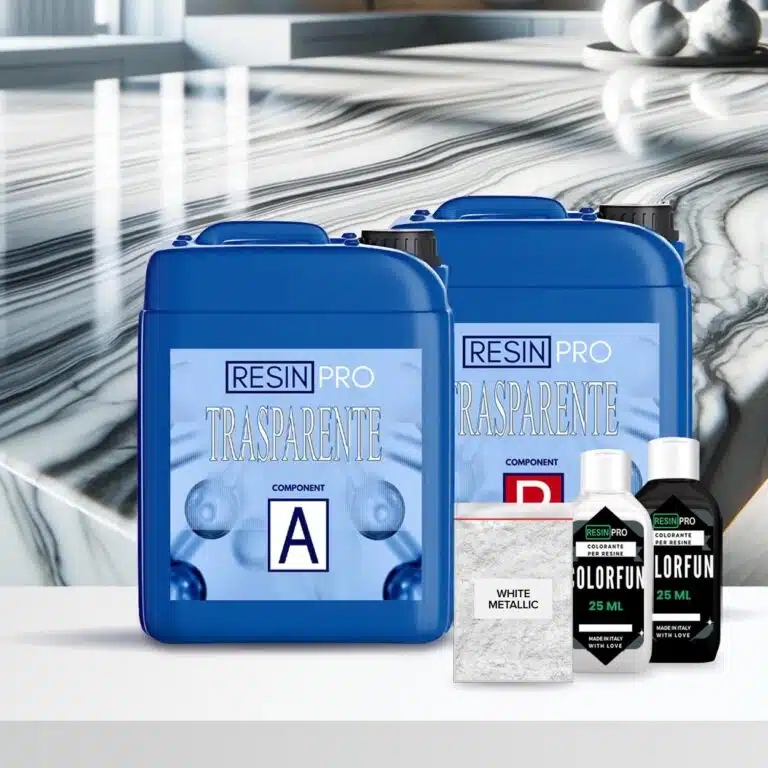 "Stone Effect Collection" – Marble Epoxy Resin Countertop KitPrice range: £57.95 through £272.95"Stone Effect Collection" offers a countertop kit designed for professional marble and stone effects suited to kitchens and bathrooms.
Frequently Asked Questions
Can I use polyurethane or epoxy resin on tuff?
Yes, both polyurethane and epoxy resins are suitable for coating tuff. Polyurethane is ideal for exteriors and driveable areas, while epoxy is suited for decorative or interior finishes.
How long does resin take to cure on tuff?
Curing times vary by product but generally range from 12 to 48 hours. Always consult the product instructions for optimal curing conditions.
Why is preparation important for resin on tuff?
Proper cleaning and preparation are vital, as dirt or moisture can prevent the resin from bonding, causing poor durability or an uneven finish.
What if my resin finish looks cloudy or peels?
This usually results from moisture, dirt, or incorrect mixing. Sand and clean the area, then reapply resin for a smooth, durable finish.
Can I achieve decorative stone effects on tuff?
Yes, using a marble or stone effect resin kit allows you to create professional-looking decorative finishes on tuff surfaces.
Is resin coating tuff weatherproof?
When applied correctly, resin forms a weatherproof, durable barrier on tuff, protecting it from water, UV exposure, and abrasion.