 Free shipping on orders over £29,85
  Shipping Tracking!


 Google
 Facebook
How do you restore a resin floor?
A practical guide for bringing resin floors back to life
If your resin floor has lost its lustre, is showing wear or minor damage, or needs an update before re-coating, restoring it can breathe new life into both residential and commercial spaces. This guide takes you step-by-step through the restoration process, helping you achieve a hardwearing, glossy finish that lasts.
What You’ll Need
Before you begin, ensure you have the essential materials for a successful restoration:
- “Epoxyprimer” – Universal Water-Based Two-Component Epoxy Floor Primer: A reliable water-based primer for substrate preparation and enhanced adhesion.
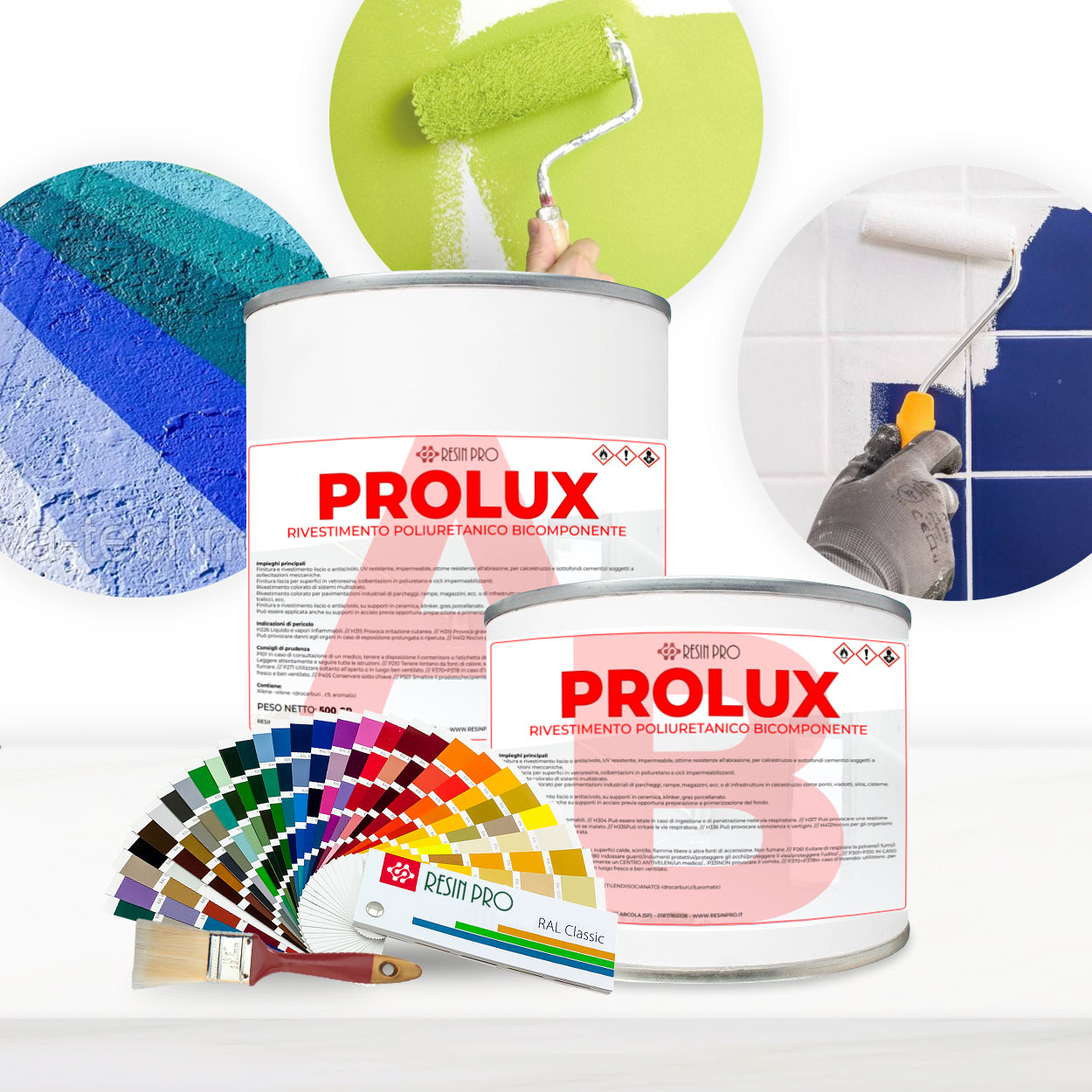
- “Prolux” – PU coating for tiles, concrete, plastic and metal – suitable for driveable surfaces: A durable, UV-resistant topcoat perfect for high-traffic areas or where added chemical resistance is needed.
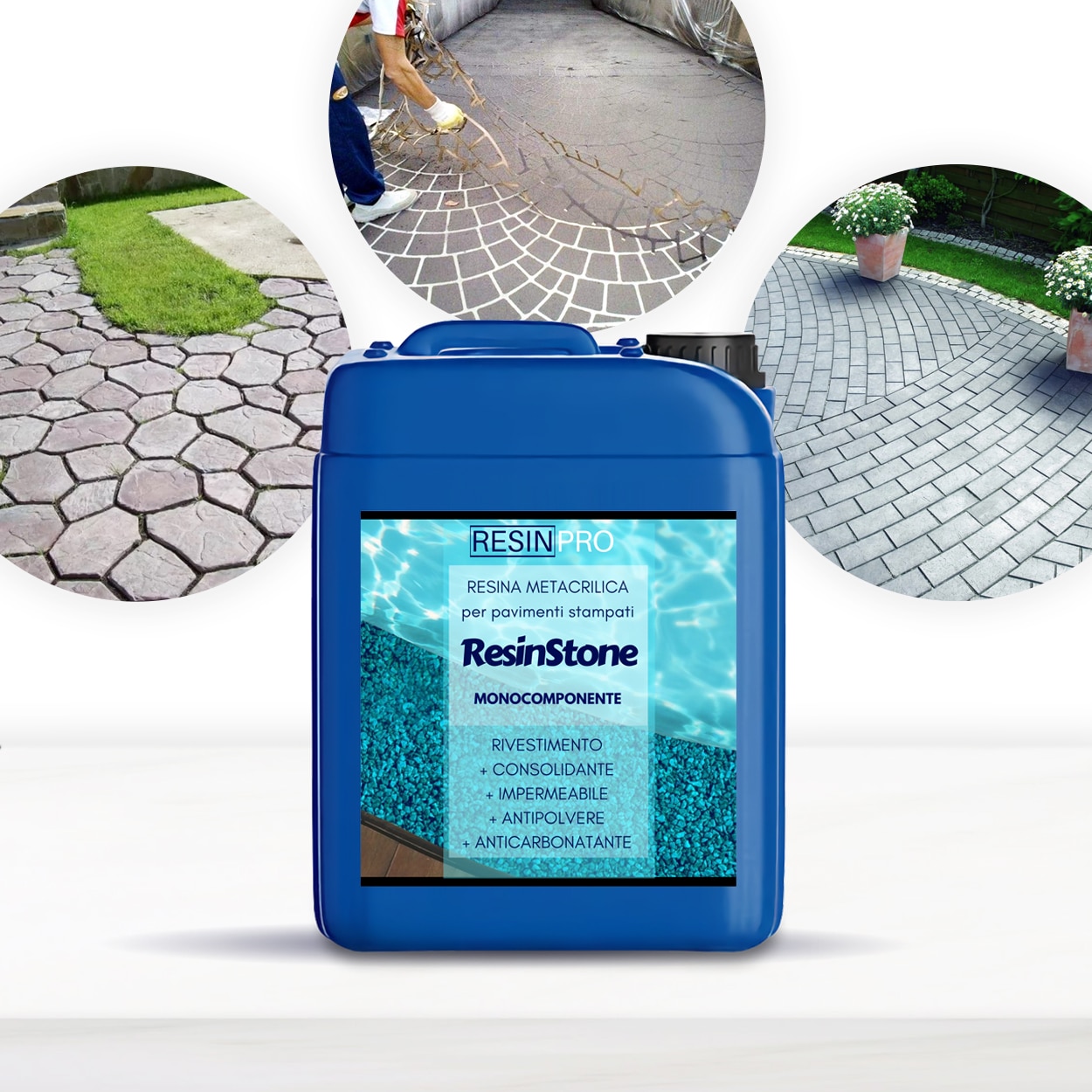
- “Resinstone” – One-Component Methacrylic Resin for Concrete Floors and Driveways: For outdoor or concrete-based floors needing additional sealing and protection.
- “Epoxy Polish” – Epoxy Resin Polishing System: Brings back the shine and removes surface scratches for a professional gloss finish.
Other requirements: cleaning supplies, sander or abrasive pads, protective gloves, mixing tools, and application rollers or brushes.

See Resin Floor Restoration in Action
Explore our gallery to visualise every stage of resin floor restoration—from cleaning and priming through to the final polished finish. See the transformation possible with careful preparation, quality products, and the right application techniques.
Step 1: Assess and Prepare the Surface
Begin by thoroughly examining the resin floor’s surface. Identify any cracks, chips, or areas with significant scratching or dullness. Clean the entire floor thoroughly, removing dust, grease, and any debris to ensure the next steps achieve long-lasting results. For stubborn stains, consider a gentle detergent; avoid harsh chemicals that may react with the existing resin.
If the floor is heavily scratched or uneven, mechanical sanding with a suitable pad will help prepare a uniform surface. Wipe away all residue after sanding to provide a bond-ready base for further treatment. Take precautions for ventilation and personal protection, especially during sanding or cleaning.
Step 2: Prime and Repair the Floor
For floors with bare patches or exposed substrate, priming is essential. Apply a suitable water-based primer to improve the adhesion of your subsequent coatings and reduce the risk of peeling or lifting. Allow the primer to fully cure, respecting the manufacturer’s recommended times for best results.
If your restoration calls for a specialised primer, “Epoxyprimer” – Universal Water-Based Two-Component Epoxy Floor Primer is ideal—especially on concrete, tiles, wood, or screed. Its eco-friendly, odourless formula creates reliable adhesion for the next layer and is compatible with a wide variety of indoor surfaces.
Step 3: Apply the Resin or Topcoat
Once the surface is properly primed and repaired, you may proceed to apply your finishing coat to protect and revive the floor’s appearance. Choose the right product for your setting—indoor, outdoor, high-traffic, or decorative areas all have different needs.
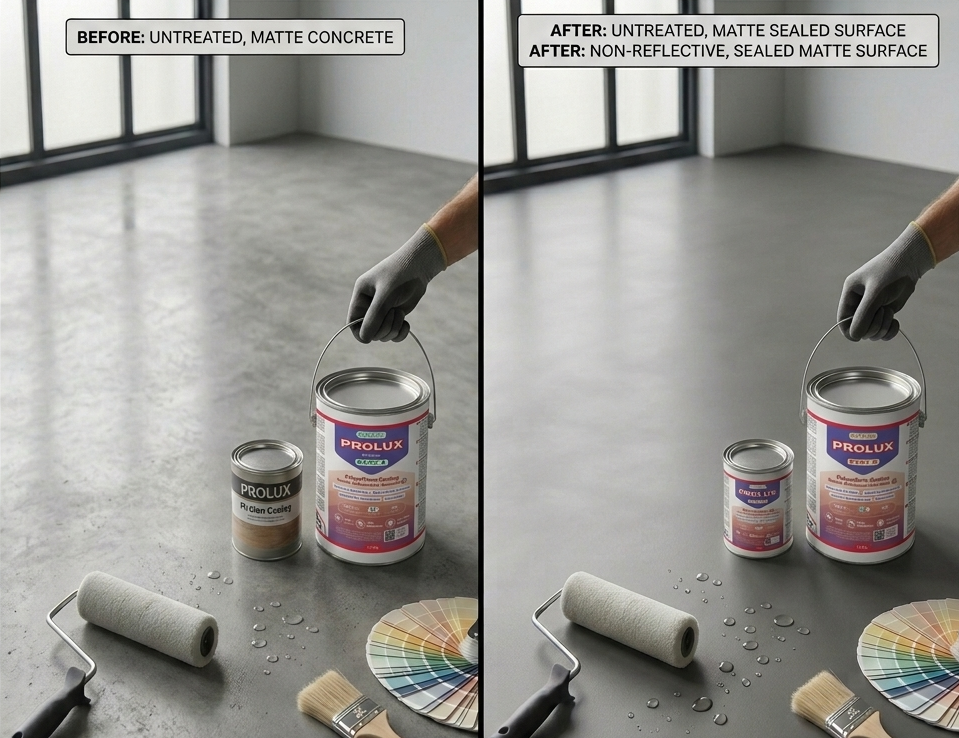
For driveable surfaces, workshops, or spaces exposed to UV and weathering, “Prolux” – PU coating for tiles, concrete, plastic and metal – suitable for driveable surfaces offers a robust polyurethane shield, prolonging lifespan and enhancing resistance to abrasion and chemicals. For concrete driveways or exterior resin floors, “Resinstone” – One-Component Methacrylic Resin for Concrete Floors and Driveways delivers moisture-blocking, UV-stable protection with quick drying properties.
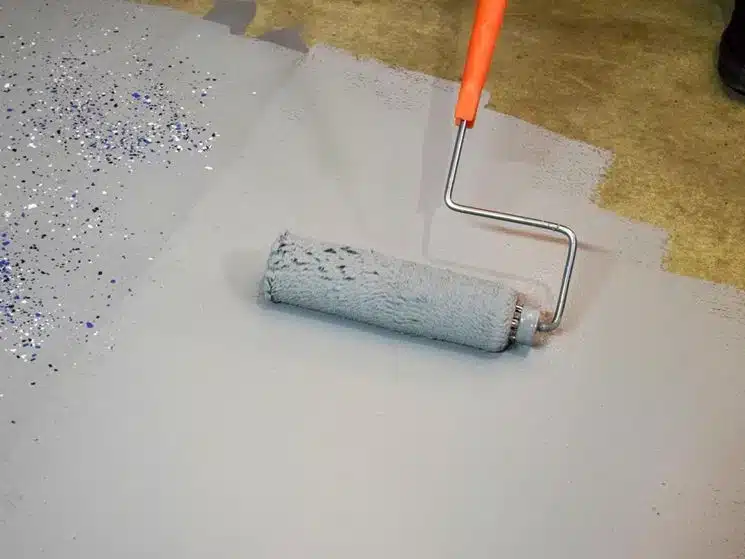
Apply your chosen resin or coating evenly with a roller or brush, taking care to avoid pooling or streaking. Respect cure times carefully before allowing traffic or carrying out the next stage of restoration.
Step 4: Polish and Restore Gloss
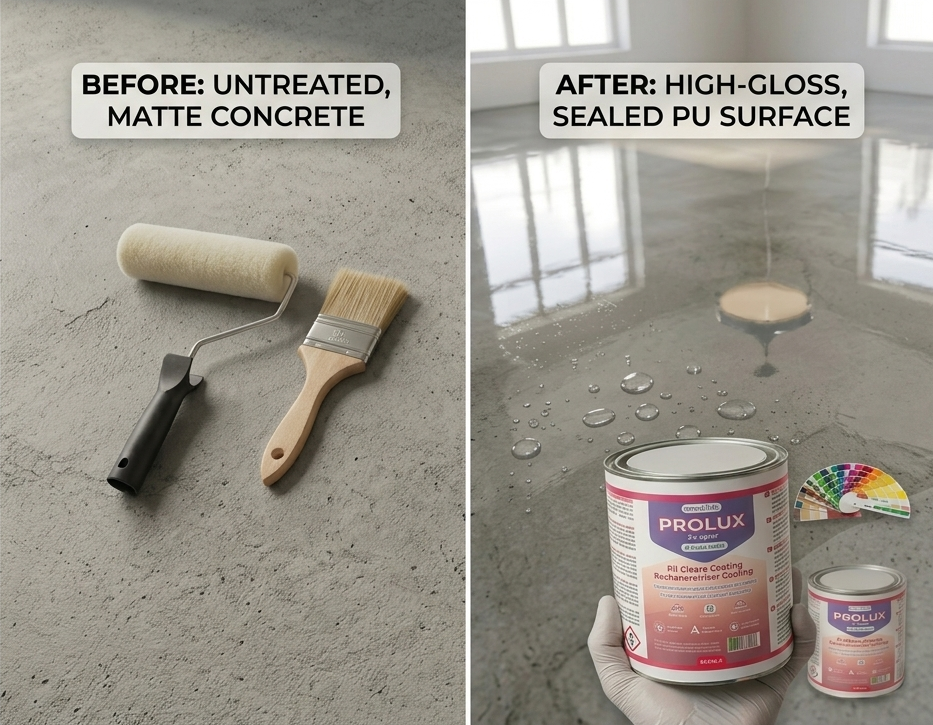
After full curing, inspect the floor for any minor imperfections or dullness. To achieve a stunning finish, polishing can make all the difference. Begin with fine abrasive pads if needed and follow with a high-quality polish suitable for epoxy or resin.
For a professional-grade glossy finish, “Epoxy Polish” – Epoxy Resin Polishing System removes micro-scratches and restores depth of shine. Apply with a rotary polisher or hand pad for best results, working systematically over the floor. Always use microfibre cloths to remove excess and avoid swirls or holograms.
Tips and Troubleshooting for Resin Floor Restoration
Always prioritise thorough surface preparation—skipping cleaning or sanding can lead to adhesion problems. It’s vital to observe all curing times for primers, resins, and topcoats to prevent defects. If you encounter cloudy finishes after polishing, ensure that you’re fully working the polish into the surface and using appropriate tools.
For complex issues or large floor areas, professional advice may be beneficial. Small touch-ups require patience and precision, while full refurbishments benefit from a methodical, step-by-step approach.
Expert Advice for Perfect Results
For the best outcome, ensure each product is used as recommended for your specific floor type. Detailed instructions and support are available for every restoration step—don’t hesitate to seek guidance for unique surfaces or challenging repairs.

- "Epoxyprimer" – Universal Water-Based Two-Component Epoxy Floor PrimerPrice range: £156.45 through £286.45Epoxyprimer is a water-based epoxy floor primer suitable for professionals, artists, and DIYers aiming for consistent adhesion and durability.
- "Prolux" – PU coating for tiles, concrete, plastic and metal – suitable for driveable surfacesPrice range: £44.85 through £494.85"Prolux" coating provides a tough polyurethane finish suitable for restoring floors on multiple surfaces including tiles and concrete.
- "Resinstone" – One-Component Methacrylic Resin for Concrete Floors and DrivewaysPrice range: £36.71 through £336.48Resinstone is a one-component methacrylic resin designed for sealing and protecting concrete floors and driveways.
 "Epoxy Polish" – Epoxy Resin Polishing SystemPrice range: £18.95 through £47.45Epoxy Polish is a resin polishing system suitable for restoring a glossy finish on various surfaces including resin and plastics.
Frequently Asked Questions
Can you restore old or worn resin floors?
Yes, with proper cleaning, priming, and re-coating, most resin floors can be effectively restored to a like-new finish.
How long should I wait before applying a new resin or topcoat?
Always allow primers and previous coats to cure fully, typically 24-48 hours, depending on product instructions.
Do I need to sand my resin floor before priming or repair?
Light sanding is recommended to ensure a clean, roughened surface for enhanced adhesion of primers and coatings.
Which products should I use to repair or restore a resin floor?
Use a suitable primer, a resin or PU topcoat based on your surface, and a dedicated polish for the final gloss.
Can resin floors be polished to restore shine?
Yes, specialised resin polishes and buffing tools can restore gloss and remove minor scratches for brilliant results.
Is resin floor restoration suitable for DIY or only professionals?
Many steps are accessible for capable DIYers, but large or commercial projects may benefit from professional expertise.