 Free shipping on orders over £29,85
  Shipping Tracking!


 Google
 Facebook
How do you spread self-leveling two-component epoxy resin?
Achieve a flawless, glass-like finish with professional spreading tips.


Spreading self-levelling two-component epoxy resin correctly is key to achieving a beautifully even, durable surface—whether you’re working on artwork, a tabletop, or a decorative piece. This guide walks you through reliable methods used by both professionals and hobbyists, so your resin coat turns out smooth, free from bubbles, and perfectly level every time.
What You’ll Need
- “Art Pro” – Clear Epoxy Resin for Artists and Surface Coating
- “Liquidissima” – Epoxy Resin For Creations & Jewellery
- Tooth Shaped Spatula for Epoxy Resin Application
- Resin & Paint Application Rollers – Short-Pile, Large, and Sponge Types
- Protective gloves and suitable mixing containers
- Level working surface

Step 1: Prepare Your Surface and Work Area
Effective resin spreading starts with the right environment. Clear your workspace and ensure the surface is completely clean, dry, and dust-free. Any grease, debris, or moisture may prevent adhesion and lead to imperfections. It is useful to set up a protective barrier along the edges of your project to catch any drips. Make sure your project surface is as level as possible to allow the self-levelling properties of the resin to work optimally. Work in a well-ventilated area, wearing gloves for safety, as epoxy components can be irritants before they cure.

Step 2: Mix the Epoxy Resin Thoroughly
Always mix your epoxy resin and hardener thoroughly and according to the manufacturer’s instructions. Measure by volume or weight, ensuring you use the correct ratios—many resin systems, such as “Art Pro” or Liquidissima, require exact quantities for reliable self-levelling behaviour. Take your time to scrape the sides and base of your mixing container, stirring slowly to avoid introducing air bubbles. Once fully blended, use your mix immediately within the product’s working time to prevent premature thickening.
Step 3: Pour and Spread Evenly
Pour your mixed resin in the centre of your surface and allow it to naturally flow outward. For wide surfaces or tables, a Tooth Shaped Spatula for Epoxy Resin Application with a notched edge is ideal for quickly distributing the resin in uniform layers. Use gentle, broad strokes to help the resin cover the area without overworking it. For fine art, jewellery bases, or smaller flat surfaces, you can use a short-pile or sponge resin application roller to achieve detailed coverage along edges and corners. These rollers are designed to aid even spread without disturbing the self-levelling process, supporting a flawless glass-like finish.
Avoid overworking the resin while spreading as this can trap air bubbles or disrupt the self-levelling process. Allow the resin to settle and let gravity do most of the work—it will level itself given enough time.
Step 4: Monitor and Finish the Layer
Check your layer over the first few minutes for any missed spots or surface bubbles. If bubbles appear, use a heat gun or blowtorch briefly and carefully to pop them—taking care not to overheat or push the resin. Do not disturb the project during curing. Keep the area dust-free until the resin sets fully, following the cure time recommended (often 12–24 hours for systems like “Art Pro”). Only move or touch the surface once the resin has hardened to avoid marks or imprints.

Tips and Common Mistakes to Avoid
Self-leveling epoxy resins flow to fill minor imperfections for an ultra-smooth finish, but preparation is vital—uneven tables or contaminated surfaces undermine results. Don’t mix batches too quickly as this traps air, and never shortcut the mixing step. Wait until the end of your working time before worrying about minor lumps; many resolve themselves as the resin settles.
Visualise a Flawless Resin Finish
Visual cues can help set expectations. Notice how the self-levelling action creates a perfectly smooth, bubble-free coat on well-prepared projects—demonstrating the importance of technique along with the right products.

- Resin & Paint Application Rollers – Short-Pile, Large, and Sponge TypesPrice range: £3.62 through £5.09Rollers designed for epoxy resin applications, suitable for precise and uniform spreading on resin surfaces.
- Tooth Shaped Spatula for Epoxy Resin Application£3.45The Tooth Shaped Spatula enables precise and even resin application on various surfaces suitable for spreading epoxy resin.
- "Art Pro" – Clear Epoxy Resin for Artists and Surface CoatingPrice range: £19.95 through £267.95"Art Pro" clear epoxy resin provides a durable, non-toxic coating with exceptional clarity and UV protection, suited for artists and surface coatings.
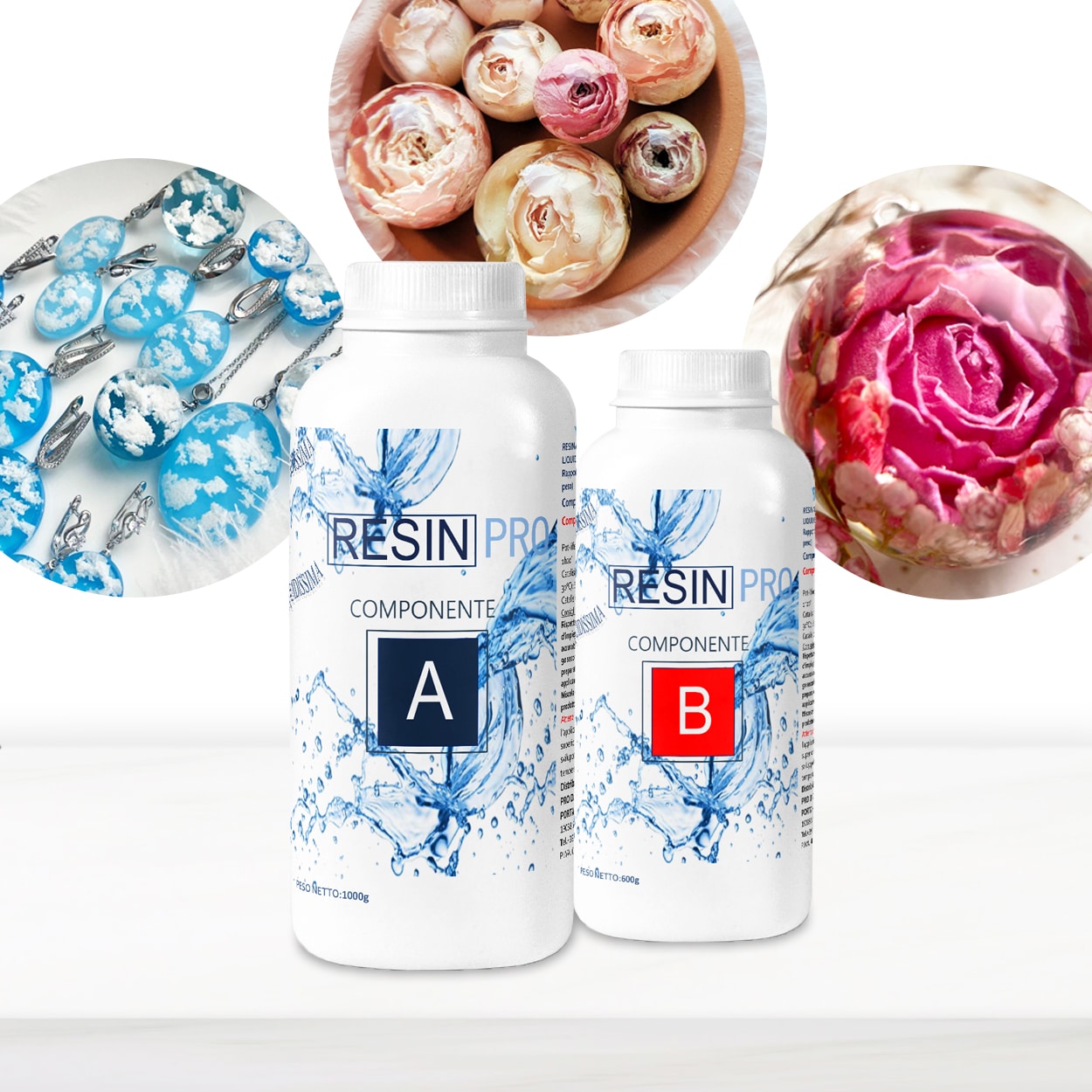 "Liquidissima" – Epoxy Resin For Creations & JewelleryPrice range: £12.85 through £31.85Liquidissima offers a self-levelling, clear finish suitable for detailed jewellery and creative moulds.
Frequently Asked Questions
Can I spread epoxy resin without bubbles?
Yes, correct mixing and spreading techniques plus careful use of a heat gun will help you achieve a bubble-free surface.
Which tool should I choose for an even epoxy spread?
A notched spatula is best for larger surfaces, while short-pile or sponge rollers excel with edges and smaller details.
How do I avoid an uneven epoxy resin layer?
Ensure your surface is perfectly level and distribute resin evenly. Allow the resin to self-level without further disturbance.
Do I need to prime the surface before resin?
For porous surfaces, priming prevents bubbles and unwanted absorption into the substrate, ensuring a flawless finish.
How much time do I have to work with epoxy resin?
You typically have between 20 to 40 minutes. Refer to your resin’s technical data for specific open working time.
How do I clean rollers and spatulas after resin work?
Clean tools promptly with isopropyl alcohol or acetone before the resin cures to prevent permanent sticking.