 Free shipping on orders over £29,85
  Shipping Tracking!


 Google
 Facebook
How Do You Use Epoxy Glue?
Step-by-step guide for strong, reliable adhesive bonds


Epoxy glue is a versatile adhesive suitable for a huge range of repairs and projects, from DIY fixes at home to professional restoration on wood, ceramics, metal and more. This guide explains, step by step, how to use epoxy glue for strong, long-lasting results—whether you’re new to adhesives or aiming for a flawless finish in challenging repair scenarios.
What You’ll Need
- “Klebfix” – Two-Component Fast Epoxy Glue 2K, 25g Syringe – A fast-setting two-part adhesive suitable for most household and workshop repairs
- “FixExpress” – Two-Component Epoxy Glue 500g – Large-batch jobs or projects needing rapid, robust bonds
- “Mixer Nozzle” – For Mixing Epoxy Glue, 50ml, Araldite 2000 Series Compatible – For effortless and consistent 2K mixing via compatible cartridges
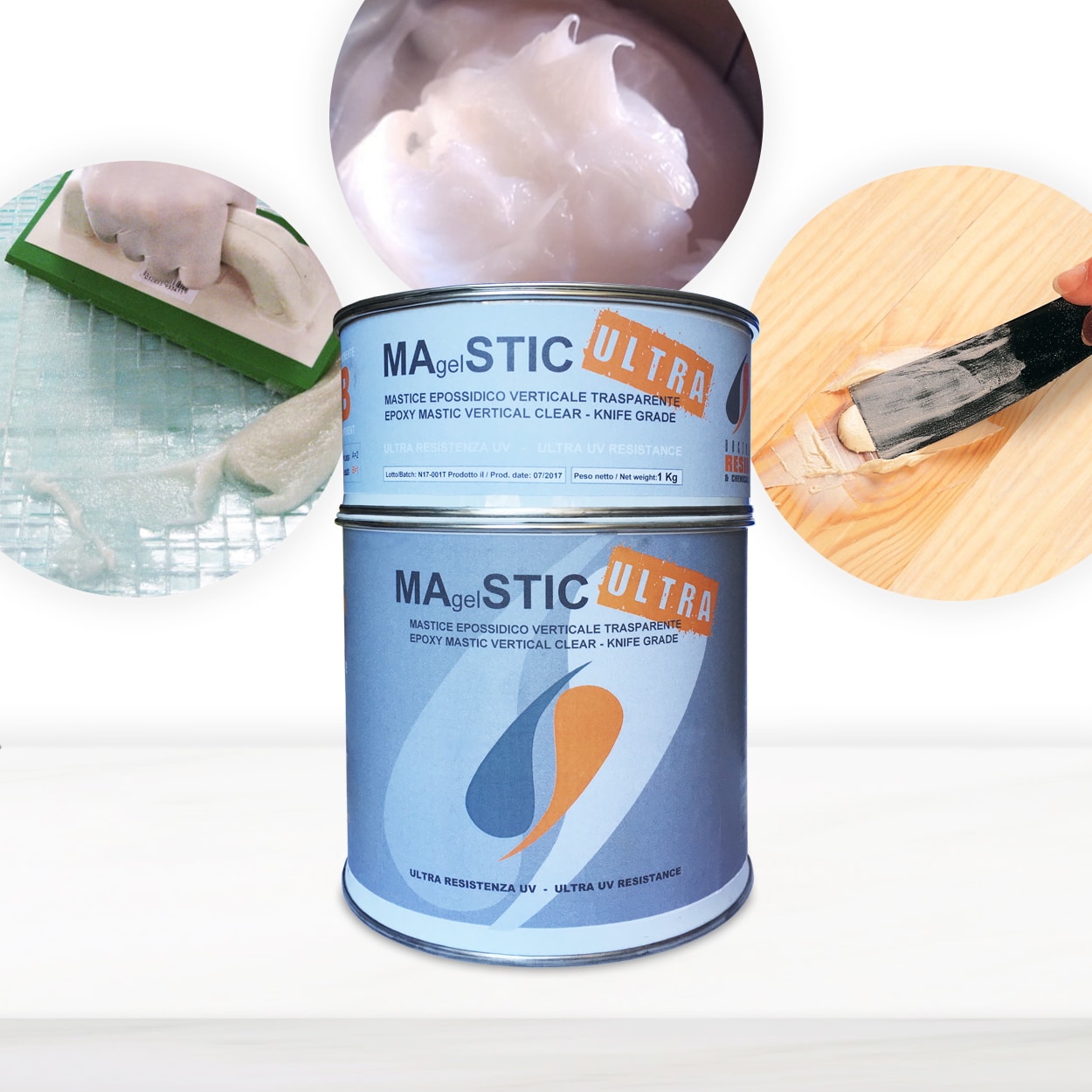
- “Magelstick” – Epoxy Mastic for Stone, Metal, and Cement Bonding and Grouting – For repairs on stone, cement and vertical applications requiring high mechanical strength
- Disposable gloves and eye protection
- Mixing tray or surface (unless self-mixing syringe/nozzle used)
- Spatula, stick or mixing tool
- Clean cloth and solvent (e.g. acetone) for degreasing
- Clamps or tape (if needed to hold parts in position)

Essential Tools for Epoxy Gluing Success
Choose the right epoxy and accessories for your task—smaller syringes suit quick fixes, while larger packs tackle broad repair jobs. A mixer nozzle ensures a perfect blend each time, while gloves and surface cleaners help keep your workspace safe and contaminant-free.

Step 1: Prepare the Surfaces for Bonding
For the strongest adhesion, start by ensuring both surfaces to be joined are completely clean, dry and free of dust, grease, oils or old adhesive. Lightly sand smooth, shiny, or non-porous materials such as plastics and metals to roughen the bonding area—this helps the epoxy penetrate and grip better. After sanding, thoroughly remove all dust and debris. For especially tough greasy residues, wipe down with a degreasing solvent and allow to evaporate fully.
Always follow the manufacturer’s mixing and safety instructions before opening any adhesive or solvent. Adequate preparation here prevents future bond failure and ensures your effort pays off.
Step 2: Measure and Mix the Epoxy Glue
Epoxy glue comes in two components—resin and hardener—which must be combined in a precise ratio, usually 1:1 by both weight and volume. Dispense the required amount from each side of a twin-syringe ( “Klebfix” – Two-Component Fast Epoxy Glue 2K, 25g Syringe and “FixExpress” – Two-Component Epoxy Glue 500g feature precise dosing), or use a compatible cartridge with a “Mixer Nozzle” – For Mixing Epoxy Glue, 50ml, Araldite 2000 Series Compatible for automatic mixing. If mixing by hand, blend thoroughly with a spatula until the mixture is a uniform colour without streaks.
Freshly mixed epoxy glue achieves the best bond, so be ready to apply immediately. Work quickly, as the pot life (usable time before it begins to set) may be as short as 2–5 minutes for fast-setting formulas.
Step 3: Apply the Epoxy and Assemble the Joint
Spread the mixed epoxy glue evenly onto one or both prepared surfaces, using a spatula or application tool. For intricate repairs on stone, metal or cement surfaces, a specialist mastic like “Magelstick” – Epoxy Mastic for Stone, Metal, and Cement Bonding and Grouting can provide superior gap-filling and vertical hold. Carefully press the parts together, ensuring correct alignment. Maintain firm contact; if necessary, use clamps or strong tape to hold pieces in place during curing.
Take care to avoid excess glue squeezing out—clean up spills or smears promptly with a cloth and solvent before the adhesive hardens. Avoid disturbing the repair while the epoxy sets.

Step 4: Allow Full Curing Before Use
Refer to the product instructions for exact set and cure times. Many fast-setting epoxy glues achieve initial strength in 5 minutes, but best bonding and full mechanical strength typically require several hours. Keep the joint undisturbed during this period. If repairing items exposed to water, heat or heavy use, wait until the full cure time has elapsed before returning to service.
Do not overload the joint before the epoxy has cured—early stress can weaken or break the new bond.
Tips and Common Mistakes When Using Epoxy Glue
- Store unused epoxy components with caps sealed tightly and in a cool, dry place.
- Mix only as much as you can use within the working time to avoid waste.
- If the adhesive doesn’t set properly, it could be due to improper mixing or incorrect proportions.
- Epoxy glue isn’t ideal for filling large gaps that exceed the manufacturer’s recommendations—ensure tight-fitting joints for best results.
- Test compatibility and adhesion on a small area first if unsure how certain surfaces will react.
Visual Guide: Real-Life Epoxy Glue Repairs
Wondering what a quality epoxy join looks like? See real project results on wood, stone, and metal with the correct technique and adhesive for each surface. Pay attention to neat application lines, minimal residue, and complete adhesion—hallmarks of a job well done.

- "Klebfix" – Two-Component Fast Epoxy Glue 2K, 25g Syringe£24.00"Klebfix" Two-Component Fast Epoxy Glue is designed for professional bonding of plastic, glass, metal and wood with a 5-minute set time.
- "FixExpress" – Two-Component Epoxy Glue 500g£26.95FIX EXPRESS epoxy glue sets rapidly and provides strong adhesion for various materials, suitable for repairs aligned with How Do You Use Epoxy Glue?…
- "Mixer Nozzle" – For Mixing Epoxy Glue, 50ml, Araldite 2000 Series Compatible£1.52This mixer nozzle is designed for 50ml Araldite 2000 series epoxy glue cartridges within the theme of how to use epoxy glue.
- "Magelstick" – Epoxy Mastic for Stone, Metal, and Cement Bonding and Grouting"Magelstick" Epoxy Mastic is a bi-component putty designed for bonding and grouting stone, metal, and cement surfaces as part of epoxy glue use.
Frequently Asked Questions
What is the correct mixing ratio and working time for epoxy glue?
Most two-component epoxies require a 1:1 mixture by weight or volume. Once mixed, apply within a few minutes for best results.
How should I prepare surfaces before using epoxy glue?
Clean, dry, and lightly sand both surfaces to ensure maximum adhesion. Remove all dust and grease before gluing.
Do I need to clamp parts when using epoxy glue?
Clamping helps ensure full contact and alignment during curing, especially for larger or heavier components.
What materials can I reliably bond with epoxy glue?
Epoxy glue works on wood, metal, ceramics, stone, some plastics, and glass. Always test first on unfamiliar surfaces.
How long does epoxy glue take to cure fully?
Fast-setting epoxies reach handling strength in 5 minutes, but full curing for maximum strength can take several hours.
Is epoxy glue waterproof and heat-resistant?
Yes, most quality epoxy glues are waterproof and withstand moderate heat once fully cured.