 Free shipping on orders over £29,85
  Shipping Tracking!


 Google
 Facebook
← Back to How do you use resin on a car body?

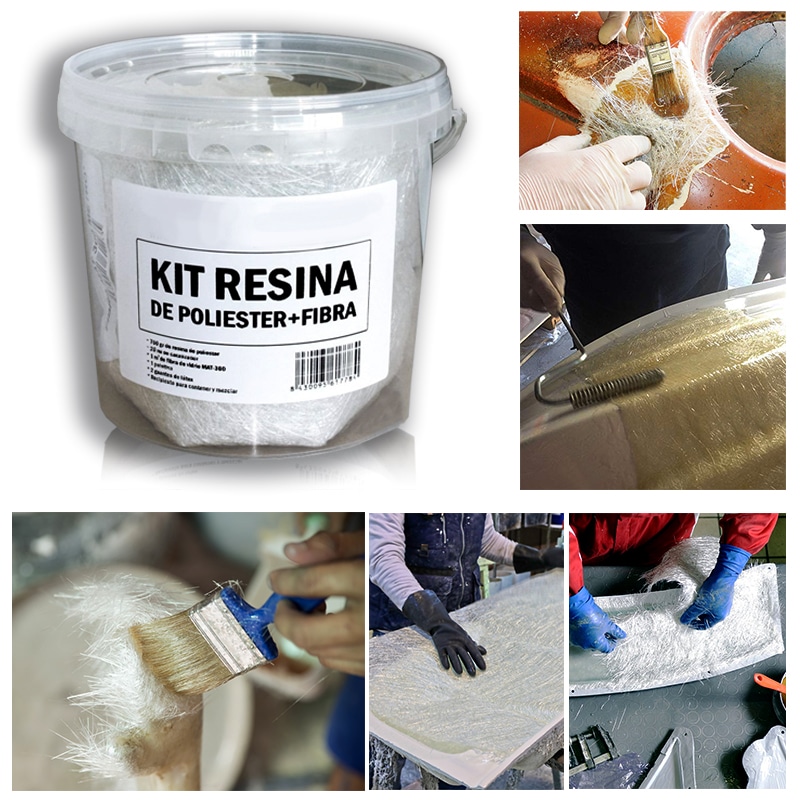
Applying resin and reinforcement materials correctly is essential for achieving strong, lasting repairs on a car body. Methodical preparation and consistency help ensure a professional finish and robust results.
Step-by-Step Surface Preparation
Begin by thoroughly cleaning the area to remove contaminants such as dust, grease, and paint flakes. Sand the surface lightly to create a rough profile that ensures strong adhesion. Wipe the area with a solvent and let it dry completely before proceeding.
- Make sure damaged sections are cut away cleanly.
- Protect surrounding areas with masking tape or sheeting.
Applying Resin and Reinforcing Fibreglass
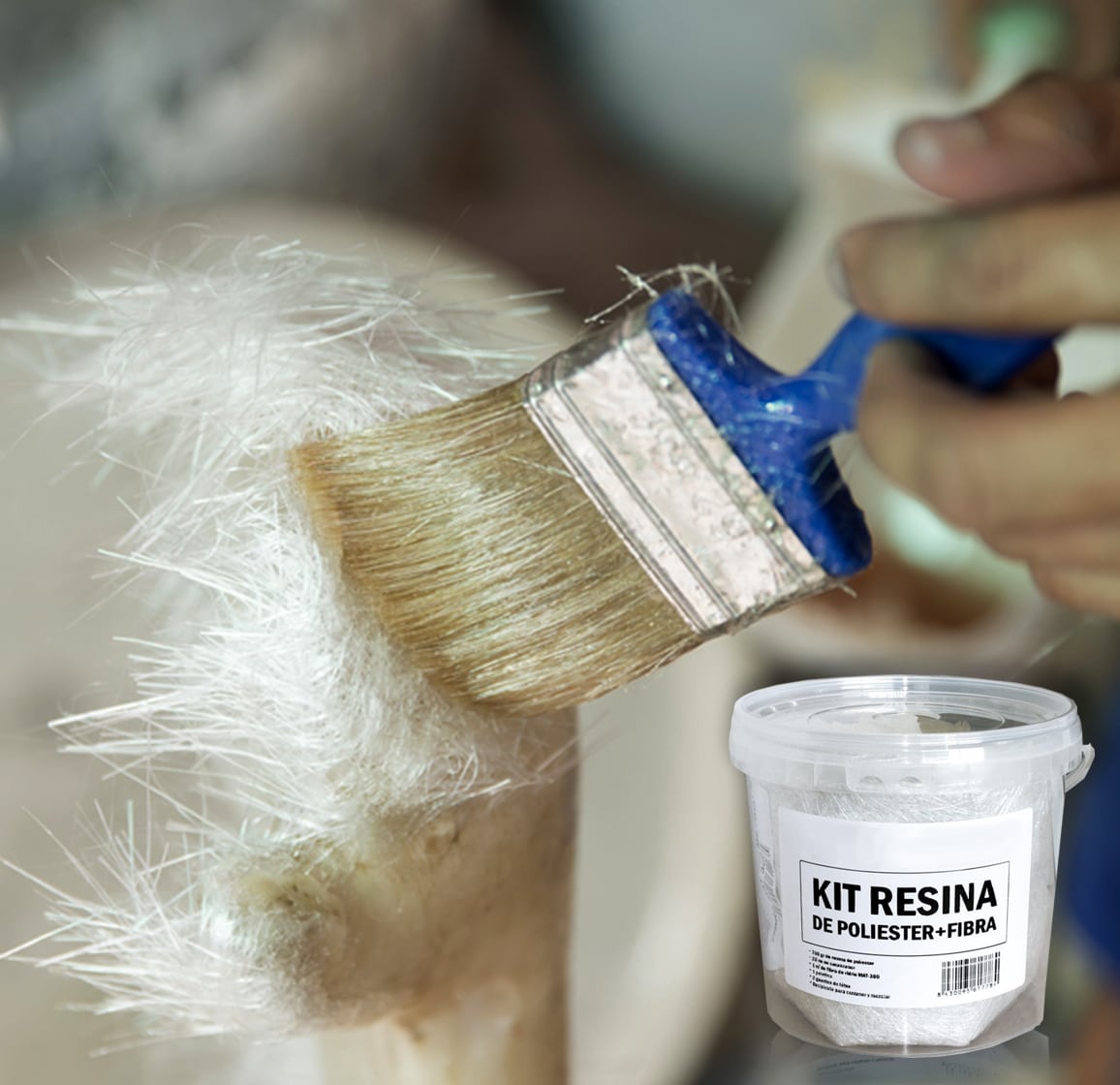
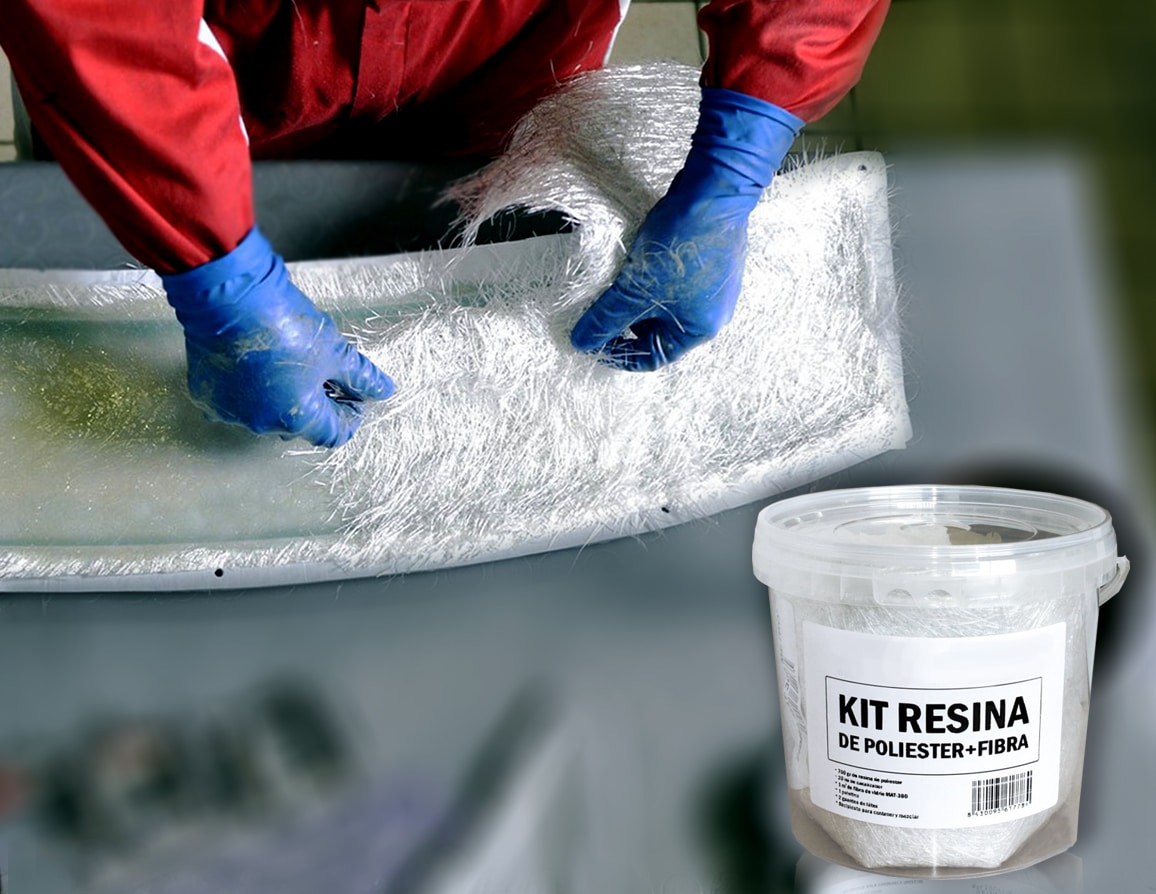
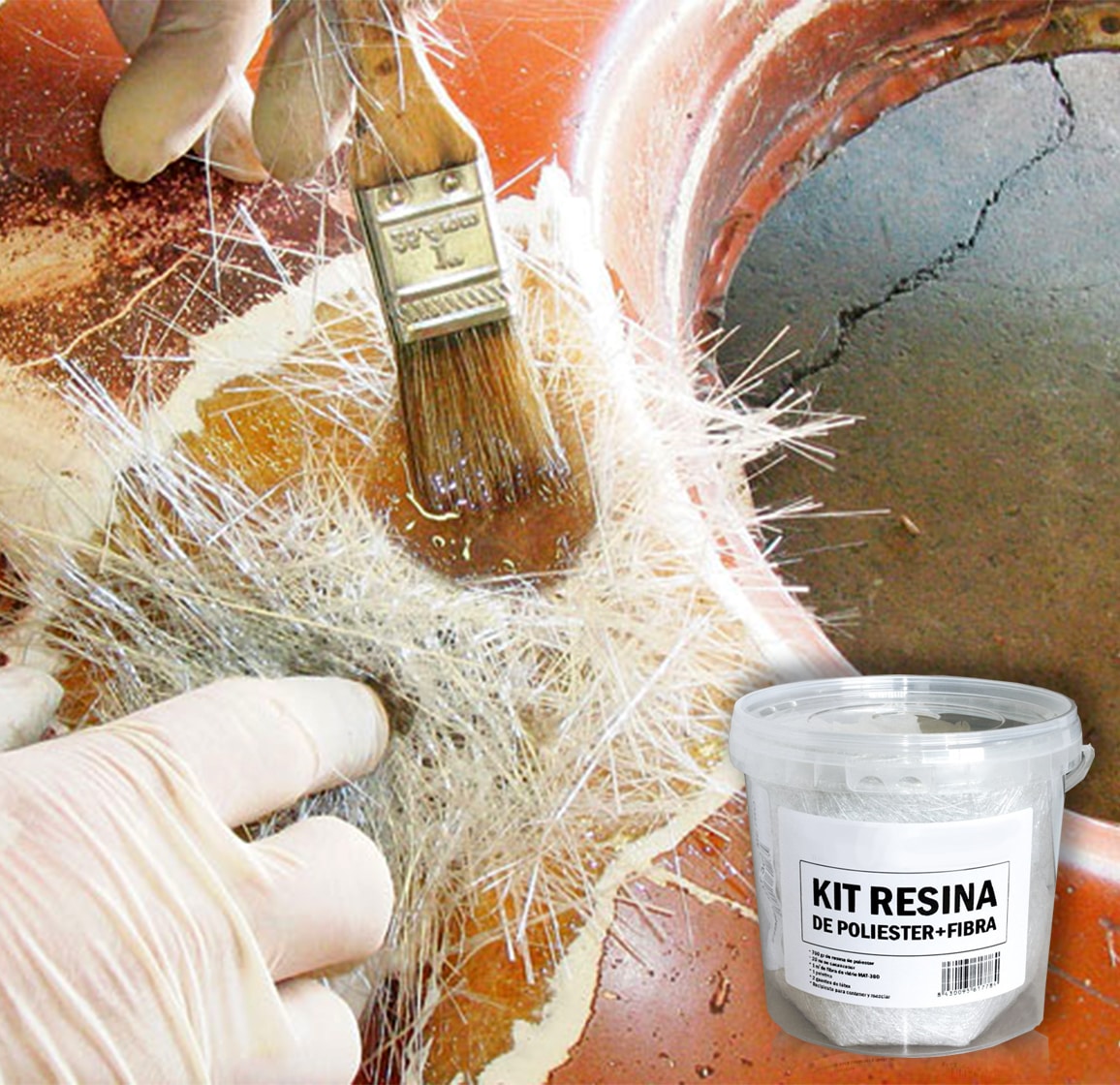
Once the surface is prepared, mix your resin and hardener as directed. For car bodywork, kits like the Resin Fibreglass Repair Kit come with all essentials included. Cut your fibreglass mat to size, ensuring coverage for the area needing repair. Apply a thin resin layer directly onto the surface, then lay the fibreglass mat on top. Use a brush to dab additional resin over the mat, working it in until fully saturated and free of bubbles. Repeat the process for additional layers as required, allowing each layer a short tack time for bonding strength.
When a Methodical Approach Matters
Taking a careful, systematic approach is especially crucial for structural repairs or cosmetic restoration. Skipping steps or rushing can lead to weak adhesion or bubbles, which may compromise the integrity and appearance of your repair. A kit with clear instructions helps streamline the process—ideal for enthusiasts and professionals alike.
Related products
Related guides
By methodically applying resin and reinforcement materials, you can confidently achieve car body repairs that last. Learn more about resin techniques and explore your options on our main guide: how do you use resin on a car body?