 Free shipping on orders over £29,85
  Shipping Tracking!


 Google
 Facebook
How Do You Use UV Resin?
Step-by-step guide to fast-curing UV resin projects
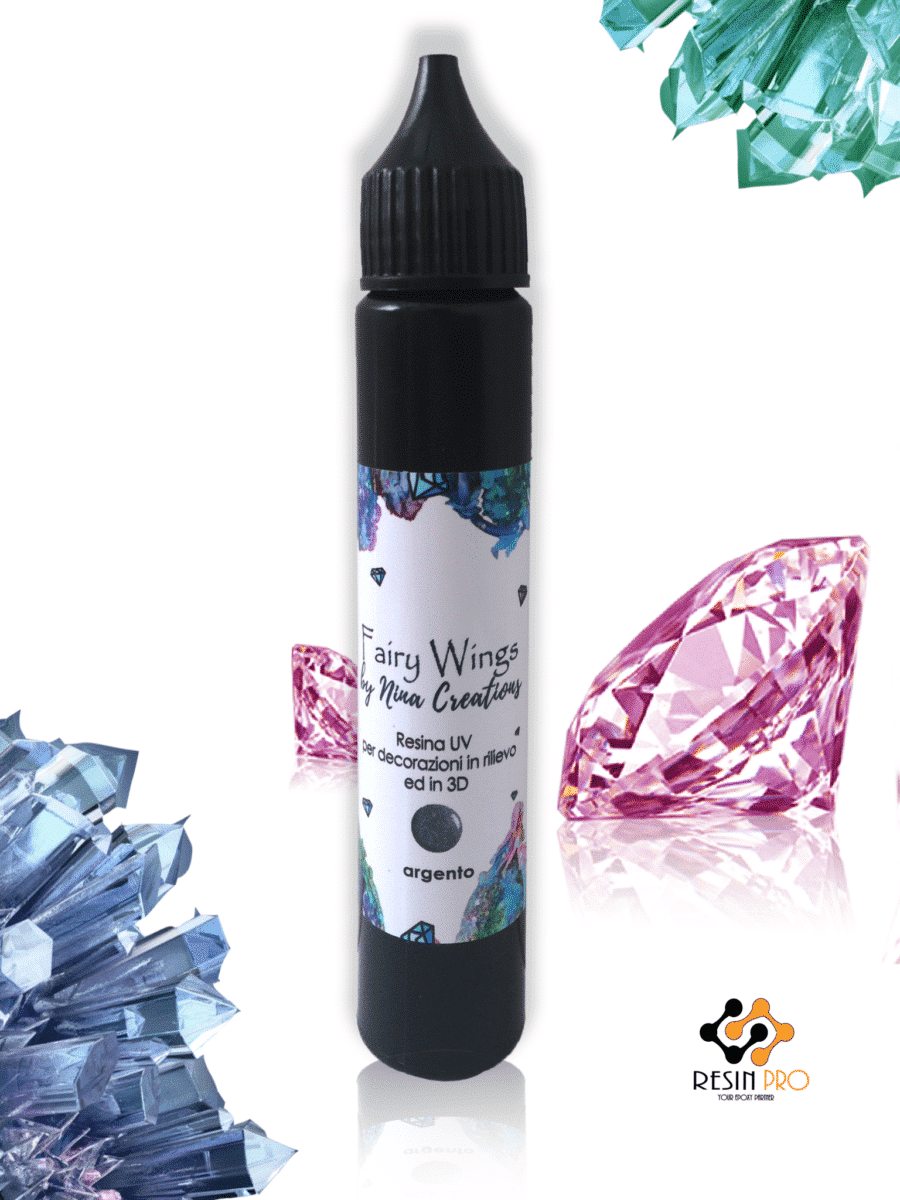
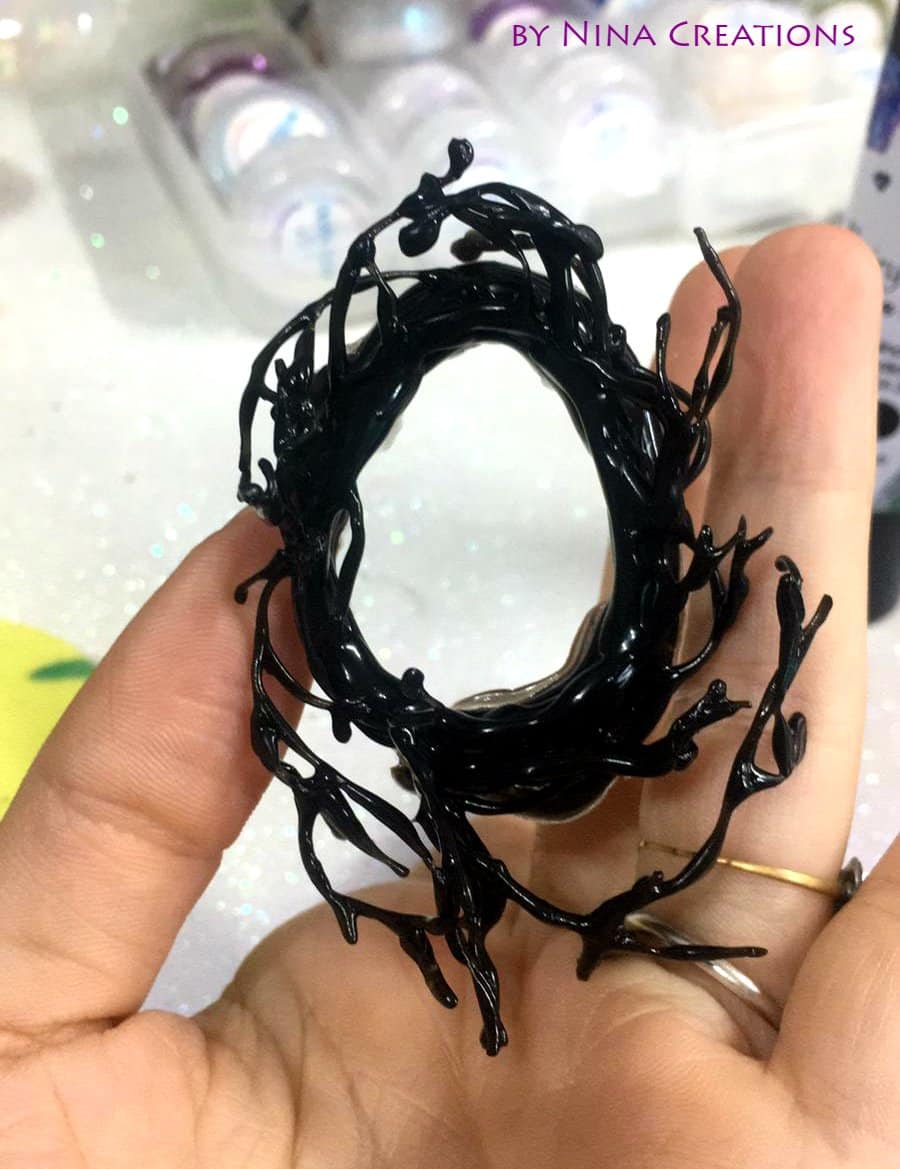
UV resin offers crafters, hobbyists, and professional makers an ultra-fast and versatile way to create beautiful, durable jewellery, keyrings, decorative accents, and intricate 3D reliefs. This guide walks you through the core technique, ensuring safe, reliable results and expert-quality finishes whether you are new to UV resin or looking to refine your practice.
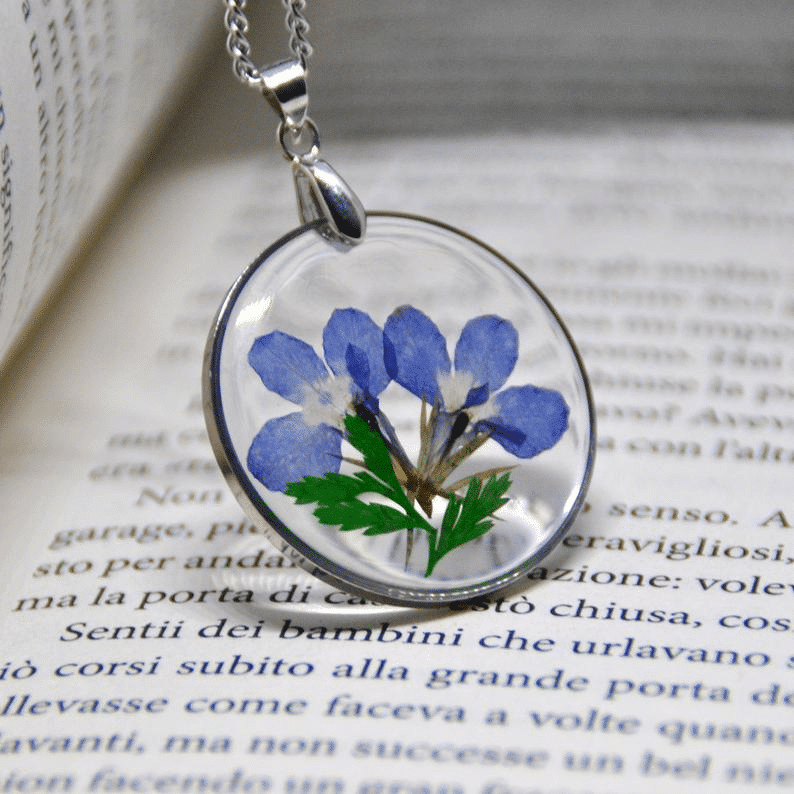
What You’ll Need
- “Fairy Wings” – UV Resin for Volumetric Reliefs, Dual Colour, 30ml – for intricate 3D decorative designs
- “UV–Creation” – Fast Acrylic Resin, 3 Minute UV Cure – for jewellery and glossy, clear crafts
- UV Resin Kit with 5 Christmas Silicone Moulds for Festive Crafting – great for festive moulded projects
- 21 LED UV Torch for Fast Acrylic Resin Curing – compact UV light source for efficient curing
- Protective gloves and apron
- Mixing sticks and silicone mat or mould
- Paper towels and cleaning wipes
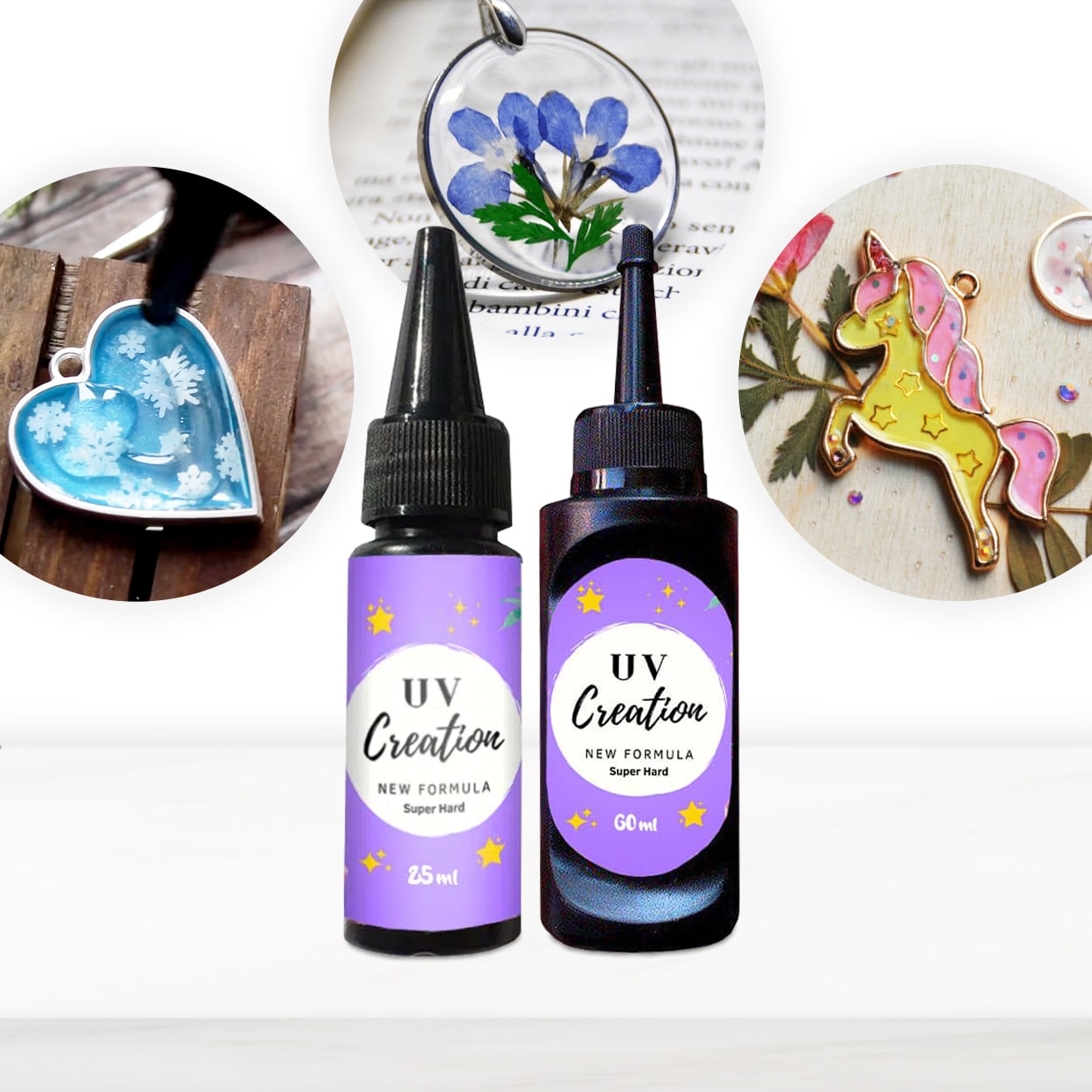
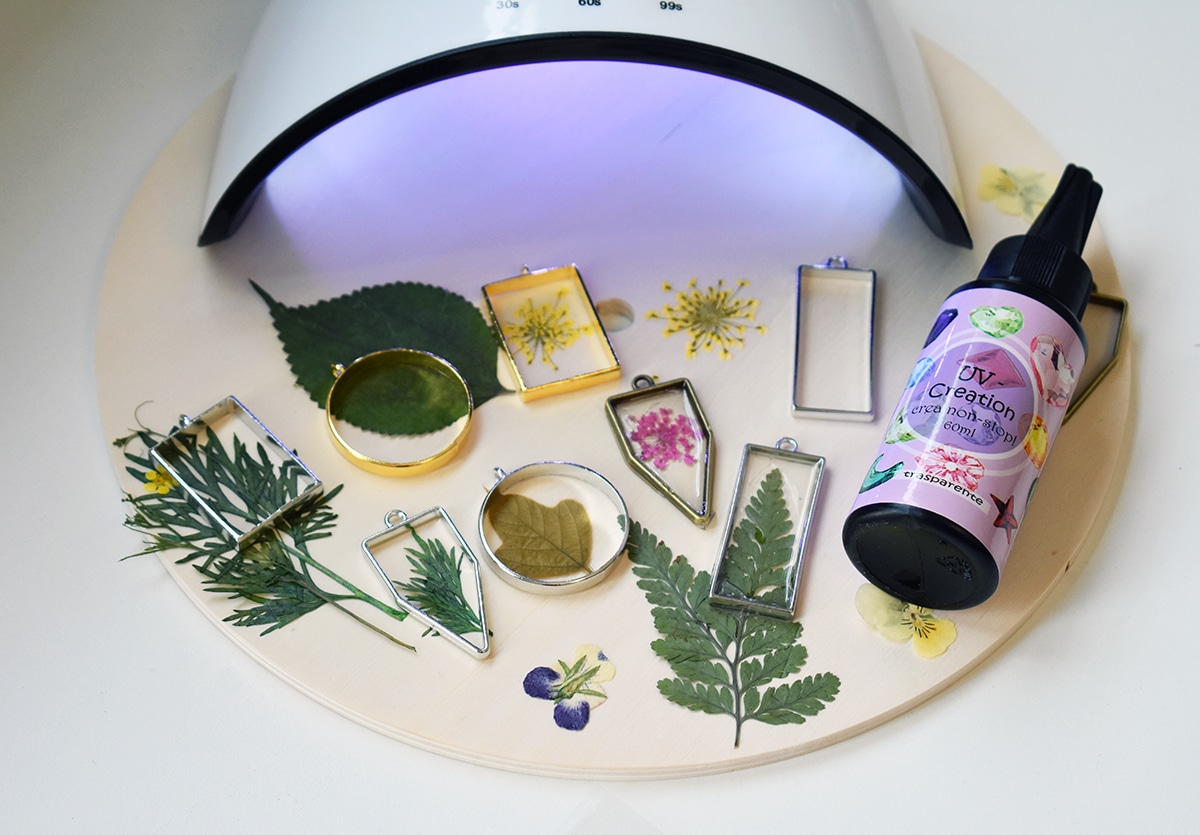
Showcase: UV Resin Workspace and Tools
See how a clean, organised resin crafting setup with quality tools and well-chosen moulds can transform your UV resin process. Simple preparation means better results and a safer creative environment.
Step 1: Prepare Your Workspace and Moulds
Work in a well-ventilated space with clean, dust-free surfaces. Lay out a silicone mat to protect your worktop and have a paper towel nearby for easy clean-up. If using silicone moulds—such as those included in the UV Resin Kit with 5 Christmas Silicone Moulds—ensure they are completely dry and free from lint or residue. Proper lighting and ventilation help prevent sticky finishes and dust contamination.
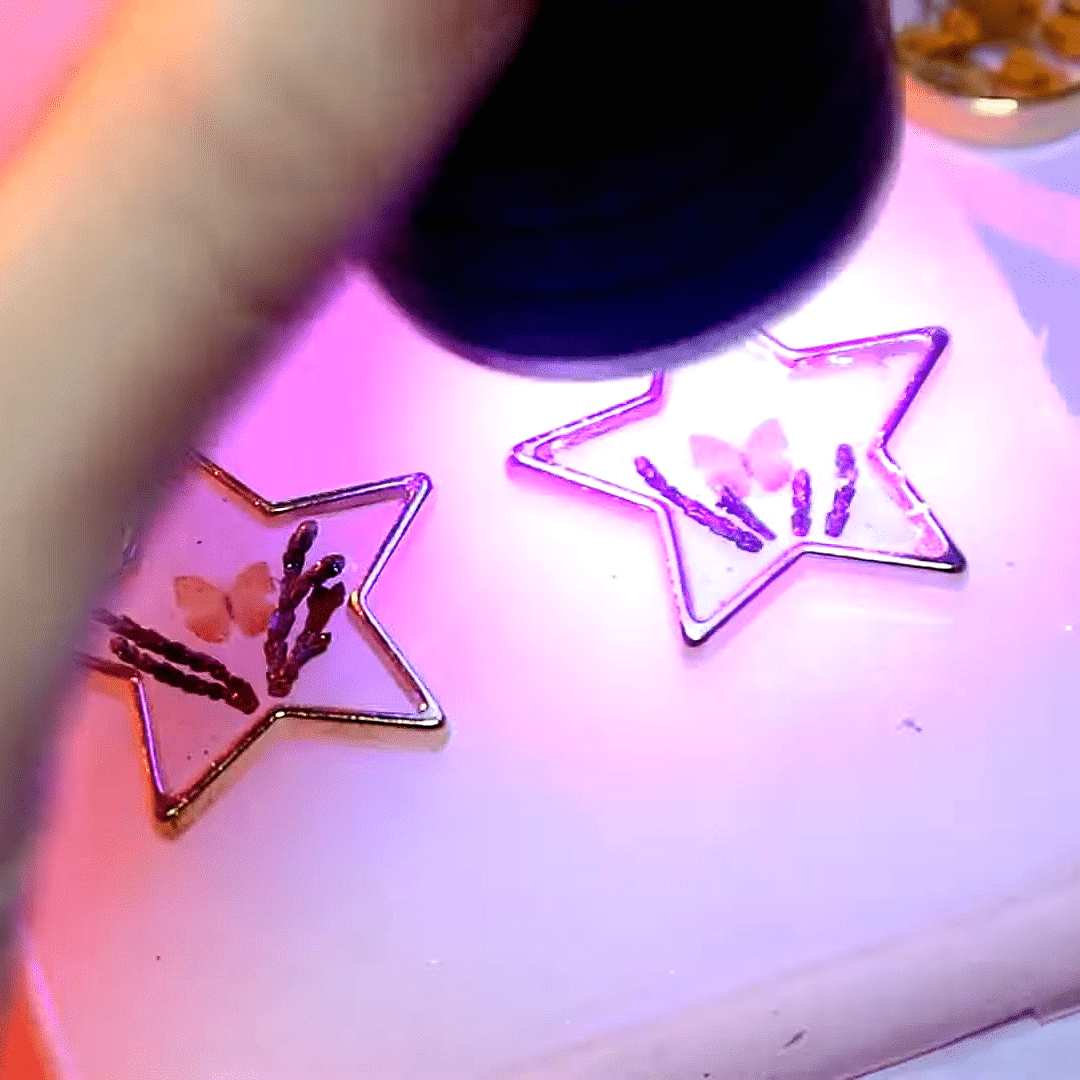
Step 2: Pour and Shape the UV Resin
Dispense a small amount of UV resin directly into your chosen mould or onto the prepared surface. Use a mixing stick to guide the resin into every detail for precision, especially when working on 3D reliefs with products such as the “Fairy Wings” – UV Resin for Volumetric Reliefs, Dual Colour, 30ml. Pop any bubbles with a cocktail stick or gentle heat from a craft heat tool before curing. Thin layers are key for optimal curing and minimising air pockets.
Step 3: Cure Under UV Light
Use a dedicated UV lamp or the 21 LED UV Torch for Fast Acrylic Resin Curing to expose your resin piece to direct UV light. Hold the torch steadily over the project or fully enclose it with the lamp, ensuring light reaches all areas for a complete cure—typically 2–5 minutes, depending on the resin and thickness. Be patient when layering: for thicker items, cure in stages to avoid an undercured centre.


Step 4: Demould, Finish, and Polish
Once the surface feels hard and non-tacky, carefully remove your piece from the mould. If edges are sharp or uneven, use fine-grit sandpaper or a nail file for smoothing. Wipe with a soft cloth. For glossy perfection, apply a final resin coat if desired. Keep tools dust-free to prevent imperfections during polishing or recoating.
Tips and Troubleshooting for UV Resin Crafting
Work in thin layers—curing thick pours all at once can leave sticky, uncured spots inside the piece. Watch for dust and debris, as they can mar the shiny finish. If the resin remains sticky, cure for an additional minute or adjust the torch/lamp position for more direct coverage. Use colourants or glitters compatible specifically with UV resin to ensure brilliant, even results.
For festive shapes or theme jewellery, silicone mould kits make the process fast and consistent. Always store unused resin away from sunlight to prevent premature hardening.

Inspiration: UV Resin Project Results
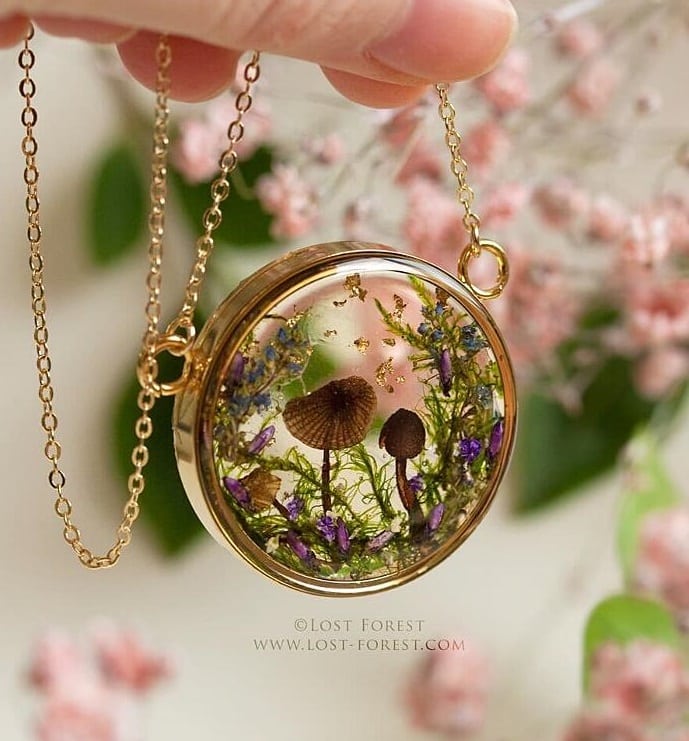
Be inspired by the clarity and detail achieved with UV resin—crystal-clear jewellery, bold 3D effects, and flawless holiday ornaments are all possible with proper technique and effective tools.
- "Fairy Wings" – UV Resin for Volumetric Reliefs, Dual Colour, 30mlOriginal price was: £15.15.£2.85Current price is: £2.85."Fairy Wings" UV Resin offers a ready-to-use, fast curing acrylic gel suitable for detailed 3D patterns and decorations.
- "UV–Creation" – Fast Acrylic Resin, 3 Minute UV CurePrice range: £8.45 through £62.95"UV–Creation" Fast Acrylic Resin cures quickly for jewellery and crafts, providing a clear, glossy finish suitable for immediate handling.
- UV Resin Kit with 5 Christmas Silicone Moulds for Festive CraftingPrice range: £15.95 through £27.45This UV Resin Kit with Christmas moulds is designed for festive crafts and includes fast-curing clear resin suited to a variety of holiday projects.
- 21 LED UV Torch for Fast Acrylic Resin CuringOriginal price was: £10.45.£7.45Current price is: £7.45.The 21 LED UV Torch provides consistent and efficient curing for acrylic resin, suited for artists and hobbyists.
Frequently Asked Questions
Can you cure UV resin without a UV lamp or torch?
No, UV resin requires concentrated UV light, so a dedicated lamp or torch is essential for proper curing.
Why is my UV resin sticky after curing?
Sticky resin usually results from under-curing or using overly thick layers. Cure in thin stages and ensure all surfaces receive direct UV light.
What types of projects are best for UV resin?
Jewellery, keyrings, decorative items, and small relief art benefit from UV resin's fast-curing and clear finish.
Can UV resin be used with colourants or glitter?
Yes, but only use colourants or glitters compatible with UV resin to ensure thorough curing and bright, even colour.
Why does resin need to be applied in thin layers?
Thin layers allow full UV penetration for a complete cure, preventing sticky or soft areas inside the piece.
How do I prevent bubbles in UV resin?
Pour slowly, use a stick to guide the resin, and remove bubbles with a gentle heat tool before curing.
Can you use a household light to cure UV resin?
Ordinary household lights lack the intensity and correct wavelength; always use a UV-specific torch or lamp.