 Free shipping on orders over £29,85
  Shipping Tracking!


 Google
 Facebook
← Back to How Do You Use UV Resin?
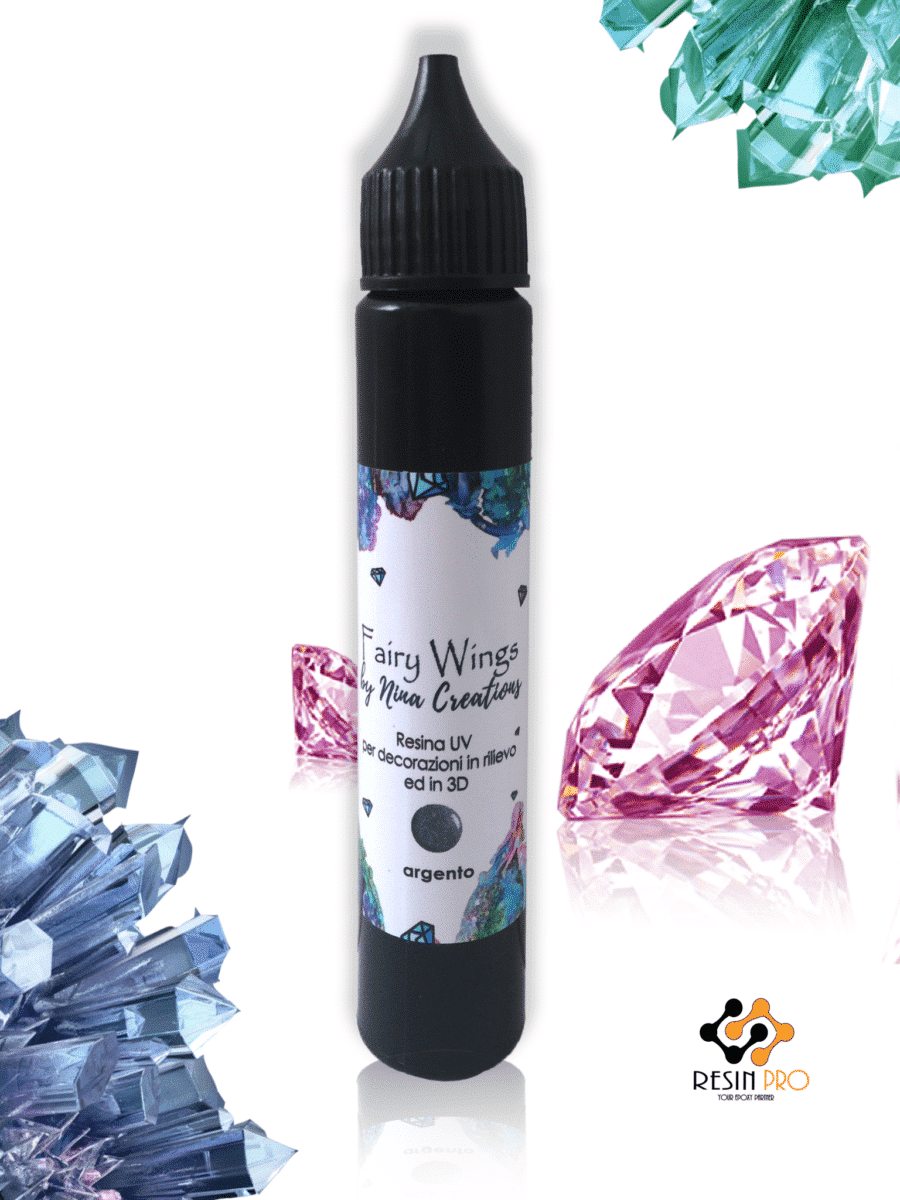
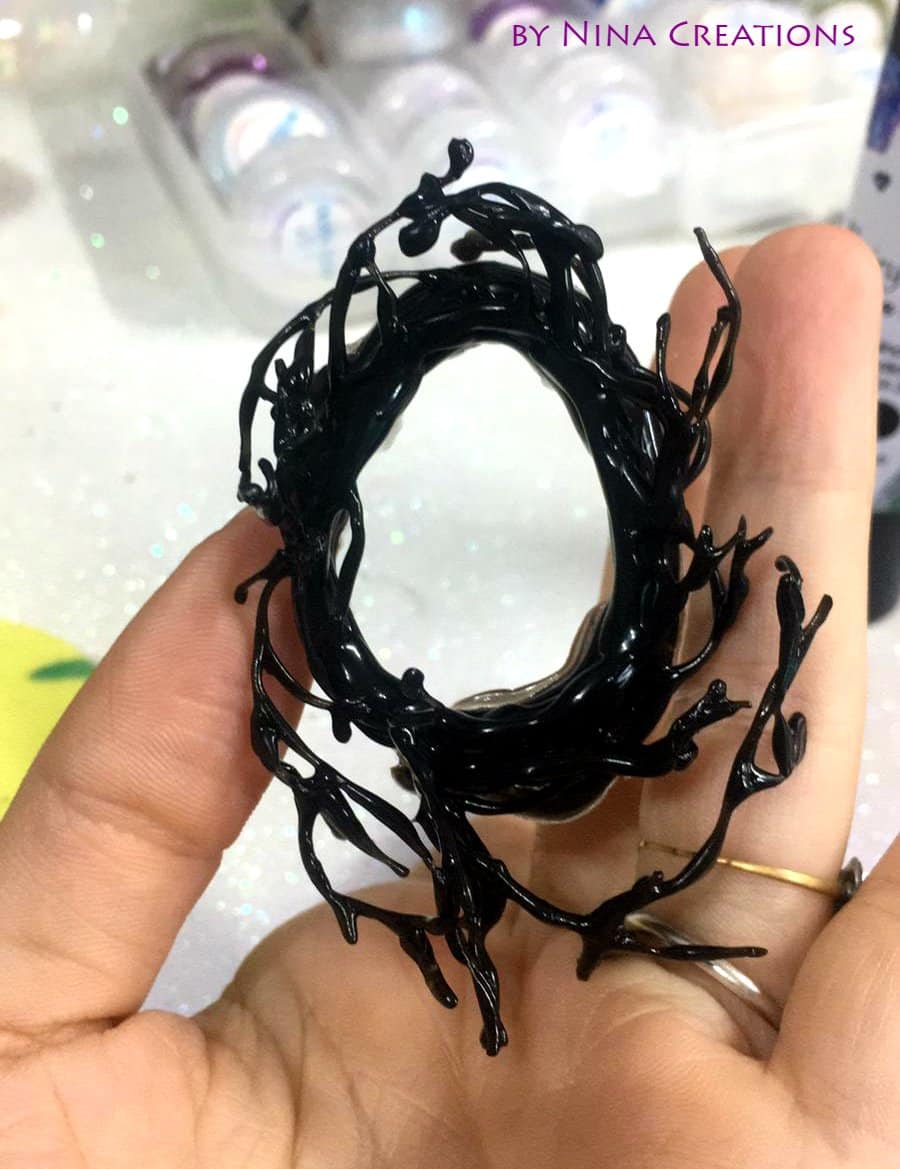
For anyone working with UV resin, understanding the importance of applying the resin in thin layers is essential for a quality, reliable result. Skipping this crucial step can lead to projects with sticky spots, incomplete curing, or an uneven finish.
How Thin Layers Improve Curing
UV resin cures when exposed to UV light, but this process happens best when the resin is spread in thin, even coatings. Thin layers allow the ultraviolet light to reach every part of the resin surface, ensuring a complete and thorough cure. If the resin layer is too thick, the UV light cannot penetrate to the centre, leaving the material inside soft or tacky while only the outer surface hardens.
Techniques for Perfect Thin Layers
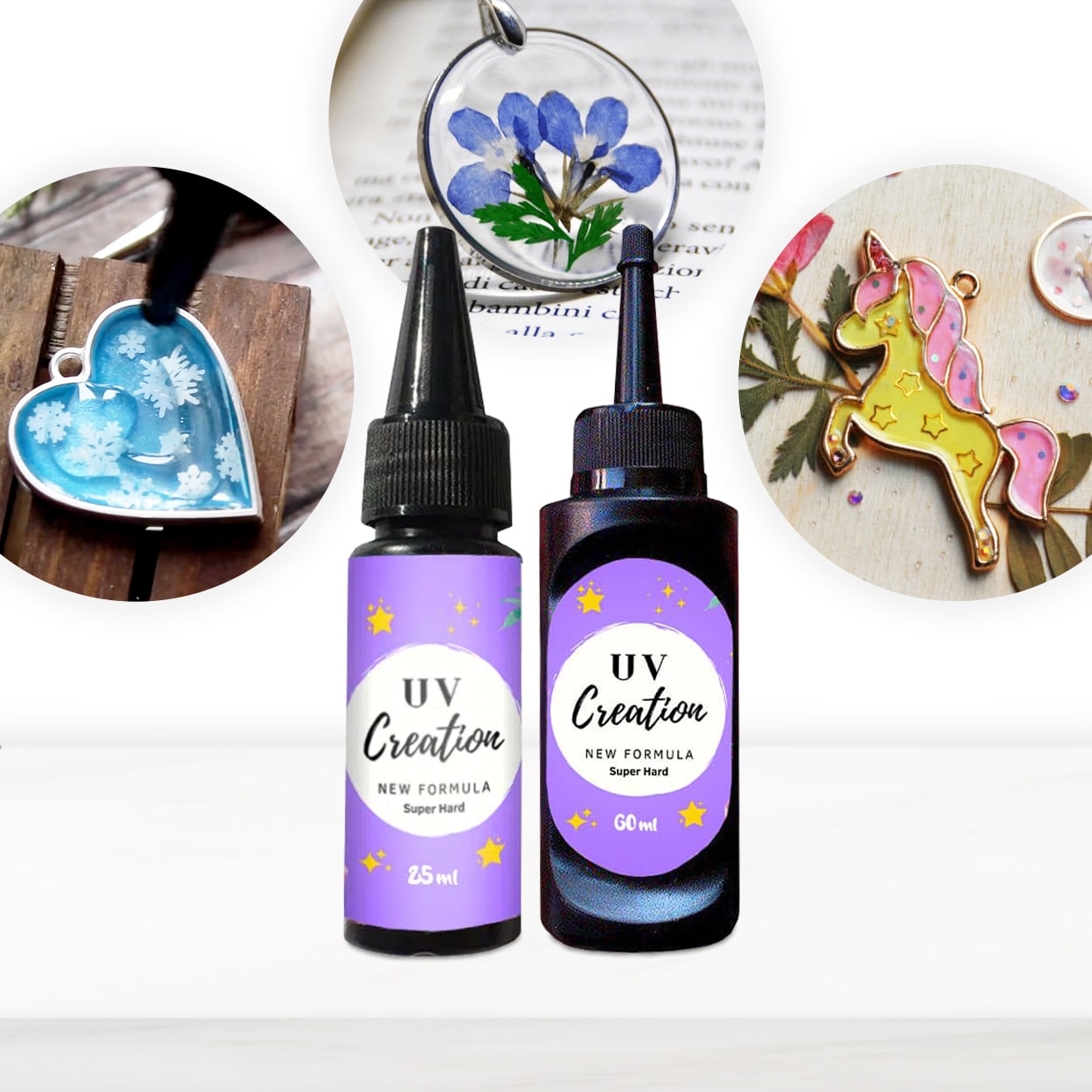
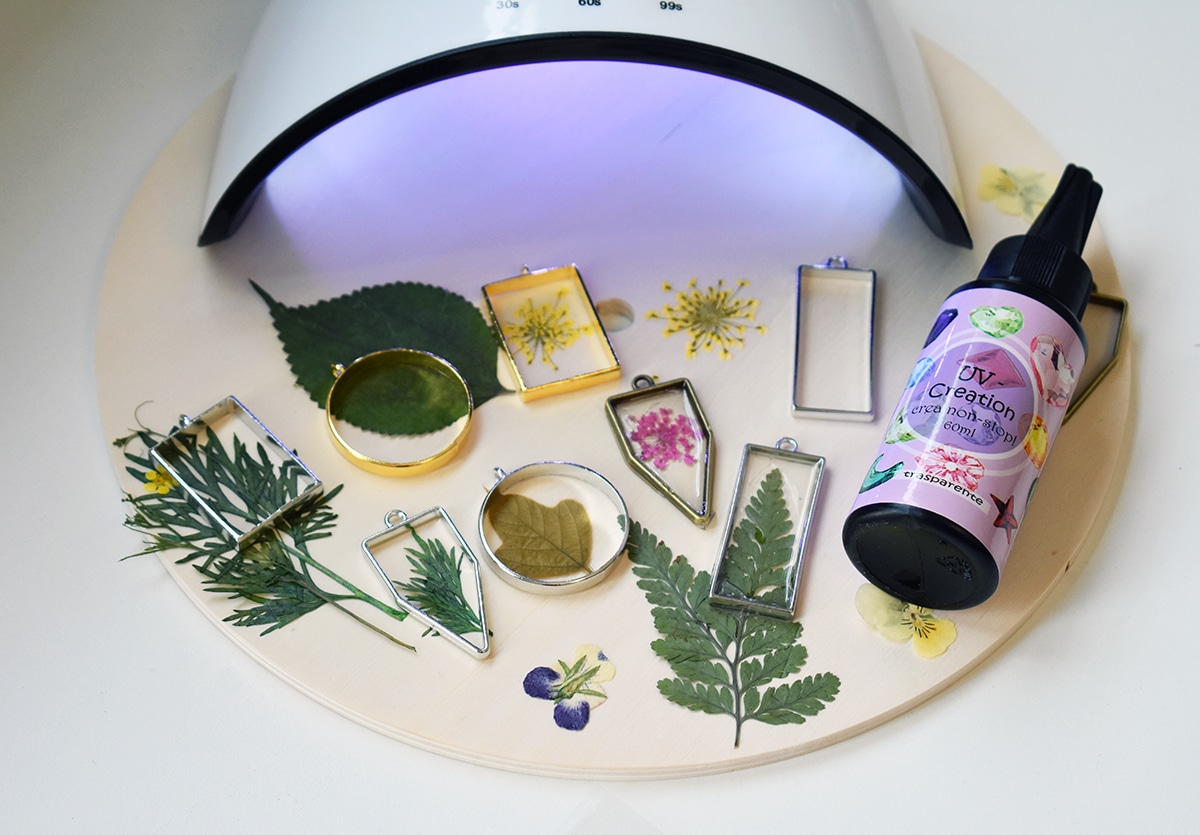
Apply the resin gradually, brushing or pouring a small amount at a time. Most crafters aim for layers around 1–2 mm thick. Each layer should be cured fully under a UV lamp or torch before adding the next. This method is especially important for detailed 3D decorations or jewellery, such as those made using “Fairy Wings” UV Resin, which is specially designed for thin, highly detailed applications.
When Thin Layering Matters Most
Applying resin in thin layers is crucial for securing embellishments, embedding inclusions, or building up clear, glossy surfaces in jewellery, charms, and decorative crafts. This approach helps ensure every project cures evenly, with no disappointing sticky areas or cloudy patches in the finished piece.
Related products
Related guides
By applying resin in thin, well-cured layers, you set yourself up for creative success and lasting results. For more tips on working with UV resin, see our guide on How Do You Use UV Resin?.