 Free shipping on orders over £29,85
  Shipping Tracking!


 Google
 Facebook
How do you work with resin for a sink countertop?
Step-by-step process for achieving a seamless resin countertop
Creating a resin sink countertop allows you to revitalise your bathroom or kitchen with a wipe-clean, seamless, and beautifully styled surface. Whether you’re seeking a modern, durable finish or aiming to mimic natural stone, working with resin makes this achievable for many DIY enthusiasts. This guide will take you through all the key steps, from preparation through to finishing and troubleshooting.
What You’ll Need
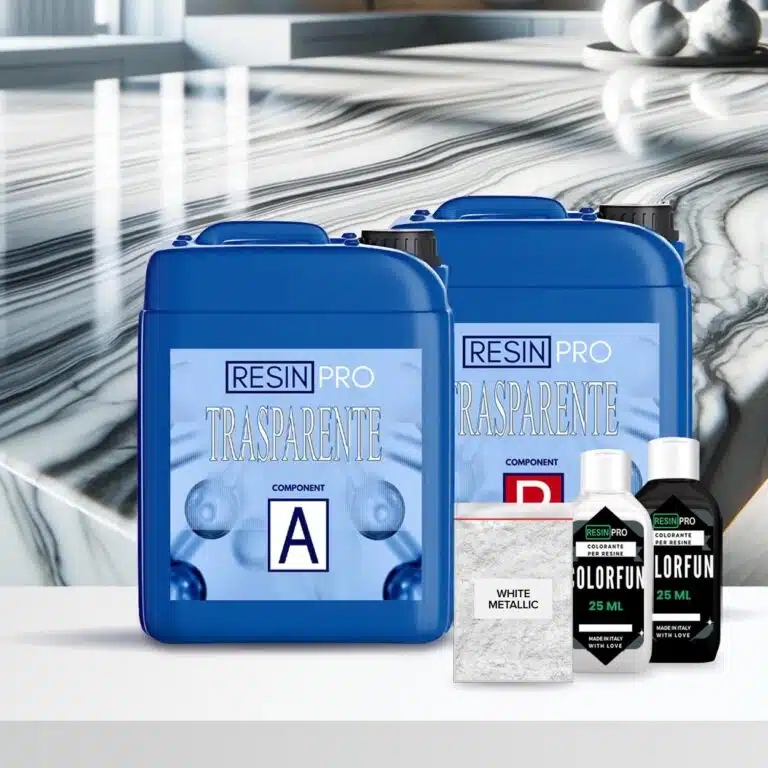
- “Stone Effect Collection” – Marble Epoxy Resin Countertop Kit: Kits designed for transforming kitchen and bathroom surfaces with professionally styled marble and stone epoxy resin finishes.
- “EpoxyFood” – Certified Clear Food Contact Epoxy Resin for Coating: A certified clear resin suitable for food contact applications requiring good clarity and a gloss finish.
- “EpoxyTable 5-Five” – Deep Pour Epoxy Resin for Tables and Large Projects – Up to 5cm: Deep pour epoxy resin for projects up to 5cm thick, offering clarity and mechanical resistance.
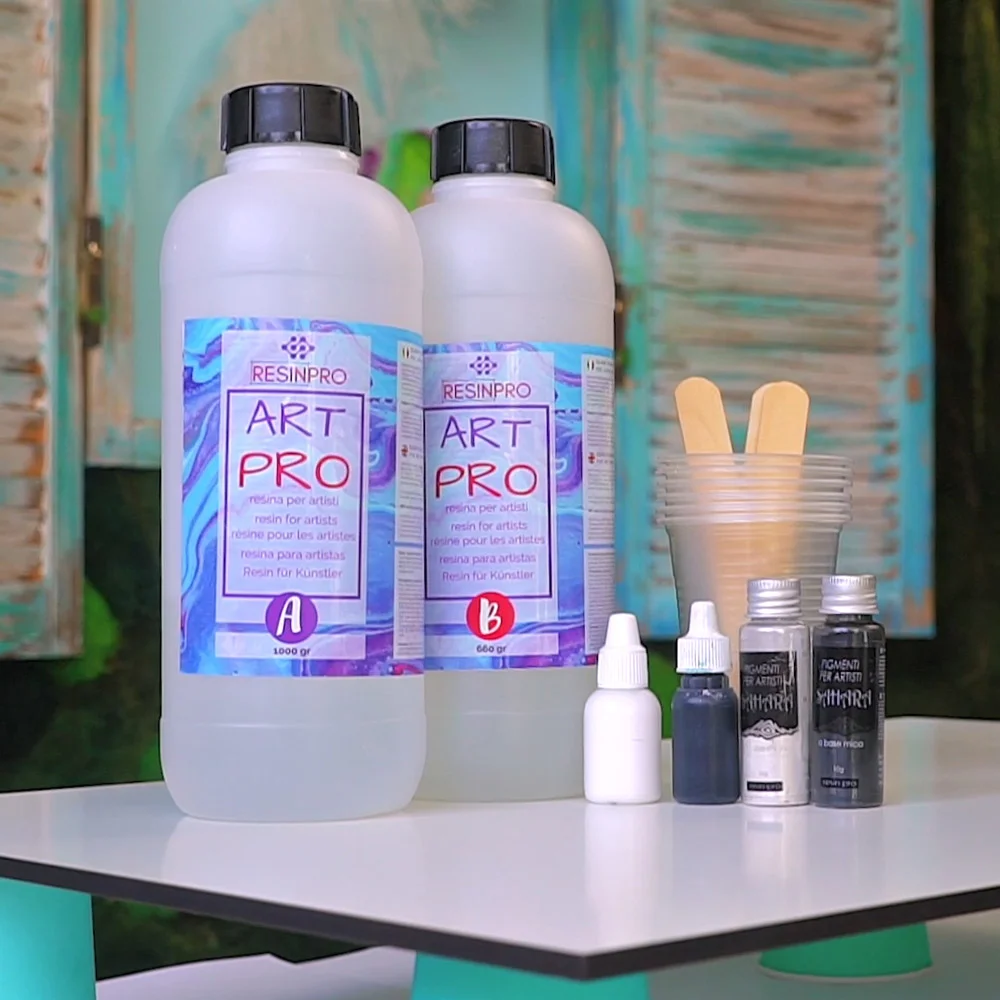
- “Art Pro” – Clear Epoxy Resin for Artists and Surface Coating: A clear epoxy resin suitable for artistic surface coatings, offering durable, high-gloss finishes.
- Protective gloves and mask
- Painter’s tape (for masking)
- Mixing cups and stirrers
- Spirit level
- Sandpaper (various grits)
- Cleaning materials (microfibre cloth, isopropyl alcohol)

Surface Preparation Essentials
Begin with a clean, dry, and dust-free countertop. Remove old sealants, fill any imperfections, and mask the sink and edges thoroughly. Surface prep is vital for a seamless and durable resin result.
Step 1: Prepare the Surface and Area
Start by cleaning your existing countertop thoroughly. Remove any dirt, oil, or debris with a degreasing cleaner and allow it to dry. Any old caulk or sealant around the sink should be carefully removed, as this can interfere with resin adhesion. Check for any dips or damaged areas and fill them with a suitable filler, letting it cure and sanding flush to leave a completely flat surface.
Use painter’s tape to mask the sink, tap, walls, and any surrounding cabinetry. It is important to seal off all areas you do not want to be coated. Lay down dust sheets to protect the floor, and ensure your workspace is well-ventilated. A spirit level may help you check that your countertop is perfectly flat—this helps prevent the resin from pooling unevenly.
Step 2: Sand and Prime for Bonding
Lightly sand the countertop with medium-grit sandpaper to create a slightly roughened, matte surface. This aids resin adhesion. Wipe away all dust with a damp microfibre cloth or use isopropyl alcohol to remove any remaining particles. If the existing countertop is dark or uneven in colour, consider applying a bold primer coat suited for resin—this can help pigments pop and create a uniform base. Allow this layer to dry thoroughly before proceeding.
Step 3: Mix the Resin Carefully
Consult the chosen resin’s instructions for the correct mixing ratios—accuracy is vital, as incorrect mixtures may not cure properly. Use clean mixing cups and mix the resin and hardener thoroughly, scraping the sides and bottom to ensure complete blending. If you’re creating a stone effect or adding pigments, follow the kit guidance for pigment addition. For deep pours up to 5cm, “EpoxyTable 5-Five” – Deep Pour Epoxy Resin for Tables and Large Projects – Up to 5cm may be suitable; for conventional coats, a self-levelling kit or clear food-safe variant is ideal.
Step 4: Pour and Spread the Resin
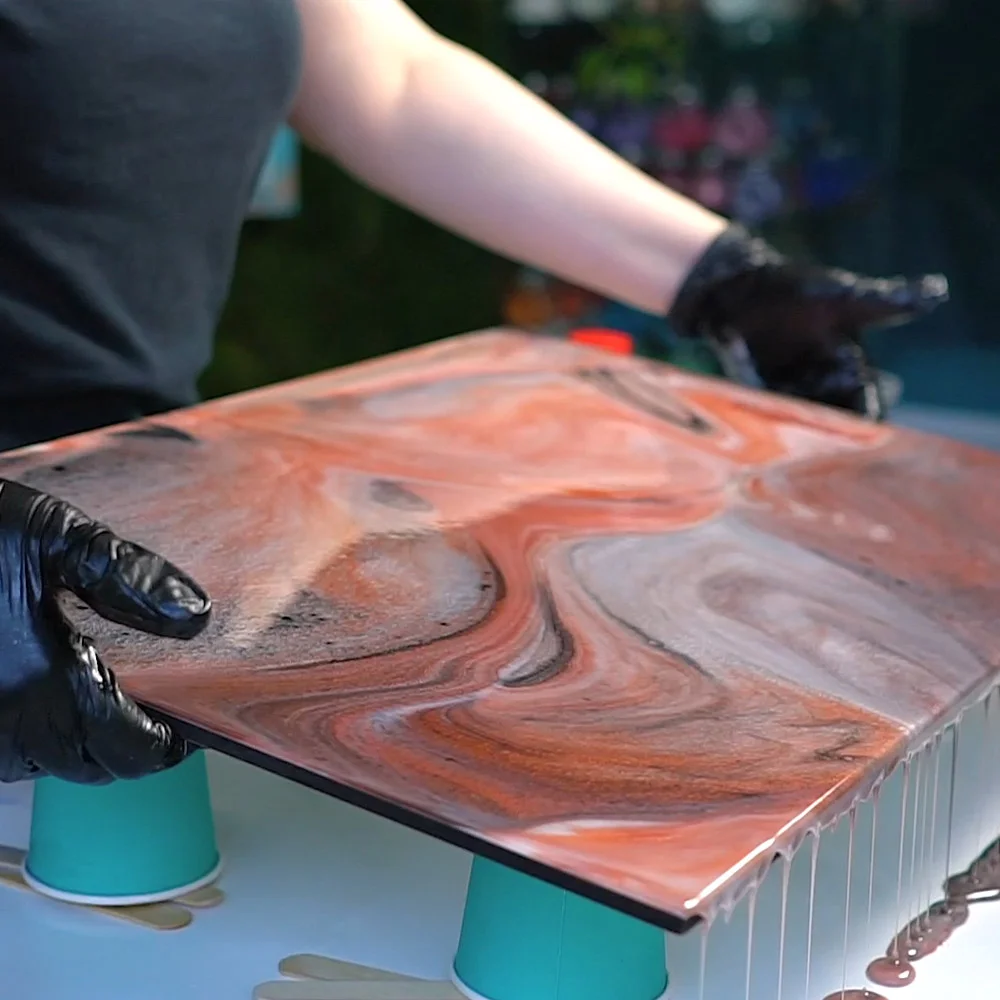
Pour the resin slowly over the countertop, starting from the centre and letting it naturally flow towards the edges. Use a spreading tool or notched trowel to encourage even distribution and smooth out any ridges. Work quickly but steadily, as resin can begin curing once mixed. If you want marble veining or creative effects, now is the time to use any included dyes or isopropyl alcohol, as featured in the “Stone Effect Collection” – Marble Epoxy Resin Countertop Kit.
Dislodge any air bubbles by gently blowing over the surface with a heat gun or torch, taking care not to scorch the resin. Allow the first coat to self-level and settle. If a thicker layer or a second pour is required for depth or added protection, wait until the first layer is touch dry, sand lightly for keying, and repeat the mixing and pouring process.
Step 5: Finishing, Sanding, and Curing
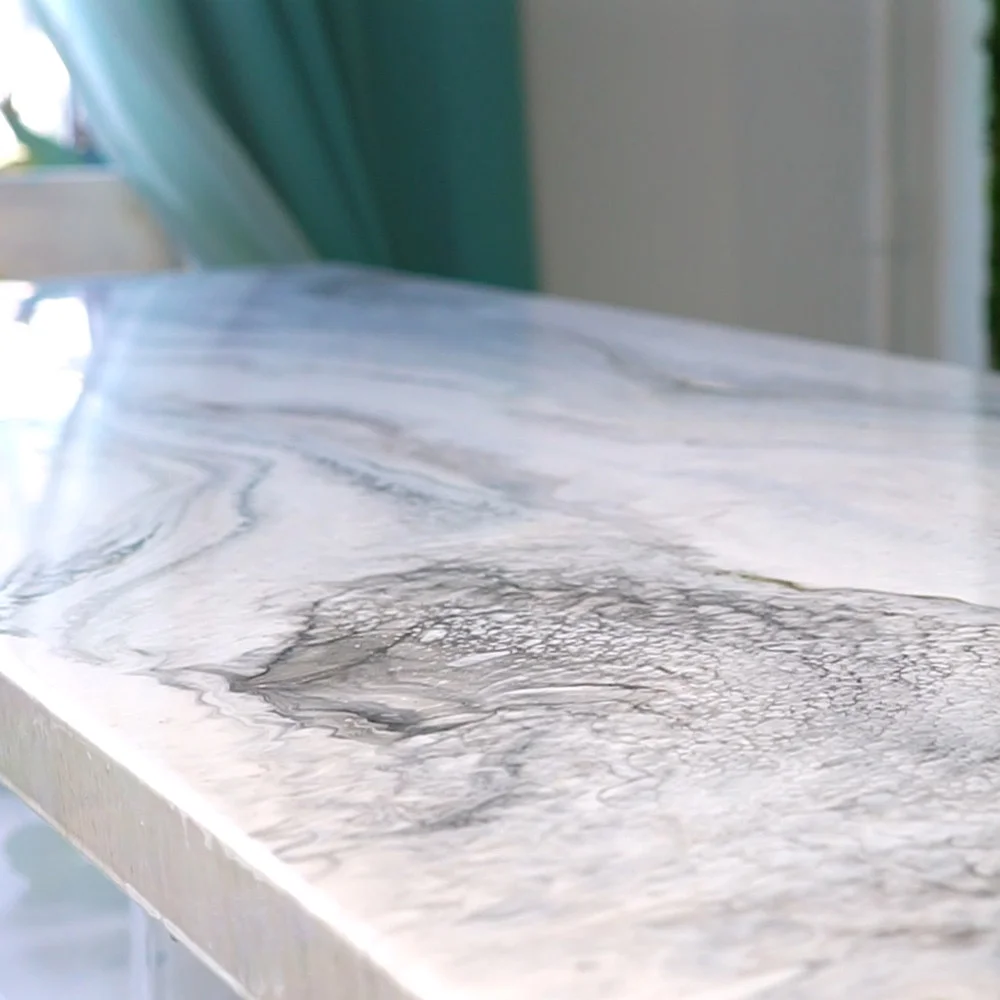
Once satisfied with the final pour, let the countertop cure undisturbed for the manufacturer-recommended duration (usually 24–72 hours for full hardness, depending on resin type and room temperature). Avoid touching or covering the surface during this time. After curing, carefully remove painter’s tape and trim away any drips with a sharp blade.
For a professional, silky finish, sand the surface lightly and polish if needed using fine-grit sandpaper. If a food-safe finish is required for kitchen use, “EpoxyFood” – Certified Clear Food Contact Epoxy Resin for Coating may be applied as a final layer to ensure safe food preparation areas.
Tips and Troubleshooting for Resin Countertops
- Self-levelling resin kits simplify application, but ensure your surface is level from the start to avoid pooling.
- Always work in a dust-free environment to prevent imperfections settling in the wet resin.
- Allow full curing time for best durability; rushing this step can reduce resistance to scratching and staining.
- If bubbles persist, avoid aggressive mixing and use a heat gun for gentle bubble removal.
- Mask sinks and edges carefully to prevent resin leaks and remove tape before the resin fully hardens for a clean line.
- Pour resin slowly to avoid air bubbles and spread with a notched tool for even distribution.
- If using multiple coats, let each layer dry before sanding and recoating—sand between coats for a flawless finish.
Common Issues and How to Prevent Them
Work methodically and avoid shortcuts—taking time with each step yields the best finish. If in doubt regarding which resin to choose for your specific surface, consider a self-levelling kit or food-safe product for kitchens and bathrooms. Stone Effect Collection suits most decorative needs, while EpoxyFood is ideal for food-contact safety.
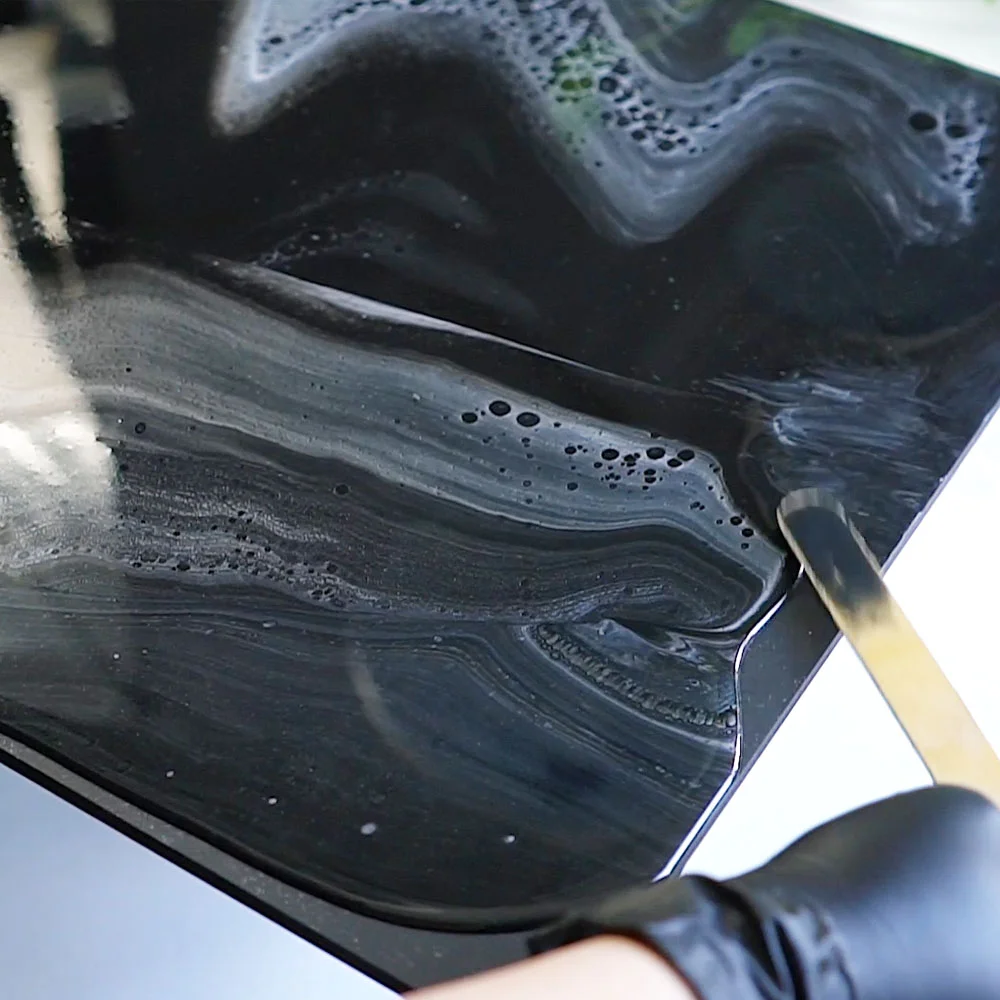
- "Stone Effect Collection" – Marble Epoxy Resin Countertop KitPrice range: £54.85 through £394.85"Stone Effect Collection" offers a kit for professional marble and stone resin effects, designed for kitchen and bathroom countertops.
 "EpoxyFood" – Certified Clear Food Contact Epoxy Resin for CoatingOriginal price was: £39.00.£32.85Current price is: £32.85."EpoxyFood" is a transparent, certified food-safe resin designed for clear, non-toxic coatings suitable for cold snacks.
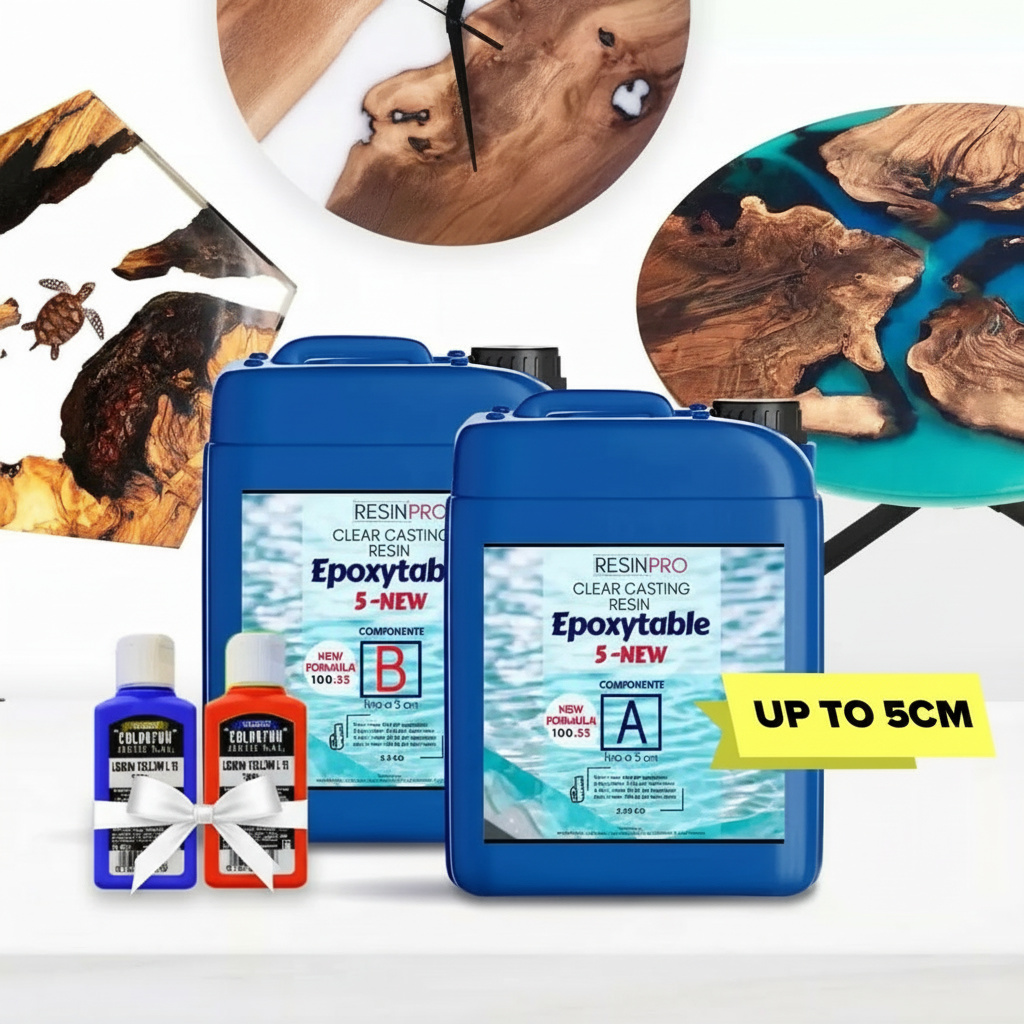 "EpoxyTable 5-Five" – Deep Pour Epoxy Resin for Tables and Large Projects – Up to 5cmPrice range: £16.85 through £1,099.85"EpoxyTable 5-Five" is designed for deep pour projects including tables and large surfaces with a clear, scratch-resistant finish.
 "Art Pro" – Clear Epoxy Resin for Artists and Surface CoatingPrice range: £31.15 through £388.85Art Pro is a clear epoxy resin designed for artists and crafters, suitable for decorative surfaces with a focus on durability and clarity.
Frequently Asked Questions
Is resin safe for countertops in food preparation areas?
Food-safe epoxy resins like EpoxyFood are specifically certified for contact with food when applied correctly. Standard resins may not be suitable.
How do I create a marble effect on my resin countertop?
Use a kit with pigments and isopropyl alcohol for veining; pour and swirl different shades as directed to replicate marble patterns.
How long does it take for a resin countertop to cure?
Most epoxy countertop resins require 24 to 72 hours for full curing. Always refer to the product's recommended curing time for best results.
Can I apply resin over my existing countertop?
Yes, resin can be poured over existing countertops if the surface is properly cleaned, sanded, and free of wax or silicon residues.
Which resin should I use for deep or layered countertop effects?
A deep pour resin like EpoxyTable 5-Five suits thick castings up to 5cm. For thin coats, use surface or kit-specific resins.
Is resin heat resistant enough for kitchens?
Most epoxies withstand moderate heat (up to 70°C). Use trivets for hot pans and check your resin's exact rating.