 Free shipping on orders over £29,85
  Shipping Tracking!


 Google
 Facebook
How do you work with terrace resin video?
Expert video-based guidance for resin terrace projects outdoors.
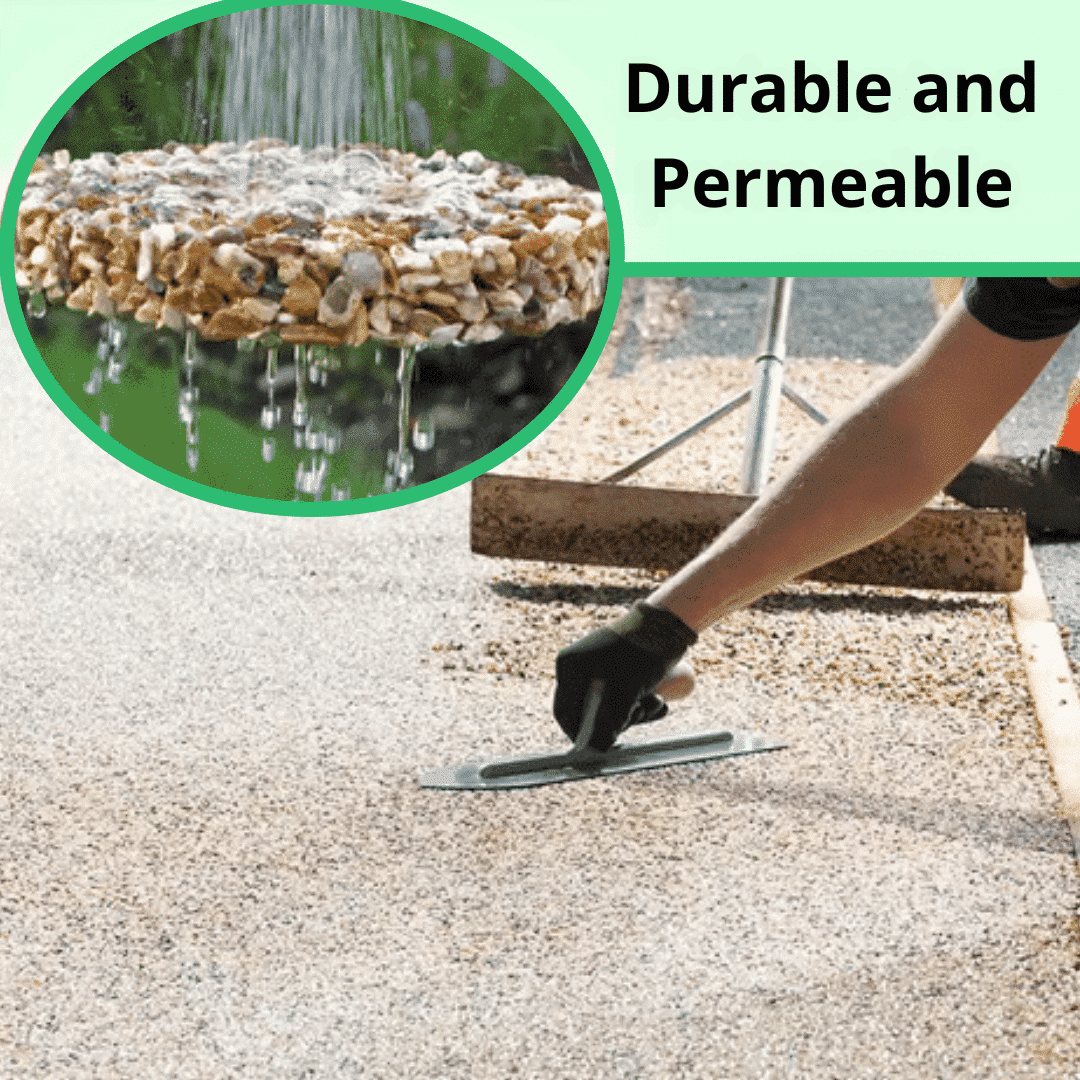
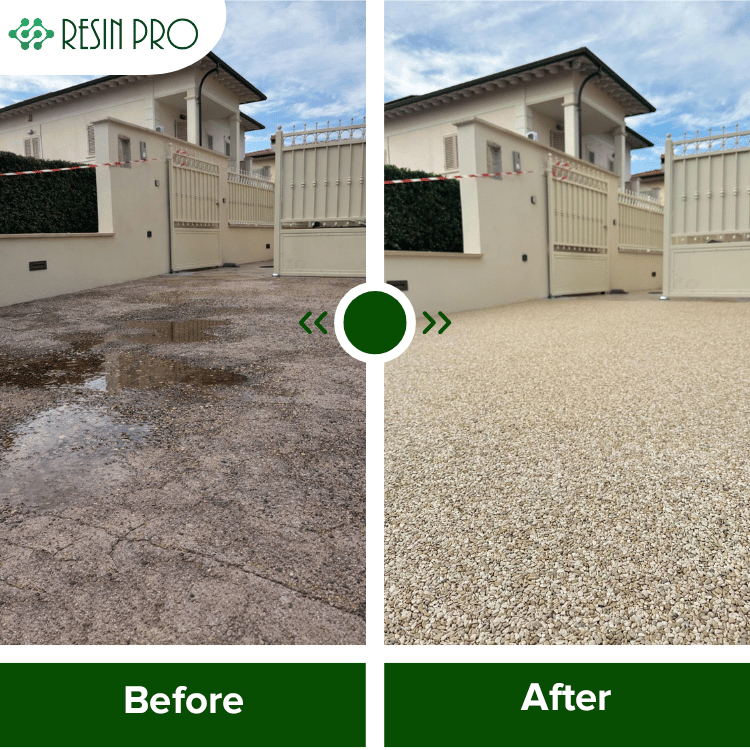
If you’re looking to revitalise your terrace, patio, or driveway with resin but aren’t sure where to start, this page is for you. We break down the key products suitable for terrace resin applications, explain their differences, and point you to comprehensive video guidance. Whether you’re a DIY enthusiast or a professional installer, you’ll find solutions tailored to outdoor UK conditions and your project needs.
Comparing Terrace Resin Solutions for UK Outdoors
Choosing the right terrace resin depends on your substrate, finish preference, and long-term durability expectations. Permeable solution kits such as pebble and resin combinations prevent puddles and flooding by allowing water drainage. Transparent epoxy binders add a decorative gloss to coloured stones, while one-component methacrylic resins are best for sealing and protecting concrete terraces. Pick your resin based on surface type, exposure, and how hands-on or maintenance-free you want your finish to be. Find video instructions for each product to see every step in action.
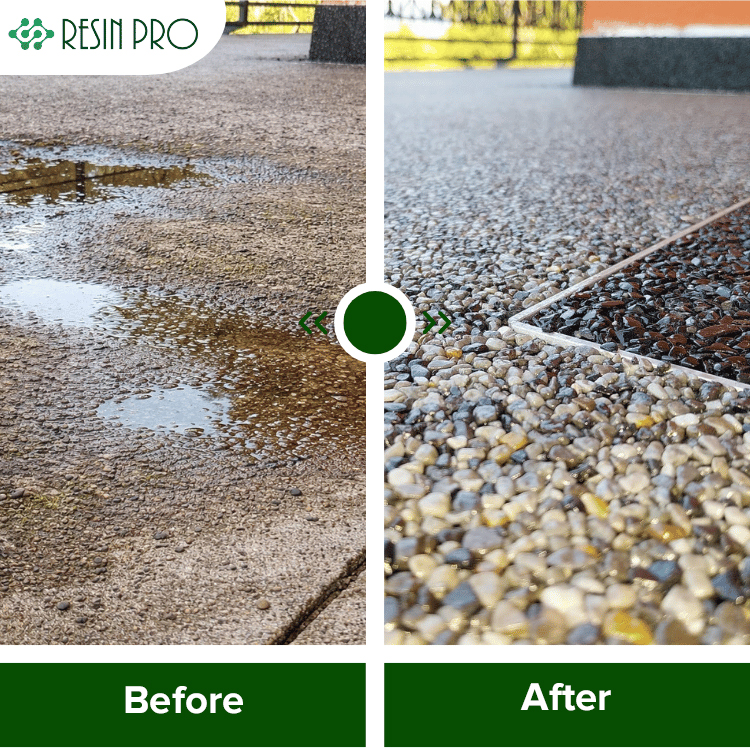
See Terrace Resin Techniques in Action
Watch practical demonstration videos to see how terrace resin solutions are installed for real-life projects. These visual guides help you understand surface preparation, mixing, and application techniques to achieve flawless results on any patio or driveway.
“Flowstone” – Complete Permeable Floor Kit with Pebbles and Resin
Upgrade your outdoor living space with the “Flowstone” – Complete Permeable Floor Kit with Pebbles and Resin. This all-in-one kit is perfect for driveways, footpaths, patios, or large terraces where water drainage is essential. The non-yellowing polyurethane ensures white aggregates stay bright, while low-yellowing epoxy protects coloured stones from fading. With easy-to-follow video and written guidance included, everyone from first-timers to experts can achieve a pro-level finish. The wide choice of colours and granule sizes lets you customise your outdoor surface to suit your style while staying practical for the unpredictable UK weather.
“Trasparente” – Epoxy Binder for Coloured Pebbles and Grits
To achieve a glossy, clear finish that enhances the beauty of coloured or dark pebble beds, “Trasparente” – Epoxy Binder for Coloured Pebbles and Grits stands out. Its two-part, low viscosity formula ensures pebbles are evenly encased, creating a surface that is both durable and eye-catching. The UV-resistant, non-yellowing properties are ideal for decorative applications exposed to sun and rain. Step-by-step video demonstrations are available to make installation hassle-free, even for those new to resin work.
“Resinstone” – One-Component Methacrylic Resin for Concrete Floors and Driveways
If your terrace or outdoor area is based on concrete, “Resinstone” – One-Component Methacrylic Resin for Concrete Floors and Driveways provides outstanding sealing and protection. This resin delivers a waterproof and breathable surface, protecting against moisture, chemicals, and environmental wear. It dries quickly, making it a practical choice for those seeking efficiency or working with unpredictable weather. Video guides illustrate best preparation and application practices, ensuring even beginners can master the process.
“Trasparente” – Multipurpose Clear Epoxy Resin for Casting – Up to 2cm
For more intricate terrace details or bespoke features such as decorative elements, the “Trasparente” – Multipurpose Clear Epoxy Resin for Casting – Up to 2cm offers a crystal-clear, self-levelling finish. Suitable for pour depths up to 2cm, this resin is trusted for both smaller flat surfaces and artistic applications. Its integrated UV filter protects against yellowing, and the kit includes gloves, sticks, and instructions for safe use. Video content demonstrates mixing, pouring, and finishing techniques for optimum clarity and durability.
Tips for Terrace Resin Application Success
For best results, always assess your terrace’s underlying surface first. Substrates must be clean, dry, and stable before application. Watch out for temperature and humidity factors, as these affect curing times and adhesion. Select the correct type of resin for your aggregate and usage environment—polyurethane for lighter stones, low-yellowing epoxy for darker finishes, and methacrylic resin for concrete. Pre-plan your batches and use the resources provided in product videos to avoid common pitfalls like uneven coverage or colour instability.
Expert Terrace Resin Advice in Every Video
Our step-by-step video guides address frequently asked questions as you follow along. Learn how to avoid common application mistakes and discover pro tips for maintaining the finish and durability of your terrace or outdoor resin surfaces.
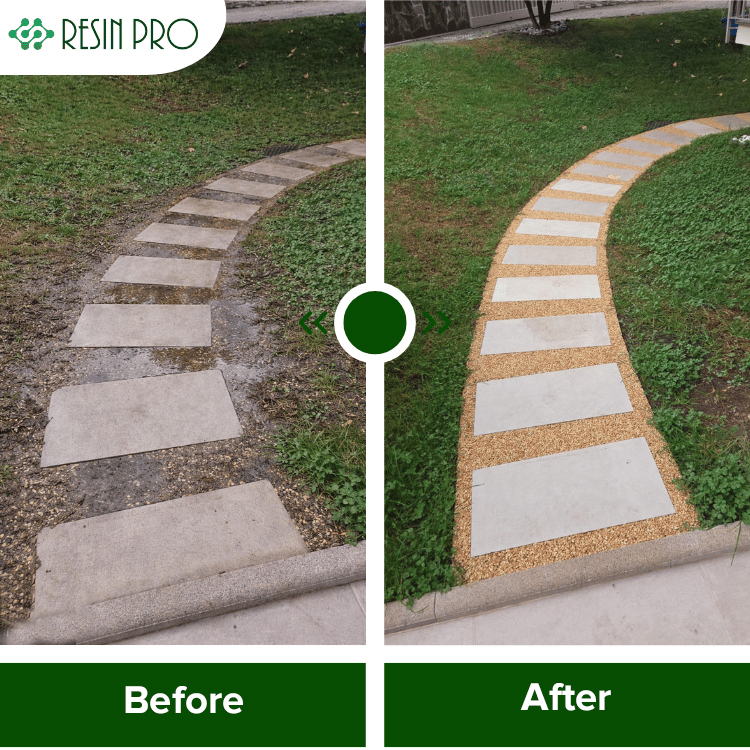
- "Flowstone" – Complete Permeable Floor Kit with Pebbles and ResinPrice range: £49.95 through £3,915.45"Flowstone" kit provides a durable permeable pebble and resin solution with guidance for use in the UK climate.
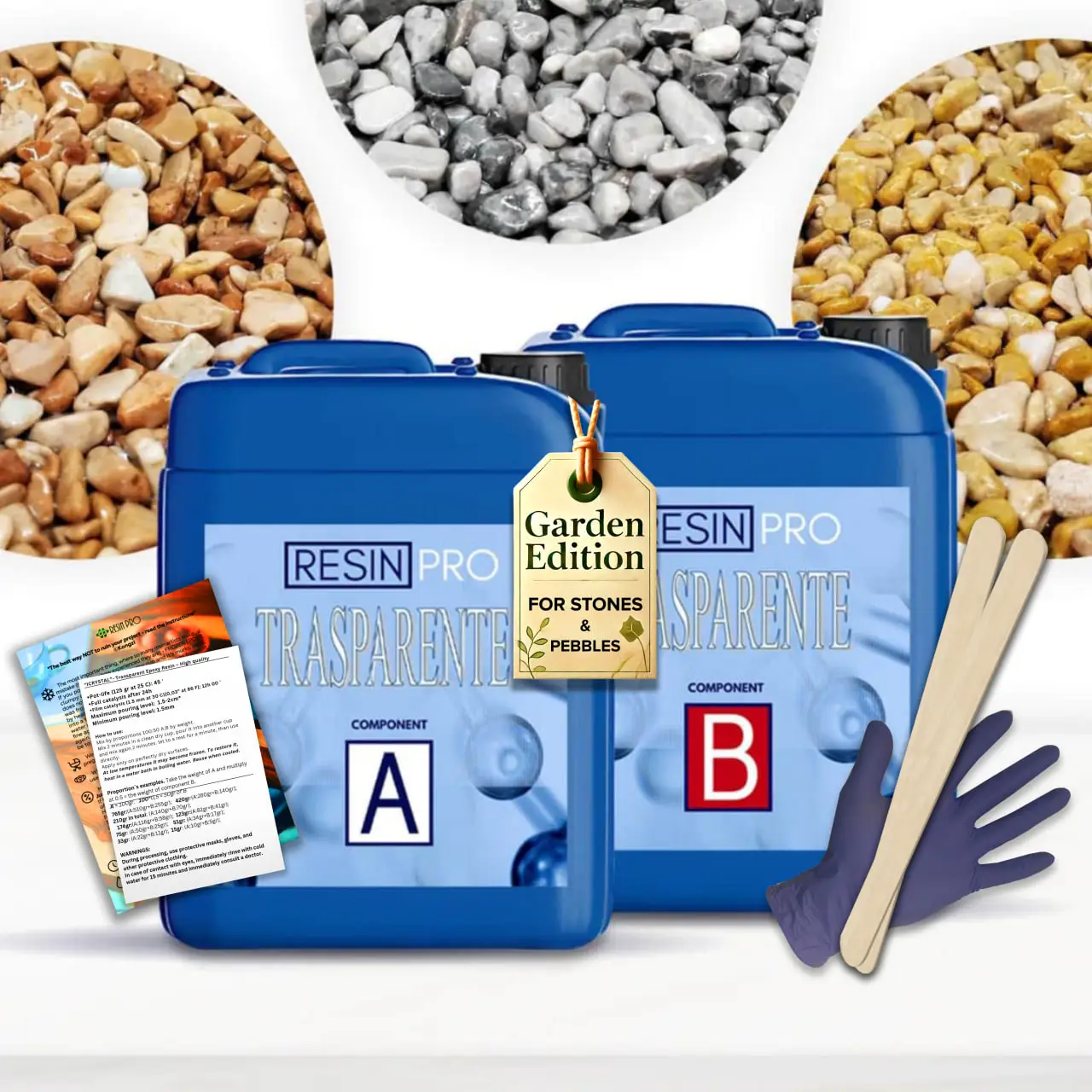 "Trasparente" – Epoxy Binder for Coloured Pebbles and GritsPrice range: £33.45 through £397.95"Trasparente" is a transparent epoxy binder designed for coloured pebbles and grits, suitable for projects needing a clear, UV-stable finish.
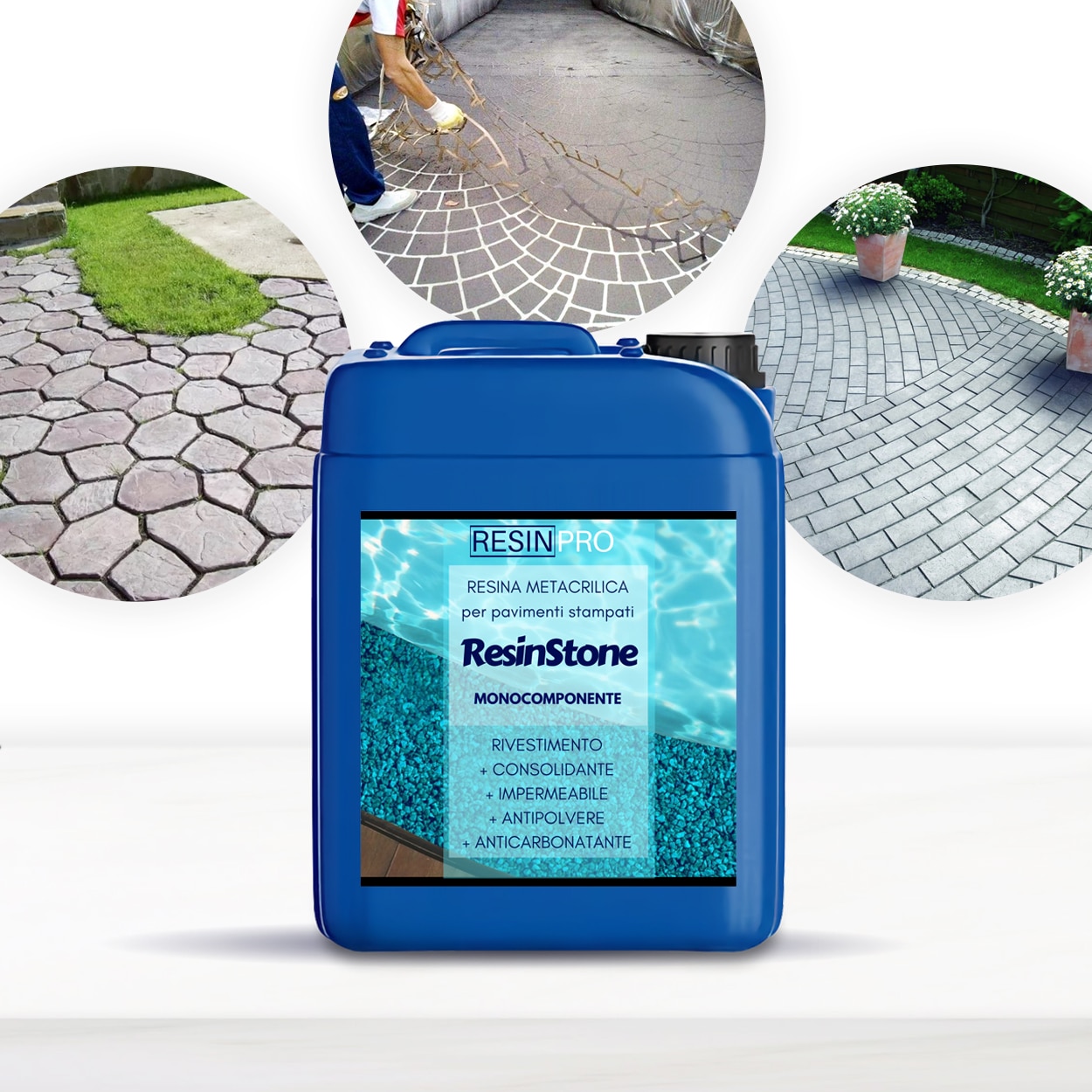 "Resinstone" – One-Component Methacrylic Resin for Concrete Floors and DrivewaysPrice range: £36.71 through £336.48"Resinstone" is a one-component methacrylic resin for sealing concrete floors and driveways, providing durable protection suited to the theme.
 "Trasparente" – Multipurpose Clear Epoxy Resin for Casting – Up to 2cmPrice range: £8.95 through £397.95Clear epoxy resin suitable for up to 2cm casting layers, offering a glossy, self-levelling finish for various detailed DIY and art projects.
Frequently Asked Questions
What types of resin do you offer for flooring?
We offer resins for cement-based floors, self-levelling floors, garages, permeable pebble flooring, and tile coatings.
What are the advantages of resins compared to other flooring materials?
Resins are durable, easy to maintain, highly resistant to wear and water, and allow for a customisable finish.
Are specific weather conditions required for resin application?
Yes, ideal conditions are mild temperatures and low humidity for the best adhesion and curing results.
Can I install a permeable floor myself?
Yes, application is simple with detailed instructions. For large surfaces, a cement mixer makes mixing easier.
What is a permeable floor?
A permeable floor allows water to pass through, helping prevent puddles and reduce flood risks on terraces.
Can RESINSTONE be used as a gravel binder for an existing loose gravel surface?
RESINSTONE is intended for absorbent surfaces like concrete, not for binding loose gravel. Use a stone binder instead.