 Free shipping on orders over £29,85
  Shipping Tracking!


 Google
 Facebook
← Back to How do you apply epoxy grout?
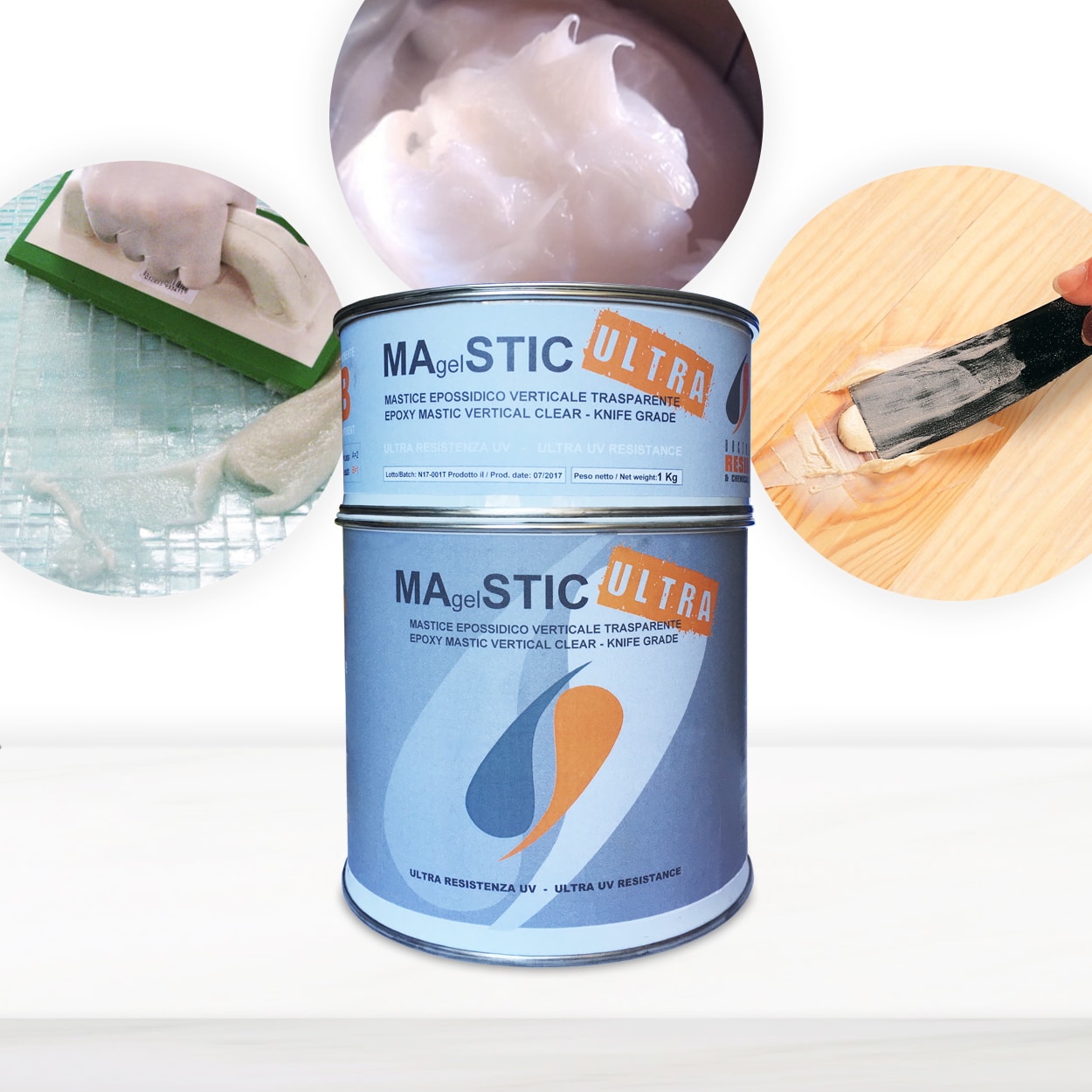
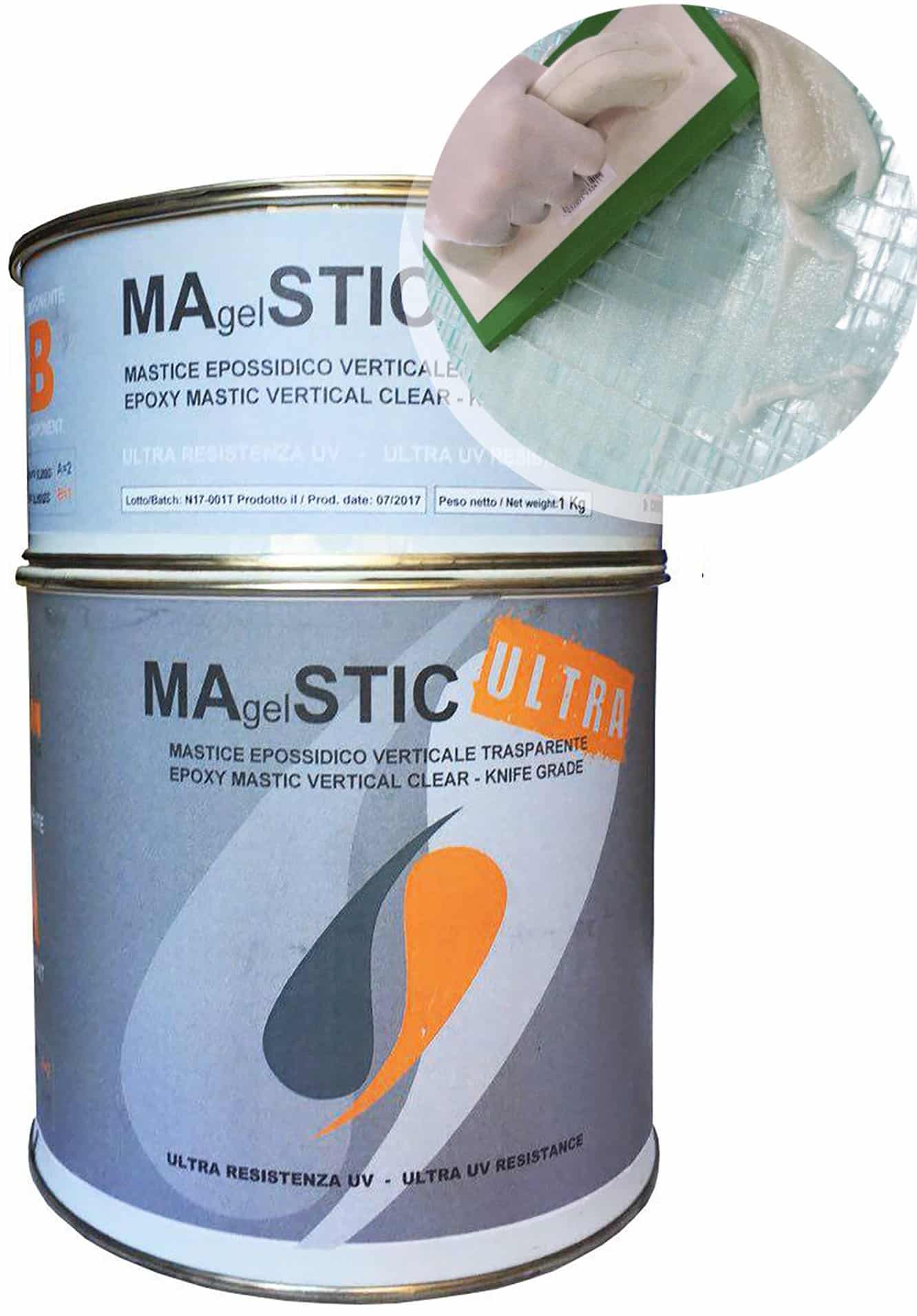
When planning a tiling or restoration project, understanding the differences between epoxy and cement grout is essential for achieving lasting results. Each type brings unique benefits and considerations to the table.
Main Differences Between Epoxy and Cement Grout
Epoxy grout is formulated from resins and hardeners, unlike standard cement grout made primarily from sand, cement, and water. This gives epoxy grout several practical advantages: it’s exceptionally durable, highly resistant to water and chemicals, and much less porous. Cement grout, by contrast, is more susceptible to staining, moisture, and cracking over time—especially in high-traffic or wet environments.

Handling and Application
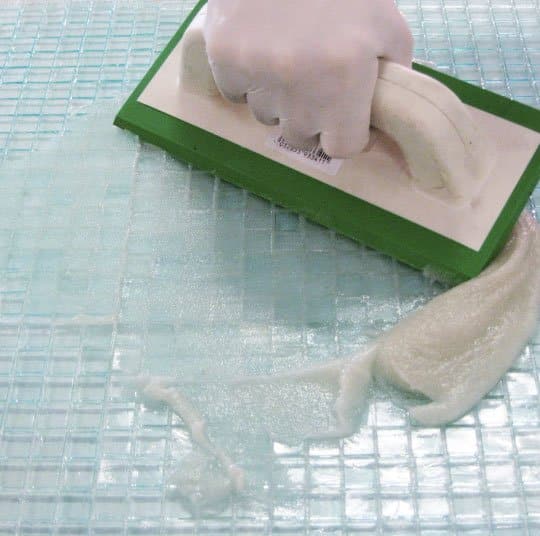
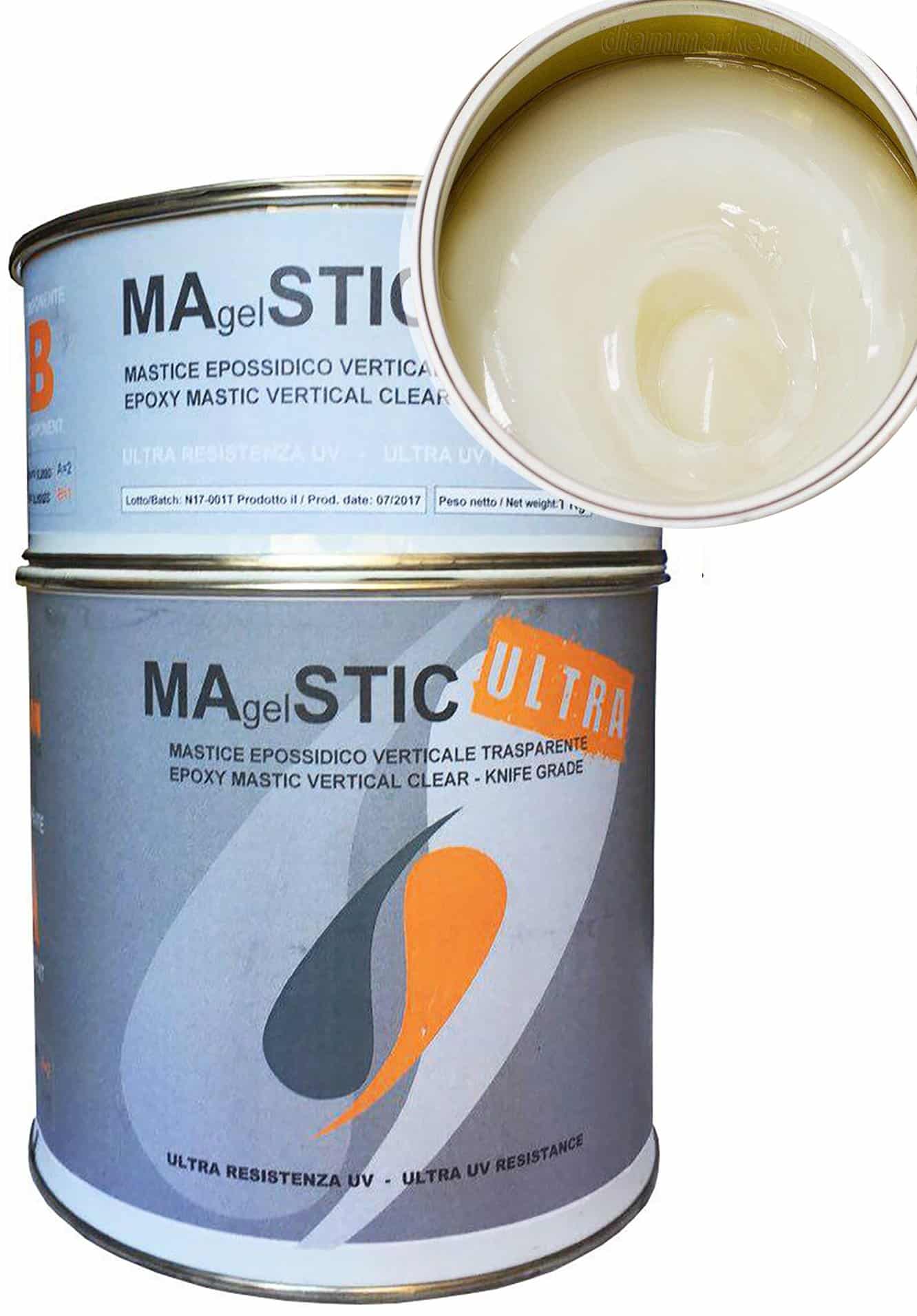
Mixing and applying epoxy grout requires more care than cement grout. Epoxy sets relatively quickly and must be accurately mixed in the correct proportions to work effectively. Precise application tools, such as a tooth shaped spatula or professional-grade mastic like Magelstick, are recommended to ensure a smooth, even finish and to take advantage of the product’s thixotropic nature—helpful for vertical and intricate surfaces.
When the Choice Matters Most
- Wet areas: Epoxy grout’s water and chemical resistance makes it ideal for bathrooms, kitchens, and exterior applications.
- Durability demands: Spaces exposed to heavy footfall or regular cleaning benefit from epoxy’s superior mechanical strength.
- Precision work: Epoxy grout is often favoured where a flawless, minimal-shrinkage finish is essential, such as in stone restoration or decorative tiling.
Related products
Related guides
Choosing between epoxy and cement grout impacts both the look and longevity of your installation. For more detail on working with epoxy products or to understand application specifics, explore our main guide on how to apply epoxy grout.