 Free shipping on orders over £29,85
  Shipping Tracking!


 Google
 Facebook
How do you apply epoxy grout?
A step-by-step guide for flawless epoxy grout application
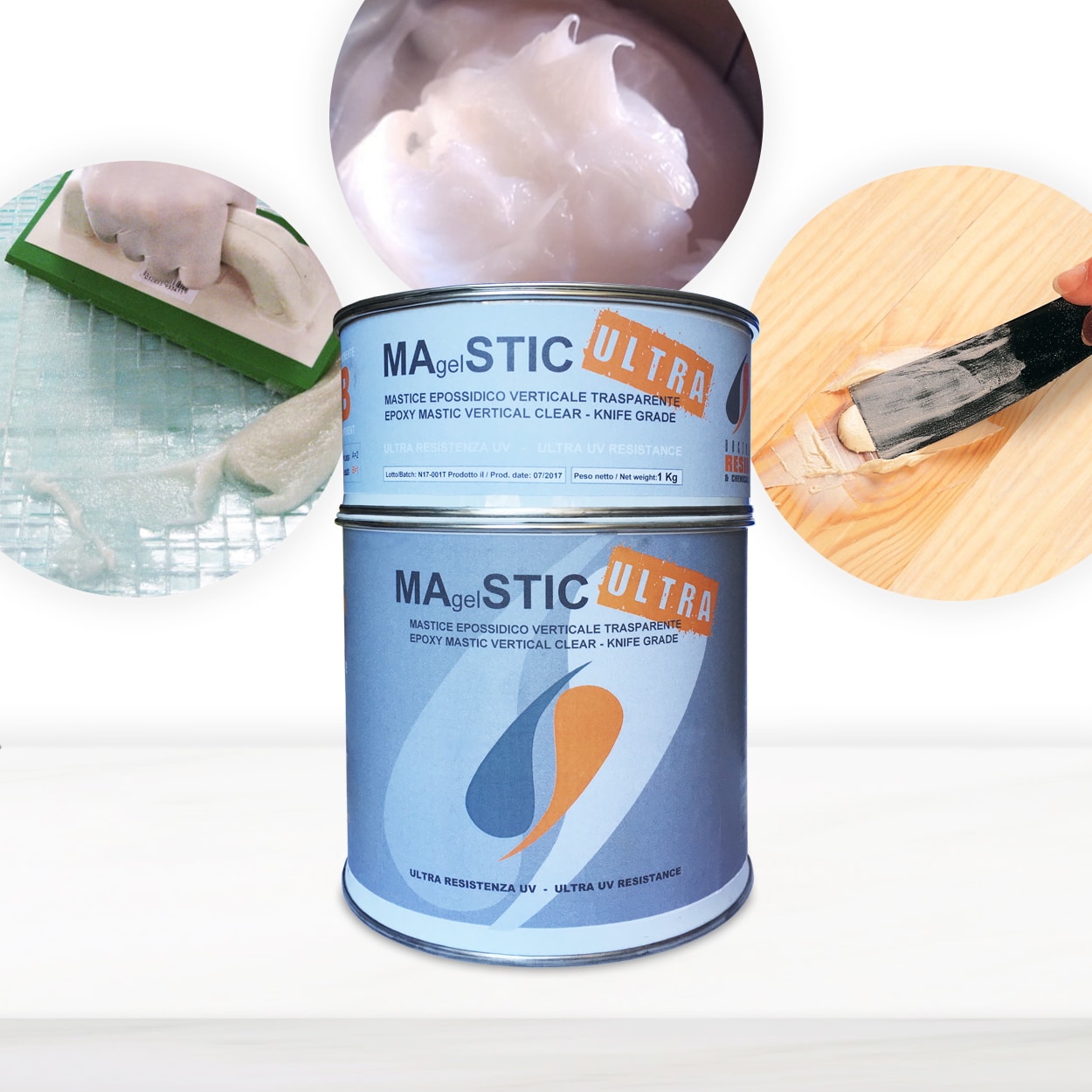
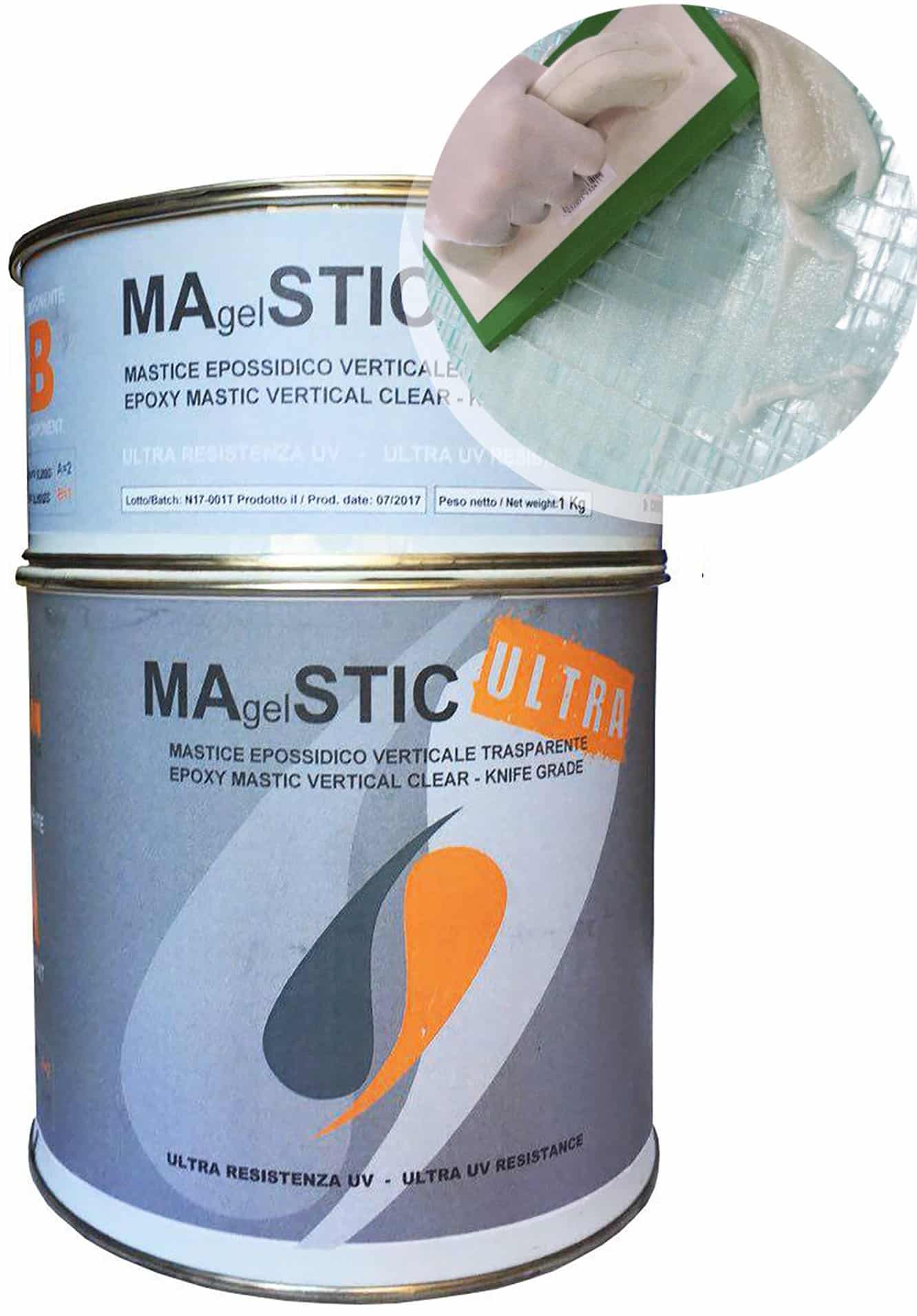
Epoxy grout is favoured for its exceptional strength and resistance to chemicals, making it the go-to choice for demanding environments like bathrooms, kitchens, and commercial spaces. This guide walks you through how to apply epoxy grout correctly, safeguarding both the longevity and the appearance of your surfaces, whether you are working with stone, tile, or cement joints. Both professionals and skilled DIYers will find actionable, technical advice below.
What You’ll Need
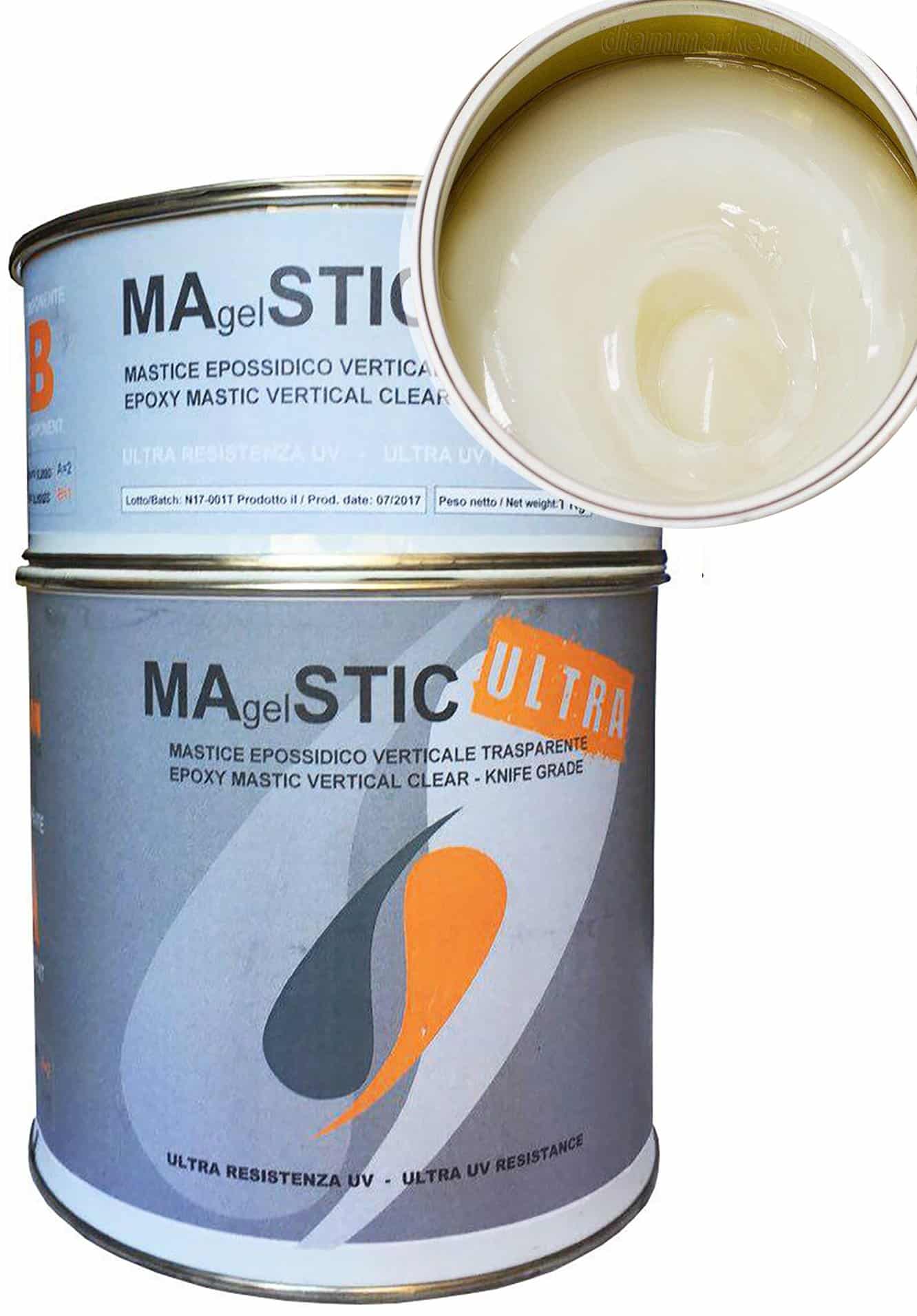
- “Magelstick” – Epoxy Mastic for Stone, Metal, and Cement Bonding and Grouting: A bi-component epoxy mastic designed for grouting and bonding stone, metal, and cement surfaces.
- “Epoxyprimer” – Universal Water-Based Two-Component Epoxy Floor Primer: For preparing and priming absorbent surfaces such as concrete or screed.
- Tooth Shaped Spatula for Epoxy Resin Application: Assists with smooth and even spreading of grout.
- “Mixer Nozzle” – For Mixing Epoxy Glue, 50ml, Araldite 2000 Series Compatible: Useful for thoroughly mixing smaller batches of epoxy components.
Essential Tools and Surface Preparation
Proper surface and tool preparation is the foundation of a successful epoxy grout job. Use a dedicated primer to enhance adhesion on absorbent floors, and ensure your spatulas and mixer nozzles are clean before you start. Taking the time to prepare will reduce defects and save significant effort during application.
Step 1: Clean and Prepare the Surface Meticulously
Any successful epoxy grout application starts with comprehensive preparation. Remove existing grout, dust, oil, and debris from joints or crevices using a vacuum or a clean, dry brush. For absorbent or particularly porous substrates such as untreated concrete or screed, you will achieve better adhesion and longer-lasting results by priming the area beforehand. “Epoxyprimer” – Universal Water-Based Two-Component Epoxy Floor Primer is well-suited for this task, as it promotes uniform bonding with the grout. Allow primer to cure fully as specified, typically 24–48 hours, before continuing.


Step 2: Use Precise Mixing Techniques to Ensure Strength
Measure out the epoxy components following the correct mixing ratio (such as 100:50 by weight for Magelstick) to guarantee optimal curing and durability. Mix both parts thoroughly until the colour and texture are completely uniform. A mixing paddle or a disposable spatula can be used for manual mixing; for cartridge systems or small batches, the “Mixer Nozzle” – For Mixing Epoxy Glue, 50ml, Araldite 2000 Series Compatible is ideal for achieving consistent results without air pockets or uneven distribution. Avoid mixing large amounts at once to prevent premature curing and wastage.
Step 3: Apply Grout Evenly and Efficiently
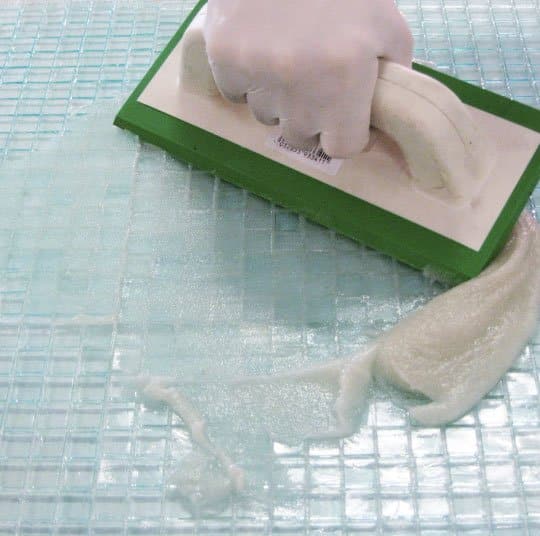
After proper mixing, immediately spread the epoxy grout into joints or gaps using a flexible rubber float or a specialist tool. The Tooth Shaped Spatula for Epoxy Resin Application helps ensure an even, run-free layer, controlling the amount of product used and minimising waste. Press the grout firmly into the crevices to eliminate voids. Work in manageable sections and maintain a wet edge to prevent the grout from setting too quickly during application.
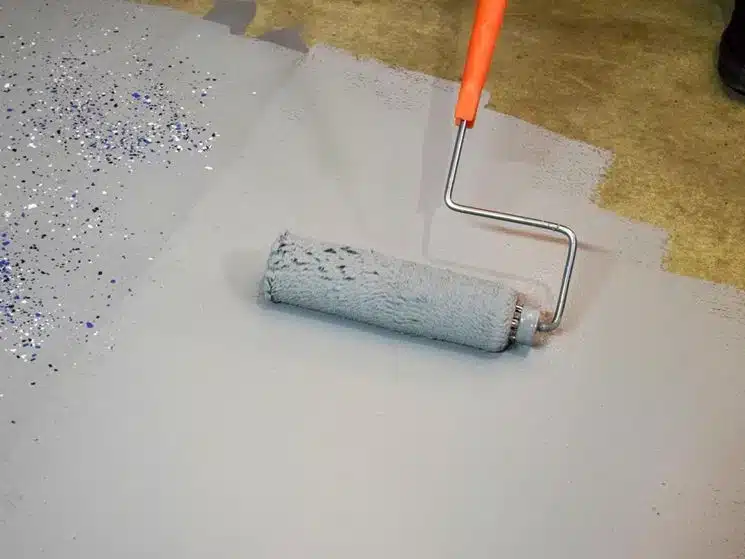

Step 4: Perform Careful Finishing and Cleaning
Before the epoxy grout begins to set (check manufacturer working times), remove excess material using a slightly damp, lint-free cloth or sponge. Avoid flooding the area with water, as excessive moisture can inhibit curing or create haze. Inspect the joints and use the spatula’s edge to refine lines as needed. Let the grout cure fully based on product instructions before subjecting the surface to heavy use or moisture.
Tips, Common Mistakes, and Troubleshooting
Always work in small, controlled batches to match your pace of application, as epoxy grout can harden quickly. Double-check the mixing ratio and mix thoroughly to prevent weak joints or incomplete curing. Wipe away excess grout early—epoxy residues can be very difficult to remove once cured. If haze appears after curing, specialised epoxy cleaners may be required for removal.

Achieving the Perfect Finish
Attention to timing and application technique results in a flawless finish. Work swiftly but carefully, always following the recommended curing windows. Using specialised spatulas helps ensure crisp joints and avoids messy clean-up or uneven lines common with rushed jobs.
- "Magelstick" – Epoxy Mastic for Stone, Metal, and Cement Bonding and Grouting"Magelstick" Epoxy Mastic is suitable for bonding and grouting stone, metal, and cement surfaces with a thixotropic formula aiding vertical…
- "Epoxyprimer" – Universal Water-Based Two-Component Epoxy Floor PrimerPrice range: £156.45 through £286.45"Epoxyprimer" is a water-based two-component floor primer designed for effective adhesion on various substrates in epoxy flooring.
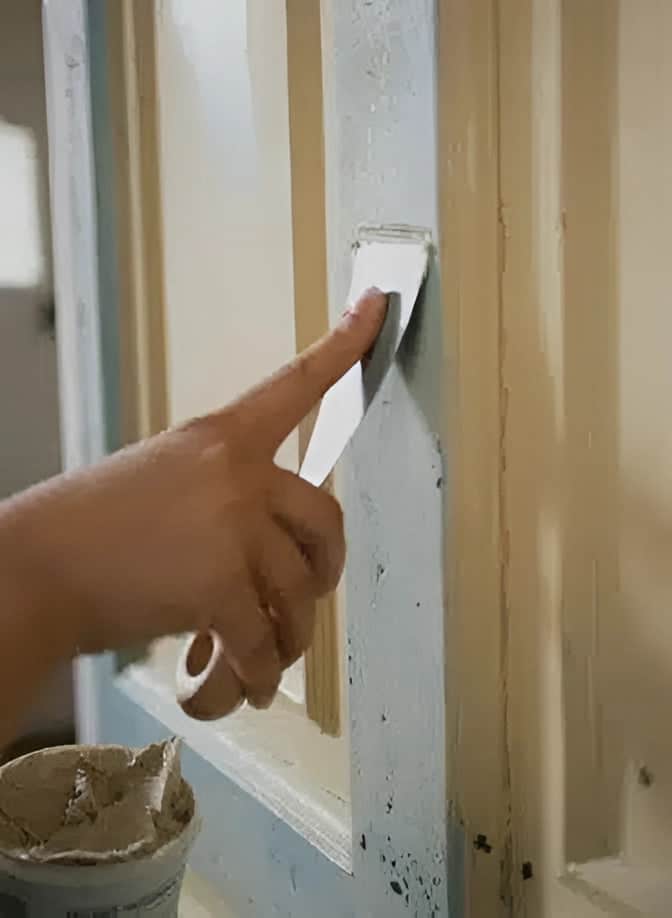
- Tooth Shaped Spatula for Epoxy Resin Application£3.45The Tooth Shaped Spatula is designed for precise and even epoxy resin application on various surfaces.
- "Mixer Nozzle" – For Mixing Epoxy Glue, 50ml, Araldite 2000 Series Compatible£1.52This nozzle is designed for mixing epoxy glue with Araldite 2000 series cartridges in the 50ml size.
Frequently Asked Questions
Which surfaces can epoxy grout be applied to?
Epoxy grout is suitable for stone, metal, cement, tiles, and other non-porous surfaces. Always check compatibility with your chosen product.
Do I need a primer before applying epoxy grout?
For best adhesion on porous substrates like screed or concrete, applying an epoxy primer is highly recommended before grouting.
What is the typical working time for epoxy grout?
Working time varies by product and environment, but is usually limited to 20–45 minutes. Prepare only what you can apply in this window.
How do I remove epoxy grout haze after it has cured?
Cured epoxy haze often requires a specialised cleaning agent or solvent; prompt removal of excess during application is best.
Can epoxy grout be applied in cold temperatures?
Most epoxies require a minimum substrate temperature (often 10°C). Always check the manufacturer’s guidelines before applying.
Do epoxy grouts require special tools for application?
Specialist spatulas and mixer nozzles provide better control and a smoother finish than general DIY tools.
How is epoxy grout different from cement grout?
Epoxy grout is more durable, chemical-resistant, and waterproof compared to traditional cement grout, though handling is more precise.