 Free shipping on orders over £29,85
  Shipping Tracking!


 Google
 Facebook
← Back to How to repair a resin bumper?
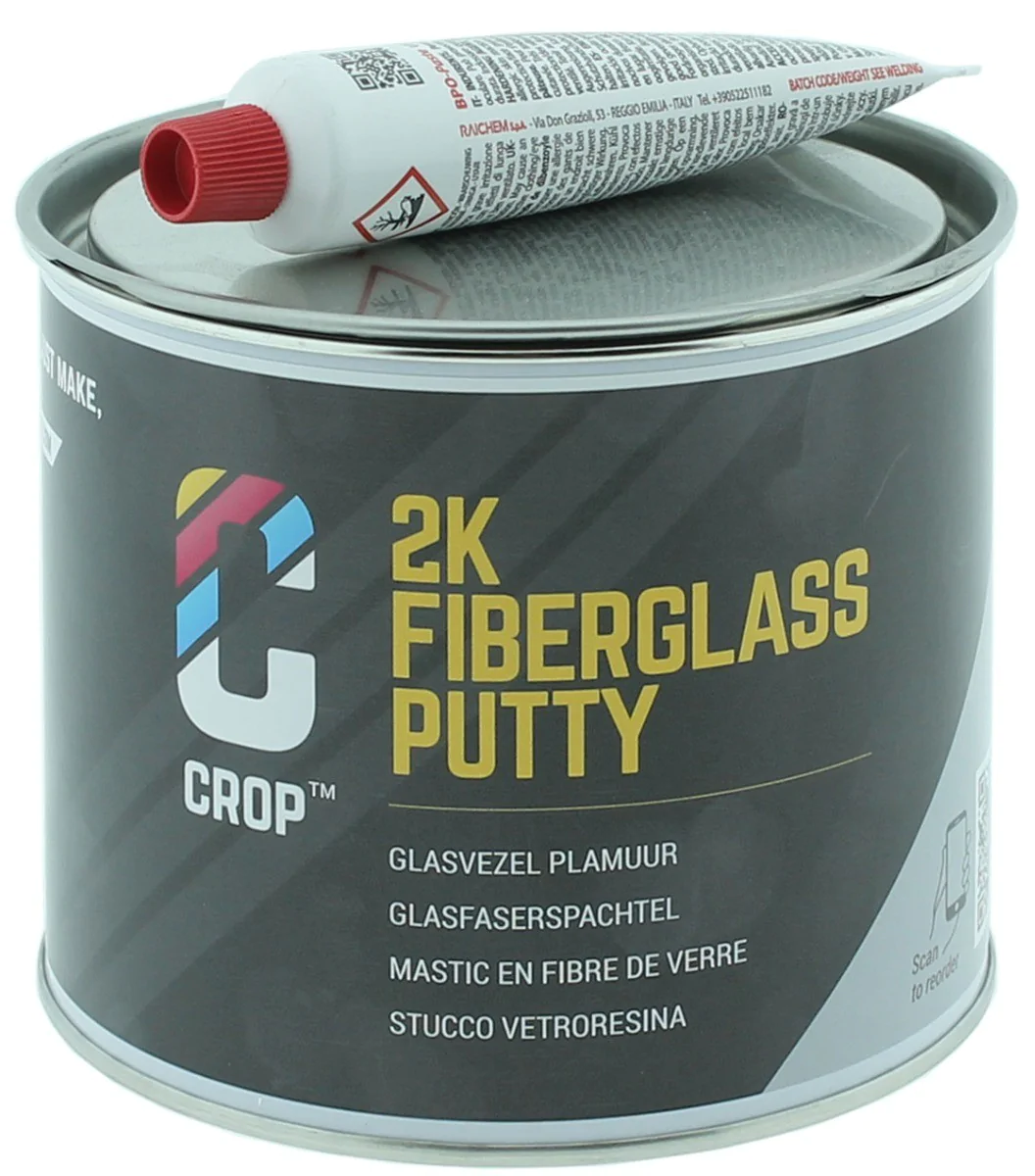
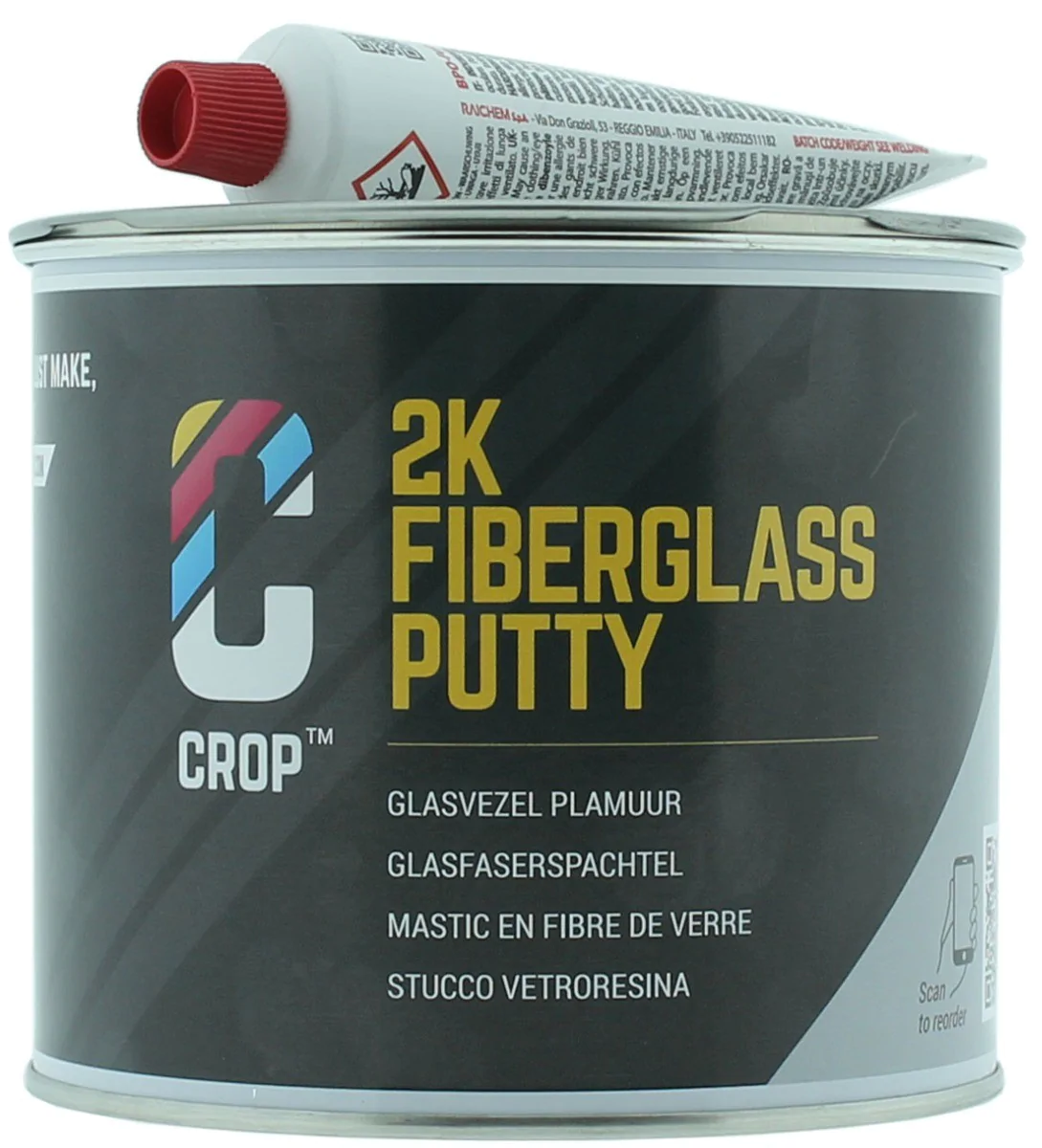
Curing time is one of the most important factors in a successful resin bumper repair. Knowing when your chosen resin or putty is fully cured ensures you achieve the best possible surface for sanding, priming, and painting.
How Long to Wait: Typical Curing Times
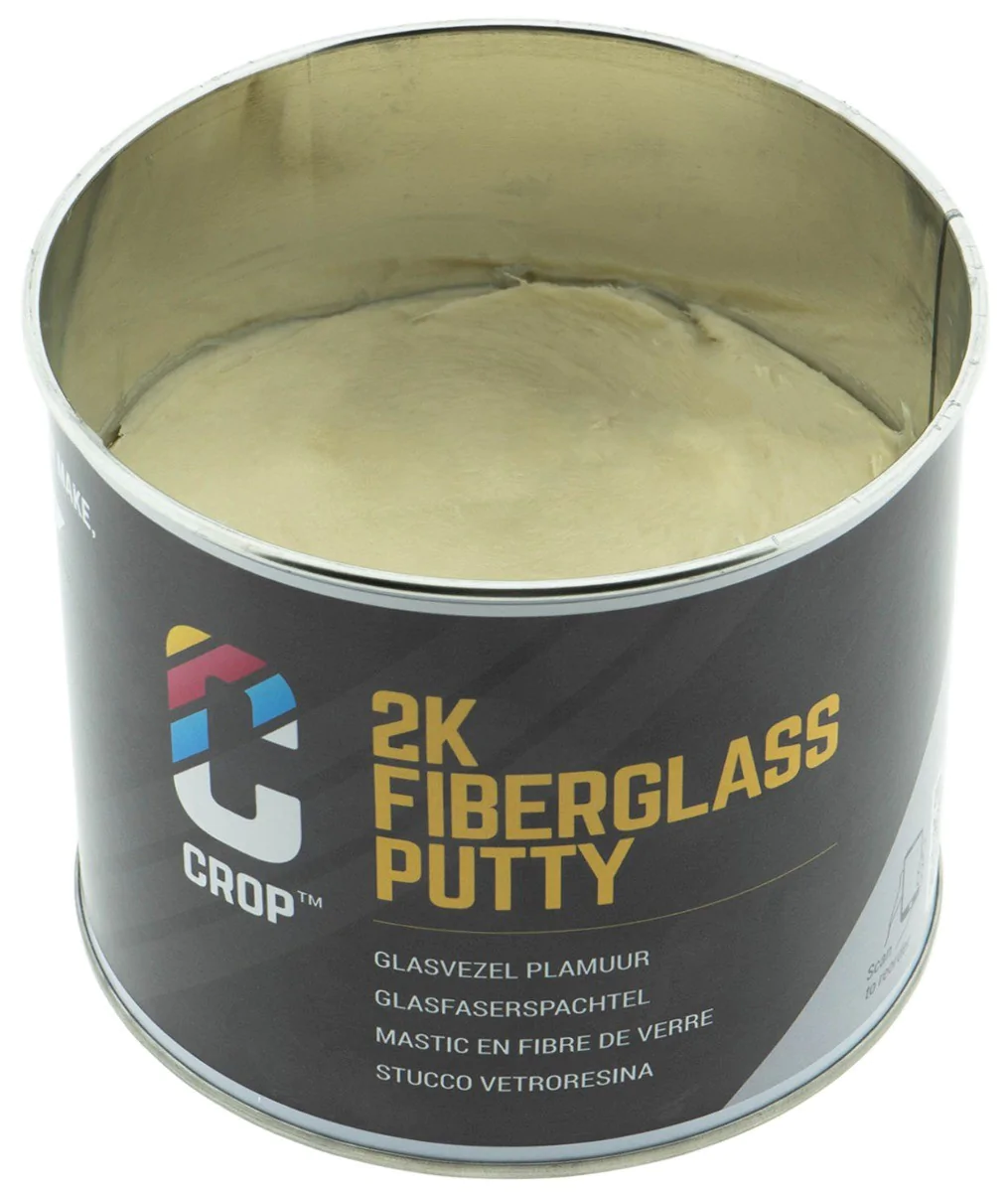
The time needed before sanding a resin or epoxy bumper repair depends on the type of repair material. Epoxy glues can become sandable in as little as 30–60 minutes, while polyester-based resins or fibreglass putties generally require several hours. For example, products like CROP 2K Fiberglass Putty should be left to cure until they are completely hard to the touch before any finishing work begins. Always check the product instructions for the recommended curing time, as ambient temperature and humidity can affect results.

Practical Guidance for Sanding
Before you start sanding your repair area, ensure the resin or putty is solid and fully set. If you try sanding too soon, you risk clogging your sandpaper or damaging the partially-cured surface. Gently press the repair (with a glove or tool) to confirm it has hardened—if there’s any give, allow extra curing time. Begin sanding with a medium grit to shape, then move to a finer grit for a smooth finish. Waiting for a complete cure provides better adhesion for primer and paint.
When Curing Time Really Matters
- In cooler or damp conditions, be prepared for longer curing times, as resin systems react more slowly at lower temperatures.
- For deeper fills, a longer cure is needed, especially with thick layers of fibreglass putty or resin.
- Always prioritise full curing for repairs on high-stress or visible bumper areas, as premature sanding can compromise the result.
Related products
Related guides
Allowing sufficient curing time before sanding lays the groundwork for a flawless, durable bumper repair. For more detailed steps and specialist products, explore our full guide on how to repair a resin bumper.