 Free shipping on orders over £29,85
  Shipping Tracking!


 Google
 Facebook
← Back to how to apply resin to concrete
Applying resin to concrete can transform your floors, giving them a durable and attractive finish. To achieve the best results, it’s vital to start with concrete that has cured thoroughly before any resin is applied.
Why Curing Time Matters
Fresh concrete contains significant moisture, which needs ample time to evaporate as the structure hardens. Applying resin onto uncured or damp concrete can result in poor adhesion, bubbling, or long-term damage. Ensuring your concrete is properly cured creates a stable base for the resin, leading to a longer-lasting and visually appealing surface.
Recommended Waiting Period
For optimal results, allow new concrete to cure for at least 28 days before starting any resin application. This period ensures that residual moisture is released and the slab has reached its required strength. Skipping this curing time increases the risk of moisture-related problems.
After the initial cure, check for visible dryness and consider testing for residual moisture if your project is indoors or in a humid climate.
Practical Steps Before Applying Resin
- Inspect the surface: Confirm that the concrete is dry, clean, and free from oil, dust, or laitance.
- Primer application: For best adhesion—especially with epoxy or decorative finishes—use a primer such as Epoxyprimer before your main resin layer.
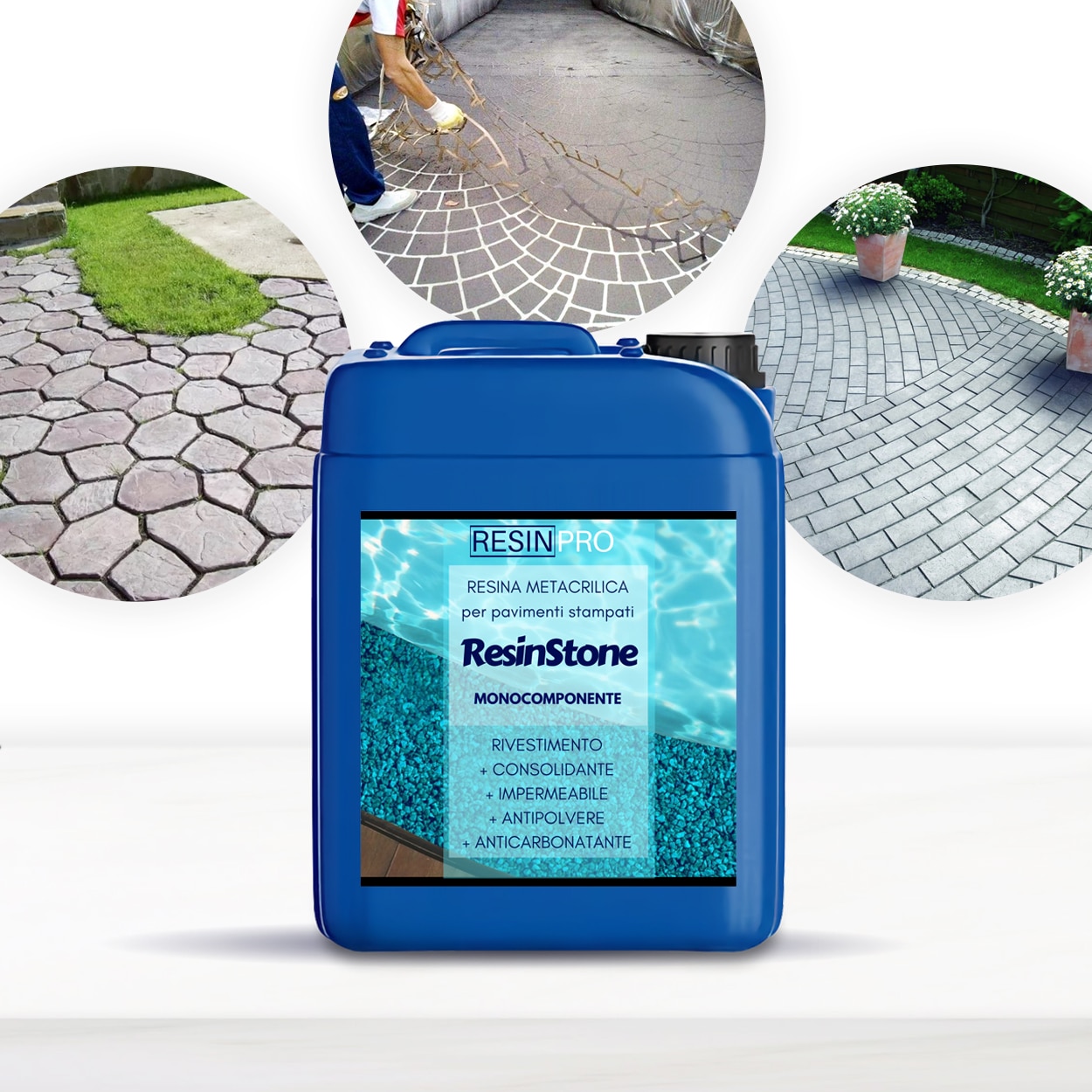
- Choose compatible resins: Products like Resinstone are designed specifically for sealing and protecting absorbent concrete surfaces.
When This Matters Most
Proper curing is especially important for outdoor slabs, garages, or driveways exposed to moisture and temperature changes. Rushing this step can lead to compromised finishes and potential resurfacing in the future.
Related products
Related guides
Letting your concrete cure fully sets the foundation for a successful resin application, whether you’re upgrading a driveway or adding a decorative floor. For more expert guidance, visit our full guide on how to apply resin to concrete.