 Free shipping on orders over £29,85
  Shipping Tracking!


 Google
 Facebook
← Back to How is the resin applied to the pantograph engraving?
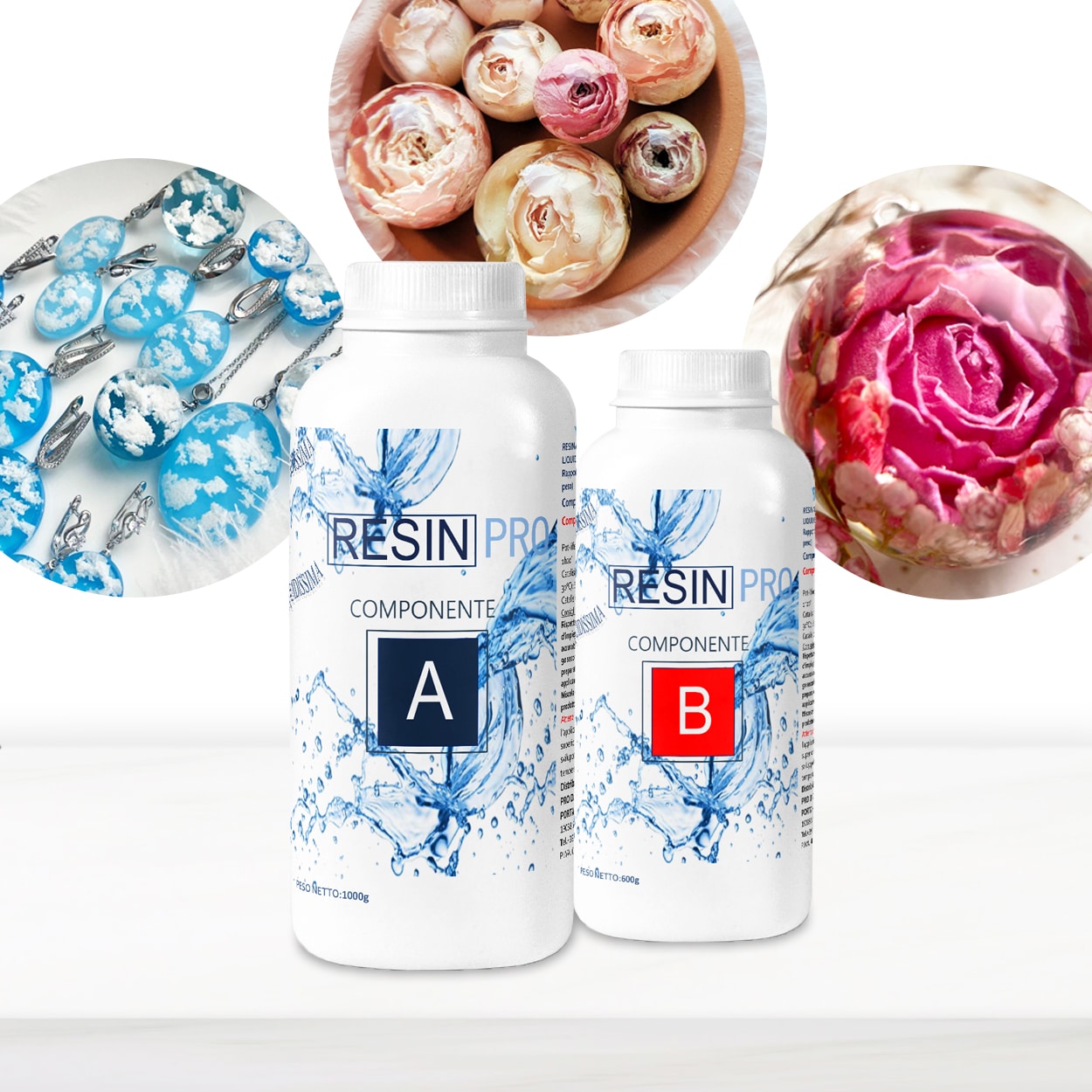
When filling engravings such as those made with a pantograph, it’s important to understand how long different types of resin take to cure for the best results. The curing process can affect both appearance and durability, so timing matters.
Curing Times: Epoxy vs. UV Resin
Epoxy resin typically requires several hours to cure, depending on the depth and ambient conditions. For engravings with intricate detail, a low-viscosity epoxy such as “Liquidissima” – Epoxy Resin For Creations & Jewellery flows easily into fine lines and generally cures within 12–24 hours for thin applications. In contrast, UV resins—like “Fairy Wings” – UV Resin for Volumetric Reliefs—are formulated to harden in 3–5 minutes under a suitable UV lamp. This speed makes UV resins ideal when you need rapid curing and instant layering.
Key Factors Influencing Curing
Regardless of the resin type, factors such as temperature, humidity, and the thickness of the layer will impact curing time. Thin, even applications will cure more reliably and prevent uneven results. Tools like the Tooth Shaped Spatula ensure a uniform spread, helping you achieve a smooth, professional finish and reducing areas of incomplete cure.
When Fast Cure Matters
Quick curing is essential for time-sensitive projects, multi-layer work, or when capturing fine details that could shift if left too long in a liquid state. UV resin solutions are especially useful in these scenarios, offering control and speed for layers up to a few millimetres thick.
Related products
Related guides
Understanding curing times for both epoxy and UV resin helps you achieve precise, durable results in engraved projects. For more on resin application methods, visit our main guide on how resin is applied to pantograph engraving.