 Free shipping on orders over £29,85
  Shipping Tracking!


 Google
 Facebook
← Back to How to apply resin to a stamped floor?
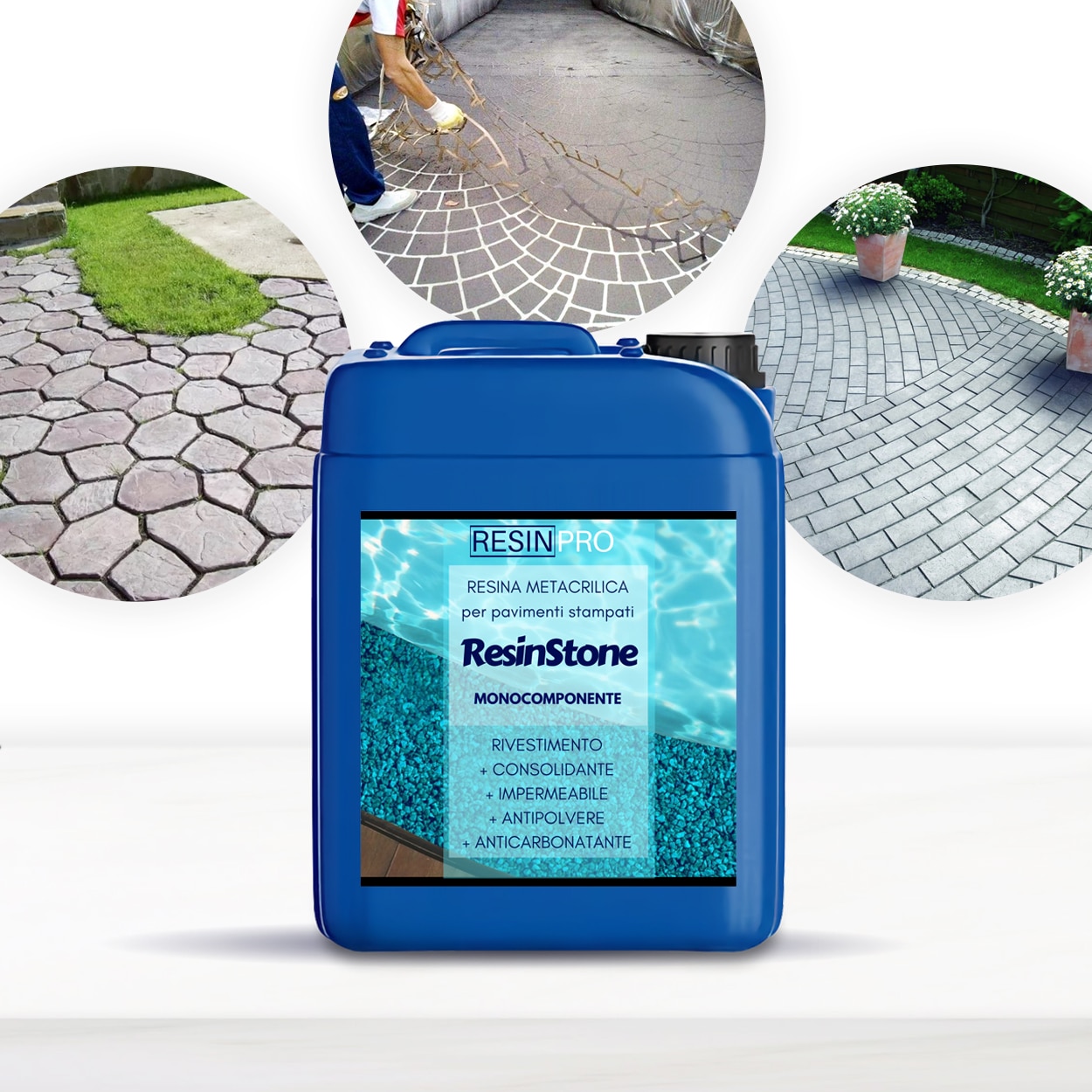
Ensuring a stamped concrete floor remains protected and visually appealing comes down to applying the right number of resin coats. Achieving a professional, durable finish requires a measured approach.
Recommended Number of Resin Coats
For the majority of stamped concrete surfaces, two thin coats of resin are typically advised. The first coat deeply penetrates the concrete, creating a strong base layer, while the second offers a smooth, even seal. Applying thin layers helps to prevent resin from pooling in the textured recesses common to stamped floors, ensuring full coverage without obscuring detail.
Tips for a Smooth Application
- Always start by cleaning and fully drying the surface.
- Use a large roller for speed on bigger areas, and a short-pile roller for working into detailed patterns or edges. See Resin & Paint Application Rollers for suitable tools.
- Allow the first coat to dry thoroughly as per the resin manufacturer’s guidance before applying the second.
- Avoid heavy application—thin, even coats produce the best results and help maintain the surface’s pattern.
When This Matters Most
Applying the correct number of coats is especially important on outdoor stamped concrete that faces weather exposure or in high-traffic areas. Proper sealing prolongs the floor’s life and helps it resist marks, moisture, and dirt.
Related products
Related guides
Using the right number of thin resin coats is a key step in maintaining stamped concrete’s beauty and resilience. For a complete DIY guide to surface protection, explore our main page on how to apply resin to a stamped floor.