 Free shipping on orders over £29,85
  Shipping Tracking!


 Google
 Facebook
How to apply resin to a stamped floor?
Step-by-step instructions for sealing decorative concrete surfaces
Applying resin to a stamped floor is an excellent way to protect decorative concrete, enhance colour depth, and ensure a durable, easy-to-maintain surface. This guide will provide you with a practical, step-by-step approach for successful resin application, whether your project is for an outdoor patio, driveway, or an indoor decorative floor. Attention to surface preparation and correct application technique makes all the difference to your final result.
What You’ll Need
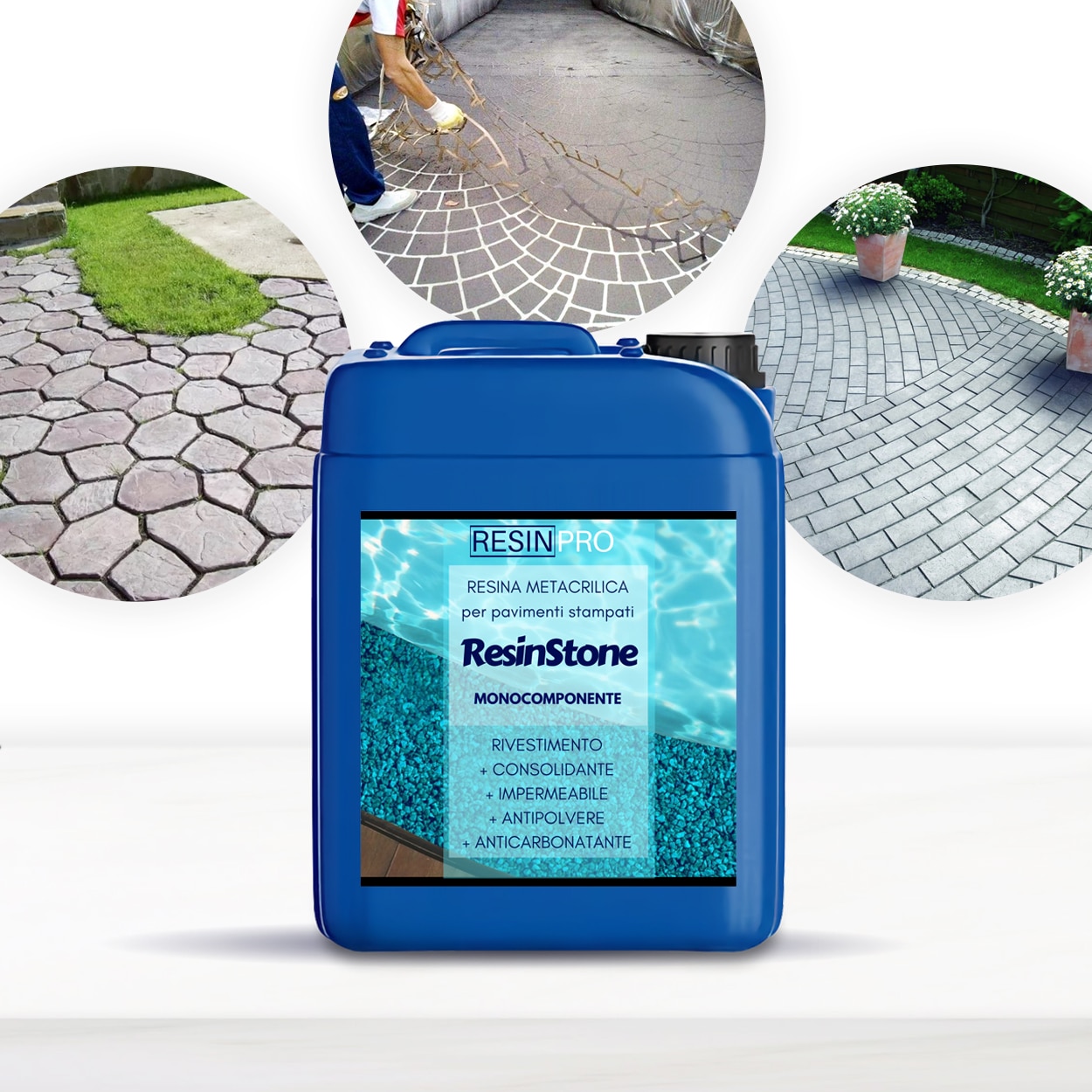
- “Resinstone” – One-Component Methacrylic Resin for Concrete Floors and Driveways: For sealing and protecting the stamped surface.
- “Epoxyprimer” – Universal Water-Based Two-Component Epoxy Floor Primer (optional, for enhanced adhesion on challenging substrates).
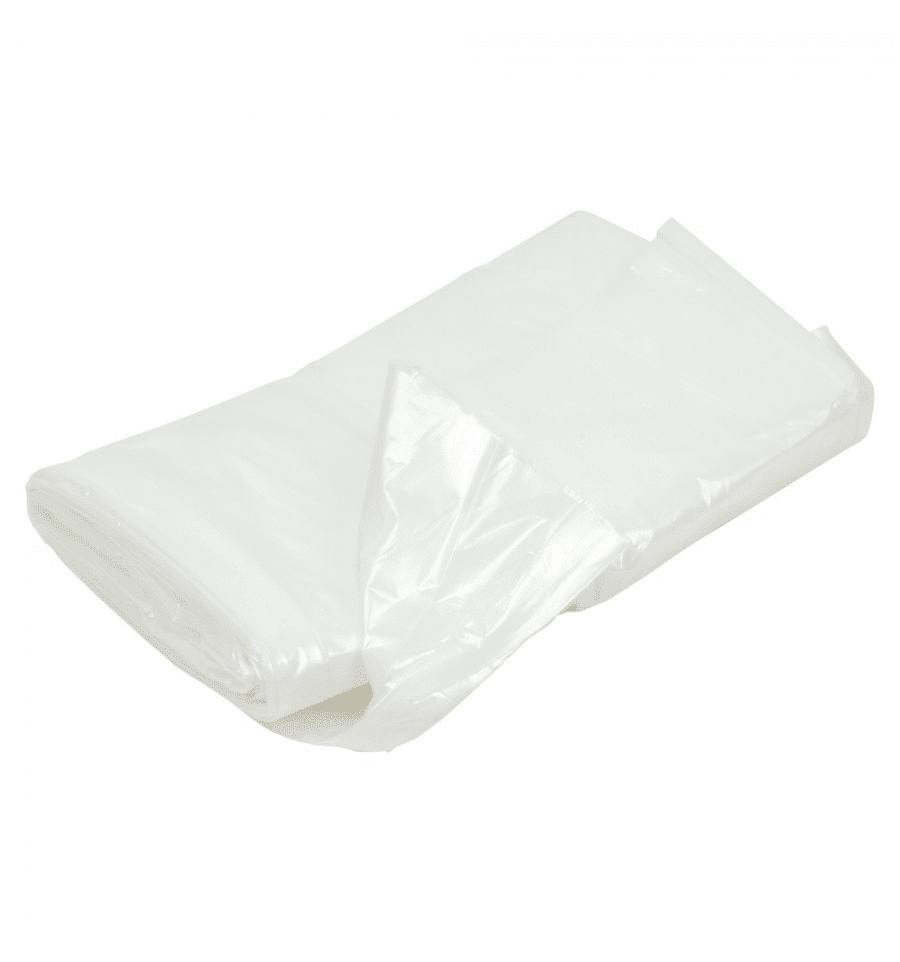
- Protective Sheet Film for Resin Projects, 4x4m Surface Cover: To shield areas from resin drips or splashes.
- Resin & Paint Application Rollers – Short-Pile, Large, and Sponge Types: For precise and even resin application.
- Standard cleaning supplies (broom, vacuum, mop) and personal protective equipment (PPE).

Essential tools for every resin floor project
Use the right tools and PPE whenever working with resins and primers – a clean application ensures strong adhesion and lasting results. Preparedness helps you avoid waste and delivers a truly professional finish on any stamped concrete.
Step 1: Clean the stamped surface thoroughly
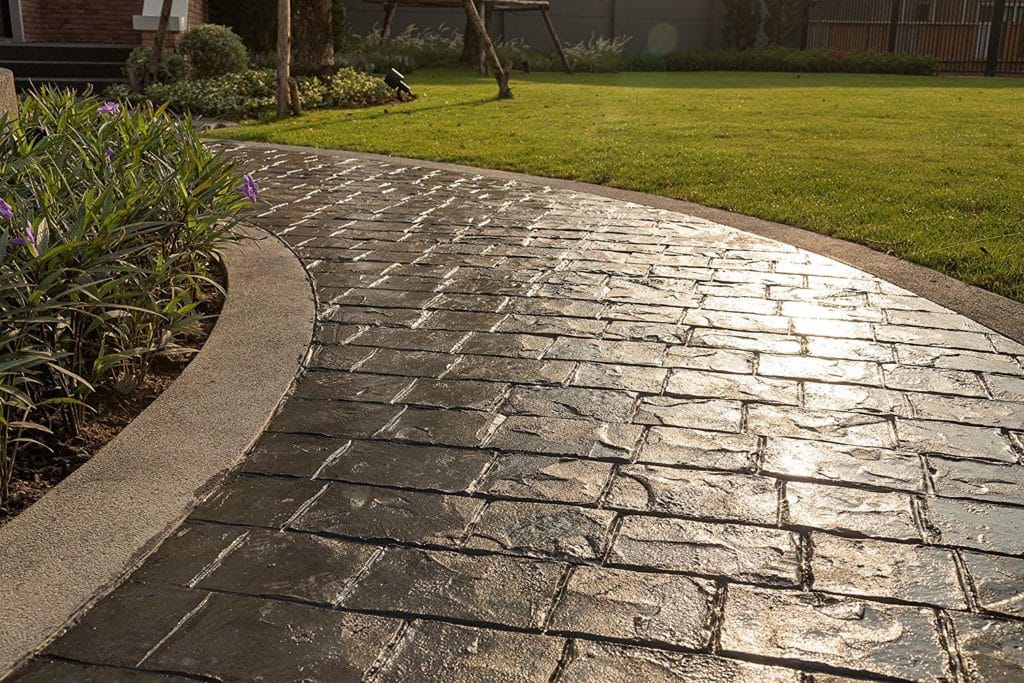
A flawless finish begins with perfect preparation. Make sure your stamped concrete floor is completely clean and free from dust, grease, debris, stains, or loose material. Use a broom or vacuum cleaner for any dry particles, then mop using mild detergent. Allow the surface to dry fully—resin must never be applied to damp concrete. Pay special attention to joints and textured areas where grime might accumulate.
If your stamped floor is outdoors, inspect for any moss or organic growth, removing these thoroughly. Proper cleaning prevents adhesion problems and trapped dirt beneath the resin layer.
Step 2: Prime for maximum adhesion
For the best results—especially on older, polished, or non-porous concrete—apply a dedicated primer before the resin. This step ensures long-lasting durability and helps the resin adhere evenly across both raised and recessed areas of the stamped pattern.
If extra adhesion is required, “Epoxyprimer” – Universal Water-Based Two-Component Epoxy Floor Primer is specifically formulated to bond to concrete and support resin topcoats. Mix per instructions, then apply evenly with a roller, brush, or spatula. Allow to dry for 24–48 hours, depending on temperature and humidity, before moving to the next step.
Step 3: Apply resin with even, thin coats
Once your surface is clean and primed, it’s time to apply the resin sealant. Work in a ventilated area if possible, and protect surrounding spaces using a Protective Sheet Film for Resin Projects, 4x4m Surface Cover to catch any drips.
Decant the resin into a paint tray. Use an appropriate Resin & Paint Application Roller (short-pile for detail, large for open areas, sponge roller for self-levelling) to spread the resin in thin, uniform coats. Follow the stamped pattern to avoid puddling in recesses—several thinner layers are preferable to one thick coat for both aesthetics and performance. Allow each coat to set as per manufacturer guidance, typically within 12 hours for products such as Resinstone.
Step 4: Allow for proper curing and maintenance
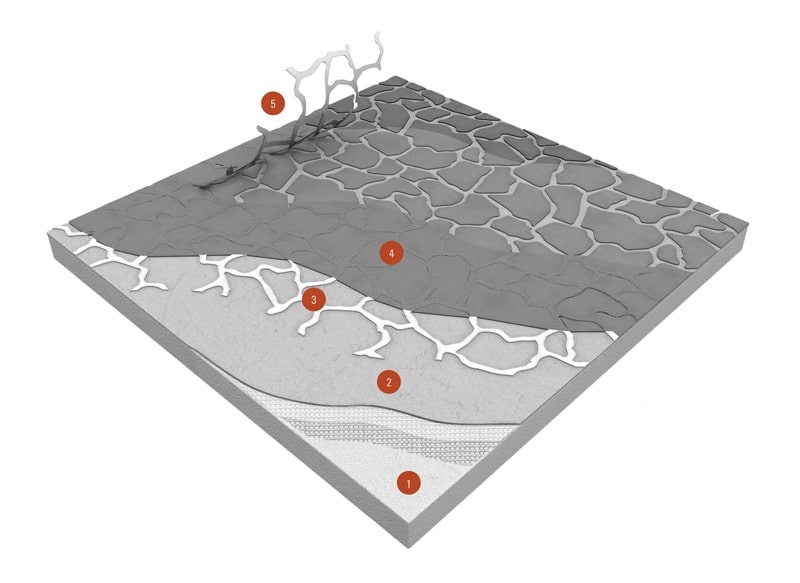
Once the final coat is applied, keep the area free of traffic, dust, and moisture for the specified cure period. For most single-component methacrylic resins, a minimum of 12 hours is required—but longer is preferable in cool or damp conditions.
After curing, avoid placing heavy furniture or driving vehicles on the surface for several days. Clean the surface only with gentle, pH-neutral cleaners to protect your new resin topcoat and maximise its lifespan.
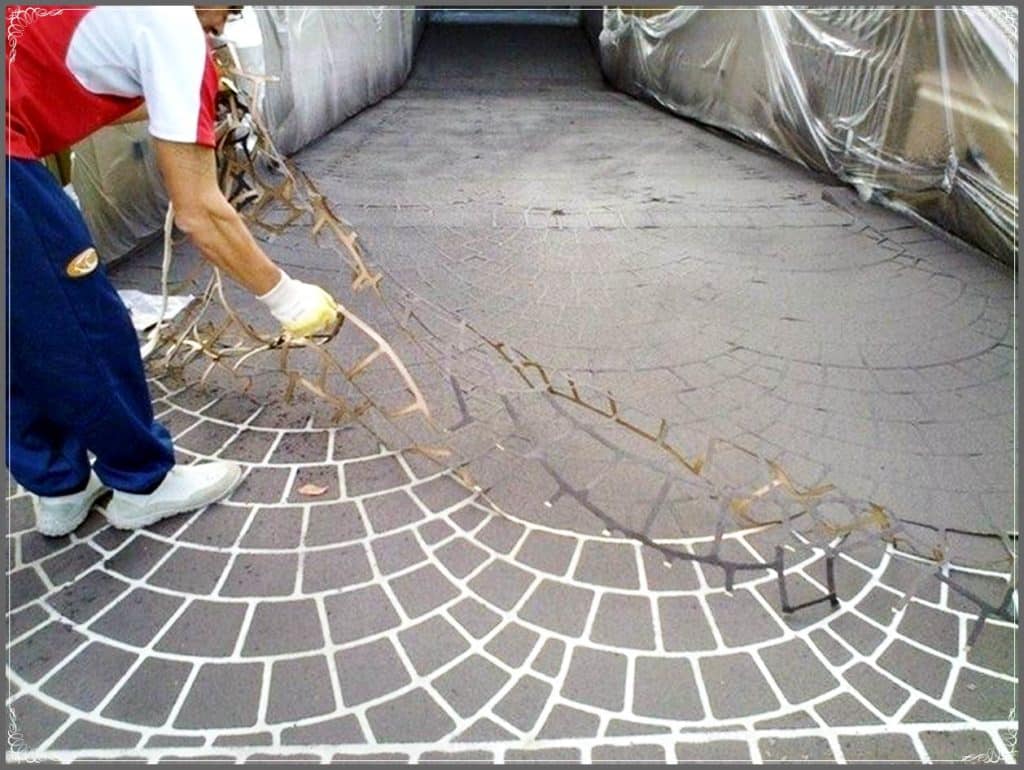
Tips, Common Mistakes, and Troubleshooting
Temperature and humidity play a big part in resin curing success—apply resin on dry, mild days for best results. Never apply resin to damp or dirty concrete as it will compromise adhesion. Thin coats prevent unwanted pooling in stamped crevices and ensure an even, glossy result. Regular maintenance with non-abrasive cleaners will keep your stamped resin floor looking pristine.
If air bubbles form during application, lightly roll over them before the resin sets. Should adhesion issues arise, check for incomplete cleaning or insufficient drying prior to application. Always consult the resin manufacturer’s guidance for suitability on specific stamped floor types before starting your project.
See how stamped resin floors stand out
Stamped resin floors not only protect but also enhance the unique character of decorative concrete patterns. Browse our inspiration gallery to see what’s possible in garden paths, patios, and high-traffic driveways.
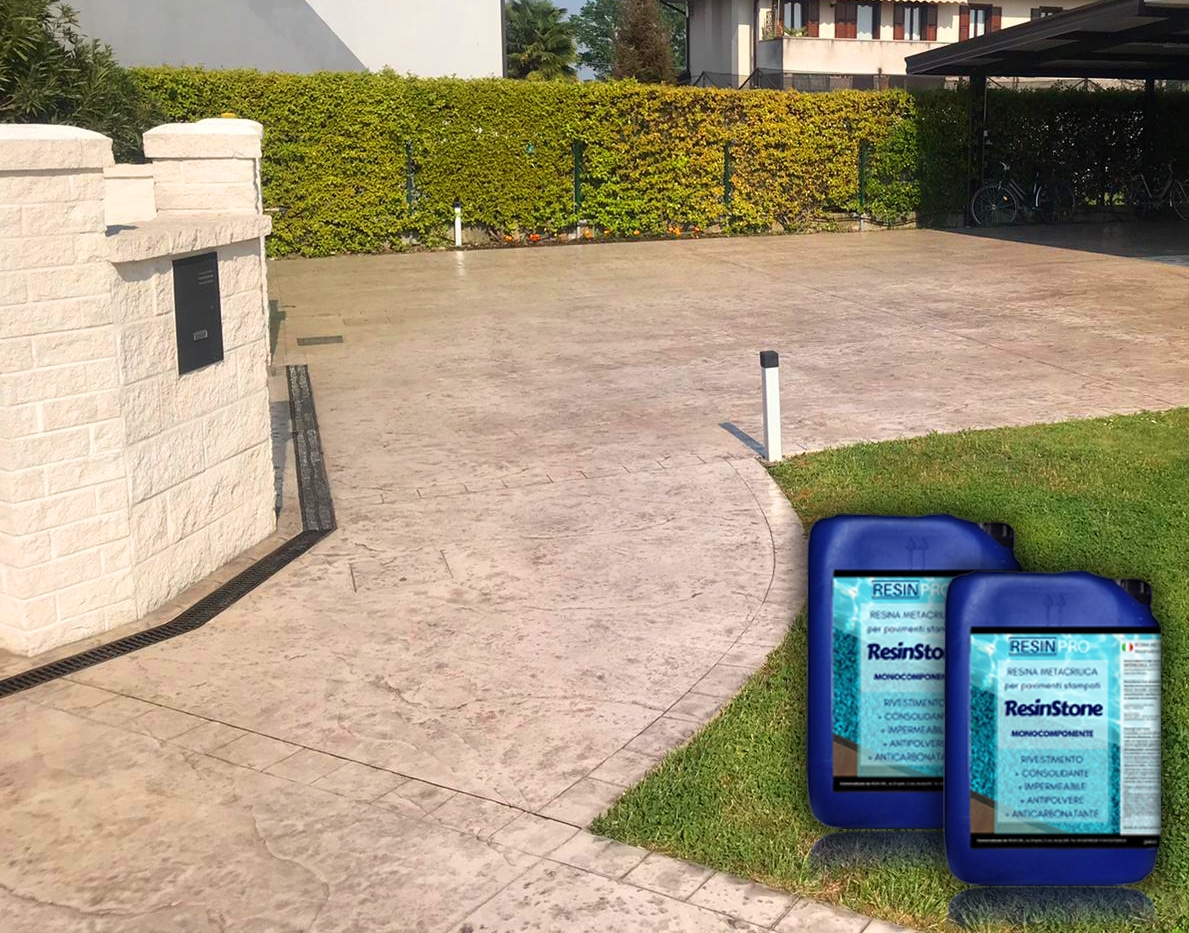
- "Resinstone" – One-Component Methacrylic Resin for Concrete Floors and DrivewaysPrice range: £29.85 through £59.85Resinstone is a one-component methacrylic resin intended for sealing and protecting concrete floors and driveways, suitable for stamped floors.
 "Epoxyprimer" – Universal Water-Based Two-Component Epoxy Floor PrimerPrice range: £148.84 through £272.45Epoxyprimer is a water-based epoxy floor primer suitable for concrete, tiles, screeds and timber, designed to assist reliable adhesion.
- Protective Sheet Film for Resin Projects, 4x4m Surface Cover£2.85Protective Sheet Film designed to safeguard worktops and floors during resin and DIY projects within the theme of how to apply resin to a stamped…
 Resin & Paint Application Rollers – Short-Pile, Large, and Sponge TypesPrice range: £3.45 through £4.85Rollers designed for epoxy resin applications provide precision and uniformity, suitable for various resin surfaces under the theme How to apply…
Frequently Asked Questions
Can I apply resin directly to old stamped floors?
It’s best to thoroughly clean and prime older floors to ensure optimal adhesion and avoid peeling or flaking.
How many coats of resin are needed for stamped concrete?
Typically, two thin coats provide a smooth, sealed finish while preventing pooling in recessed areas.
Which roller type is best for applying resin to a stamped floor?
A short-pile or sponge roller works well for textured surfaces, ensuring even coverage over the pattern.
How long should I wait before using my resin-sealed floor?
Wait at least 12 hours for light use, and several days before heavy use or placing furniture or vehicles.
Do I need to prime stamped concrete before applying resin?
Priming is strongly recommended, especially on smooth, old, or non-porous stamped surfaces.
What if resin doesn’t adhere to patterned concrete?
Check surface cleanliness and dryness. Consider using a compatible primer to improve adhesion.