 Free shipping on orders over £29,85
  Shipping Tracking!


 Google
 Facebook
How many types of resin are there?
A comprehensive guide to types of resin and their creative uses
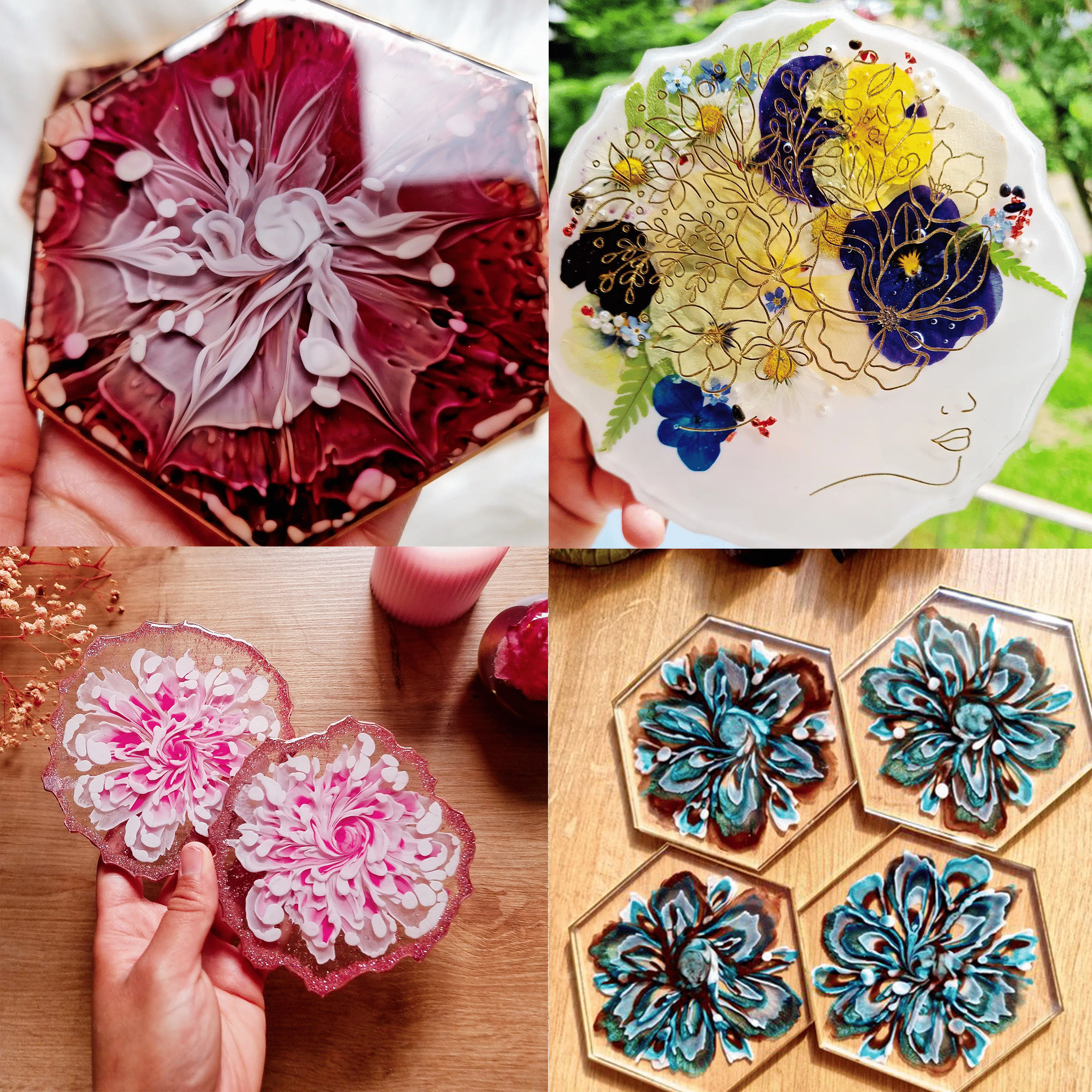
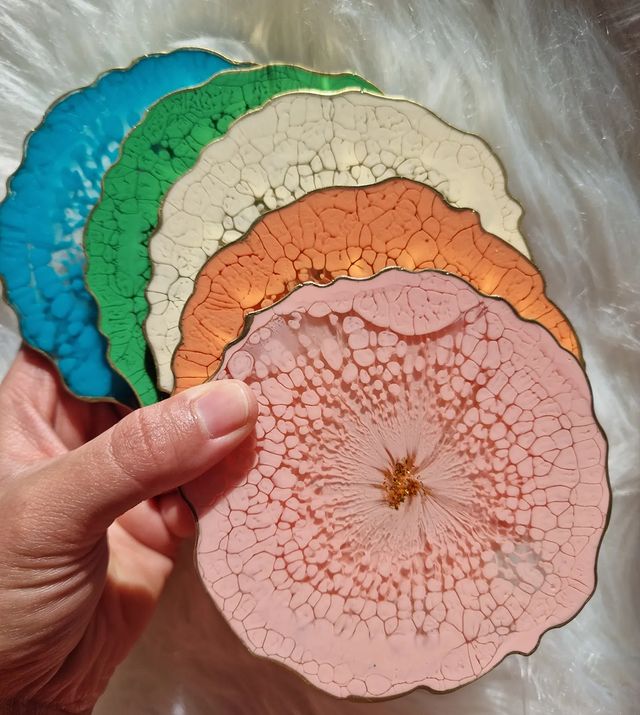
If you have ever wondered how many types of resin there are and which type is best suited for different kinds of creative projects, this page will give you a practical overview. Whether you are a beginner in resin crafts, a model maker, or a seasoned artist exploring new techniques, understanding the core resin types will help you achieve the best results for your work.
Understanding the Main Types of Resin
Resin encompasses several core types, each formulated for specific uses and with unique curing mechanisms. The main types include epoxy resin, polyurethane resin, and UV-curing acrylic resin. Each offers particular characteristics such as clarity, work time, curing speed, and suitability for different effects or surfaces. For instance, epoxy resins are valued for their durable, glossy finish and versatility, while polyurethane resins excel in fast, detailed castings. UV-curing resins, such as acrylic gels, are favoured for fine, 3D work and instant set times. Understanding these distinctions helps you select the most suitable resin for each project.
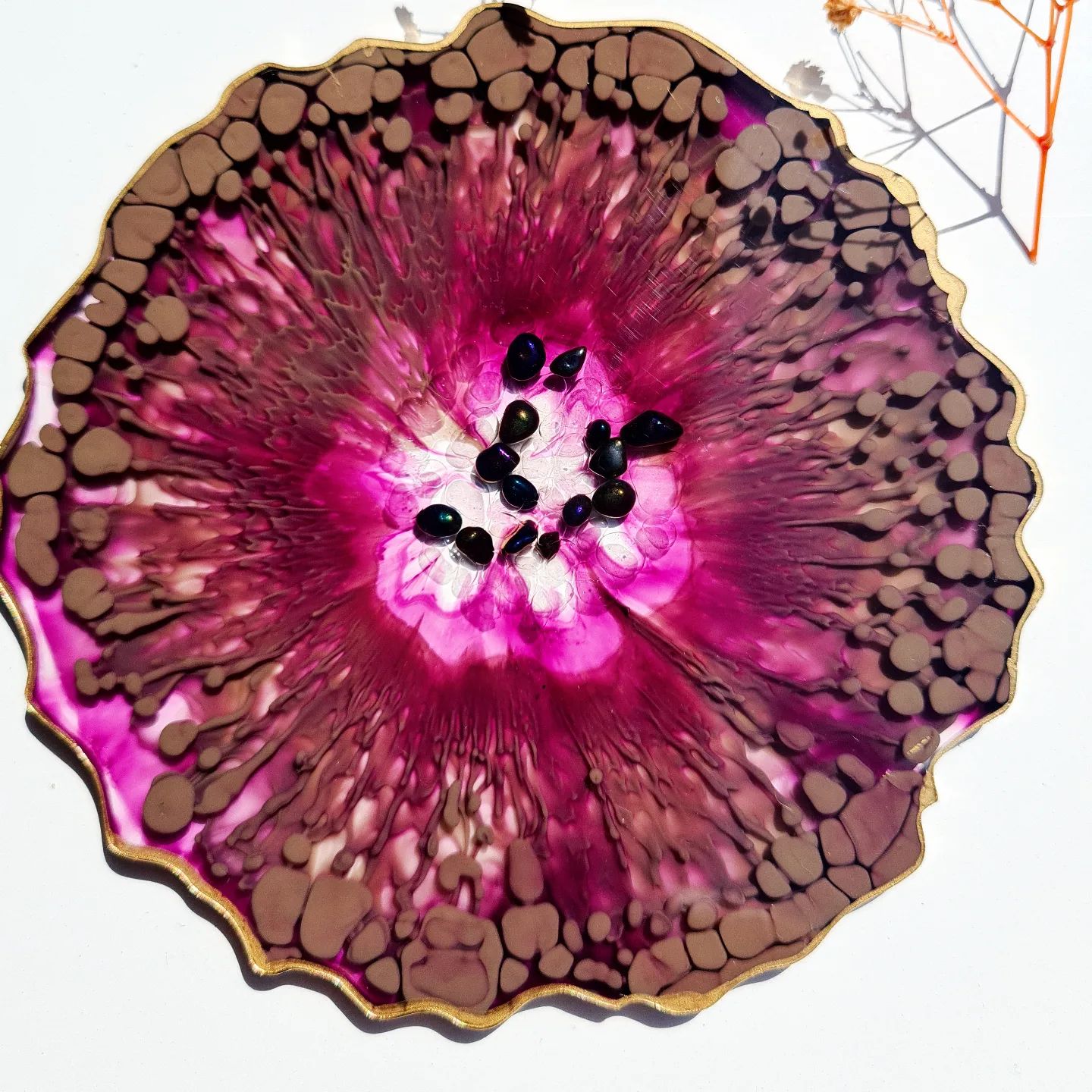
Visual Comparison of Resin Types
Explore images of projects created with different resin types for hands-on inspiration. From crystal-clear epoxy to bold-coloured cast polyurethane figures and delicate UV reliefs, each technique highlights the strengths of its material of choice.
Learn by Doing: Resin Class – 3D Effects Coasters Masterclass, 120 Minutes
The Resin Class – 3D Effects Coasters Masterclass, 120 Minutes is ideal for those wanting hands-on experience with multiple resin types. This course covers essential techniques for working with resin, including safe preparation, mixing, pouring, and shaping. You will explore how to choose between resin types for various 3D effects, and which characteristics—such as cure time or workability—matter for coasters, trays, or bowls. The course also includes helpful tips on colouring resin and working with moulds, making it a great entry point whether you are curious about epoxy, polyurethane, or UV resin options.
One-2-One – Epoxy Resin for Handcraft, 1:1 Mixing Ratio
For those looking for a user-friendly and versatile resin, One-2-One – Epoxy Resin for Handcraft, 1:1 Mixing Ratio offers a straightforward 1:1 by volume mix. Known for its non-toxic formulation and crystal-clear, high-gloss finish, it is ideal for both newcomers and experienced crafters. This type of epoxy resin is perfect for jewellery, cabochons, coatings, and small decorative projects, providing excellent UV resistance and durability. Its forgiving mixing ratio makes successful results easy and helps avoid common errors, making it a reliable choice when clarity and finish are important.
“IWhite” – Polyurethane Casting Resin – White, Fast-Curing Two-Part System
If your project demands fast turnaround and fine detail, “IWhite” – Polyurethane Casting Resin delivers an efficient solution. Distinguished from epoxy resin by its speed and fluidity, this two-part polyurethane system cures in roughly 30 minutes, capturing intricate details in moulded objects. It is paintable and colourable, making it excellent for model makers, rapid prototyping, and bespoke craft pieces. For precise, practical casts where speed is crucial, polyurethane resin stands apart from both epoxy and UV-curing alternatives.
“Fairy Wings” – UV Resin for Volumetric Reliefs, Dual Colour, 30ml
For artists focused on thin layers, volumetric reliefs, or instant setting, “Fairy Wings” – UV Resin for Volumetric Reliefs is an excellent example of the UV-curing resin category. This ready-to-use, one-component acrylic gel provides rapid curing within minutes under a UV lamp, offering creative control for 3D patterns and embellishments on surfaces like polymer clay. No mixing is required, and its dual colour system enhances decorative flexibility. UV-curing resins like this meet the needs of precision artists who want both fine detail and speed.
Choosing the Right Resin for Your Project
When selecting a resin, consider the end-use, working time, and finish required. Epoxy is versatile and widely used for clear pours and coatings; polyurethane is optimal for rapid, detail-rich castings while UV resin is best for small, intricate accents and instant results. Understanding the properties of each type helps avoid common issues like yellowing, slow cures, or surface imperfections. Referencing informative courses such as the Resin Class Masterclass can provide hands-on guidance, while exploring specific products like the One-2-One epoxy, IWhite polyurethane, or Fairy Wings UV resin will help you match resin properties to your intended result.
Tips on Picking the Right Resin
Choose a resin based on work time, intended surface, colouring options, and curing requirements. For a comprehensive, interactive overview, the Resin Class Masterclass offers direct experience. Don’t hesitate to start small to experiment with mixing, demoulding, and curing; this will build your confidence in selecting the right product for any future venture.
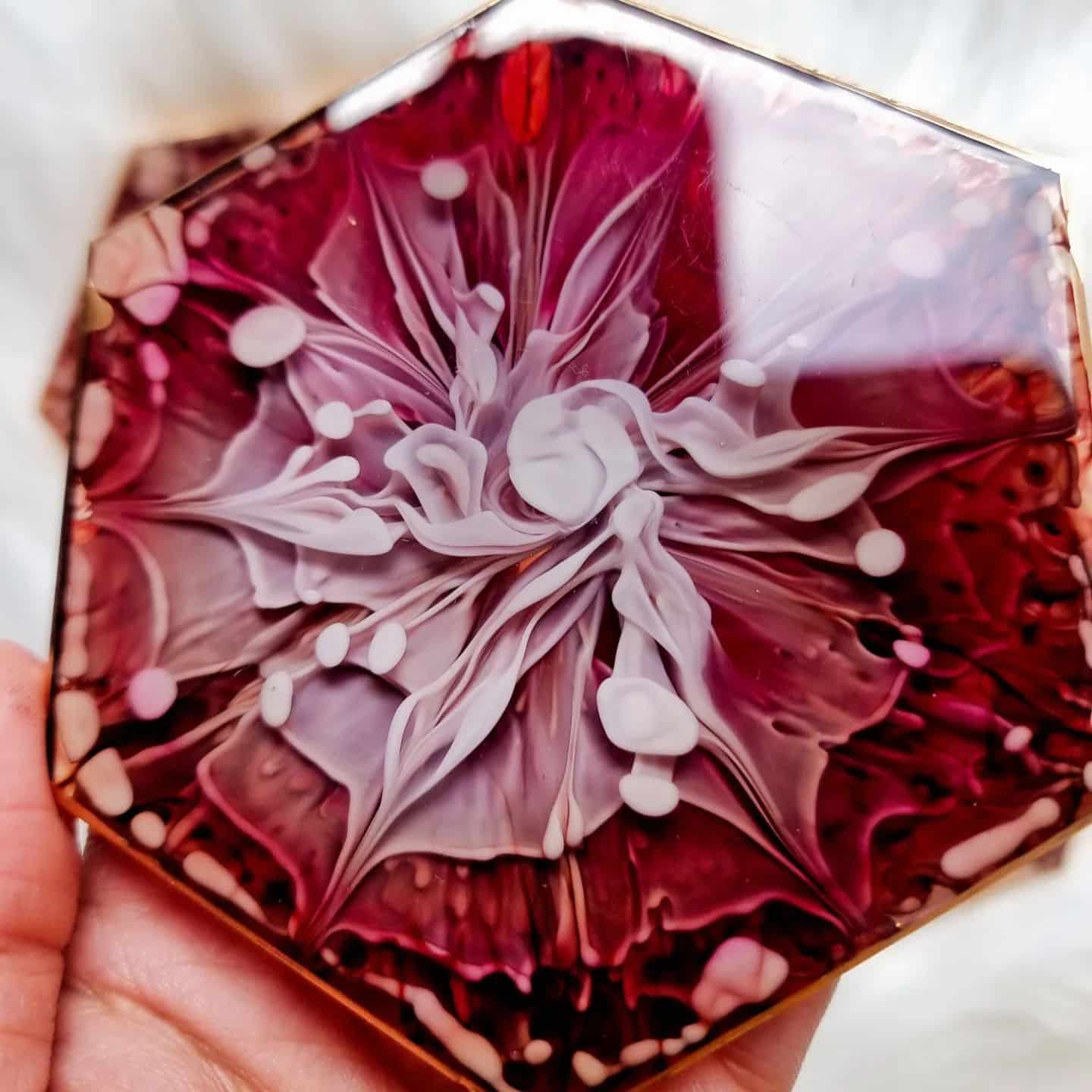
- Resin Class – 3D Effects Coasters Masterclass, 120 MinutesThis course introduces working with resin, including types suited to making coasters and bowls, aligned with the theme about resin types.
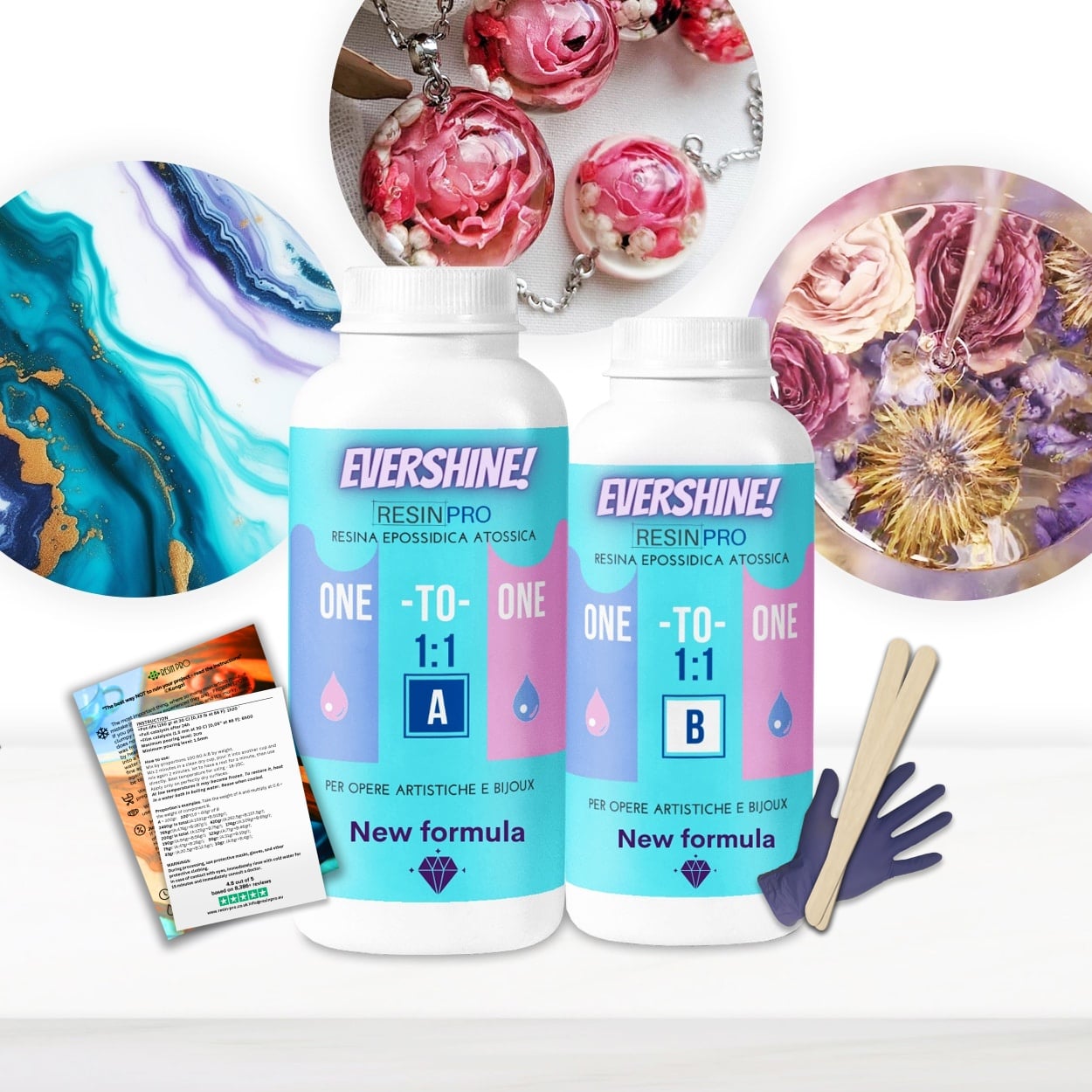 "One-2-One" – Epoxy Resin for Handcraft, 1:1 Mixing RatioPrice range: £15.95 through £59.95"One-2-One" epoxy resin is a medium viscosity formulation suitable for beginners and experienced crafters, designed for jewellery and decorative…
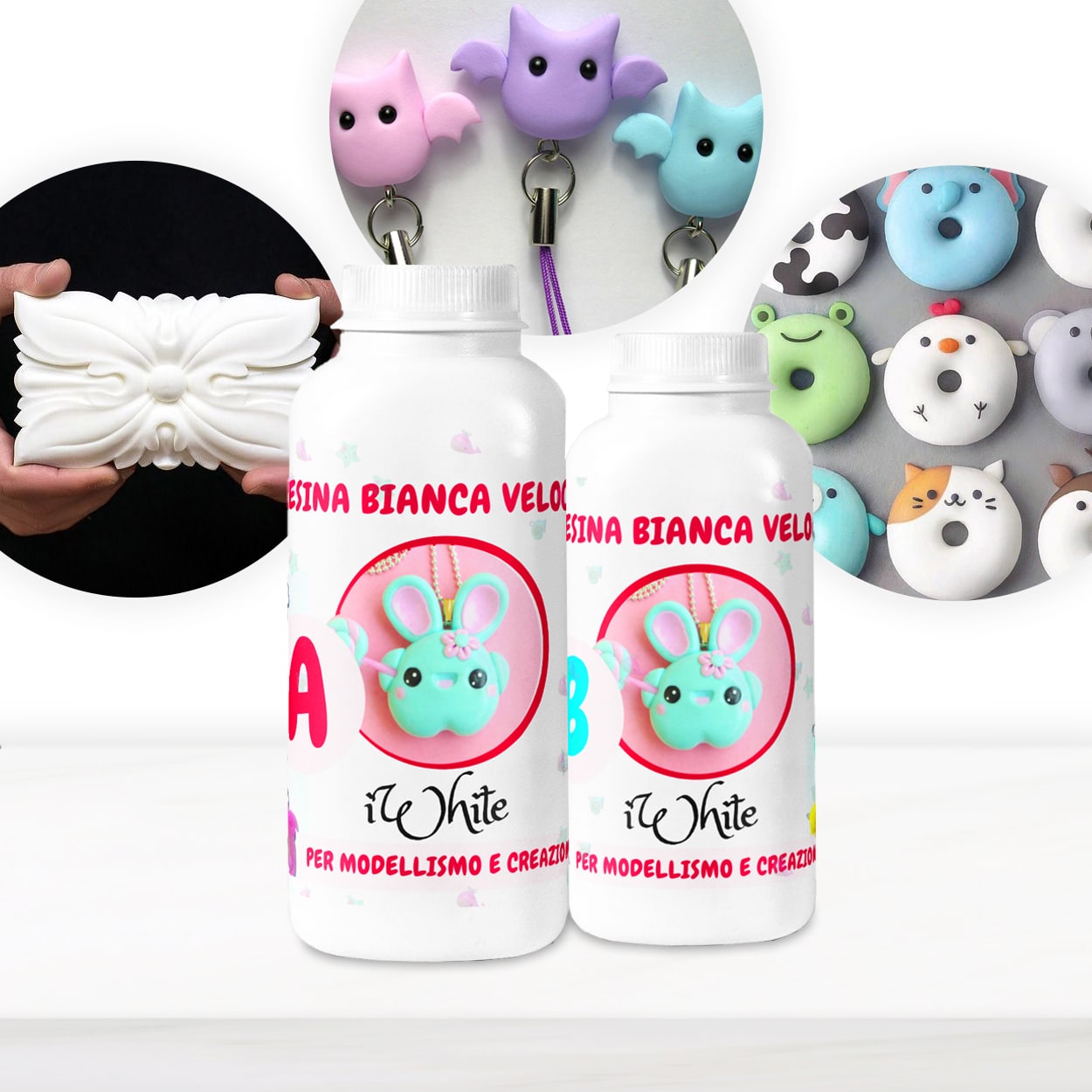 “IWhite” – Polyurethane Casting Resin – White, Fast-Curing Two-Part SystemPrice range: £24.00 through £36.95IWHITE is a fast-curing polyurethane resin designed for detailed casting, suitable for rapid prototyping and model making.
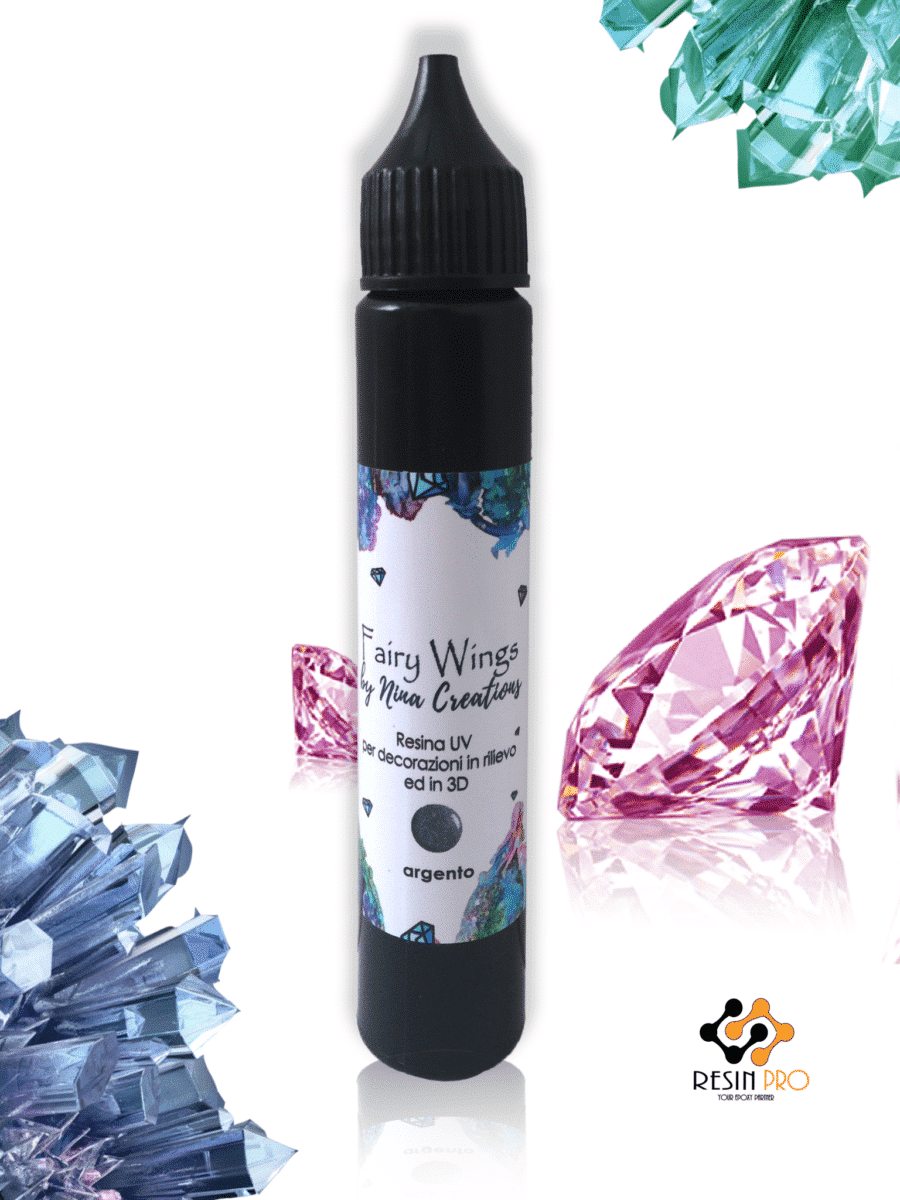 "Fairy Wings" – UV Resin for Volumetric Reliefs, Dual Colour, 30mlOriginal price was: £15.15.£2.85Current price is: £2.85."Fairy Wings" UV Resin is a ready-to-use acrylic gel suitable for detailed volumetric reliefs, fitting the theme on resin types.
Frequently Asked Questions
What are the main types of resin used in crafts and modelling?
The primary types are epoxy resin, polyurethane resin, and UV-curing acrylic resin. Each offers unique benefits suited to different projects.
How do epoxy and polyurethane resin differ?
Epoxy provides a durable, clear finish ideal for coatings and art, while polyurethane sets quickly for rapid, detailed castings.
Which resin is best for making jewellery or coasters?
Epoxy resin like One-2-One is a top choice due to its clarity, gloss, and ease of use for decorative objects.
What is UV resin best used for?
UV resin excels at fast-setting, thin-layer decorative work such as adding 3D effects or reliefs to polymer clay and similar surfaces.
How do I choose the right resin for my project?
Consider desired finish, curing speed, and project type—epoxy for gloss, polyurethane for detail, and UV resin for immediate cures.
Is there a resin that cures quickly for prototypes?
Polyurethane resin, such as IWhite, cures very quickly and is ideal for rapid prototyping and model making.