 Free shipping on orders over £29,85
  Shipping Tracking!


 Google
 Facebook
How much cobalt is needed for infusion resin?
Understanding catalyst requirements for infusion resin projects

Curious about cobalt usage in infusion resin? This guide clarifies whether cobalt is actually necessary for your infusion resin projects and explores high-performance alternatives used in composite techniques. If you work with fibreglass, carbon fibre, deep pour tables, or resin art, understanding catalyst and additive choices is essential for selecting the right material. We’ll compare leading epoxy resin solutions and discuss their roles, so you can confidently choose the best resin system for your application.
Infusion Resin and Cobalt: What You Need to Know
Cobalt naphthenate is a traditional accelerator in polyester and vinyl ester resin systems—however, modern epoxy infusion resins do not require cobalt as part of their catalytic process. Epoxy resins cure through the reaction of resin and hardener, giving increased control, safety, and clarity. For most composite, art, and furniture projects, engineered epoxy systems are preferred for their ease of use, low toxicity, and superior finish—no need for additional cobalt additives. Below, we outline key differences amongst resin types, including use cases, viscosity, working time, and special properties.

Understanding Epoxy vs Polyester Resin Curing
Epoxy resins cure without cobalt accelerators, using a two-part system of resin and hardener for precise and reliable results. In contrast, polyester resins require a catalyst and cobalt salts, which are not needed—or recommended—for modern epoxy systems. Always follow your resin manufacturer’s guidelines to ensure safe and effective curing for your project.
“Carbon Resin” – Epoxy Resin for Carbon Fibre & Fibreglass Coating
“Carbon Resin” – Epoxy Resin for Carbon Fiber & Fiberglass Coating is specifically developed for high-performance composite work. With high impact resistance and easy application, it ensures smooth fibre impregnation and a glossy, professional finish without the need for external accelerators such as cobalt. This makes it an ideal option for technicians requiring reliability and structural integrity in carbon or glass fibre laminating and infusion processes. Enjoy room temperature curing and exceptional bubble control for a flawless result.
“Liquidissima” – Epoxy Resin for Creations & Jewellery
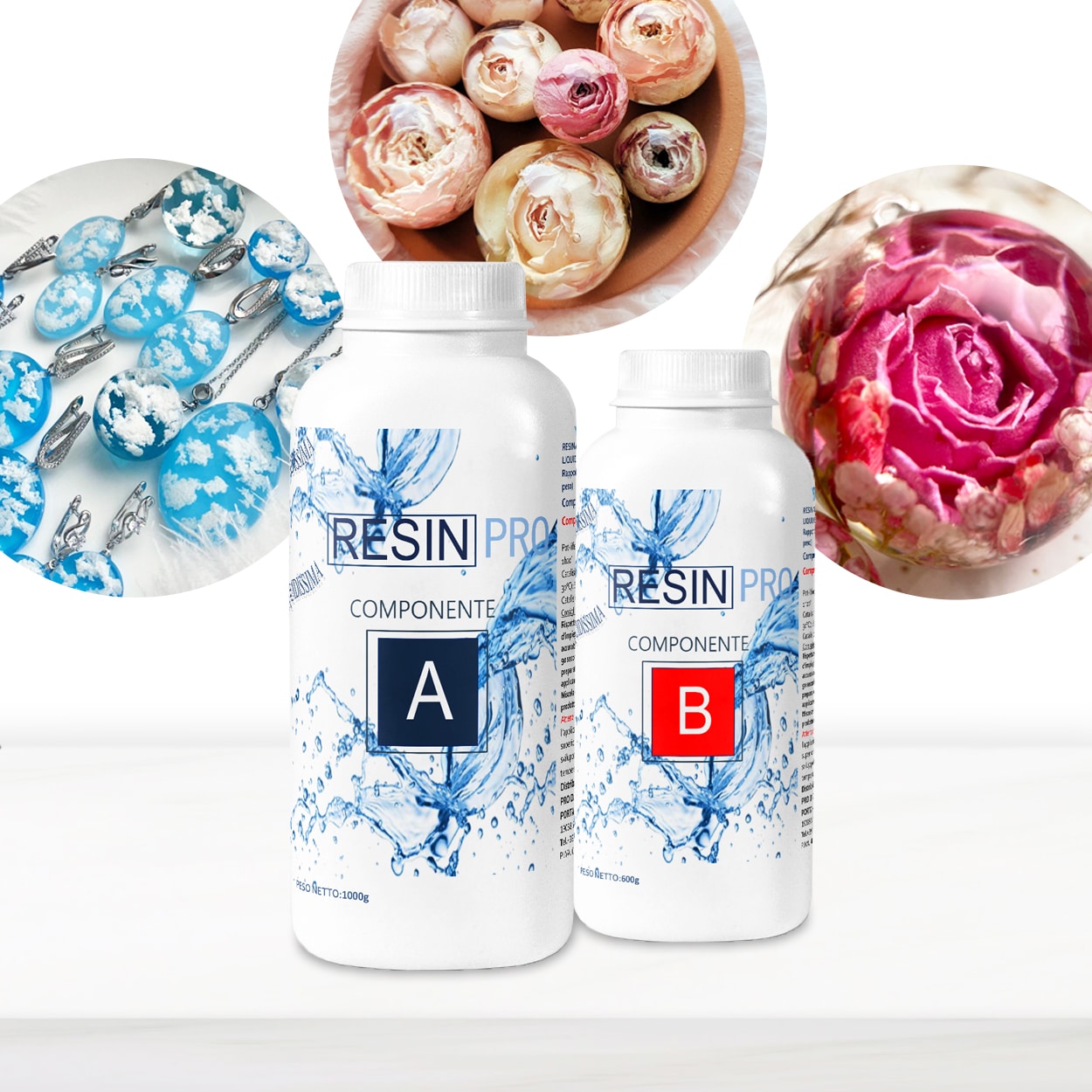
Designed for artists and creators, “Liquidissima” – Epoxy Resin For Creations & Jewellery delivers high transparency, low viscosity, and a long working time—key when casting in intricate moulds or working on infusion resin art projects. Like all epoxies, it omits cobalt as an accelerator, using instead a two-component system for safe, controlled curing. This resin is excellent for clear details, minimised bubbles, and delicate pours up to 1cm thick.
“Resi-Blast” – Cell Effect Additive for Resin Art
“Resi-Blast” – Cell Effect Additive for Resin Art, 25ml is a popular non-toxic additive for artists seeking innovative effects like blooming or cell patterns. While not a curing agent, Resi-Blast interacts with wet resin to create unique finishes—and is fully compatible with epoxy systems, which do not contain or require cobalt-based accelerators. This additive is only used for decorative effects, not for adjusting cure speed or structure.
“EpoxyTable 5-Five” – Deep Pour Epoxy Resin for Tables and Large Projects
When working on deep pour tables or large creative castings, “EpoxyTable 5-Five” – Deep Pour Epoxy Resin for Tables and Large Projects – Up to 5cm offers safe, scalable performance without extra accelerators. Its ultra-low exothermic reaction allows castings up to 5cm thick without risk of overheating, and its strong UV resistance preserves clarity. EpoxyTable is a two-part epoxy—simply mix resin and hardener in correct proportions, eliminating the need for cobalt or similar additives entirely.
Tips for Achieving Optimal Results with Infusion Resin
Always choose a resin system designed for infusion and composite work, ensuring even fibre penetration and structural strength. Measure and mix resin with its dedicated hardener according to instructions for best curing results. For decorative effects, consider purpose-designed additives or pigments, but never substitute curing components or use cobalt accelerators in epoxy resin systems.
Why Modern Epoxy Systems Are Cobalt-Free
Cobalt salts used in older resin systems increase cure speed, but can cause colouration, odour, and health hazards. Epoxy resins offer higher clarity and reduced risks, with built-in control over working time and finish. This shift benefits both safety and finished product quality, making epoxy systems the preferred option for infusion and creative applications today.

- "Carbon Resin" – Epoxy Resin for Carbon Fiber & Fiberglass CoatingPrice range: £19.95 through £37.95Epoxy resin designed for carbon fibre and fibreglass ensures smooth impregnation and structural integrity with a professional finish.
- "Liquidissima" – Epoxy Resin For Creations & JewelleryPrice range: £12.85 through £31.85LIQUIDISSIMA resin offers clear results and an extended working time, suitable for intricate moulds in art and jewellery.
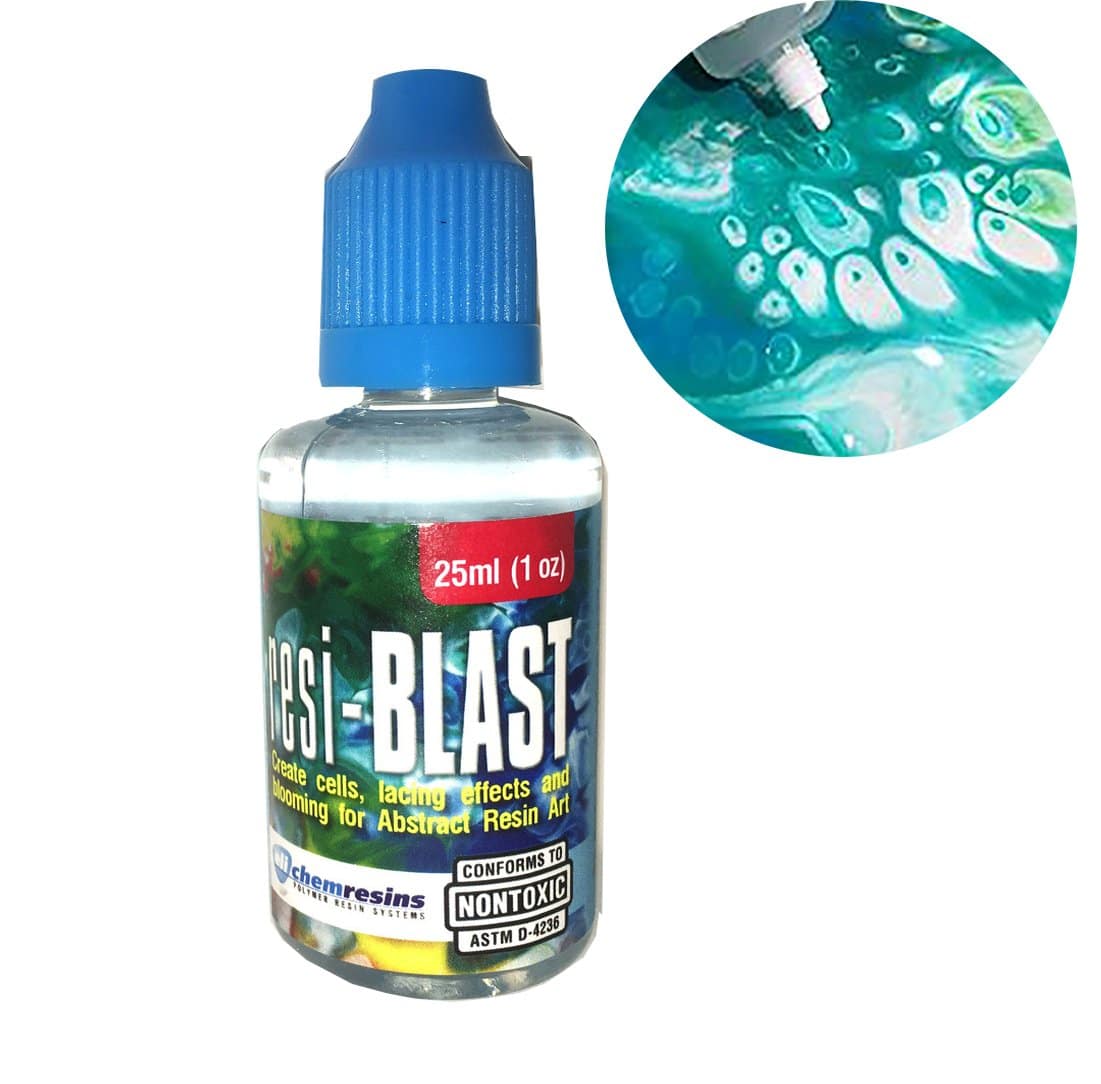 "Resi-Blast" – Cell Effect Additive for Resin Art, 25ml£21.95"Resi-Blast" is a liquid additive designed for resin art, suitable for creating decorative cell effects in epoxy resin projects.
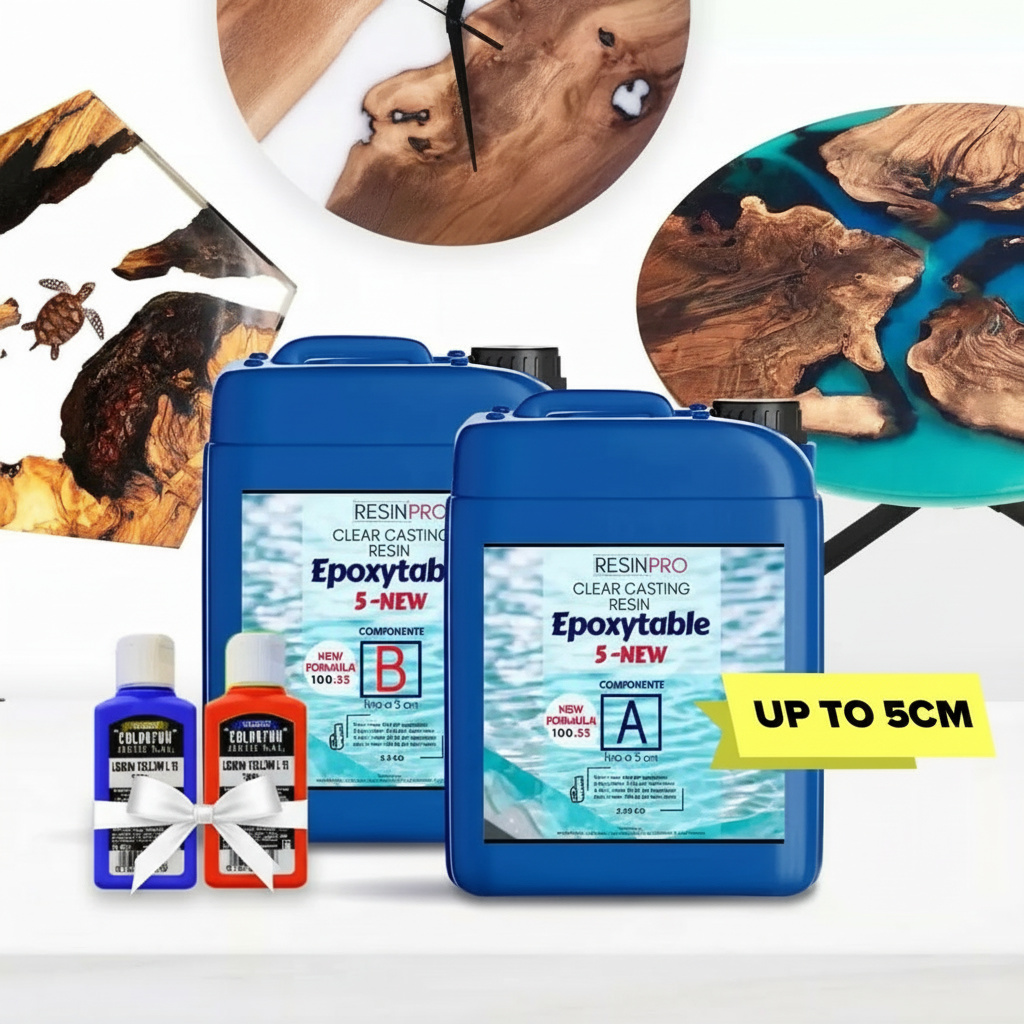 "EpoxyTable 5-Five" – Deep Pour Epoxy Resin for Tables and Large Projects – Up to 5cmPrice range: £17.95 through £1,154.95"EpoxyTable 5-Five" epoxy resin is designed for deep pouring projects up to 5cm, suitable for tables and large creative works.
Frequently Asked Questions
Is cobalt required to cure epoxy resin in infusion projects?
No. Epoxy systems cure with hardener and do not use cobalt salts. Only polyester or vinyl ester resins need cobalt accelerators.
How do epoxy and polyester infusion resins differ?
Epoxy uses a resin and hardener mix for curing, offering better strength and eliminating the need for cobalt. Polyester relies on cobalt and catalyst.
What is the best resin type for carbon fibre infusion?
Epoxy resins such as "Carbon Resin" are recommended. They ensure strong, bubble-free impregnation and do not need additional accelerators.
Can I add cobalt to epoxies to cure faster?
No. Epoxy resins are not compatible with cobalt accelerators. Only use manufacturers' hardener and follow their instructions.
Is "EpoxyTable 5-Five" suitable for deep pours?
Yes, it is designed for castings up to 5cm thick and does not require cobalt additives—just proper resin and hardener mixing.
What helps to minimise bubbles during resin infusion?
Use a low viscosity, specialty infusion epoxy. Mix slowly and ensure even fabric impregnation for best results.