 Free shipping on orders over £29,85
  Shipping Tracking!


 Google
 Facebook
How much weight can the resin hold before breaking?
Find the right resin strength for tables, floors, and heavy-duty use


If you are preparing a resin project such as a river table, composite structure, or permeable floor, understanding how much weight your resin can support before breaking is essential for safety and long-lasting results. This page explains the weight-bearing properties and mechanical resistance of key resin types, helping you choose the best solution for your application—whether you need structural strength for furniture, outdoor surfaces, or advanced composite work.
Resin Weight Capacity Compared: What You Need to Know
The ability of resin to withstand weight depends on several factors including resin type, casting thickness, surface area, and use-case specifics. Deep-pour epoxies such as EpoxyTable 5-Five and Epoxytable 10-Ten offer step-by-step guidelines for maximum permissible weight at each casting thickness. For highly demanding structural or composite applications, Carbon Resin maximises impact resistance. For floors and load-bearing outdoor surfaces, the Flowstone system is engineered for heavy use but always check with the distributor for required substrate and installation details.

Visualising Resin Strength in Real Projects
See examples of tabletops, floors, and composite pieces engineered for impressive weight support using specialist ResinPro products. Notice how pour thickness and correct layering techniques contribute directly to durability.
EpoxyTable 5-Five – Deep Pour Epoxy Resin for Tables and Large Projects
EPOXYTABLE 5-FIVE – deep pour epoxy resin for tables & large projects. Free 25ml pigment* + Gloves + Detailed instruction.
The best choice for deep pouring:
✓ Low exothermic reaction –> Castings up to 5cm [1.96”]
✓ Strong UV filters –> Non-yellowing guaranteed for 5 years
✓ Highly mechanical resistant surface, for maximum scratchproof properties
✓ Low viscosity –> Bubbles free
✓ Long working time –> No rush in the process
✓ Heat resistance –> Up to 70°C [158 F]
✓ Trusted quality –> Sold more than 26,000 kits since 2015
🌿 Cruelty Free, Vegan Friendly 🐹
For mechanical resistance and weight-bearing: Recommended weight guidelines are 5cm up to 12kg, 4cm up to 14kg, 3cm up to 20kg, and 2cm up to 100kg depending on surface area and application. For even larger sizes or loads, step casting in multiple layers helps maintain stability.
Epoxytable 10-Ten – Deep Pour Epoxy Resin for Super-Thick Castings
The best choice for super-deep pouring up to 10cm:
✓ Low exothermic reaction –> Casting up to 10cm [3.92”]
✓ Absence of overheating in large projects
✓ Strong UV filters –> Non-yellowing guaranteed for 5 years
✓ Super low viscosity –> Bubbles free
✓ Long working time –> No rush in the process
✓ Heat resistance –> Up to 70°C [158 F]
🌿 Cruelty Free, Vegan Friendly 🐹
This epoxy is formulated for very thick castings, but for heavy or very large surfaces, pouring in stages is recommended to maximise structural integrity and prevent the risk of resin breakage under heavy weight.
Carbon Resin – For Maximum Mechanical Strength in Composites
Carbon Resin is expertly developed for carbon fibre and fibreglass. High impact resistance for long-lasting results
Easy application with smooth fabric impregnation
Glossy, professional finish
Room temperature curing for convenient use.
This resin keeps its structural integrity under mechanical stress—ideal for advanced composites and technical applications where breakage resistance is mission critical. Weight capacity will depend on fibre orientation, layup, and the specifics of your composite design.
Flowstone – Complete Permeable Floor Kit for Outdoor Durability
Flowstone offers a durable and permeable solution for driveways, patios, and footpaths. Cost-effective renewal for outdoor surfaces, customisable finish with colour and granule size options, and simple application for robust, non-slip floors.
Though resin weight capacity for floors also depends on the substrate, resin-bound pebble floors are engineered to handle pedestrian and vehicular traffic, particularly with correct installation and suitable substrate preparation. For white gravel, we recommend non-yellowing polyurethane binder for maximum longevity.
Tips for Resin Strength and Long-Lasting Results
To ensure your resin project holds up under load and resists breakage, always follow product-specific casting thickness and weight guidelines. Step casting—pouring in layers with suitable waiting times—can significantly increase resistance to mechanical stress. Surface area, support structure, and curing conditions all affect weight capacity, especially in large tables and outdoor surfaces. For composite applications, reinforcing fibres with the appropriate resin will achieve the best mechanical performance.
How to Avoid Resin Breakage
Proper curing, layer thickness, and stress distribution are key. If your project demands extra strength, always consider pouring in stages and consult our detailed support for your specific use-case. The right installation or composite layup makes all the difference.
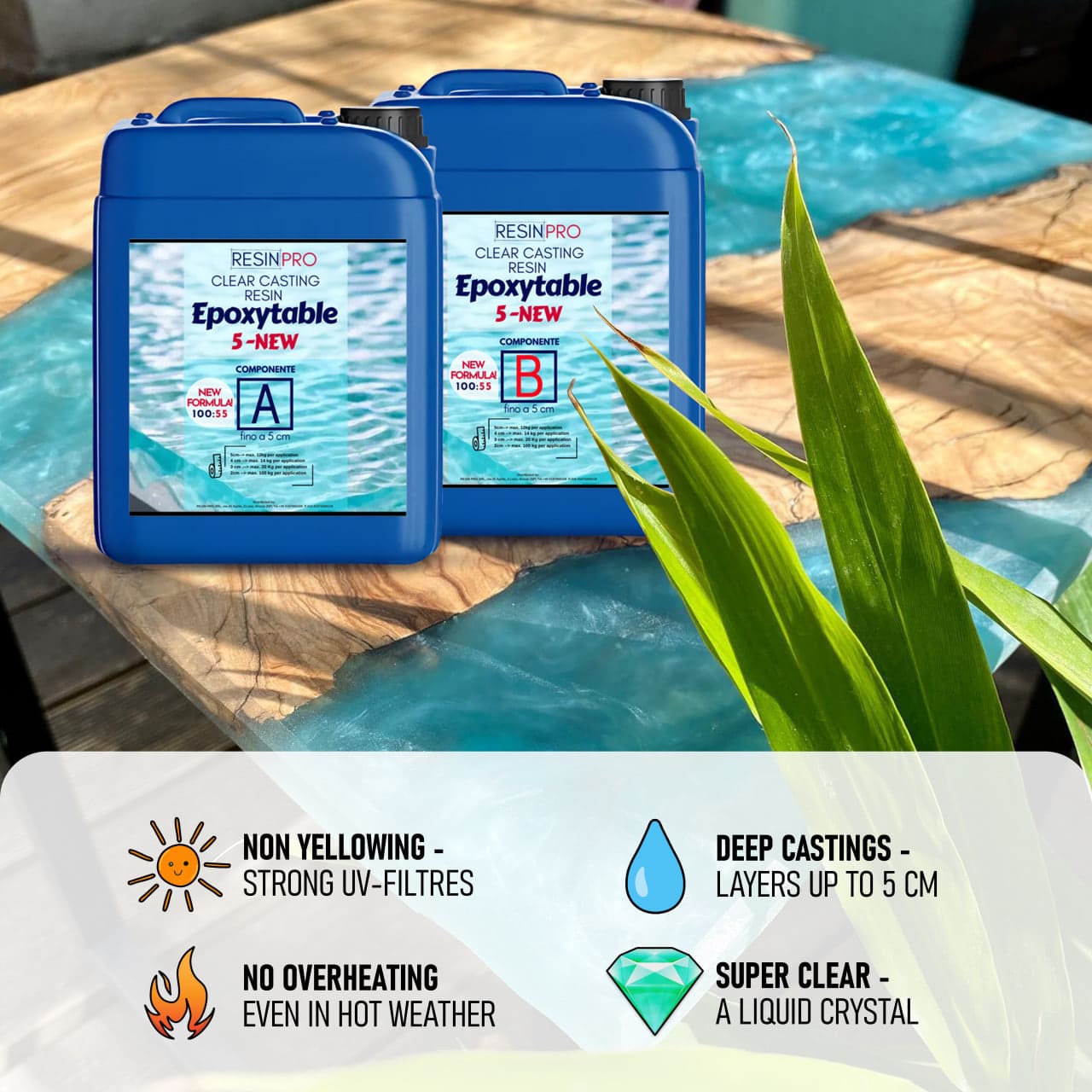
- "EpoxyTable 5-Five" – Deep Pour Epoxy Resin for Tables and Large Projects – Up to 5cmPrice range: £17.95 through £1,154.95EpoxyTable 5-Five offers deep pour resin suitable for tables and large projects, featuring strong UV filters and mechanical resistance.
 “Epoxytable 10-Ten” – Deep Pour Epoxy Resin for Tables, Up to 10cm CastingPrice range: £35.95 through £351.95“Epoxytable 10-Ten” is a deep pour resin designed for castings up to 10cm with low exotherm and UV resistance.
 "Carbon Resin" – Epoxy Resin for Carbon Fiber & Fiberglass CoatingPrice range: £19.95 through £37.95"Carbon Resin" is designed for use with carbon fibre and fibreglass providing smooth impregnation and durable, high-quality finishes.
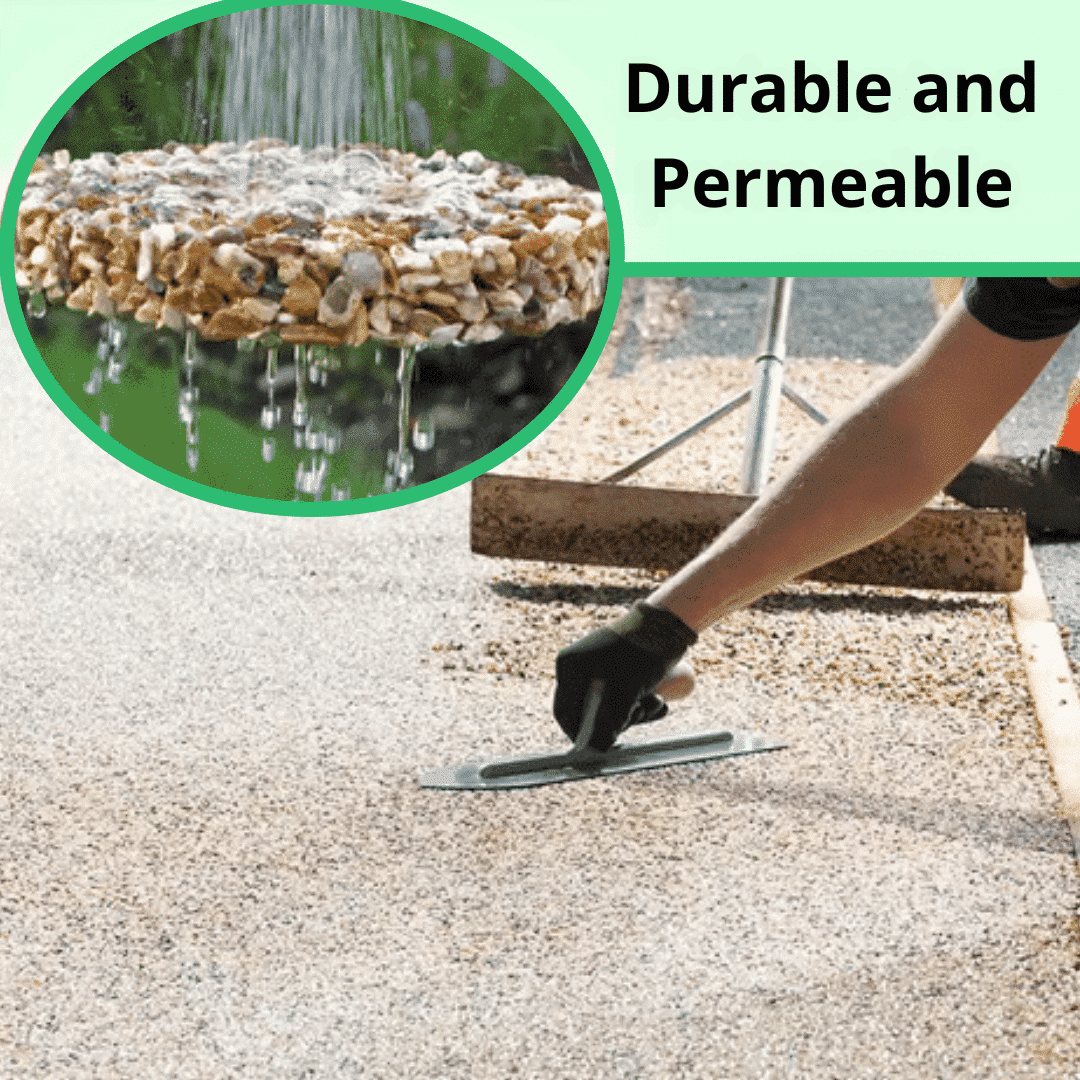 "Flowstone" – Complete Permeable Floor Kit with Pebbles and ResinPrice range: £49.95 through £3,915.45"Flowstone" draining floor kit offers a durable, permeable pebble and resin system for outdoor surfaces in the UK.
Frequently Asked Questions
What are the maximum weight limits per thickness for EpoxyTable 5-Five?
For EpoxyTable 5-Five: 5cm up to 12kg, 4cm up to 14kg, 3cm up to 20kg, and 2cm up to 100kg per casting step.
Which resin is recommended for supporting heavy objects on tables?
EpoxyTable 5-Five and Epoxytable 10-Ten are both suitable, but follow thickness and weight recommendations for safe load-bearing.
Are Flowstone resin-bound floors suitable for heavy traffic?
Yes, when installed with proper base layers, Flowstone systems support both pedestrian and vehicular traffic.
Are composite resins strong under mechanical load?
Carbon Resin is engineered for exceptional impact resistance with carbon fibre or fibreglass layups.
Does pouring resin in layers help prevent breaking?
Yes, step casting increases overall strength and helps prevent internal stress and cracking.
Does using polyurethane or epoxy binder affect weight capacity?
Each binder type has different performance; polyurethane is best for white stones, while epoxy resins offer high mechanical resistance for coloured aggregates.