 Free shipping on orders over £29,85
  Shipping Tracking!


 Google
 Facebook
How to apply primer for epoxy paint?
Ensure perfect adhesion and durability for epoxy floors


Applying primer correctly is the foundation of a high-performance epoxy floor. This guide will help you achieve a robust, long-lasting bond between substrate and epoxy paint, whether you are tackling a garage upgrade, a studio renovation, or a professional flooring project. Proper priming ensures not only durability and adhesion but also improves finish quality and longevity of your epoxy coating.
What You’ll Need
- Heavy Duty Scraper for Paint and Epoxy Resin Removal – for removing previous coatings or debris
- “Epoxyprimer” – Universal Water-Based Two-Component Epoxy Floor Primer – for priming most substrates
- Resin & Paint Application Rollers – Short-Pile, Large, and Sponge Types – for applying primer smoothly and evenly
- Suitable PPE: gloves, mask, protective eyewear
- Clean bucket or mixing vessel
- Vacuum or broom
- Clean water and lint-free cloths

Visual Guide to Primer Application
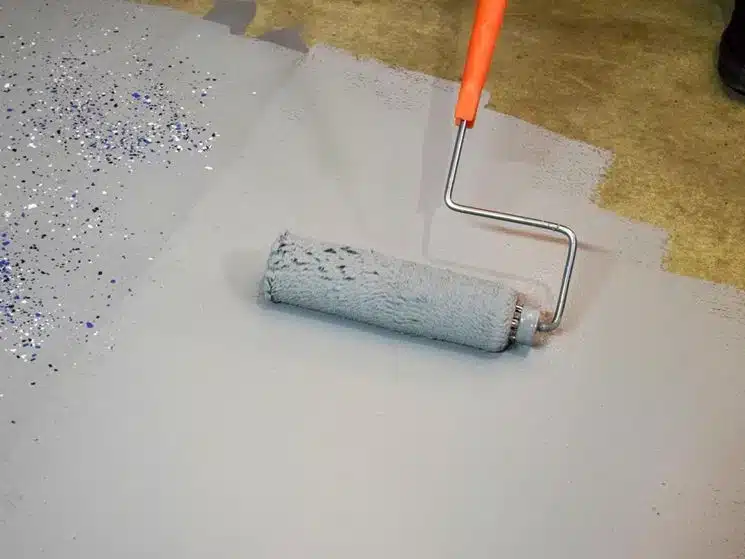
See close-up examples of proper surface preparation and the difference smooth primed substrates make. Visual references help you identify correct roller techniques and spot uniform coverage, giving you confidence at every step.
Step 1: Prepare the Surface
Start by thoroughly cleaning the area. All dust, oils, loose debris, and previous coatings must be removed to allow strong primer adhesion. Use a vacuum or broom to clear away loose particles. If there are any residual paint layers or stubborn residues, a Heavy Duty Scraper for Paint and Epoxy Resin Removal provides reliable and easy control for stripping back to a bare, stable substrate. Pay particular attention to uneven or rough spots, scraping until the surface feels uniform underfoot.
Once clean, inspect for cracks, damp patches, or contamination. Any repairs should be made and left to cure before priming. On porous concrete or screed, a second cleaning or gentle damp-mopping (without leaving standing water) ensures dust is fully lifted. Remove all old coatings and debris to help the primer perform optimally.
Step 2: Mix and Apply the Primer
Carefully read your primer instructions. For most two-component products, such as the “Epoxyprimer” – Universal Water-Based Two-Component Epoxy Floor Primer, combine the resin and hardener at the recommended ratio (usually by weight) in a clean vessel. Stir steadily with a clean mixing stick or spatula until the mix becomes homogenous, avoiding rapid motions that introduce air bubbles.
Pour the mixed primer into a paint tray. Using a Resin & Paint Application Roller suited to your floor size (choose short-pile for detail work or large for open areas), roll out the primer in even, parallel strokes. Keep overlapping each pass slightly to avoid missed patches. On heavily textured or absorbent surfaces, apply a little extra product as required. Allow adequate drying and curing between steps to ensure the next layer bonds perfectly.
Step 3: Drying, Inspection, and Next Steps
After primer application, allow it to dry fully as instructed—most epoxy primers require 24–48 hours for proper curing. It’s crucial the surface is not disturbed during this time. Once dry, inspect closely for sheen, missed areas, or bubbles. Touch up any thin spots if necessary, making sure the primer coat appears uniform and fully adhered.
A successful primer layer will feel smooth, free from dust and tackiness, and ready to anchor the following epoxy paint application. Ambient temperature and ventilation influence curing—avoid rushing by applying heat or skipping wait times. Test a small area before full application to confirm compatibility with your substrate if you are unsure.
Tips and Common Mistakes to Avoid
- Never rush surface preparation: Any shortcuts in cleaning or repairing the base can undermine adhesion.
- Always ensure full primer coverage: Overlapping strokes and a careful eye prevent missed spots.
- Wait for the primer to fully cure: Proceeding too soon can compromise the epoxy finish.
- Keep work areas dust-free until the final topcoat is applied to prevent contamination.
- Always follow safety guidance, using gloves and masks when handling resin products.
Expert Tips for Flawless Results
Preparation and patience are key. Let our gallery show you what a perfectly primed epoxy floor should look like at each stage, from a clean substrate to a fully cured primer layer—ideal for both beginners and professionals aiming for durable outcomes.

- "Epoxyprimer" – Universal Water-Based Two-Component Epoxy Floor PrimerPrice range: £148.84 through £272.45Epoxyprimer is a universal water-based two-component epoxy floor primer designed for adhesion on concrete, timber, tiles and screeds.
- Resin & Paint Application Rollers – Short-Pile, Large, and Sponge TypesPrice range: £3.45 through £4.85Rollers designed for epoxy resin applications support precise and uniform coating suitable for various resin surfaces.
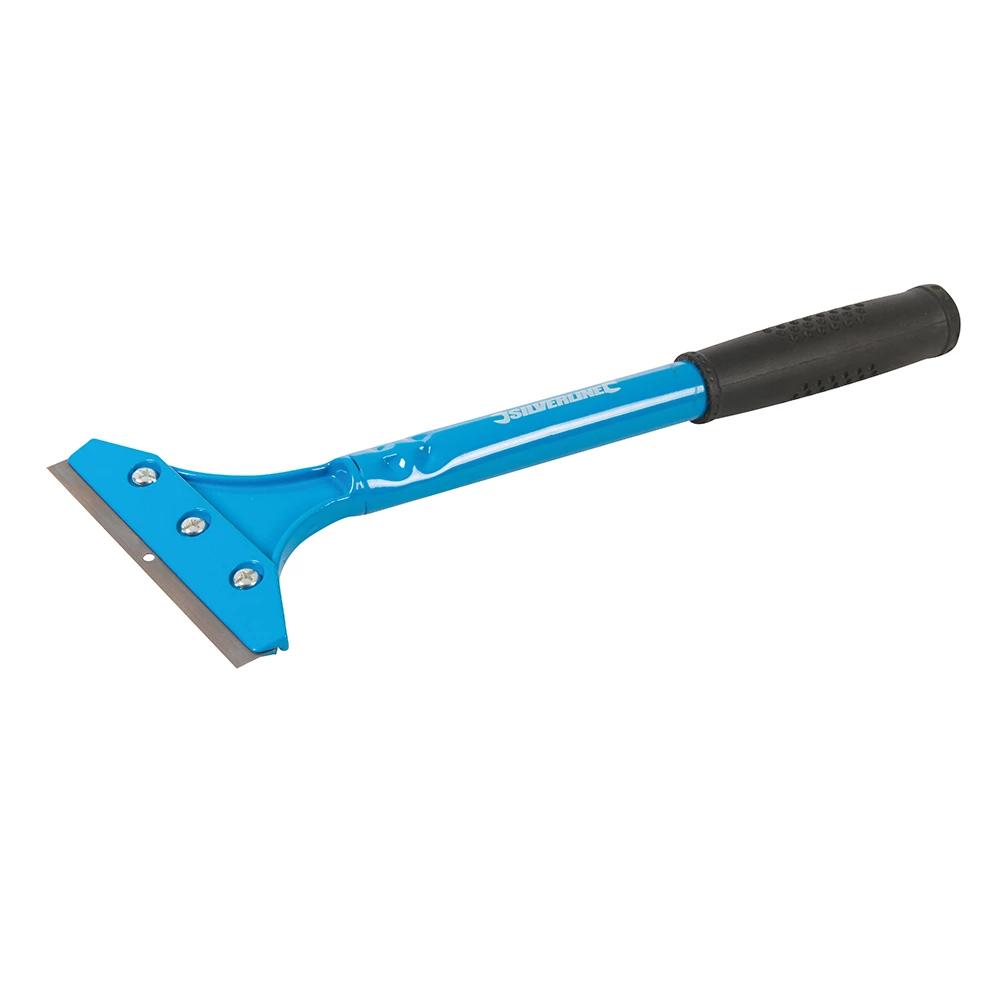 Heavy Duty Scraper for Paint and Epoxy Resin Removal£8.35Heavy Duty Scraper offers precise and comfortable removal for paint and wall coverings, suitable for DIY and professional use.
Frequently Asked Questions
What surfaces can epoxy primer be applied to?
Epoxy primer is suitable for concrete, timber, tiles, screeds, and ceramics that are clean and stable for resin flooring.
How long should primer dry before epoxy paint?
Allow 24 to 48 hours for the primer to cure completely at room temperature before applying any epoxy paint layer.
Can I apply primer with a brush or roller?
Either method works, but short-pile or sponge rollers work best for even primer coverage over large areas.
Is ventilation required during primer application?
Yes, maintain good ventilation during application and curing to promote drying and reduce exposure to any odours.
Can I prime over old paint or coating?
Remove previous coatings completely for best adhesion. Use a scraper to reveal a clean, stable surface first.
How do I clean tools after applying epoxy primer?
Clean rollers and brushes immediately with clean water if the primer is water-based, before the resin cures.