 Free shipping on orders over £29,85
  Shipping Tracking!


 Google
 Facebook
← Back to How are emulsifiable synthetic resin paints made?
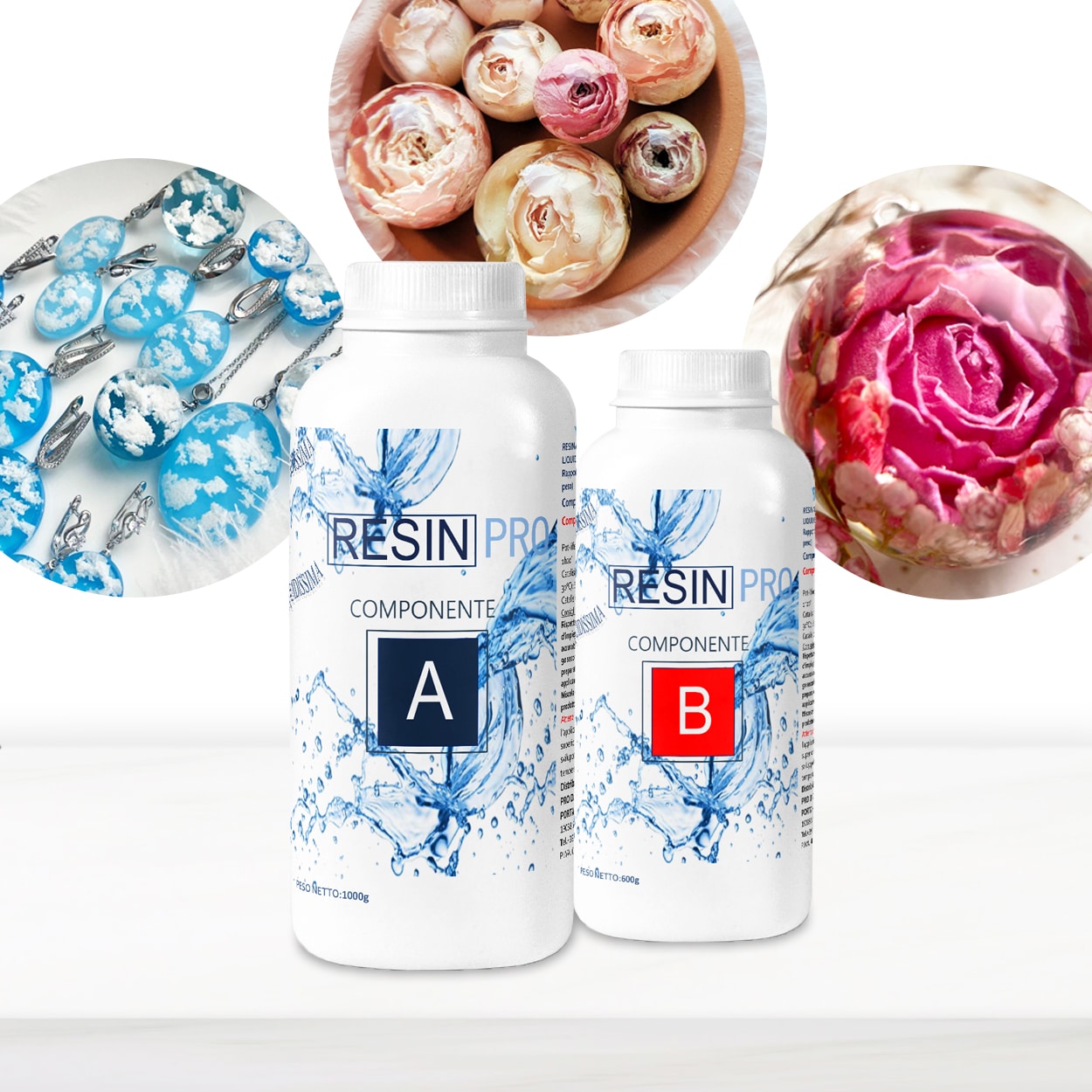
Bubbles can spoil the glassy look of emulsifiable synthetic resin paint projects, but with the right approach, you can achieve an impressively smooth and clear finish. Here are proven techniques to keep unwanted bubbles at bay during your creative process.
Tips for Mixing Without Bubbles
When preparing your synthetic resin paint, mix the resin and hardener slowly and gently. Vigorous stirring introduces extra air, leading to more visible bubbles. Instead, use a smooth folding motion and avoid lifting your stirrer out of the liquid too quickly. Letting the mixture sit for a few minutes after blending helps trapped air rise and escape before use.
Best Practices for Application
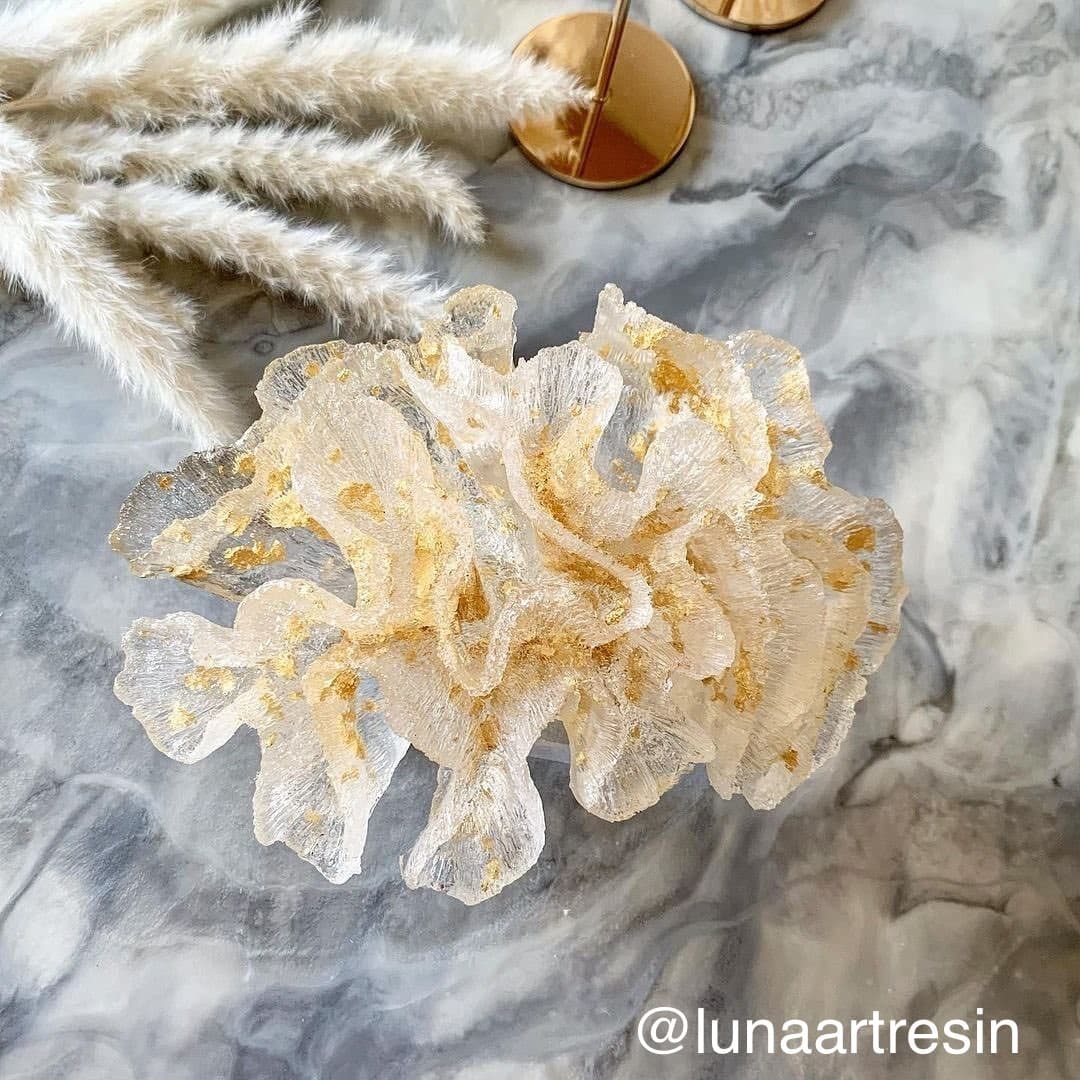
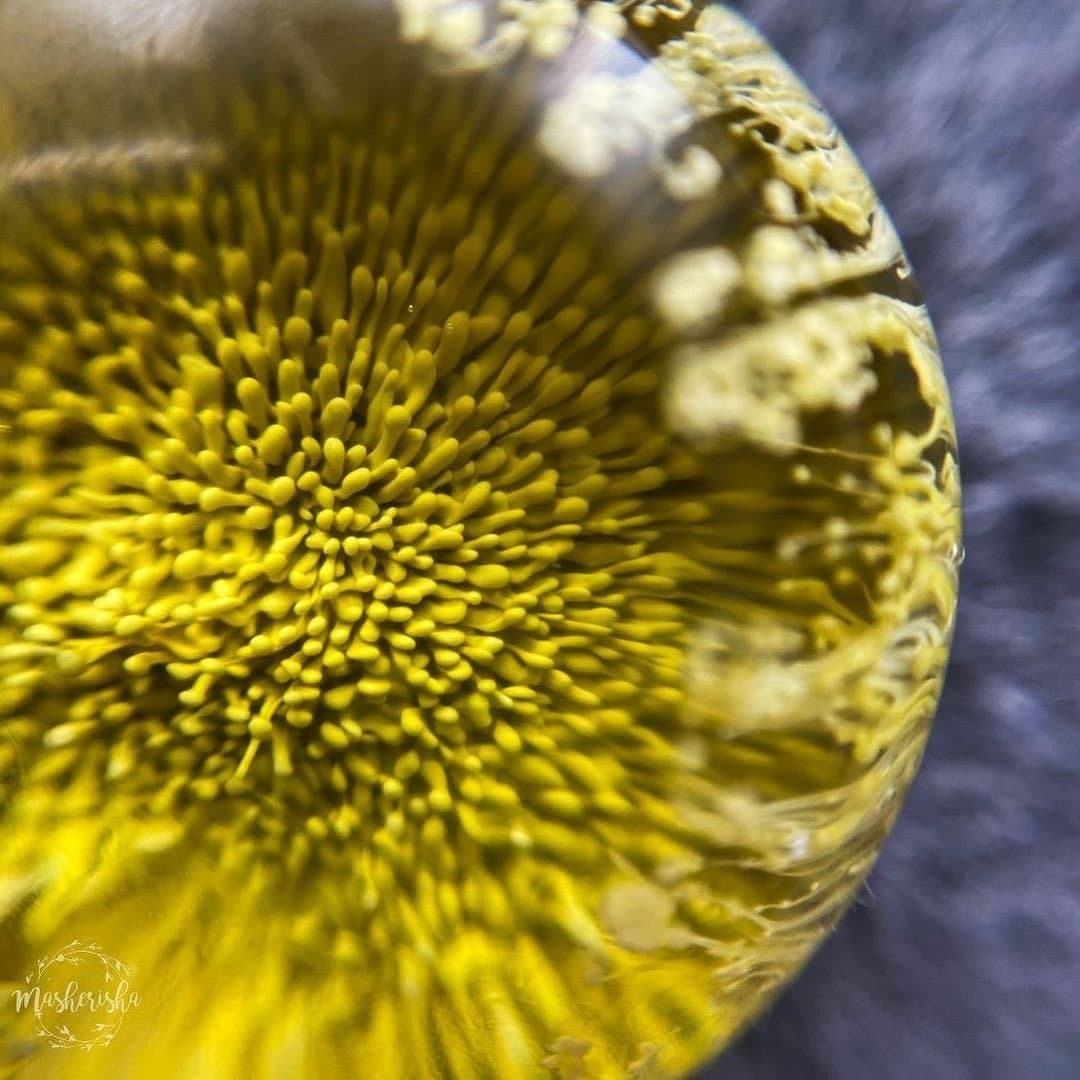
Apply your resin paint in thin layers to allow any residual air to release more easily. Work at room temperature for optimal flow and to prevent the resin from thickening too quickly, which can trap bubbles. Products formulated for elaborate detail work, such as “Liquidissima” – Epoxy Resin For Creations & Jewellery, are designed to help reduce imperfections like bubbles thanks to their low viscosity and extended working time.
When Bubble Prevention Really Matters
If achieving an ultra-clear or glass-like finish is essential (for example, in resin art, jewellery, or fine surface coatings), taking extra care to prevent bubbles is crucial. Attention to mixing and pouring makes all the difference in professional results.

Related products
Related guides
Mastering bubble-free application techniques enhances the quality of any emulsifiable synthetic resin paint project. For more on how these paints are made and to explore advanced products, visit our main guide on how emulsifiable synthetic resin paints are made.