 Free shipping on orders over £29,85
  Shipping Tracking!


 Google
 Facebook
← Back to How to raise a resin tank?

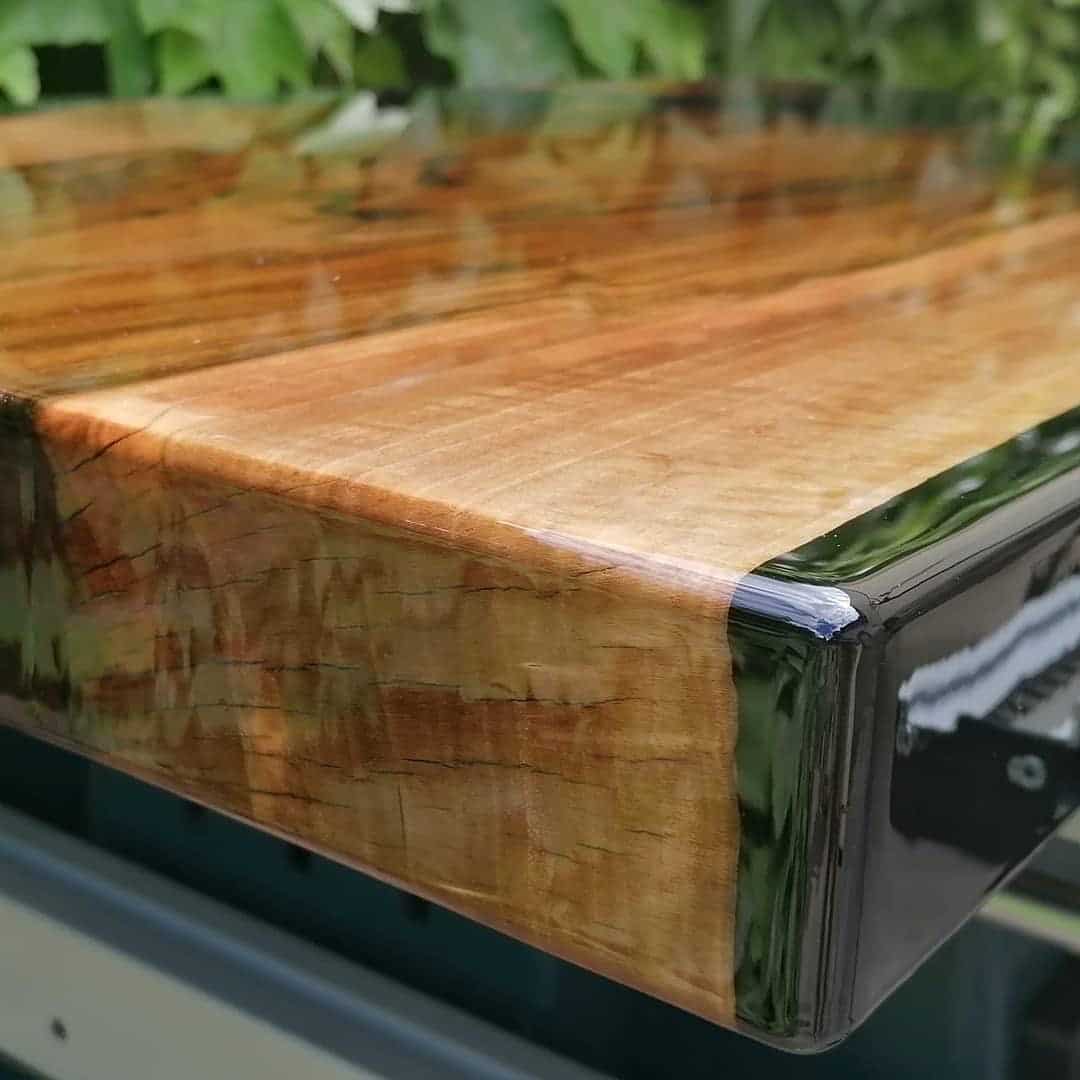
Bubble formation is one of the most common challenges during deep pour resin applications, especially for tables and large casting projects. Careful preparation can help achieve a crystal-clear result.
Mixing Techniques for Bubble-Free Resin
Begin by mixing your resin and hardener slowly and methodically. Avoid vigorous stirring, which can introduce excess air. Scrape the sides and bottom of your container throughout to ensure thorough blending. Once mixed, allow the resin to rest for a few minutes; this pause will help trapped air bubbles naturally rise to the surface.


Heat Application Tips
Applying gentle heat can effectively release residual bubbles before curing. Use a heat gun or a small torch, sweeping lightly over the resin surface to encourage bubbles to pop. Take care not to overheat one spot, as excessive warmth can affect the curing process, especially in deep pours.
Choosing the Right Resin for Deep Pours
The viscosity and formulation of your resin impacts how easily bubbles are expelled. For thick castings, a specialist product like “Epoxytable 10-Ten” is designed for deep pours up to 10cm, combining low viscosity with a slow cure to minimise bubbles and prevent overheating.
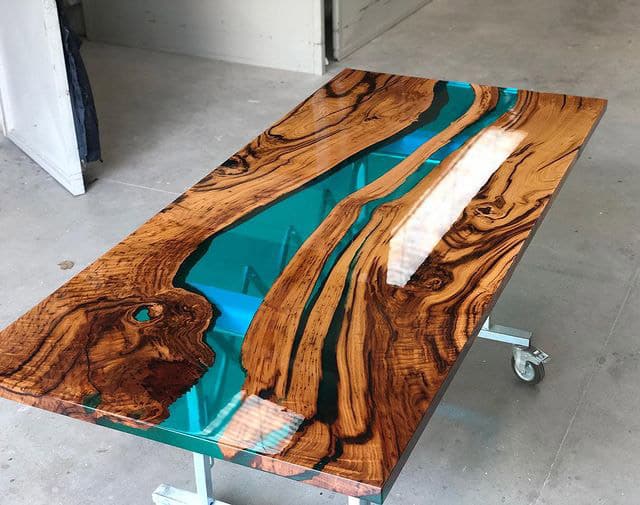
When Bubble Prevention Matters Most
- Crafting large table projects where clarity is key
- Encasing objects or art in thick resin layers
- Creating items where the resin surface is a clear design feature
Related products
Related guides
Perfecting your bubble prevention technique is crucial for deep-pour projects like resin tables and art. For more in-depth information, see our advice on how to raise a resin tank.