 Free shipping on orders over £29,85
  Shipping Tracking!


 Google
 Facebook
← Back to How do you install resin-coated material in hollow bricks?
Bubbles are a common challenge when applying resin to brick surfaces, but with the right preparation and application steps, you can achieve a smooth, high-quality finish. Here’s how to keep your resin brick projects bubble-free.
Seal the Bricks Beforehand
Bricks are highly porous and can trap air, releasing it during resin application and creating unsightly bubbles. To minimise this, apply a suitable brick sealer before your resin layer. This forms a barrier, keeping air and moisture within the brick from migrating into the resin and causing defects. Ensure the sealer is fully dry before moving on.
Apply Resin in Thin, Controlled Layers
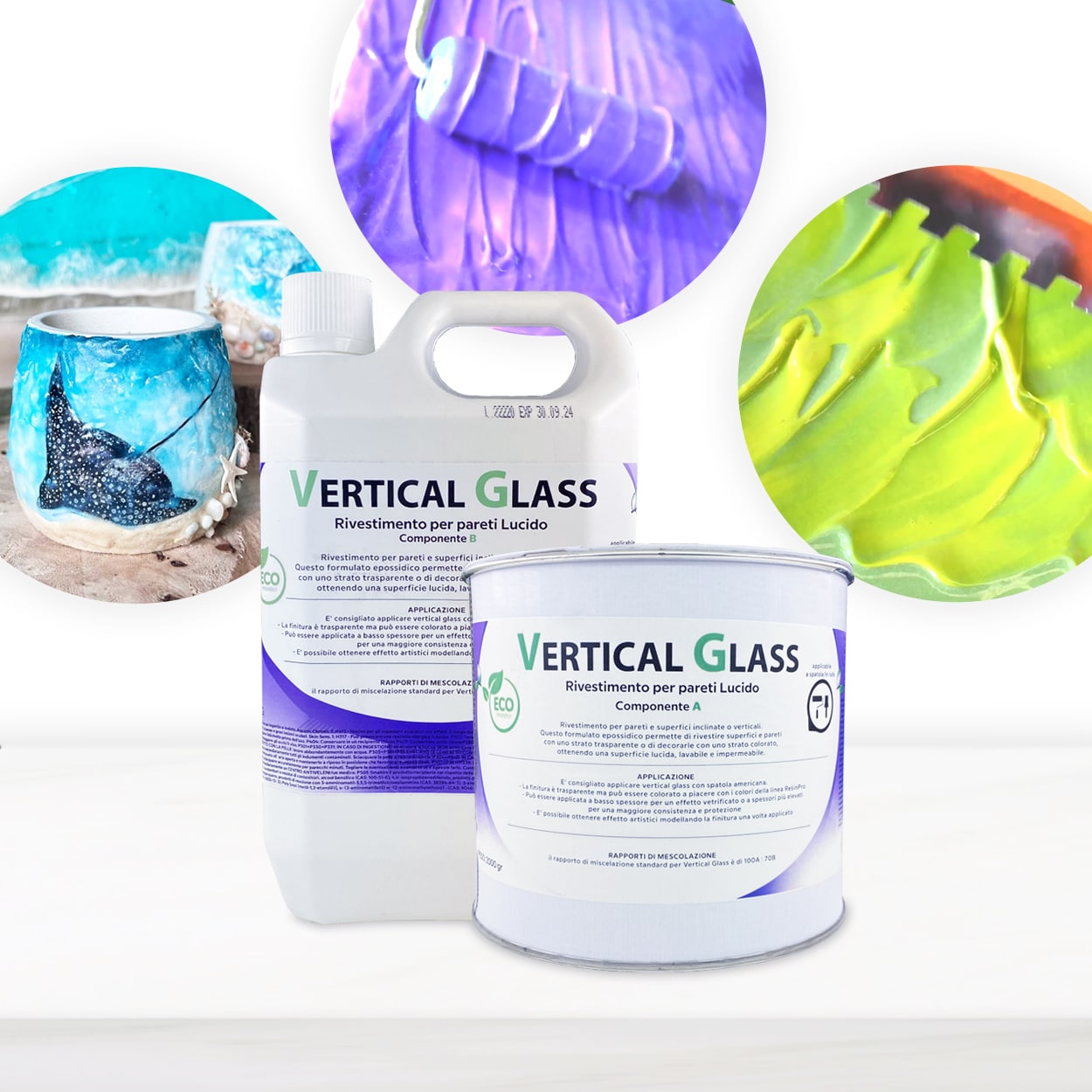
Working with thin layers of resin is essential for bubble control, especially on uneven surfaces like brick. Thinner applications allow trapped air to escape more easily before the resin sets. Spread the resin evenly with a spatula or trowel, and consider using a product specifically designed for vertical or textured surfaces, such as “Vertical Glass” – Thick Resin Decorative Wall Coating, which is suitable for bricks and helps maintain sharp detailing without self-levelling.
Mind the Environment: Temperature and Moisture
For best results, apply your resin in dry conditions. High humidity or damp surfaces may lead to increased bubbling or poor adhesion. Work at moderate temperatures and avoid direct sunlight, as rapid curing can also trap bubbles under the surface.
When This Matters
Bubble-free resin finishes are particularly important for decorative brick walls, splashbacks in kitchens or bathrooms, and any visible feature where clarity and consistent texture are key. Careful preparation enhances both appearance and durability of your coated surface.
Related products
Related guides
Using care and proper methods ensures your resin looks flawless and lasts. For more in-depth guidance on applying resin-coated materials to complex substrates like hollow bricks, explore our main installation guide.