 Free shipping on orders over £29,85
  Shipping Tracking!


 Google
 Facebook
How do you install resin-coated material in hollow bricks?
Achieve strong, decorative finishes in tricky hollow substrates
Installing resin-coated material in hollow bricks can transform spaces with decorative, long-lasting finishes, ideal for both interiors and exteriors. This guide explains the process step by step—whether you’re working with decorative coatings, stone resin mixes, or waterproofing. You’ll learn how to prepare hollow bricks, select the right resin solutions, and install resin-coated materials for the best durability and appearance.
What You’ll Need
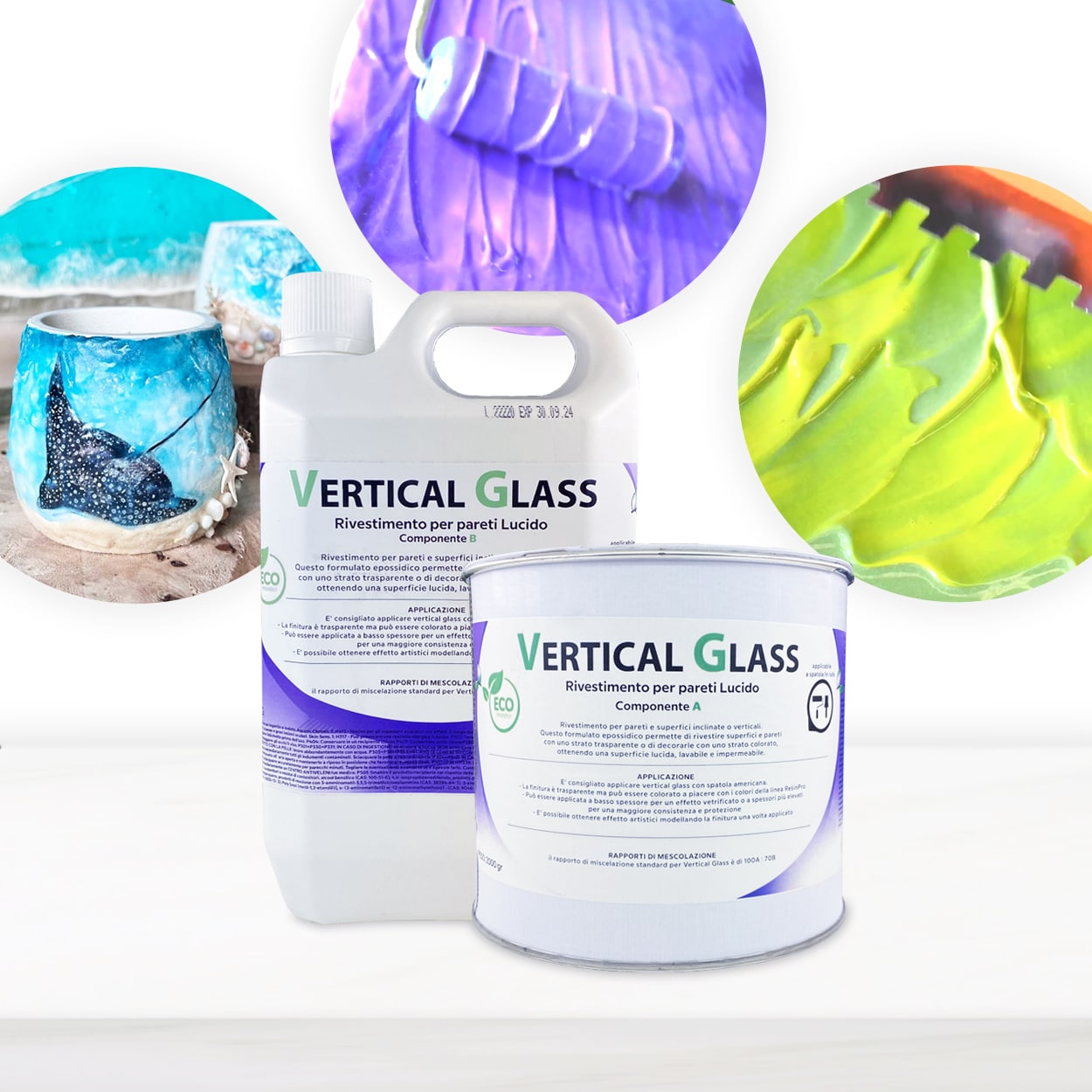
- “Vertical Glass” – Thick Resin Decorative Wall Coating – for customisable, decorative resin wall coatings
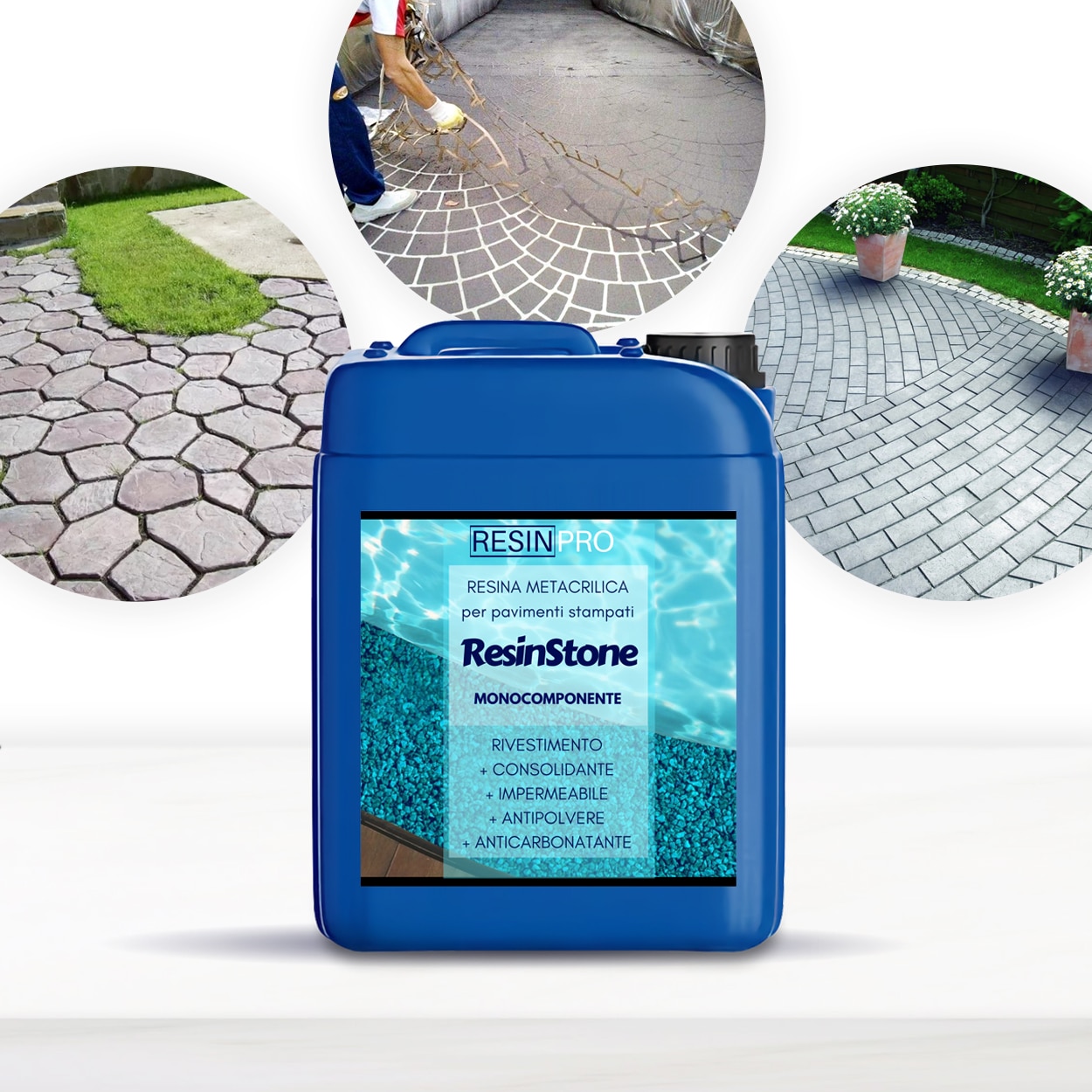
- “Resinstone” – One-Component Methacrylic Resin for Concrete Floors and Driveways – for sealing and protecting porous bricks
- “Polirock” – Polyurethane Binder for White Stones, 2kg Two-Component Kit – for exterior resin stone applications
- “Trasparente” – Epoxy Binder for Coloured Pebbles and Grits – ideal for decorative, coloured gravel surfaces
- Personal protective equipment (PPE): gloves, goggles, mask
- Mixing buckets and spatulas or trowels
- Vacuum, brush, or air blower for cleaning
- Sanding block (where needed)
Lay out all required tools and material kits before starting your resin installation—this ensures a smooth workflow and prevents costly interruptions. Use safety equipment, and check product labels for best substrate matches.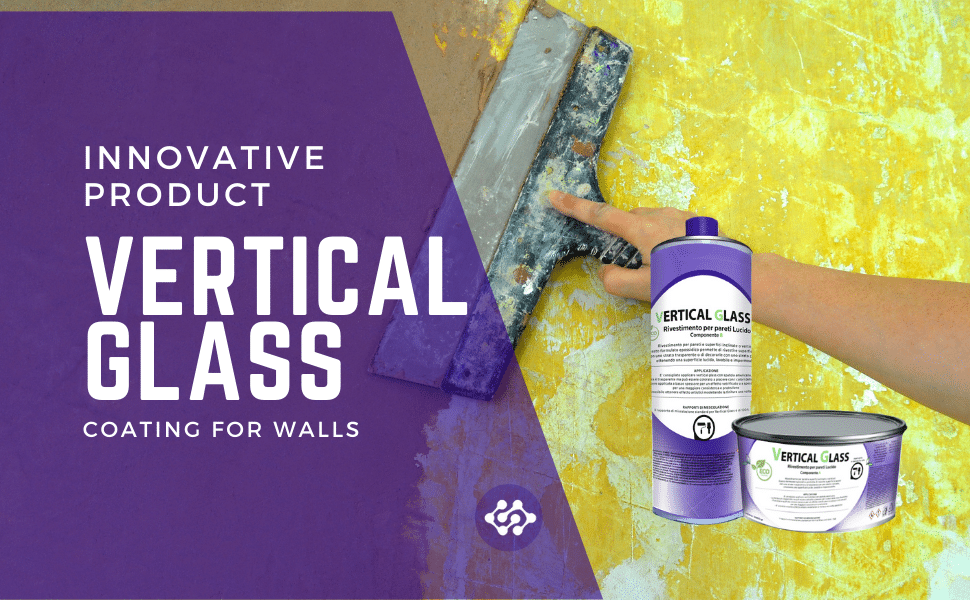
Visual Guide: Tools and Products Needed

Step 1: Prepare the Brick Substrate
Begin by ensuring the hollow brick surface is clean, dust-free, and fully dry. Remove any debris, loose particles, or previous coatings that could prevent the resin from bonding effectively. Use a vacuum cleaner, brush, or air blower to access hard-to-reach hollow cavities and remove all dust. If needed, sand lightly to create a rough texture for improved adhesion.
Ensure surfaces are completely dry before coating, as trapped moisture in bricks can hinder curing or cause bubbling in resin applications.
Step 2: Apply a Primer or Pre-Seal (If Required)
Many hollow bricks are highly porous and may benefit from a sealing or priming coat before the main resin application. Use a compatible, low-viscosity resin primer, brushed or rolled into the brick surface to reduce absorbency and prevent air bubbles during the main coating step. Allow the primer to cure as per manufacturer instructions before proceeding.
“Resinstone” – One-Component Methacrylic Resin for Concrete Floors and Driveways is suitable for pre-sealing porous masonry thanks to its deep capillary penetration and rapid drying properties.
Step 3: Install the Resin-Coated Material
Choose your resin solution based on the final appearance and use-case. For a decorative wall finish or waterproof interior, use a trowel or spatula to apply a resin wall coating directly onto the prepared bricks. Work in thin, even layers to avoid drips on vertical surfaces. For applications involving aggregate mixes—such as creating a permeable or decorative stone layer—fully combine your chosen resin binder with pebbles or grits in a mixing bucket until evenly coated. Then place the mix firmly into or onto the hollow brick surface, pressing into recesses and compacting for void-free installation.
“Vertical Glass” – Thick Resin Decorative Wall Coating is ideal for direct wall applications, offering a customisable, easy-to-clean finish. For outdoor or permeable aggregate projects, consider “Polirock” – Polyurethane Binder for White Stones, 2kg Two-Component Kit with white/natural stones, or “Trasparente” – Epoxy Binder for Coloured Pebbles and Grits for vibrant, coloured surfaces.
Avoid excessive resin thickness in single applications; multiple thin layers provide greater control and better curing on vertical or uneven surfaces.

Step 4: Curing and Finishing Touches
Allow the installed resin or aggregate layer to cure fully according to product guidelines. This may range from several hours (for fast-setting systems) to 24–48 hours for complete mechanical strength. Avoid touching or stressing the surface during this period. Once cured, inspect for pinholes or incomplete coverage, and touch up if necessary. For wall finishes, sand lightly after full curing to achieve a satin or smooth effect, if desired.
Allow full curing between steps to prevent delamination or surface imperfections.

Tips, Common Mistakes, and Troubleshooting
Installing resin-coated materials on hollow bricks requires special care: bricks’ porosity can cause rapid resin absorption, so always check compatibility and plan for potential priming. Take care to fully encapsulate aggregates for cohesive mixes. Be mindful of working time, as resins can set quickly in warm conditions. Mask off adjacent areas to prevent accidental resin spill on unwanted surfaces.
Check resin compatibility with bricks and aggregates before starting your project, especially when mixing stone binders and different substrates.
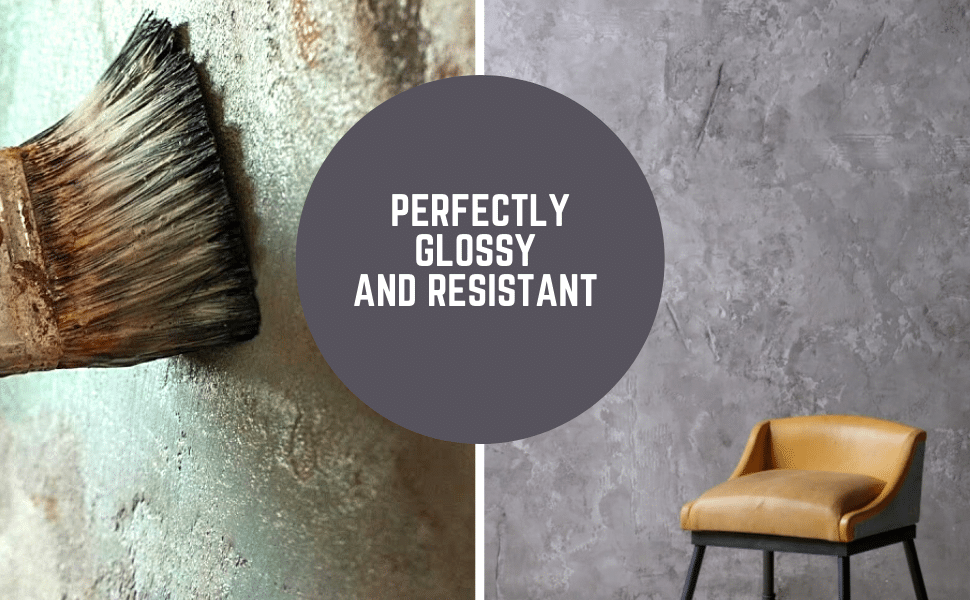
See the difference well-applied resin makes! These example projects show hollow bricks transformed with vivid decorative finishes, waterproof coatings, or stable stone layers. Use these as reference for colour, texture, or design ideas.Project Gallery: Finished Resin Surfaces on Brick
- "Vertical Glass" – Thick Resin Decorative Wall CoatingPrice range: £128.85 through £179.85Customisable epoxy resin wall coating suitable for vertical and sloping surfaces with a durable, washable finish.
- "Resinstone" – One-Component Methacrylic Resin for Concrete Floors and DrivewaysPrice range: £29.85 through £59.85"Resinstone" is a one-component methacrylic resin designed for sealing and protecting concrete floors and driveways, providing durable and breathable…
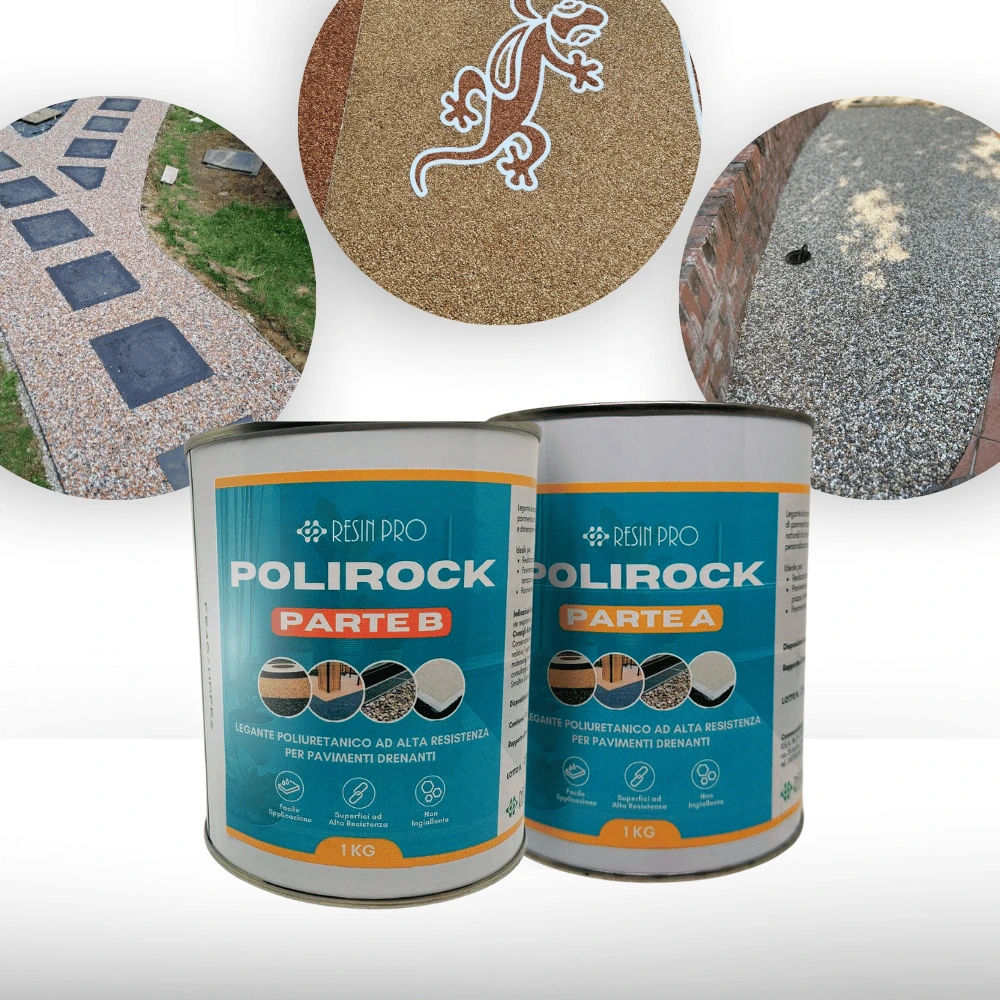 "Polirock" – Polyurethane Binder for White Stones, 2kg Two-Component Kit£58.85Polirock is a two-component polyurethane binder suited for decorative, permeable outdoor stone surfaces, compatible with natural aggregates.
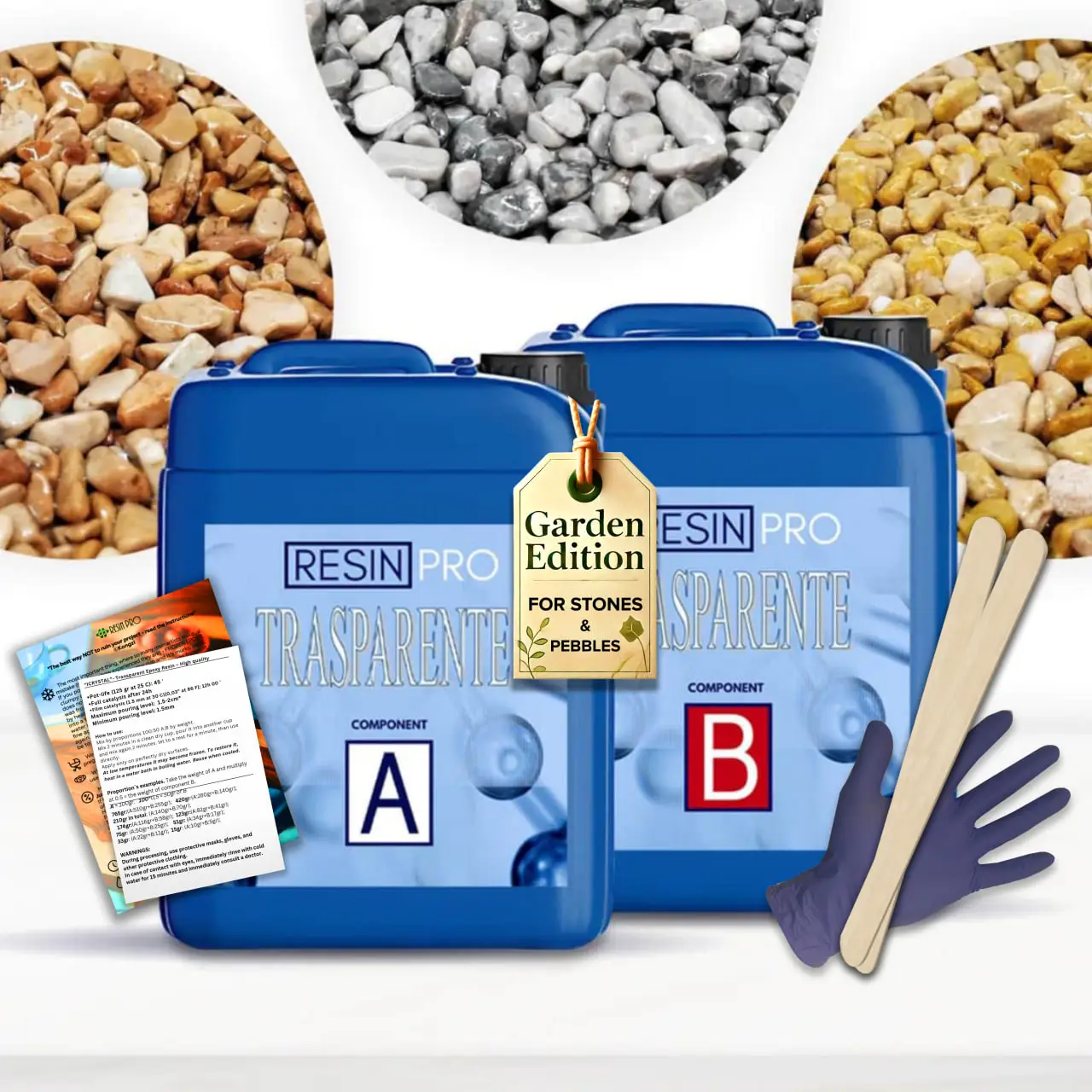 "Trasparente" – Epoxy Binder for Coloured Pebbles and GritsPrice range: £31.85 through £948.85"Trasparente" epoxy binder is suitable for coloured pebbles and grits, offering clear, bubble-free finishes with UV stability for paths and driveways.
Not all resins are suitable; always choose a product matched to brick porosity and the project's decorative or functional goals. While not always essential, a primer is highly recommended for hollow or porous bricks to improve adhesion and prevent rapid absorption. Curing time varies by product but typically ranges from 10 hours to 48 hours. Always allow full curing before further handling or finishing. Yes, when properly mixed, resin binders encapsulate and fix aggregates securely even on uneven brick substrata. It depends on load and design; for structural applications or heavy layers, filling large voids is beneficial for support. Pre-sealing the bricks, working in thin layers, and applying resin in dry conditions significantly reduce the risk of bubbles.Frequently Asked Questions
Can you use any resin on hollow bricks?
Is a primer required when installing resin on bricks?
How long do resin coatings take to cure?
Can resin binders hold loose stones on brick?
Should you fill hollow bricks before resin application?
How to avoid bubbles in resin on bricks?