 Free shipping on orders over £29,85
  Shipping Tracking!


 Google
 Facebook
← Back to How do you apply resin to a brass plaque?
Bubbles can spoil the flawless look of resin-applied brass plaques. Preventing them is crucial for a professional, crystal-clear finish. Here’s how to achieve smooth, bubble-free results every time.
Mixing the Resin Carefully
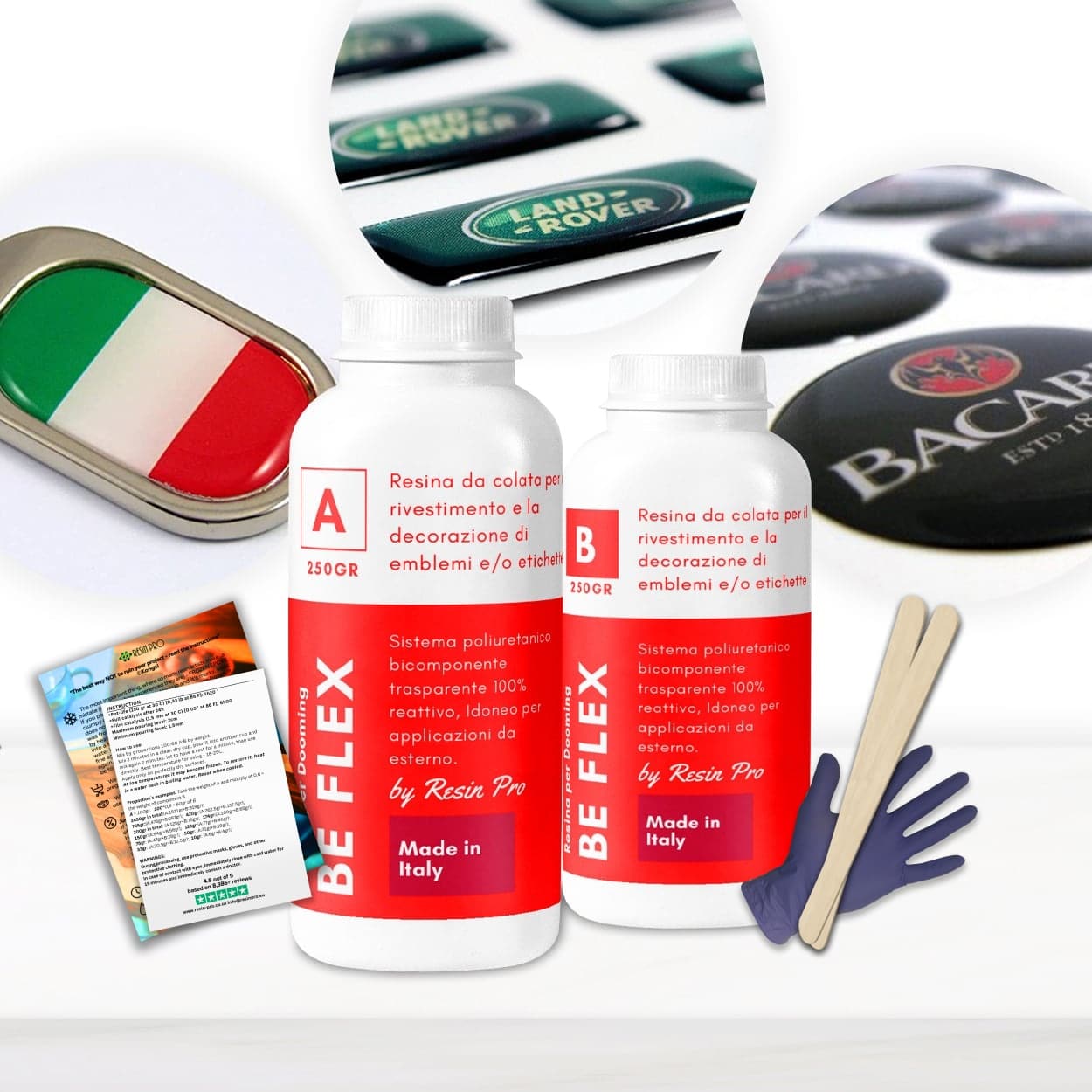
The most common cause of bubbles is vigorous or rushed mixing. Always combine resin and hardener slowly and steadily, scraping the sides and base of your mixing vessel to ensure complete blending. Rapid mixing introduces excess air, so take your time to minimise trapped bubbles. For intricate or doming applications, such as with Be Flex Polyurethane Doming Resin, careful mixing will help avoid bubble formation from the outset.
Gentle Application Techniques
When pouring or applying the resin to brass, do so steadily and in thin layers. Try to pour from a low height and let the resin flow naturally across the surface, as this avoids introducing extra air. Using a spreader or stick to gently guide the resin to the plaque’s edges helps keep application even with minimal disturbance.
Eliminating Bubbles After Pouring
Despite best efforts during mixing and pouring, tiny bubbles may still appear on the surface. Once the resin is applied, pass a heat gun or torch lightly over it to bring remaining bubbles to the surface and pop them. Take care not to overheat or overwork the area, especially on thinner coats often used on plaques. This approach results in a smooth, glassy finish.
When this matters most
Bubble control is particularly important for commemorative plaques, labels, and award plates where clarity and a professional appearance are key. Following these steps helps ensure a pristine result, whether you are working on a delicate memorial or a display piece.
Related products
Related guides
Applying resin to brass plaques with care prevents bubbles and delivers a flawless, long-lasting finish. For more guidance on working with resin and brass, visit our main advice section on how to apply resin to a brass plaque.