 Free shipping on orders over £29,85
  Shipping Tracking!


 Google
 Facebook
How to calculate how much resin is needed?
Essential steps for accurate resin measurement and mixing


Getting your resin measurements right is crucial for a smooth project, whether you’re casting river tables, making jewellery, or coating artwork. Miscalculating can result in wasted material, imperfect curing, or unsatisfactory finishes. This guide will walk you through the process of working out exactly how much resin you need for your specific project, with practical steps and easy tips to avoid the common pitfalls of over- or under-calculation.
What You’ll Need
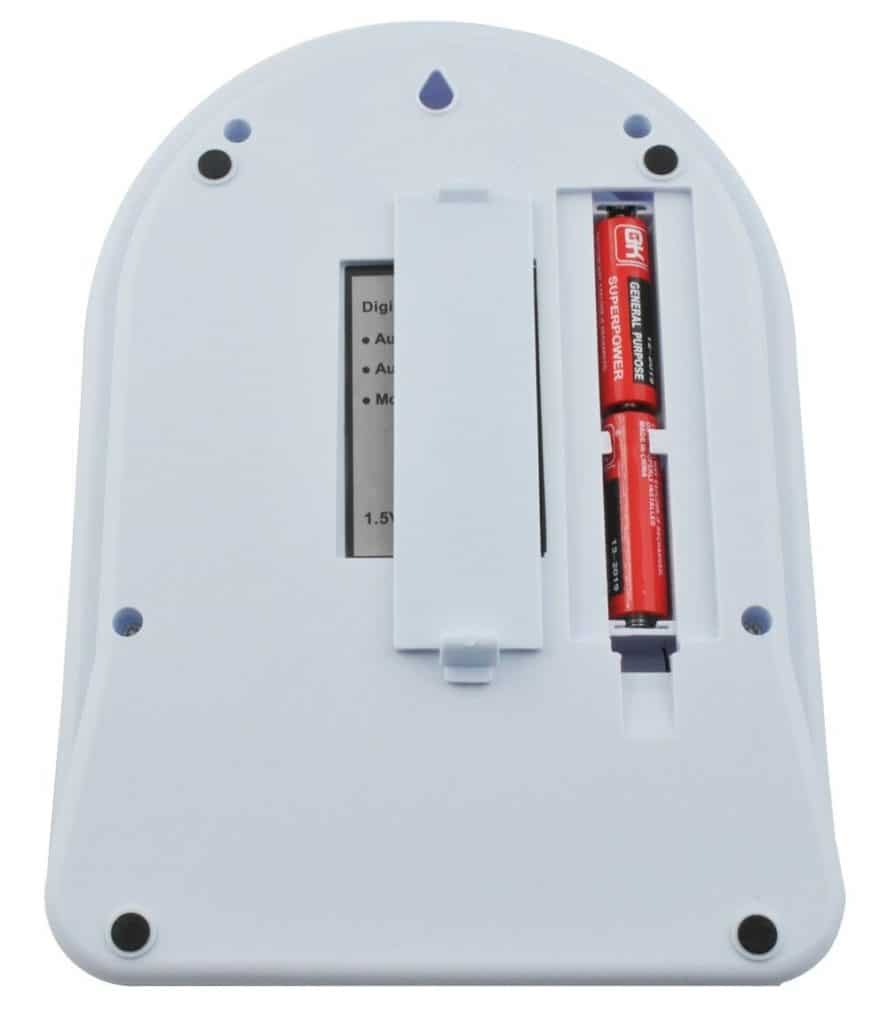
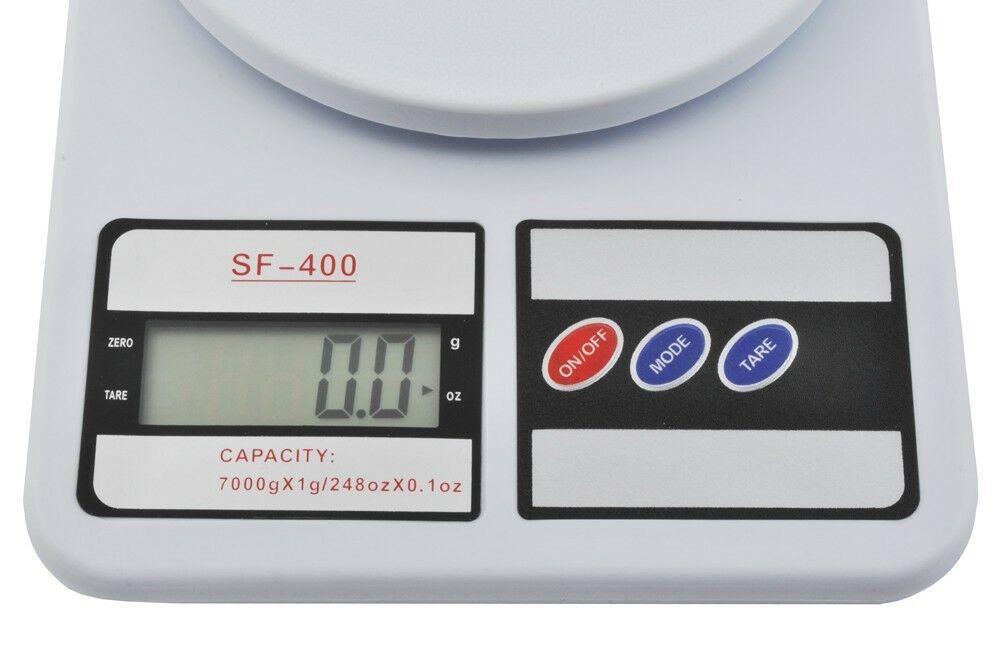
- Precision Digital Scales for Resin and Crafting, 1g–7kg: For exact weight measurements when mixing components.
- 2L Graduated Measuring Cup for Resin – Precise Epoxy Dosing Tool: To measure resin and hardener volumes accurately.
- Calculator or conversion tool: For volume-to-weight conversions if required.
- Notepad and pen: For jotting down calculations and ratios.
- Safety equipment: Gloves, and a protected workspace.
Choosing the Right Measuring Tool
Precision matters in resin projects. Digital scales, such as the Precision Digital Scales for Resin and Crafting, 1g–7kg, deliver accurate weights for small and large batches, while the 2L Graduated Measuring Cup simplifies liquid volume calculation for pours and coatings.
Step 1: Measure the Project Area or Volume
Begin by determining the area or volume you want to cover or fill with resin. For flat surfaces, multiply the length by the width and desired thickness (length × width × depth) to get the cubic centimetres or millimetres. For irregular moulds or objects, estimate by filling them with water and measuring the volume. This ensures you know precisely how much space the resin must occupy. If you’re working with a mould or form, always measure the interior dimensions for accuracy. Be mindful of any inclusions (such as wood in a river table) which reduce the total resin required.
Using a 2L Graduated Measuring Cup makes transferring and visualising volumes much easier, especially for projects requiring precise liquid evaluation.
Step 2: Convert Measurements to Resin Quantity
Once you have the volume in cubic centimetres (cm³), convert this to millilitres (ml) as 1 cm³ equals 1 ml. To work in litres, divide the total by 1,000. Manufacturers typically list resin coverage in millilitre (ml) or litre units. For calculating required weight, use the resin’s density (g/cm³, usually about 1.1–1.2 depending on product) to convert volume to grams. This step sets the foundation for measuring out the precise resin mass you’ll need later.
If you’re mixing by weight, the Precision Digital Scales offer high accuracy for calculating each component as per the manufacturer’s instructions.
Step 3: Factor in Mixing Ratios and Batch Sizes
Nearly all resin projects require mixing a resin and a hardener in a specified ratio, commonly by weight or volume (like 100:50 or 2:1). Check your resin’s product datasheet for this information. Calculate the exact amount needed by separating the amount for resin and hardener and multiply according to the ratio. This prevents under- or over-mixing and ensuing issues such as incomplete curing or sticky surfaces.
Using both a measuring cup and scales together minimises mistakes—measure your components separately as per ratio before combining, especially for larger projects.
Step 4: Adjust for Project-Specific Considerations
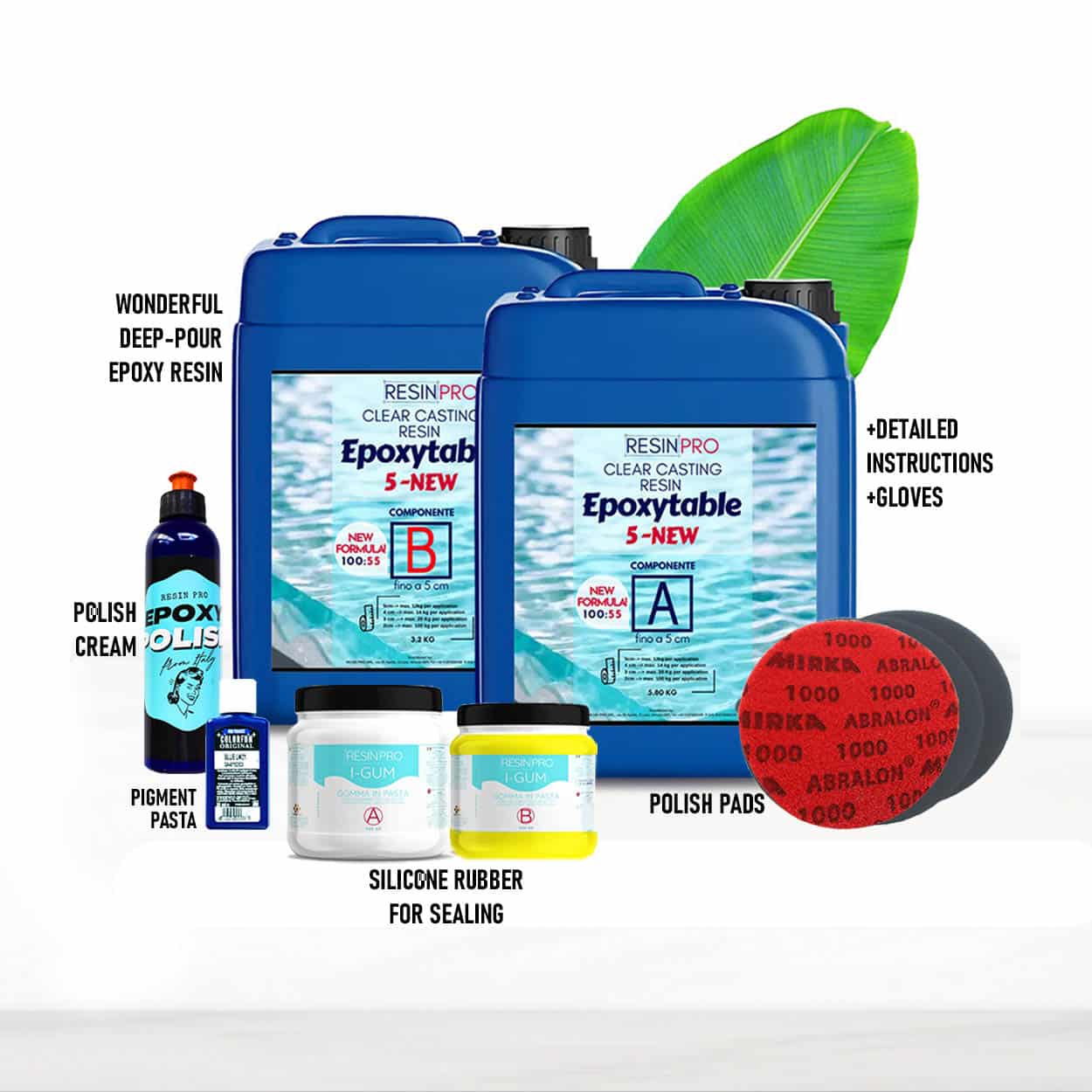
When determining how much resin to prepare, remember to account for factors like absorption loss (with wood surfaces), shape complexity, or the likelihood of material runoff or spills. For deep pours, you may need to mix in several batches to match your tools’ capacity limits while allowing for exothermic reaction control. If using a starter kit or a deep-pour resin specifically developed for a type of project, follow guidance included in those kits for recommended amounts and application limits.
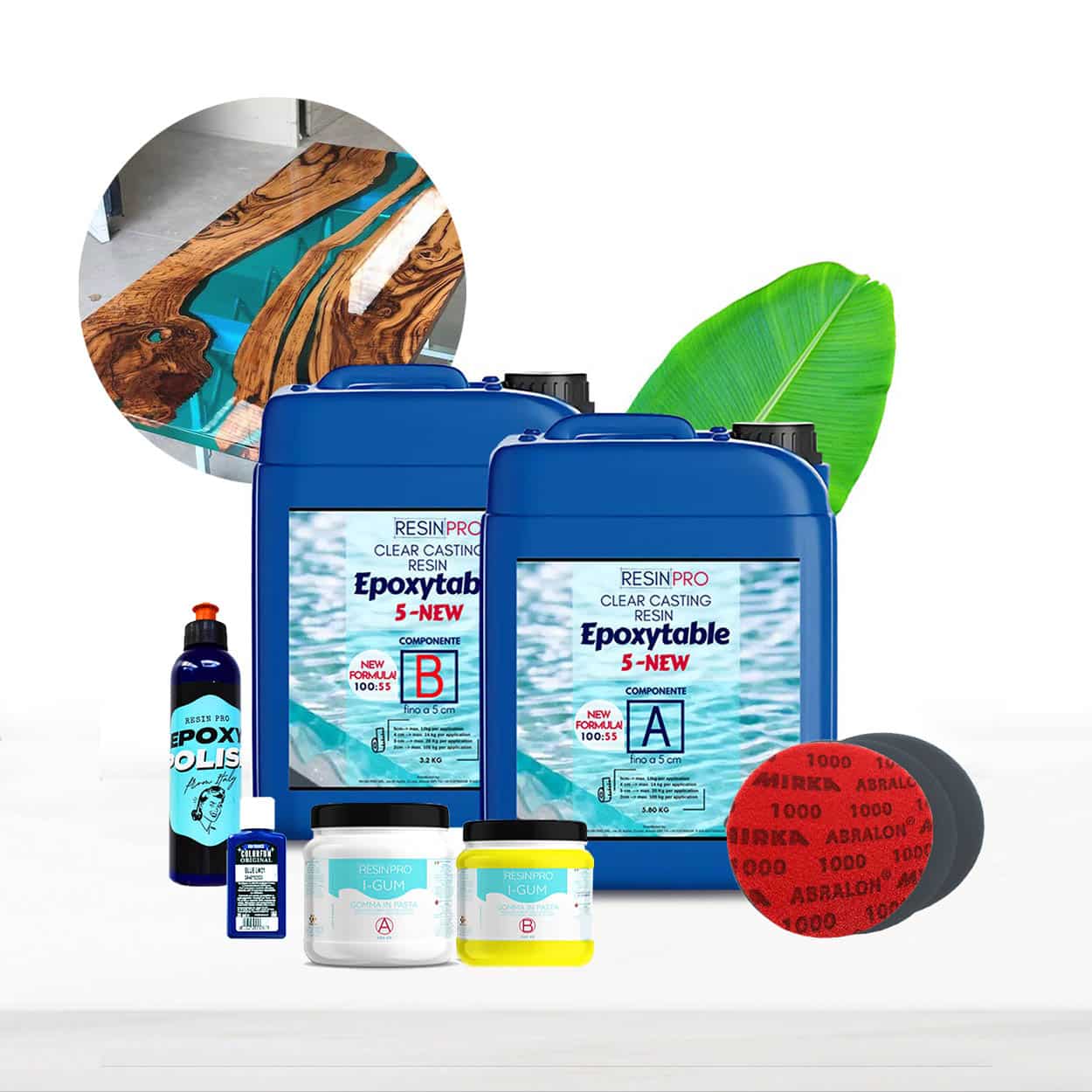
If you’re new to resin pouring for furniture or table projects, a resource like our complete kit for river tables includes guidance sheets and pre-measured ratios, streamlining this calculation process.
Tips and Common Mistakes When Calculating Resin
Always measure both resin and hardener separately for accuracy. Using only one side of the ratio or estimating by eye commonly leads to problems. Take note of the manufacturer’s mixing ratio and never assume a universal standard. Double-check your calculations before mixing—even a small misstep can mean wasted product or failed results.
Measure for depth as well as surface area in volume calculations. Mix in batches if your total exceeds tool limits, and always consider material loss due to absorption or runoff. Using the right measuring tools will improve consistency and save cost over time.
Visualising Resin Quantity
Seeing is believing: Mix coloured water tests or trial runs in your project form to check estimated resin volumes before committing to expensive materials. This helps you identify under- or over-pours in advance and fine-tune your approach.
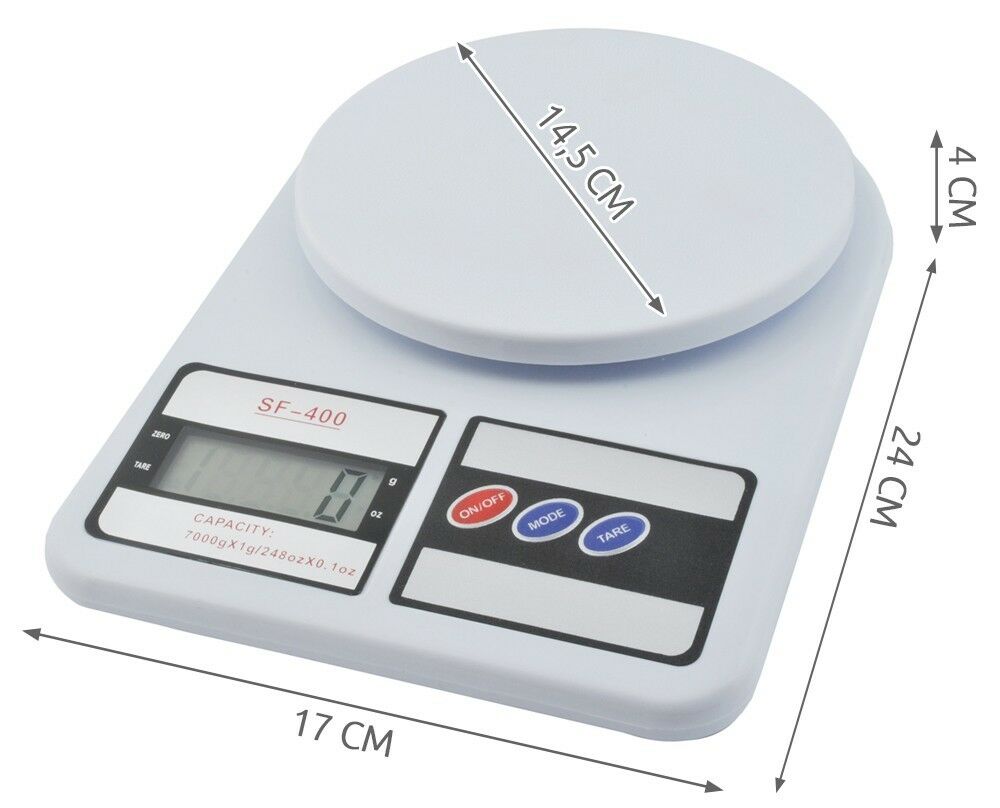
- Precision Digital Scales for Resin and Crafting, 1g–7kgPrice range: £7.85 through £22.85Digital scales designed for precise weighing of resin, suitable for crafters needing accuracy when measuring materials.
- 2L Graduated Measuring Cup for Resin – Precise Epoxy Dosing Tool£3.85The 2L Graduated Measuring Cup offers precise dosing with clear markings from 100ml, suitable for resin artists measuring epoxy quantities accurately.
- "River-Table" – Complete Kit for Creating Your First Epoxy Resin TablePrice range: £188.85 through £444.85A complete kit including epoxy resin, silicone sealant, polishing materials and pigments designed for creating wood and resin tables.
 "EpoxyTable 5-Five" – Deep Pour Epoxy Resin for Tables and Large Projects – Up to 5cmPrice range: £16.85 through £1,099.85"EpoxyTable 5-Five" is suitable for deep pour projects up to 5cm, designed for tables and large projects within a practical calculation context.
Frequently Asked Questions
How do I measure resin accurately for my project?
Calculate the total volume needed, convert to ml or grams, and use a measuring cup or scales for precise portioning.
What is the correct mixing ratio for resin and hardener?
Check the product label. Many resins use a 2:1 or 100:50 ratio, but always follow your specific resin’s instructions.
Can I mix all the resin I need at the same time?
Only if within your mixing tool’s capacity and safe working time. For large pours, mix in smaller batches to avoid overheating.
Should I include the hardener in my total resin calculation?
Yes, calculate the combined volume or weight of resin and hardener as a total mix, using the specified ratio.
Do I need extra resin for porous wood or surfaces?
Add 10–15% extra resin to compensate for absorption, especially with raw timber or unsealed materials.
Will resin shrink during curing and affect my measurements?
Epoxy resins shrink minimally but for precision work, allowing a small margin may be helpful.