 Free shipping on orders over £29,85
  Shipping Tracking!


 Google
 Facebook
← Back to How to calculate how much resin is needed?
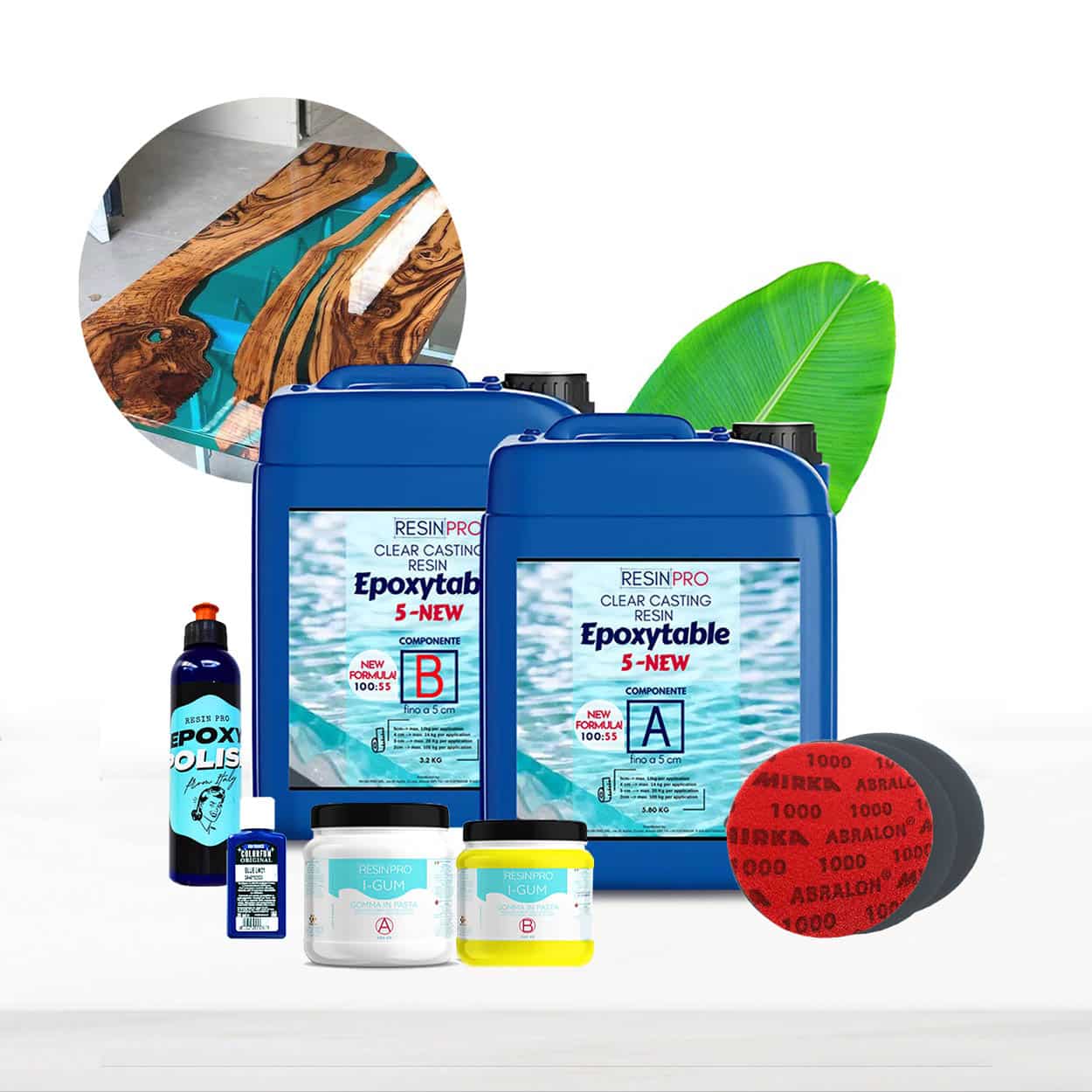
When planning epoxy resin projects, it’s easy to focus on the size of your surface alone. However, properly measuring the depth as well as surface area ensures you mix the ideal amount of resin for your needs, preventing waste and ensuring great results.
Why Depth Calculation Makes a Difference
The thickness of your pour directly influences how much resin you need. Calculating just the surface area might leave you short or cause excess, leading to uneven finishes or unnecessary expense. For accurate results every time, always multiply your surface area by the intended depth to determine total resin volume.
How to Accurately Measure Resin Volume
First, measure the length and width of the area to cover and multiply these for the surface space. Next, measure the intended depth of your resin layer—commonly in centimetres. Multiply all three numbers (length × width × depth) to get the volume required in cubic centimetres (cm³). For projects requiring precision, tools like the 2L Graduated Measuring Cup ensure you dose exactly the right amount. For larger or heavier projects, a set of digital scales also offers reliable accuracy.
When This Matters Most
- River tables & deep pours: Getting both area and depth right is critical for projects up to 5cm thick. Products like “EpoxyTable 5-Five” are formulated for these applications.
- Layered or domed effects: Knowing the volume per layer helps prevent overflows or thin patches.
Related products
Related guides
Taking time to measure both surface area and depth will boost the quality of any resin project and help you order the correct amount first time. For more in-depth advice, visit our guide on how to calculate how much resin is needed.