 Free shipping on orders over £29,85
  Shipping Tracking!


 Google
 Facebook
← Back to What do you think of resin printers?
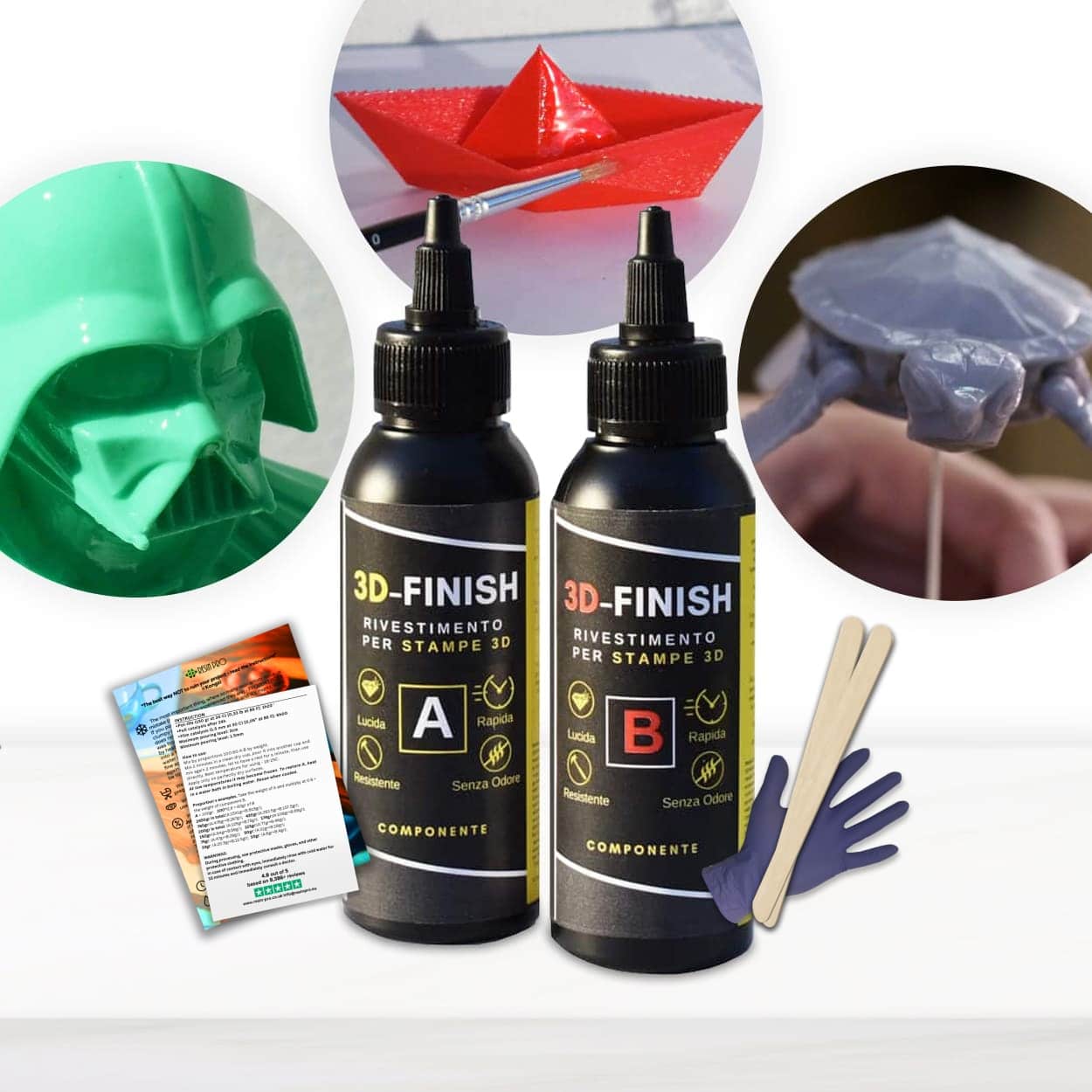
Selecting the right resin for 3D printing is essential for achieving the desired finish and performance of your models. Both epoxy and UV resins offer unique advantages, depending on your specific project needs.
Understanding Epoxy vs UV Resin
Epoxy resin is renowned for its strong, durable finish, making it ideal for enhancing strength and providing a smooth surface on 3D prints made from materials such as PLA or ABS. It is typically used as a post-processing coating or for bonding and repairing prints. In contrast, UV resin cures rapidly under a UV lamp, making it perfect for applications that require swift setting times and intricate detail, such as jewellery pieces or fine craft embellishments.
Choosing the Best Resin for Your Application
- For Fine Detail and Fast Turnaround: UV resins, such as “Fairy Wings” UV Resin, are designed for quick, thin-layer applications and deliver crisp details. They are ideal if your workflow demands immediate handling or you wish to build detailed decorative effects.
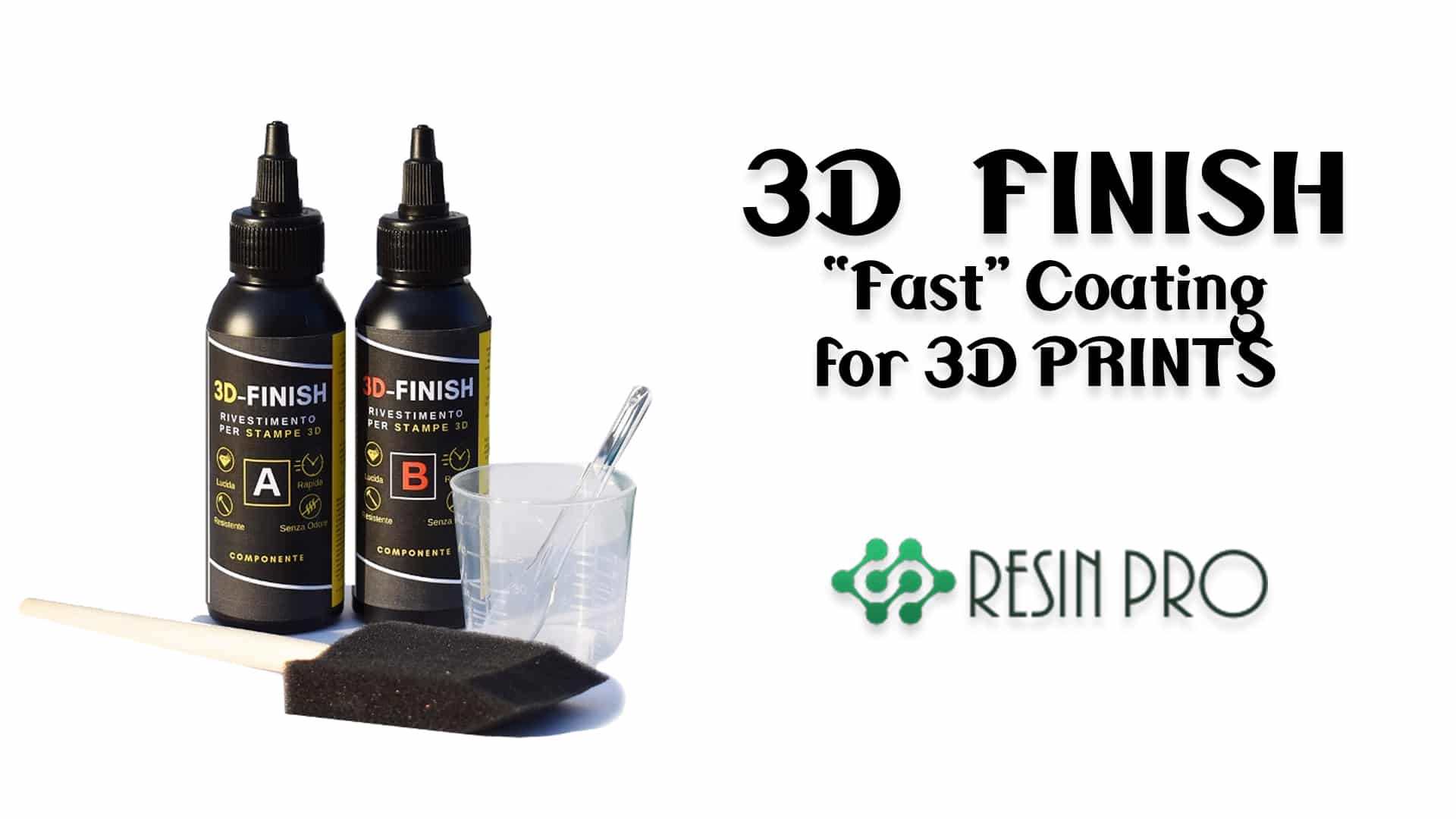
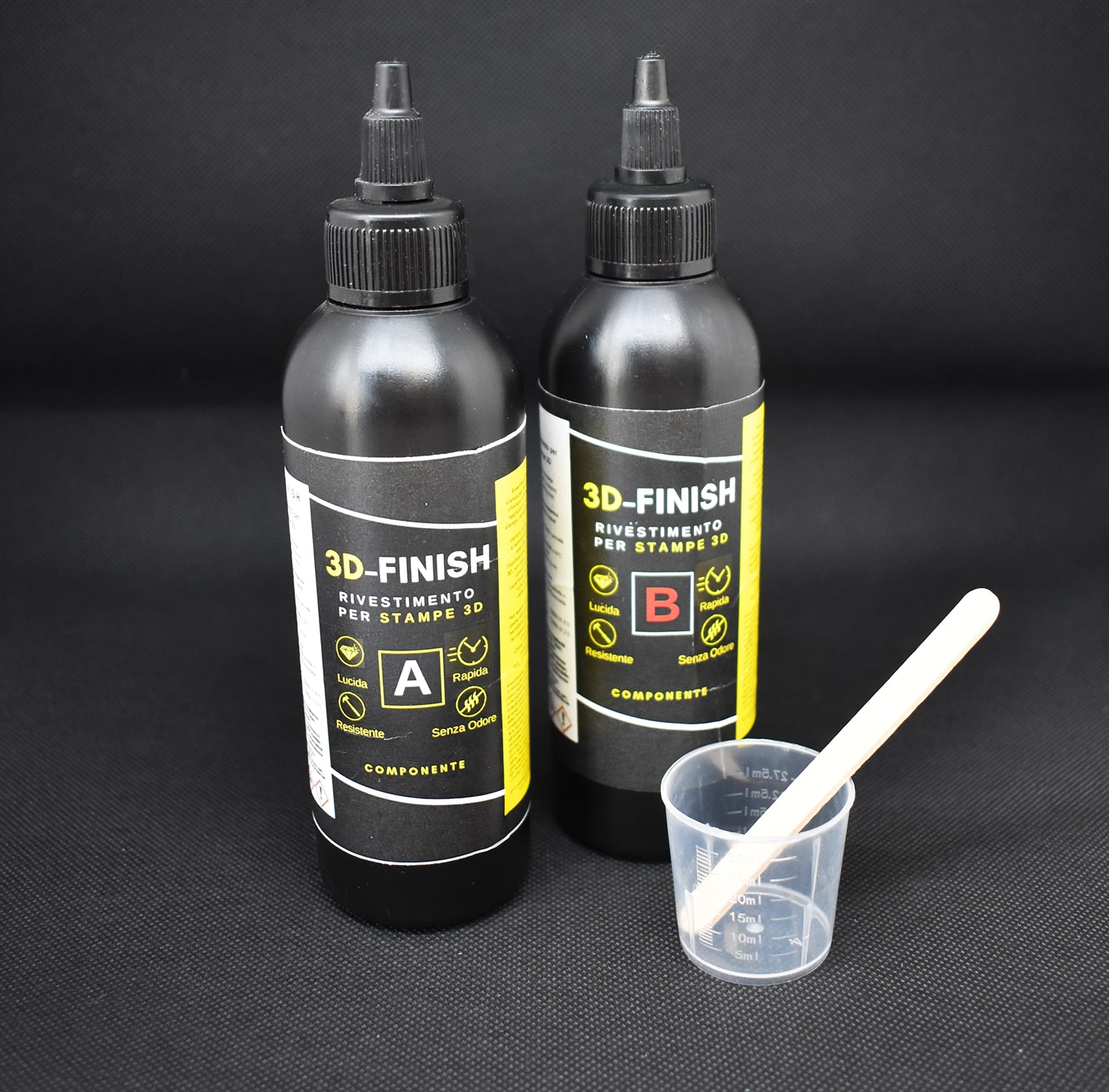
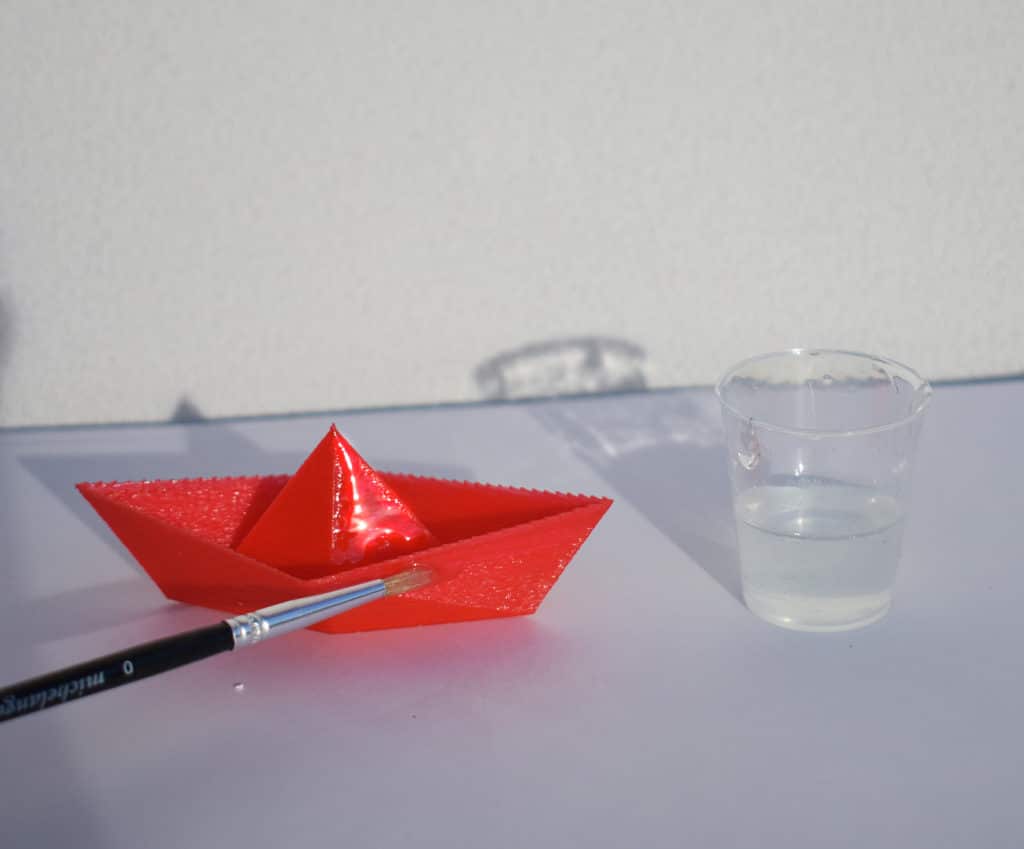
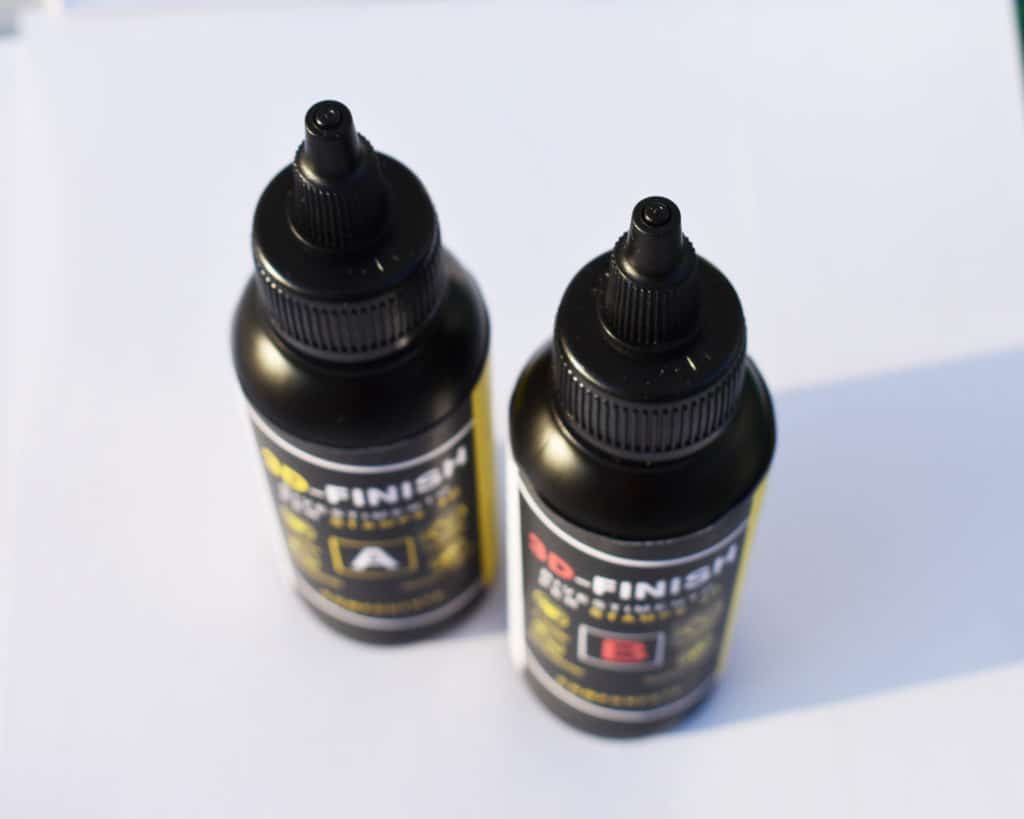
- For Surface Protection and Durability: An epoxy resin like “3D Finish” – Fast Coating Epoxy Resin for 3D Prints is best suited for giving printed parts an even, glossy coat that not only preserves fine features but also eliminates layer lines and enhances strength.
When This Matters Most
Your choice matters when the end use demands either a superior surface finish or urgent project turnaround. For prototyping that needs quick detailing, UV resin is often the best fit. For models exposed to stress or requiring a premium finish, epoxy gives lasting protection.
Related products
Related guides
Understanding the benefits of epoxy and UV resins ensures your 3D prints reach their full potential. Discover more ways resin printers can enhance your creative projects by exploring our full resin printer FAQ hub.