 Free shipping on orders over £29,85
  Shipping Tracking!


 Google
 Facebook
How to choose the resin injection machine?
Selecting the right resin injection tool for your project needs

Choosing the right resin injection machine is essential for professionals and advanced hobbyists working with advanced composites, carbon fibre, fibreglass, or intricate mould making. This guide explores the fundamental considerations, compares potential materials and application requirements, and showcases leading product options suited to a variety of resin injection projects.
Comparing Options for Resin Injection: What Matters Most
When selecting a resin injection machine, the type of resin or silicone rubber you plan to use plays a key role. For instance, projects involving carbon fibre or fibreglass demand resins that ensure perfect impregnation and structural integrity, while mould making requires materials that are easy to work with and compatible with several casting compounds. Understanding the mechanical properties, curing requirements, and usability of compatible resins will help you choose injection equipment that delivers durable results and fine detail. Assess if your focus is on high impact-resistance, glossy finishes, or versatility across various mould applications, and match your machine with products tailored for these outcomes.

Visual Comparison: Resin Types and Applications
See the difference between resins made for carbon fibre reinforcing and translucent silicone for mould making. Examine side-by-side examples to better understand which material supports your chosen resin injection workflow and finish requirements.
“Carbon Resin” – Epoxy Resin for Carbon Fiber & Fiberglass Coating
For composite work that includes carbon fibre or fibreglass, “Carbon Resin” – Epoxy Resin for Carbon Fiber & Fiberglass Coating is formulated to ensure perfect impregnation without bubbles, resulting in parts with structural integrity and a glossy, professional finish. Its resistance to high mechanical stress makes it ideal for demanding applications where durability is a priority. This resin is designed for easy application and cures conveniently at room temperature, which aligns well with most resin injection machines. If your injection process includes technical fabrics or high-performance composites, this resin is a dependable choice.
“Pure Mould” – Translucent Liquid Silicone Rubber for Mould Making
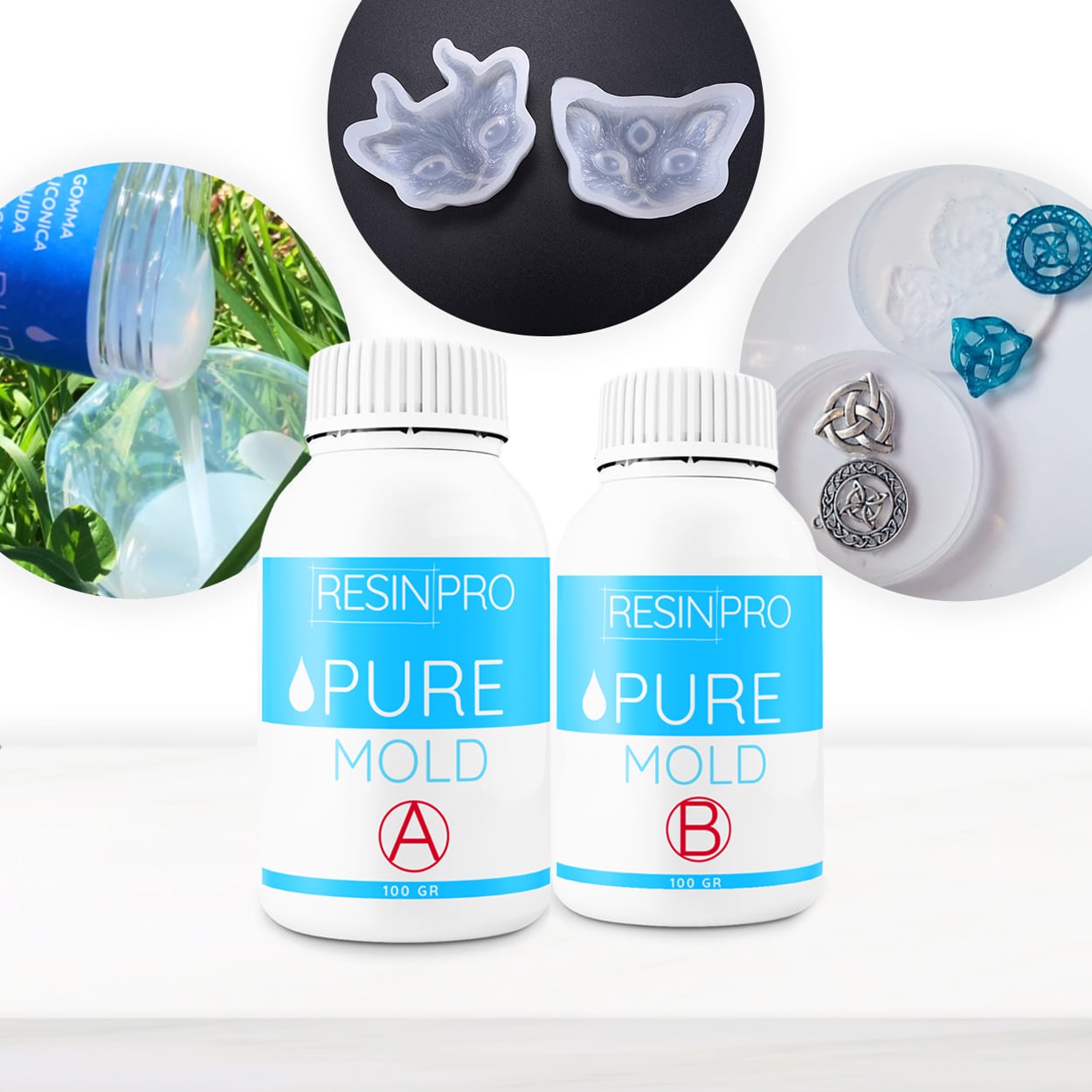
“Pure Mould” – Translucent Liquid Silicone Rubber for Mould Making stands out for those focused on the mould-making stage of resin work. This platinum-based silicone rubber promotes detailed, reusable moulds thanks to its fast casting times, translucency, and easy mixing ratio 1:1. It is suitable for multiple resin types and casting materials, lending versatility to your workshop whether you are working with epoxy, polyester, or even cements and plasters. Its high level of detail and minimal shrinkage make it compatible with most resin injection machines used in small to medium scale projects.
Key Considerations for Resin Injection Machine Selection
Beyond material compatibility, other factors should guide your decision. Consider the volume of your projects, as larger pieces may require machines with greater injection pressure or tank size. Precision in dosage and the ability to control injection speed helps when working with technical fabrics or intricate moulds. If curing at room temperature is critical, opt for machines that handle products like “Carbon Resin” – Epoxy Resin for Carbon Fiber & Fiberglass Coating. For flexible and detailed moulds, devices suited for “Pure Mould” – Translucent Liquid Silicone Rubber for Mould Making are essential. Always match your resin injection machine to your material’s viscosity and intended technical use.
Application Gallery: Project Results
Review completed projects using both high-performance epoxy for composites and silicone rubbers for intricate moulds. This visual reference helps confirm your resin injection machine selection is suited to your project ambitions and end quality expectations.

- "Carbon Resin" – Epoxy Resin for Carbon Fiber & Fiberglass CoatingPrice range: £19.95 through £37.95Epoxy resin designed for carbon fibre and fibreglass projects, suitable for composites and technical fabrics with a durable, glossy finish.
- "Pure Mould" – Translucent Liquid Silicone Rubber for Mould MakingPrice range: £23.95 through £166.95"Pure Mould" is a translucent liquid silicone rubber designed for making detailed moulds compatible with various casting materials.
Frequently Asked Questions
Which resin injection machine is best for composite work?
Choose a machine compatible with epoxy resins and that offers precise impregnation capabilities for fibres or technical fabrics.
What resin is suitable for mould making?
Translucent liquid silicone rubber is ideal, providing detail, durability, and compatibility with many casting materials.
Is room temperature curing important for resin injection?
Yes, it simplifies handling and is compatible with most standard machines, making processes efficient for many users.
Can I use one machine for different types of resin?
If the machine supports the viscosity and setting behaviour of your chosen resins, it can usually handle both epoxy and silicone types.
What are the main differences between epoxy and silicone for injection?
Epoxy focuses on strength and fibre impregnation, while silicone is used for mould making and flexibility.
What factors ensure compatibility between resin and the injection machine?
Viscosity, required pressure, curing conditions, and injection speed must match between the resin and machine.