 Free shipping on orders over £29,85
  Shipping Tracking!


 Google
 Facebook
← Back to How much resin is needed in a water softener?

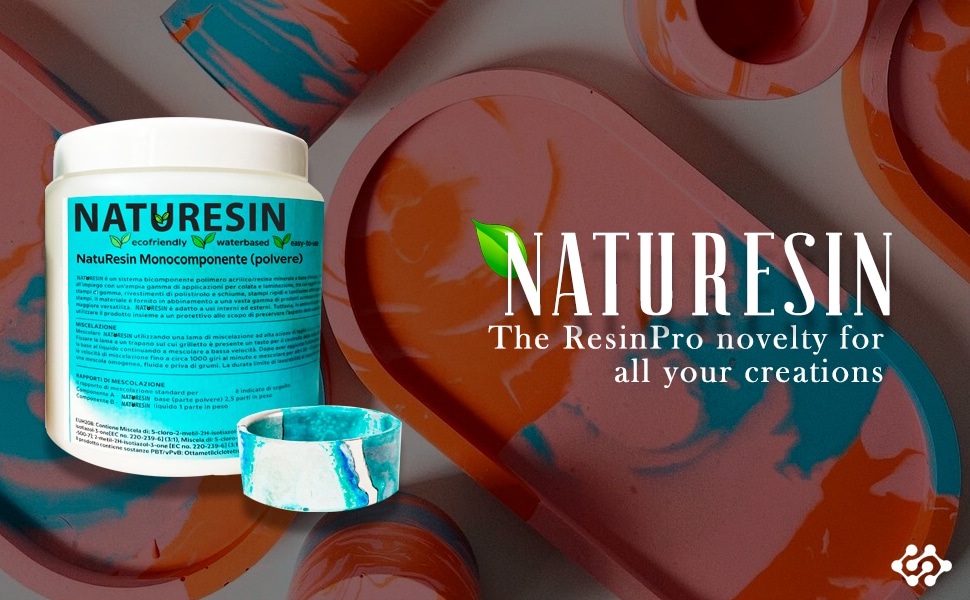
Maintaining the resin in your water softener is key to ensuring effective softening and a long appliance life. Here’s how to safely clean or replace resin to keep your system running smoothly.
When to Clean or Replace Resin
Over time, resin beads in a water softener can become fouled or lose their effectiveness. Common signs include reduced water softness, flow issues, or visible discolouration inside the tank. Minor build-up may be treated with cleaning, but severely degraded resin usually needs replacing for optimal performance.
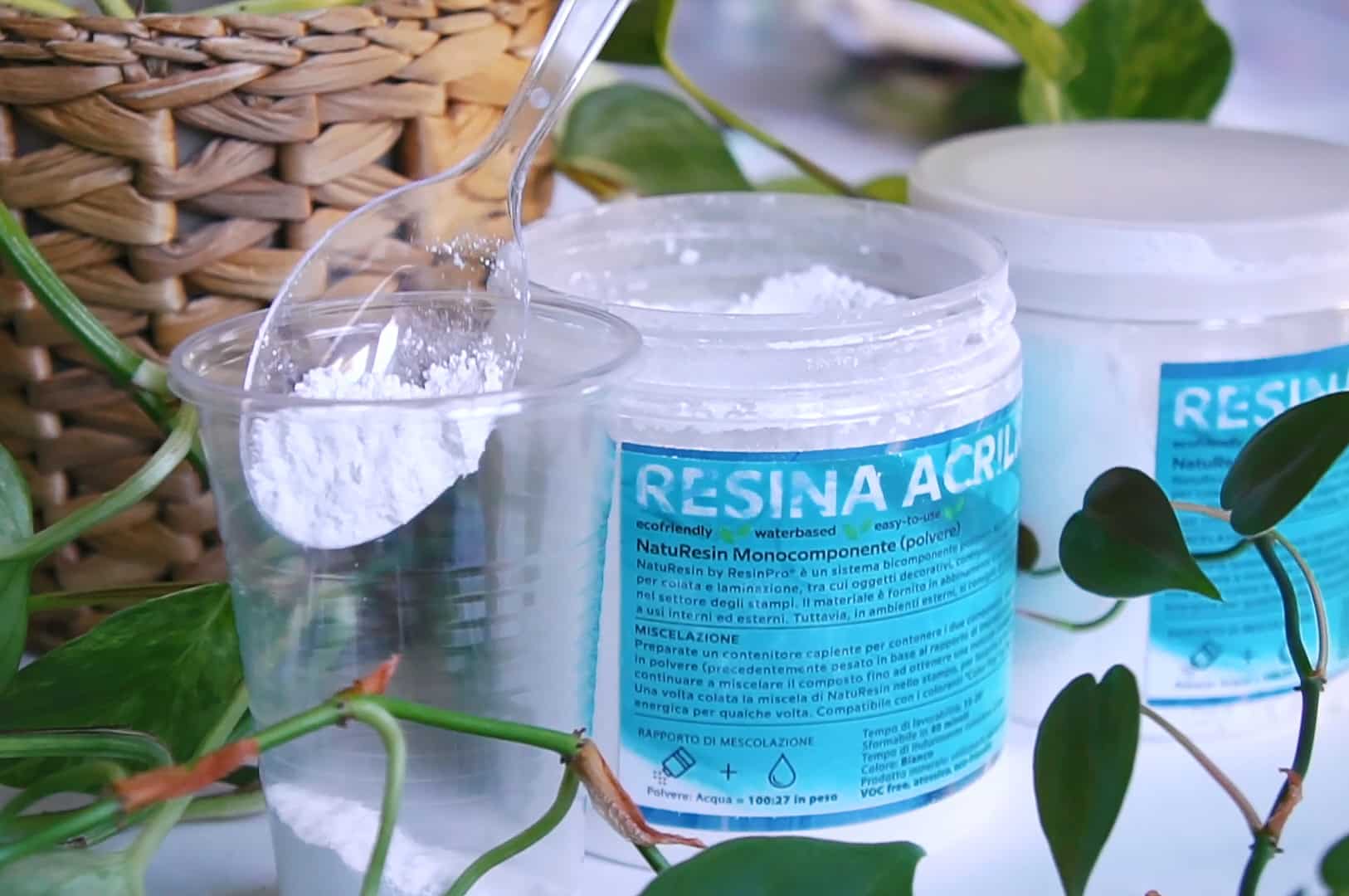

Steps for Safe Cleaning or Replacement
- Check the manual: Refer to your softener’s specific instructions for guidance on accessing and maintaining the resin bed.
- Cleaning: Use a recommended resin cleaner solution—never harsh chemicals—and follow manufacturer dosing. Run the cleaning cycle as instructed to flush out iron or organic residues.
- Replacement: If the resin is beyond cleaning, switch off the water, disconnect the unit, and fully drain the tank. Remove old resin for safe disposal, then add fresh compatible resin, filling as directed. Carefully reassemble, refill, and restart your system.
For non-domestic or specialist creative mineral resins such as NatuResin, always follow proper handling and disposal instructions for safety and best results in small-scale setups.
When This Matters Most
Routine cleaning prolongs the lifespan of your water softening system, while timely replacement ensures uninterrupted, high-quality softened water—especially important in areas with especially hard water or where the system has gone unused for long periods.
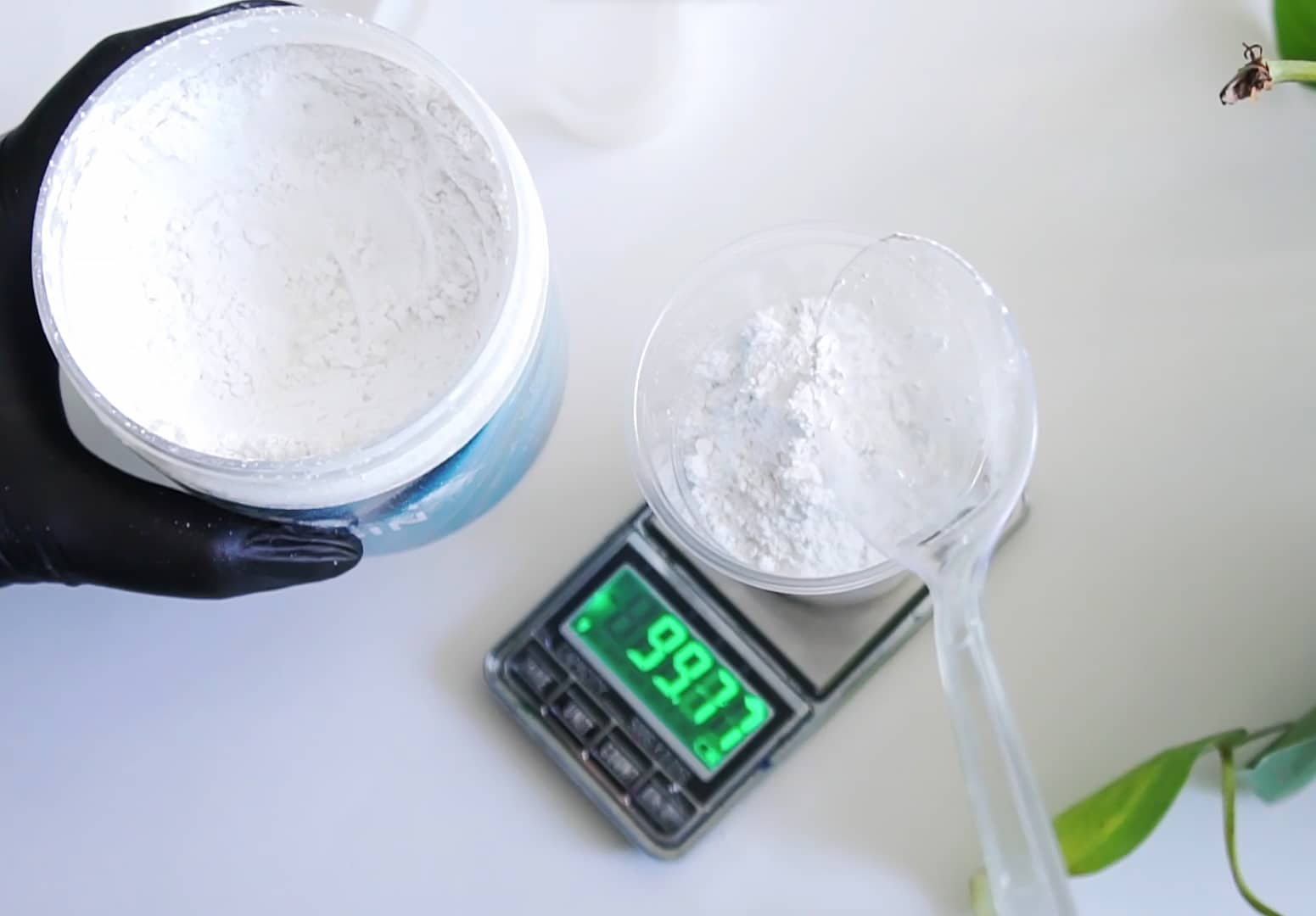
Related products
Related guides
Looking after your softener’s resin bed promotes system reliability and water quality. For more advice on choosing the right resin quantity or type, visit our full guide on how much resin is needed in a water softener.