 Free shipping on orders over £29,85
  Shipping Tracking!


 Google
 Facebook
How to clean resin pots?
Maintain resin mixing pots spotless with simple, proven cleaning steps


Cleaning your resin pots efficiently is essential for maintaining your equipment and ensuring the best results in every epoxy resin project. This guide explains practical, effective methods to remove uncured and cured resin residues, prolong the life of your mixing tools, and help you avoid common pitfalls that could damage your pots or affect future resin mixes.
What You’ll Need
- Strong Technical Degreaser for Resin Projects – 100% Natural Formula: Ideal for cleaning grease, silicone, and resin residues from your pots and tools.
- Pure Isopropyl Alcohol 99.9% – 1000ml Bottle for Epoxy Resin Projects & DIY: Helps dissolve uncured resin and prepares surfaces for the next use.
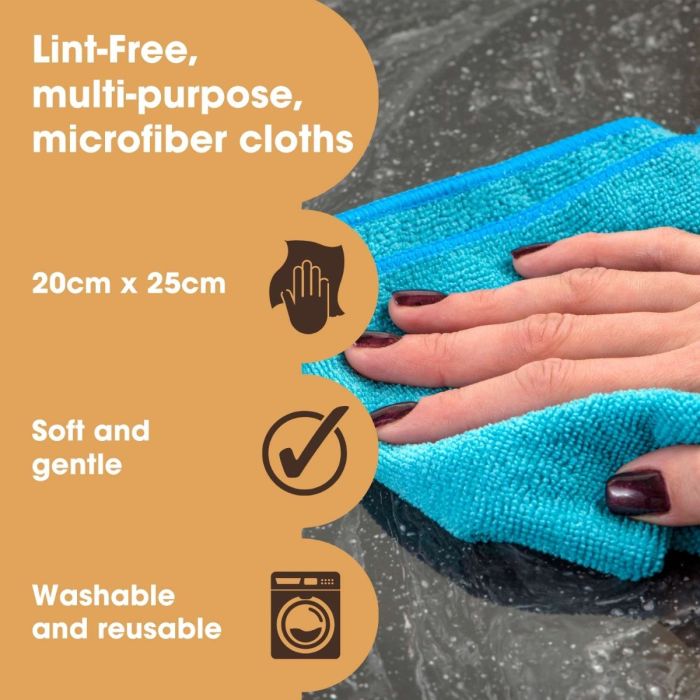
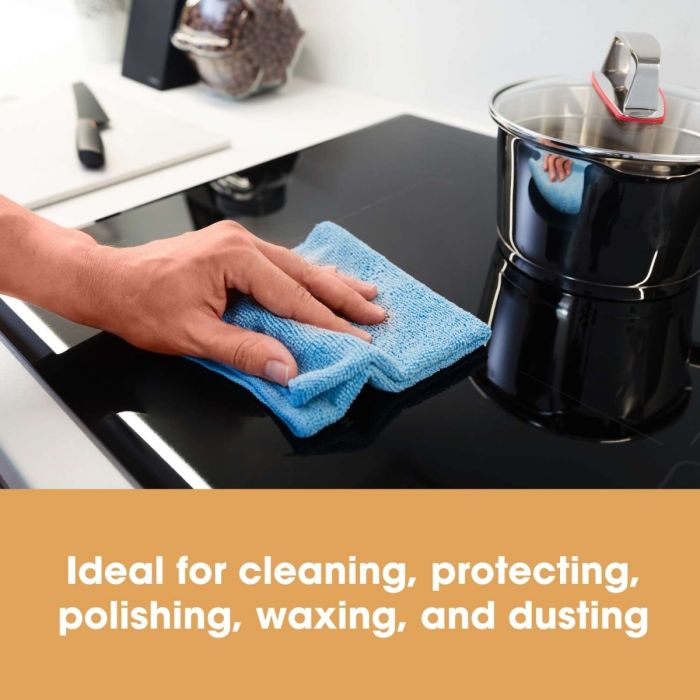
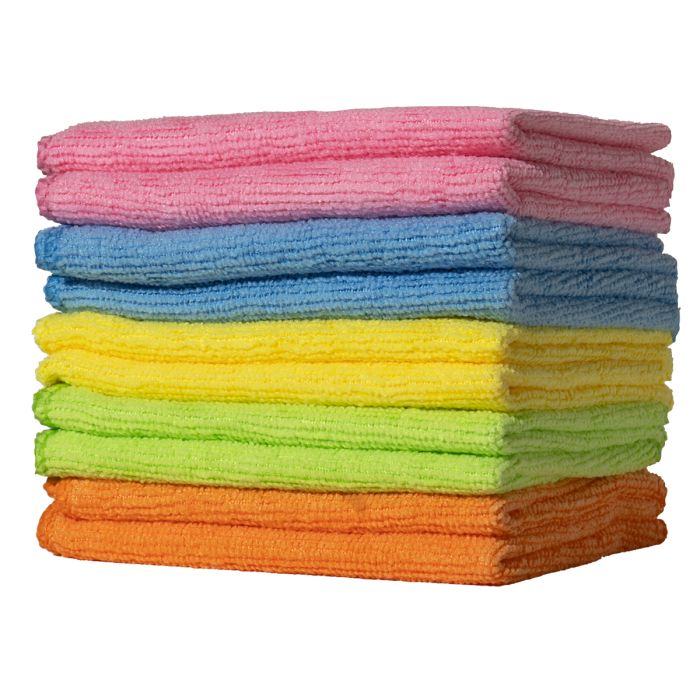
- Coloured Microfibre Cloths – Pack of 10 Multi-Coloured Cleaning Cloths: For gentle, lint-free cleaning without scratching your pots.
- Protective gloves: To protect your skin from sticky or irritating resin residues.
- Disposable wooden sticks or plastic spatulas: Useful for scraping off thick or cured resin remains.
- Warm water and mild soap: For basic cleaning and rinsing after using degreasers or alcohol.
Essential Tools for a Sparkling Clean Pot
High-quality cleaning products and soft, lint-free cloths are crucial for preserving the finish of your resin pots. Choose a trusted degreaser or isopropyl alcohol and pair them with gentle microfibre cloths for excellent results on every cleaning task.
Step 1: Remove Excess Uncured Resin Immediately
For the easiest cleaning experience, always clean pots before resin cures. As soon as you have finished pouring or mixing, use a spatula or mixing stick to scrape out as much remaining resin as possible. Wipe the inside with a paper towel or microfibre cloth while the resin is still tacky. Early action minimises stubborn build-up and lessens the amount of cleaner required later.
Step 2: Apply a Suitable Cleaning Agent
If there is residual uncured resin, use appropriate cleaning agents for residue type. For general epoxy residues and greasy contaminants, the Strong Technical Degreaser for Resin Projects – 100% Natural Formula is 100% natural and removes resin, adhesives, and oils without damaging the container. Apply a small amount to a cloth and wipe thoroughly. If the resin is more stubborn or sticky, particularly on plastic or glass pots, Pure Isopropyl Alcohol 99.9% is highly effective at dissolving remaining residue. Ventilate the area well and keep away from open flames when using alcohol.
Step 3: Clean and Wipe Down with Microfibre Cloths
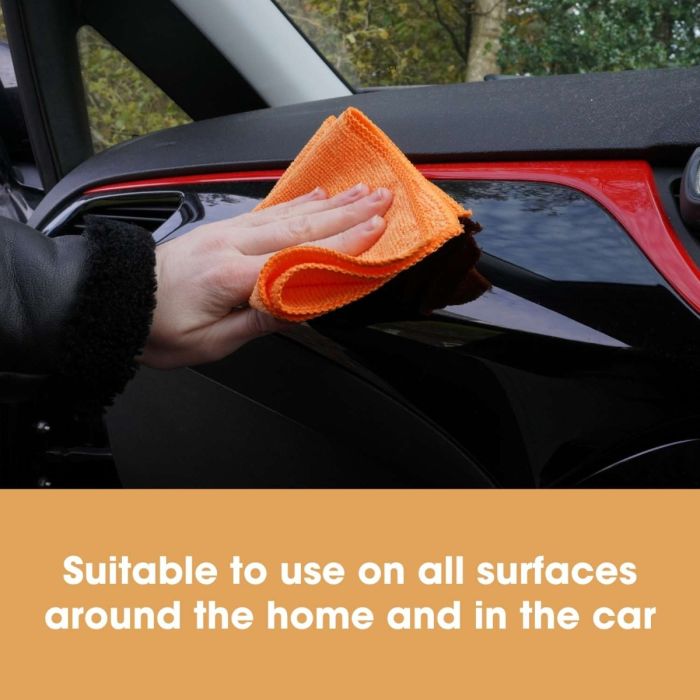
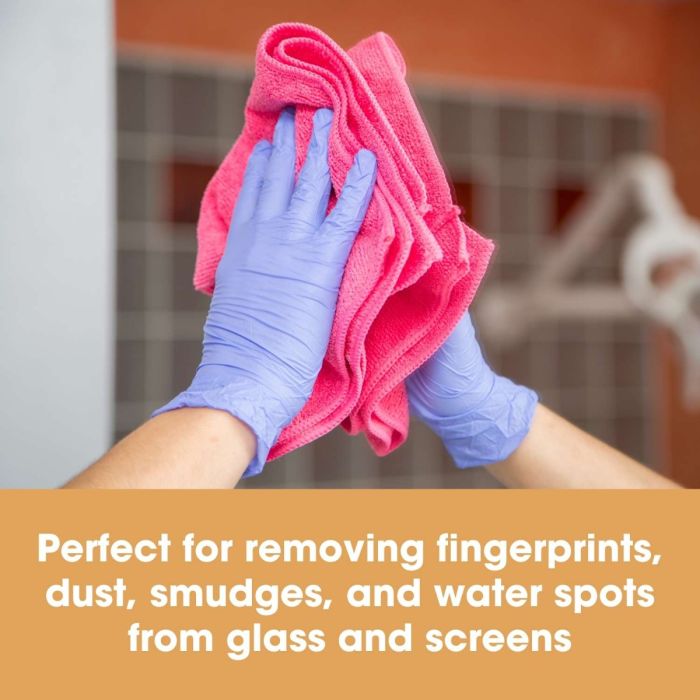
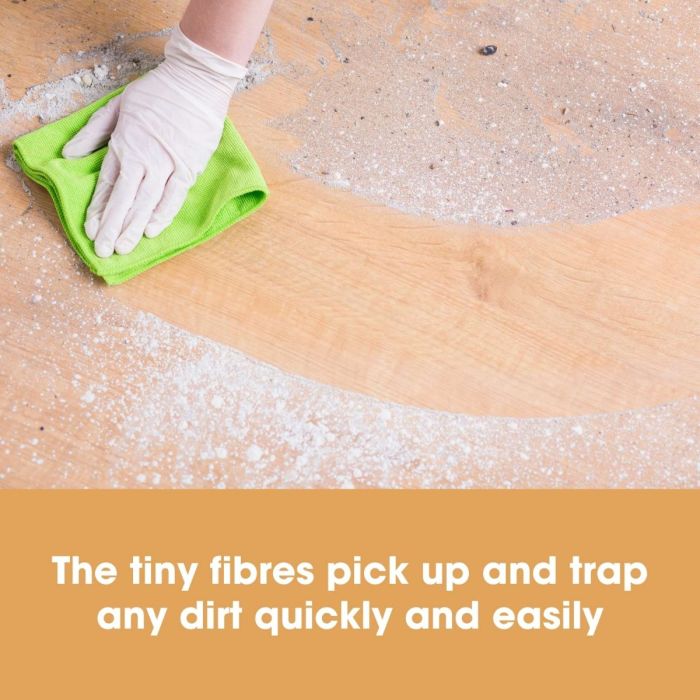
After applying your chosen cleaning agent, use a Coloured Microfibre Cloth to wipe the surface and remove both the cleaning product and dissolved resin from the interior of the pot. Microfibre is preferred because it is gentle, reusable, and won’t scratch plastic or metal pots. Rinse the pot with warm water and mild soap to ensure all residues are gone, then dry thoroughly before your next use.
Step 4: Remove Fully Cured Resin (If Needed)
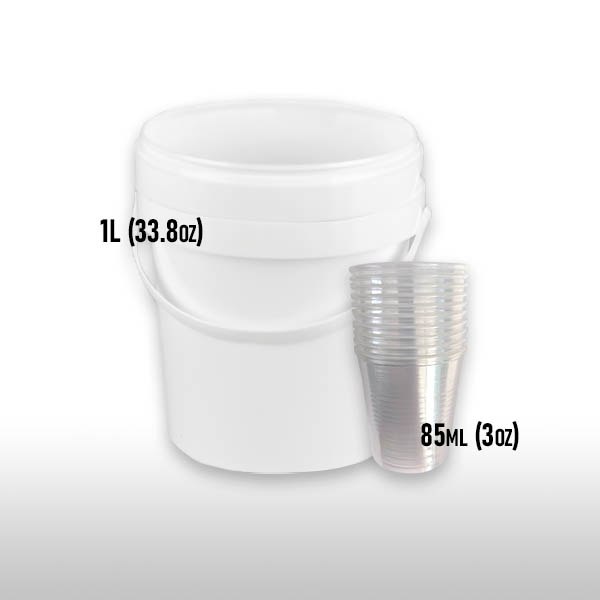
If you have left resin to fully cure in a flexible pot such as those in the Mixing Buckets Kit for Epoxy Resin Art – Easy Clean Flexible Design, simply flex or squeeze the sides. The cured resin should peel away cleanly thanks to the flexible material. For rigid containers, tapping or gently knocking the pot can help loosen cured remnants, but do not use abrasive tools or harsh chemicals as these may scratch or weaken the pot. If small residues remain, repeat the cleaning process with degreaser or alcohol, then wipe down again.
Tips and Common Mistakes When Cleaning Resin Pots
Regular cleaning after every use extends the life of your pots and ensures consistent resin performance. Always use appropriate pots for resin mixing – flexible buckets are especially easy to clean. Avoid using steel wool, knives, or abrasive pads, as these will damage pot surfaces and could contaminate future mixes. Never pour cleaning solvents down the drain; use disposable towels to absorb excess, and dispose in line with local waste regulations.
Keep Your Resin Equipment in Top Condition
Routine cleaning saves you time and frustration in the long run. Flexible pots make cured resin removal a breeze, while the right cleaning agent prevents build-up and contamination. Invest in suitable products to support every stage of your resin art or craft.
- Strong Technical Degreaser for Resin Projects – 100% Natural FormulaOriginal price was: £10.95.£9.45Current price is: £9.45.Strong Technical Degreaser is suitable for cleaning grease and silicone residues safely from various surfaces in resin-related projects.
- Pure Isopropyl Alcohol 99.9% – 1000ml Bottle for Epoxy Resin Projects & DIYPrice range: £10.45 through £20.95Pure Isopropyl Alcohol 99.9% in 1000 ml is suitable for epoxy resin projects and cleaning tasks.
- Mixing Buckets Kit for Epoxy Resin Art – Easy Clean Flexible DesignPrice range: £2.05 through £8.95Mixing Buckets Kit designed for precise and easy cleaning mixing of epoxy resin in resin art.
- Coloured Microfibre Cloths – Pack of 10 Multi-Coloured Cleaning Cloths£4.95Coloured Microfibre Cloths are lint-free, soft, and suitable for cleaning and protecting leather and fabric.
Frequently Asked Questions
Will isopropyl alcohol clean resin pots safely?
Yes, 99.9% isopropyl alcohol removes uncured resin and evaporates without damaging most pots. Avoid using near open flames.
Can natural degreaser remove fully cured resin?
Natural degreasers are ideal for uncured resin and sticky residue, but cured resin is best peeled or scraped from flexible pots.
What is the best way to avoid resin build-up in mixing pots?
Clean immediately after use and use flexible pots that let you peel off cured resin easily for hassle-free maintenance.
Can microfibre cloths be reused after cleaning up resin?
Yes, wash microfibre cloths with warm soapy water after cleaning uncured resin, but discard if heavily soiled with cured resin.
How can I remove hardened resin from epoxy pots?
For flexible pots, cure fully and flex the sides to peel released resin. For rigid pots, gentle scraping and degreasing are best.
Are there products to prevent resin from sticking in pots?
Flexible mixing buckets and timely cleaning greatly reduce sticking and make the entire clean-up process easier.
Is it OK to use abrasive tools on resin pots?
No, abrasives can scratch and damage pots, leading to contamination and shorter equipment life.