 Free shipping on orders over £29,85
  Shipping Tracking!


 Google
 Facebook
← Back to How to clean resin pots?


Cleaning resin pots often means dealing with various types of residue. Choosing the appropriate cleaning agent makes all the difference in preserving your tools and achieving the best results for your projects.
Match the Agent to the Residue
Different residues need different approaches. For greasy or oily residues, a specialised degreaser is a smart choice. Products such as Strong Technical Degreaser for Resin Projects are effective not just for resins, but also for silicone, wax, tar, markers, and adhesives. For general cleaning after a project, this type of degreaser works safely across many surfaces including metals, ceramics, and fabrics.
If you need to remove uncured resin or ink, consider using isopropyl alcohol. It’s highly effective for dissolving sticky residue before it sets. Always make sure the area is well-ventilated and clear of any ignition sources, as pure isopropyl alcohol is flammable.
Safe and Gentle Cleaning Techniques
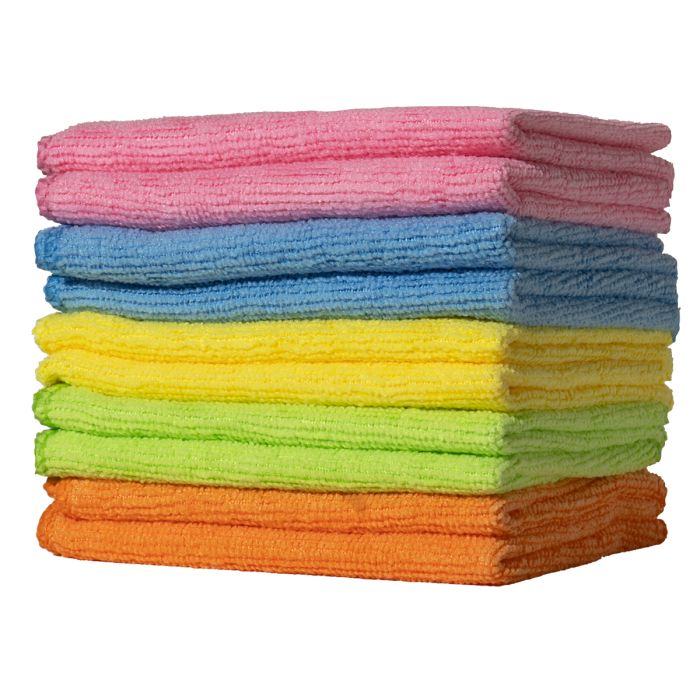
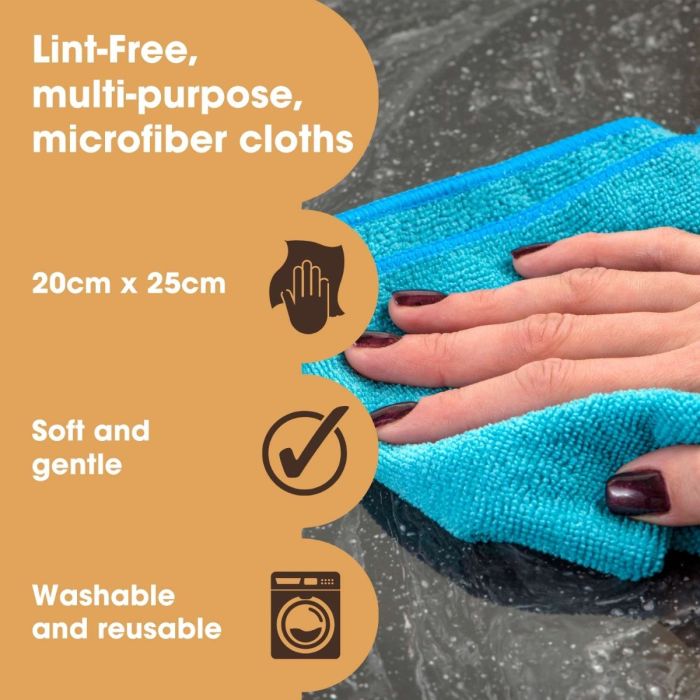
For maintaining your resin pots, use soft, lint-free cloths to avoid scratching surfaces. Microfibre cloths are ideal for gently wiping away remaining residue or for the application of cleaning agents. Reusable microfibre cloths are an eco-friendly and economical option, and they can be machine washed for repeat use.
- Use a natural degreaser on cured residue.
- Apply isopropyl alcohol for sticky or partially cured material.
- Wipe dry with a microfibre cloth to leave the pot spotless.
When This Matters Most
Selecting the right cleaning agent is especially important when switching between resin colours, working on fine art projects, or when ensuring your tools remain in top condition for future use. Using the correct method helps avoid contamination and prolongs the life of your equipment.
Related products
Related guides
Choosing the proper cleaning agent for your resin pots ensures safe, effective residue removal every time. Explore more detailed cleaning methods on our main guide: how to clean resin pots.