 Free shipping on orders over £29,85
  Shipping Tracking!


 Google
 Facebook
How to cover kitchen tiles with resin?
Transform tiled kitchen surfaces with a stunning epoxy resin finish.
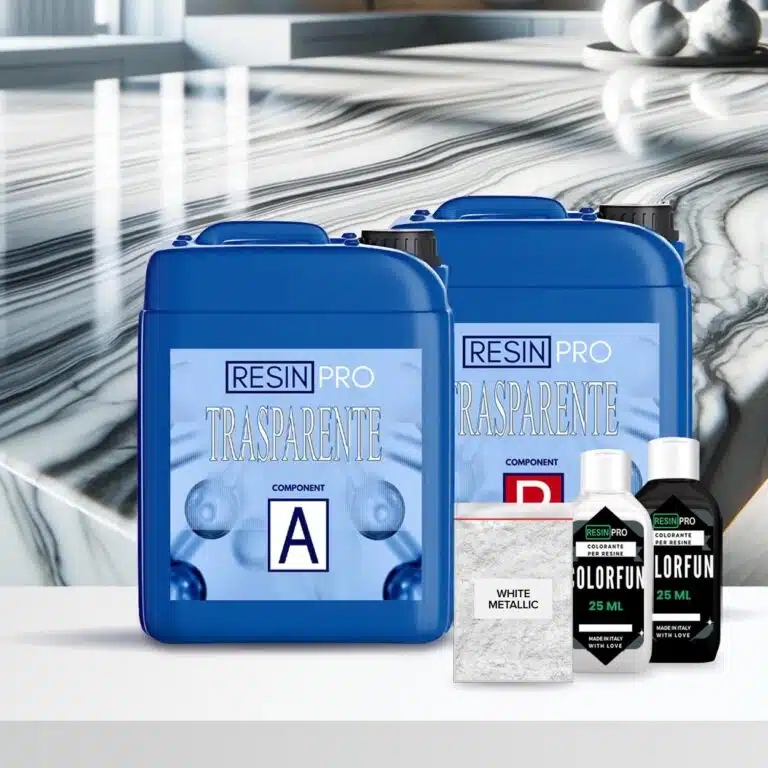
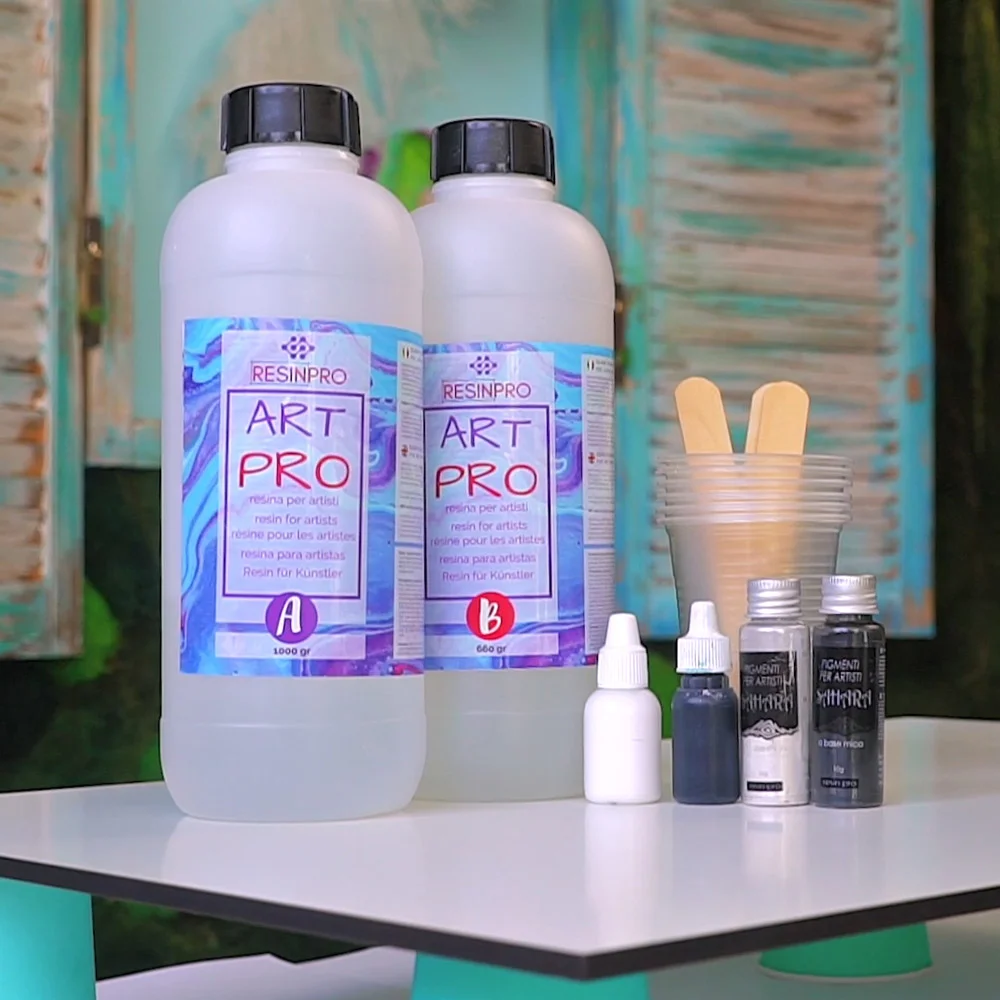
Transforming your kitchen tiles with a resin overlay can give your space a brand-new look, offering a seamless, glossy finish while protecting the original surface. Whether you want to modernise outdated tiles or repair worn kitchen walls and worktops, applying resin is a practical and creative solution—without the need for messy demolition.
What You’ll Need
- “Stone Effect Collection” – Marble Epoxy Resin Countertop Kit – for stone or marble-effect overlays
- “Trasparente” – Multipurpose Clear Epoxy Resin for Casting – Up to 2cm – for clear, self-levelling resin layers
- “EpoxyFood” – Certified Clear Food Contact Epoxy Resin for Coating – for surfaces needing food-safe certification
- “Art Pro” – Clear Epoxy Resin for Artists and Surface Coating – for high-gloss, artistic surface finishes
- Cleaner or degreaser (non-resin)
- Sanding block (medium grit)
- Tape and plastic sheeting to protect edges
- Mixing bucket and stir sticks
- Nitrile gloves and safety eyewear
- Roller or squeegee (for spreading resin)

See Real Resin Kitchen Transformations
View before-and-after examples and discover how different resin finishes can completely revamp kitchen tile surfaces. Professional-looking results are achievable at home with careful preparation and the right choice of resin for your specific project.
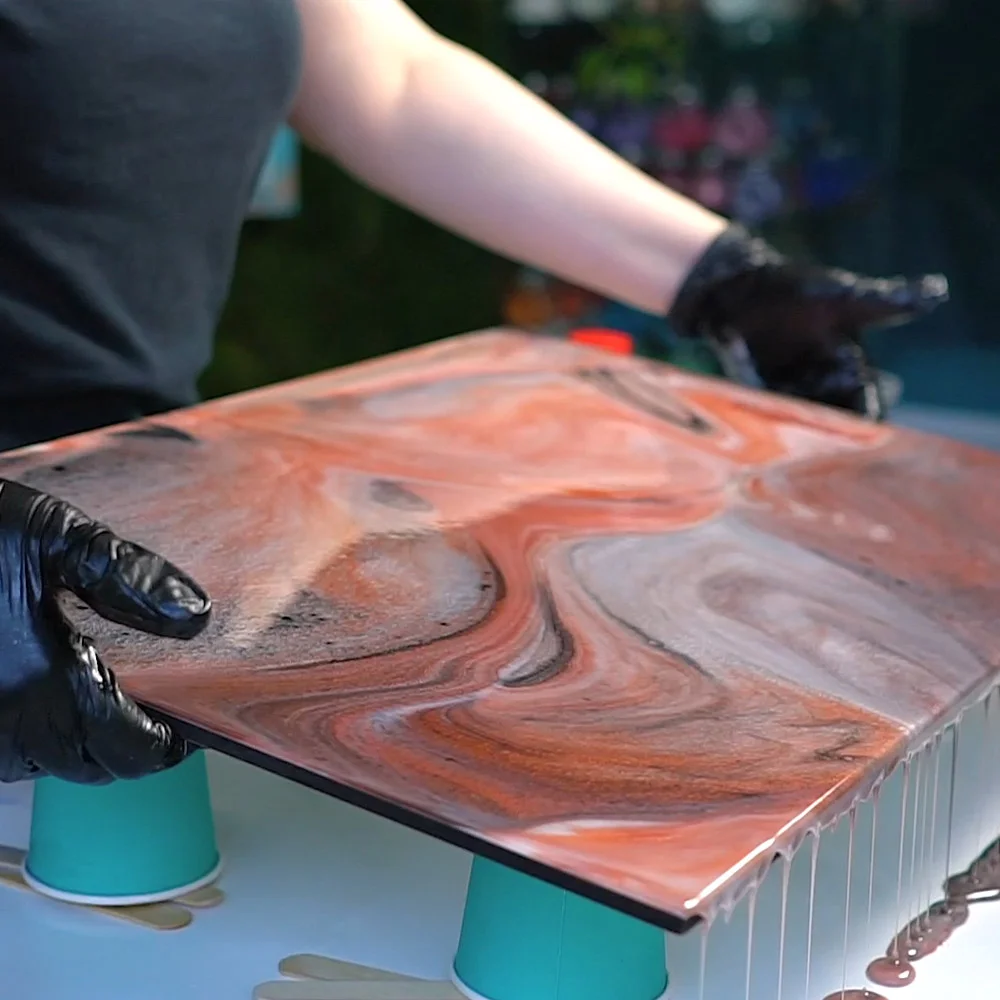
Step 1: Prepare and Clean the Kitchen Tiles
Thoroughly clean and dry the surface to remove any grease, dust, or kitchen residues. Any contaminant can interfere with resin bonding, causing uneven or peeling finishes. Use a strong household degreaser and rinse well. Allow the tiles to dry completely before proceeding.
Mask off surrounding surfaces with tape and plastic sheeting to protect cabinets, floors, and appliances from accidental drips or spills during the resin application.
Step 2: Sand the Tile for Better Adhesion
Using a medium-grit sanding block, gently scuff the entire tiled area. Sand the tile for better adhesion, focusing on removing any gloss from the existing tile glaze. Avoid sanding too aggressively to prevent damaging the grout or tile structure. After sanding, wipe away dust with a clean, damp cloth and let the surface dry fully.
Step 3: Mix the Epoxy Resin
In a clean bucket, mix resin according to product guidance. Precise ratios and thorough mixing are essential to achieve an even cure and prevent sticky or soft patches. Most kits, such as the Stone Effect Collection – Marble Epoxy Resin Countertop Kit and Art Pro – Clear Epoxy Resin for Artists and Surface Coating, will include measuring tools and detailed instructions for mixing accuracy. Work in a well-ventilated area and wear gloves and safety eyewear throughout this process.
Step 4: Apply the Resin with Care
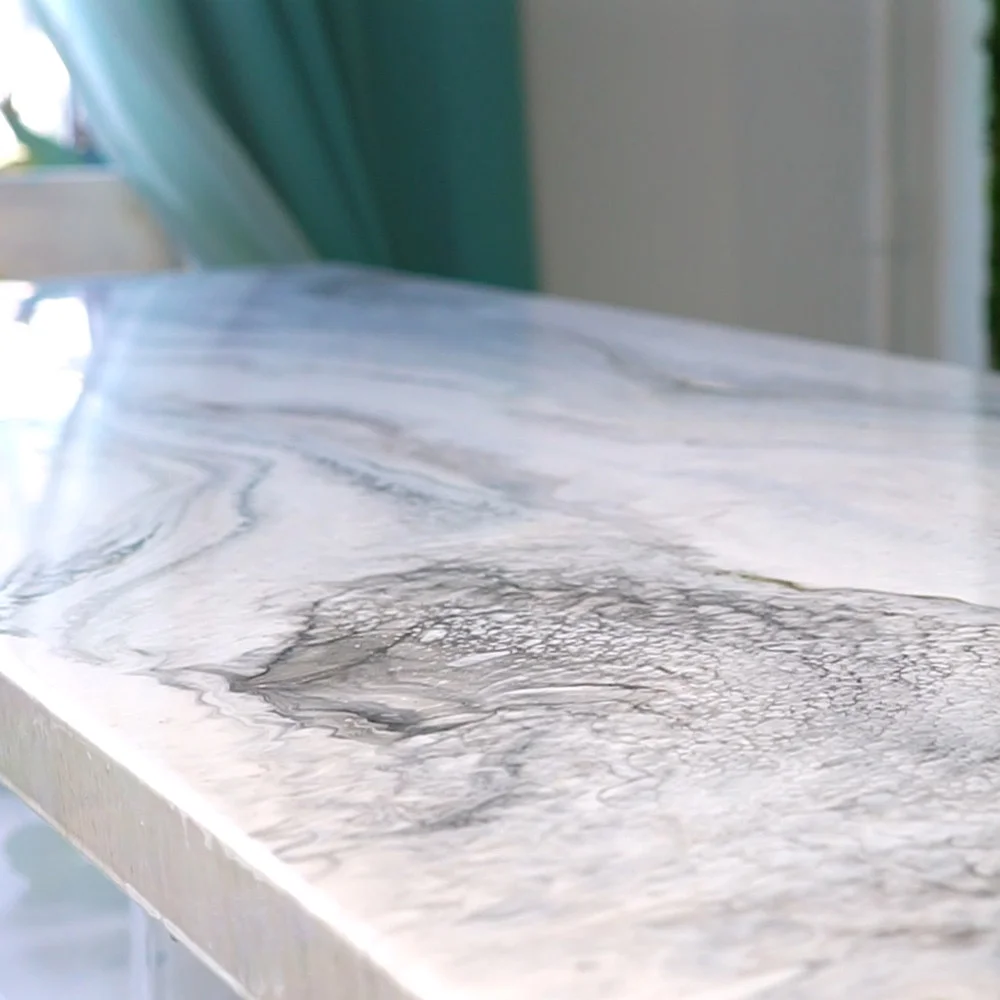
Pour the prepared resin directly onto the sanded tiles. Use a roller, squeegee or included spatula to spread the mix across the surface evenly. Apply the resin with care, aiming for a uniform thickness while pushing air bubbles out towards the edges. For a clear or artistic glossy effect, products like the “Trasparente” – Multipurpose Clear Epoxy Resin are ideal. Choose EpoxyFood if you require a food-safe finish on kitchen splashbacks or worktops likely to contact food.
For decorative results, follow any effect-specific instructions in your kit (such as adding marble veining or pigments before the resin begins to cure).

Step 5: Allow the Resin to Cure Fully
Let your applied resin sit undisturbed for the recommended curing time—typically 12 to 24 hours for most products, but consult your specific kit for exact details. Allow proper curing time before subjecting the tiled area to moisture, heat, or cleaning. Do not touch, cover, or place objects on the surface until the resin has set completely for optimum durability and gloss.
Tips, Mistakes, and Troubleshooting
Work in a dust-free, well-ventilated area to minimise flaws. Over-applying resin or missing the required mix ratios are common errors—always follow instructions precisely. Bubbles can often be removed by gently passing a heat gun over the surface just after pouring. If corners or grout lines are tricky, work resin in gently with a smaller tool.
Expert Advice for Perfect Kitchen Resin Finishes
Read tips from experienced users on achieving a flawless finish, handling difficult corners, and maximising resin durability on kitchen tiles. Find inspiration and get answers to your questions about colours, thickness, and safety from our community and support team.
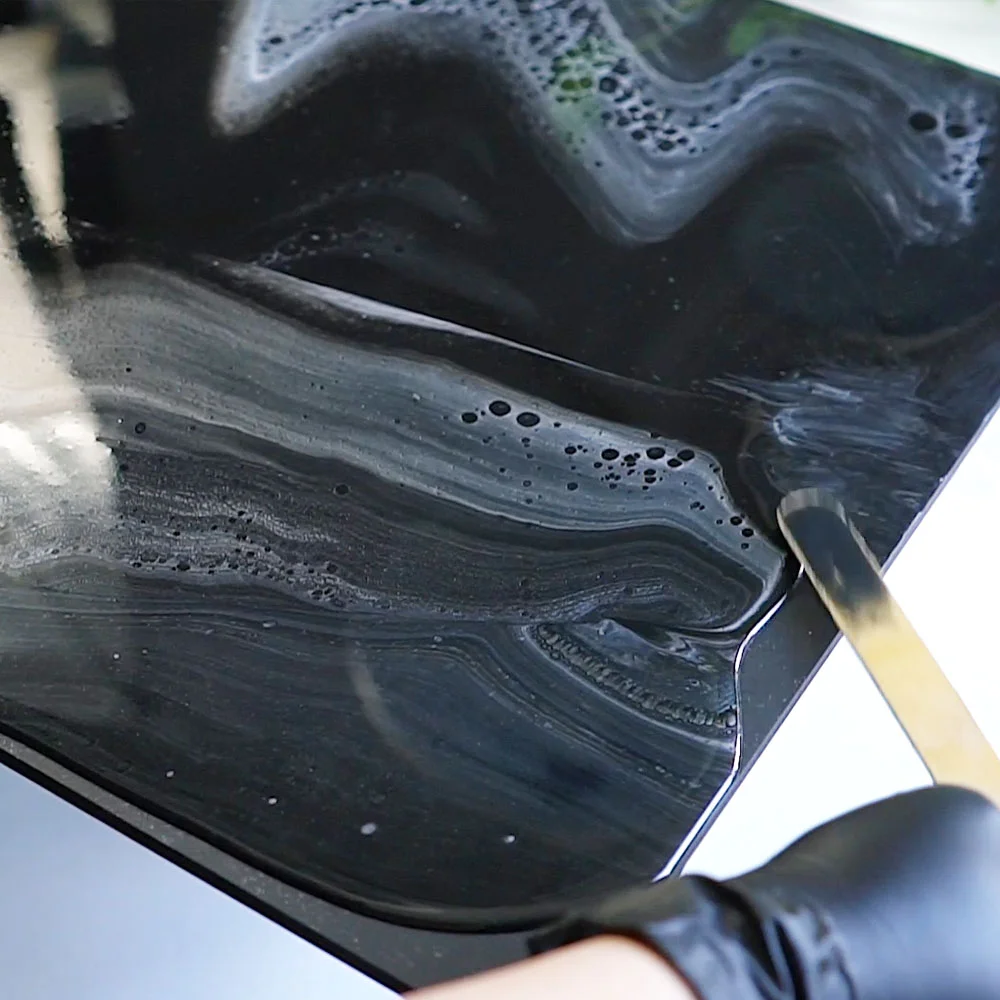
- "Stone Effect Collection" – Marble Epoxy Resin Countertop KitPrice range: £57.95 through £272.95The "Stone Effect Collection" kit provides an all-in-one solution for creating marble and stone effect surfaces with a durable finish.
- "Trasparente" – Multipurpose Clear Epoxy Resin for Casting – Up to 2cmPrice range: £8.95 through £397.95"Trasparente" clear epoxy resin is designed for detailed castings up to 2cm thick, providing a glossy, self-levelling finish suitable for various…
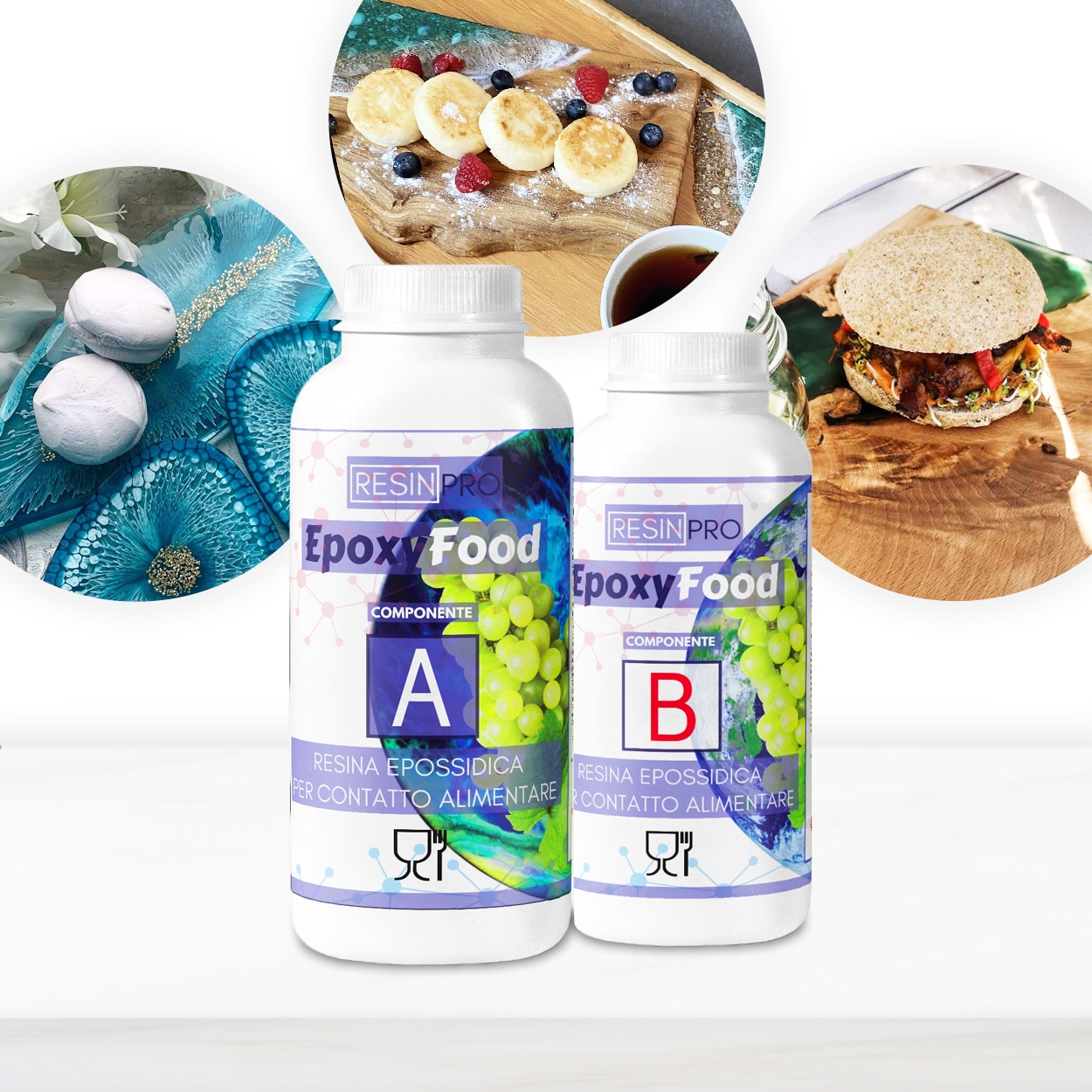 "EpoxyFood" – Certified Clear Food Contact Epoxy Resin for CoatingPrice range: £20.95 through £146.95EPOXYFOOD is a transparent, food-safe epoxy resin designed for coating kitchenware such as plates and boards with a clear, non-toxic finish.
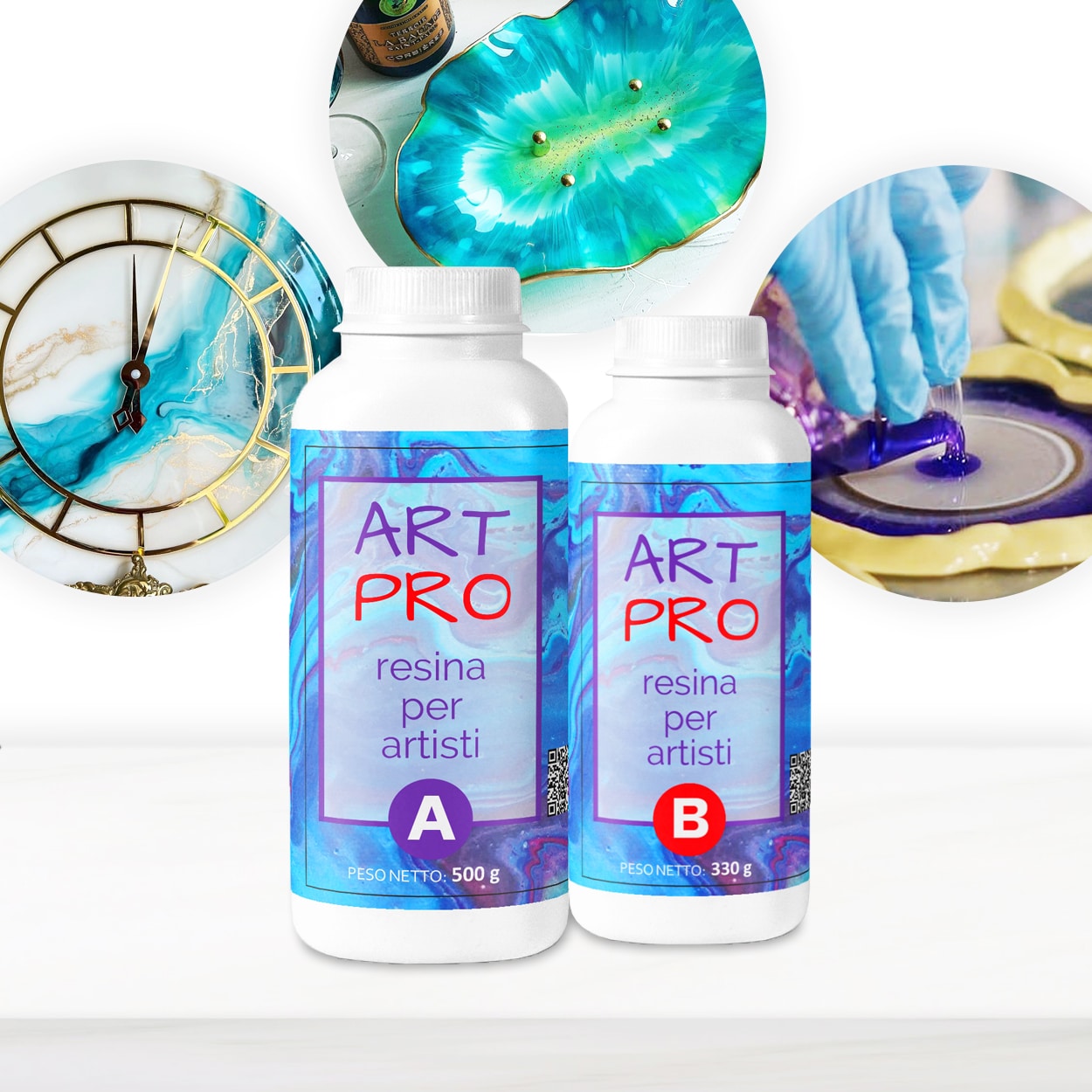 "Art Pro" – Clear Epoxy Resin for Artists and Surface CoatingPrice range: £19.95 through £267.95Art Pro is a clear epoxy resin suitable for artists and crafters seeking durable, high-gloss finishes in line with covering kitchen tiles with resin.
Frequently Asked Questions
Can resin be applied over ceramic kitchen tiles?
Yes, with the right surface prep. Clean thoroughly, sand for adhesion, and use an appropriate resin such as Art Pro or Stone Effect Collection for best results.
Is the resin finish waterproof and durable?
Epoxy resin finishes are highly durable and water-resistant, making them suitable for kitchens. Always follow product cure times for full protection.
How long does resin on kitchen tiles take to cure?
Most kitchen resin applications cure within 12 to 24 hours, but always check your product instructions for specific times.
Which resin should be used for food contact surfaces?
EpoxyFood is certified food-safe and recommended for any surface where direct food contact is possible, such as splashbacks or worktops.
Can you create marble effects over tiles?
With the Stone Effect Collection kit, it's easy to achieve professional marble or stone finishes right over existing tiles.
What are common mistakes to avoid with resin on tiles?
Typical mistakes include poor cleaning, skipping sanding, incorrect mixing ratios, and not letting the resin cure fully.
Does the resin turn yellow over time in a kitchen?
Modern resins like Trasparente and EpoxyFood include UV protection that minimises yellowing. Avoid prolonged sunlight for best results.
Can resin work on uneven or crazy paving tiles?
Resin can self-level to some extent but works best on flat surfaces. For highly uneven tiles, extra sanding or a primer coat may be needed.