 Free shipping on orders over £29,85
  Shipping Tracking!


 Google
 Facebook
← Back to How do you cover bathroom tiles with resin?
Resin sometimes fails to bond properly to tiles, causing peeling or patchy coverage. Understanding why this occurs is key to achieving a durable, waterproof finish in bathrooms or kitchens.
Common Causes of Poor Resin Adhesion
Adhesion failure is usually linked to inadequate surface preparation. If the tiles are not thoroughly cleaned, residual grease, soap, or dust can block the bond. Glossy tiles or those with existing sealants pose a challenge as well, since resin adheres best to slightly rough or primed surfaces. Skipping the priming stage or sanding too lightly can leave the surface too smooth for reliable resin application.
Step-by-Step Solution: Preparing Tiles for Resin
- Remove the resin: If you notice poor adhesion, carefully lift away the loose or detached resin with a scraper.
- Clean thoroughly: Wash tiles with a degreasing cleaner to remove built-up residues.
- Sanding: Lightly sand the tiles with fine-grit sandpaper to create a matt surface, enabling the resin to grip better.
- Prime for best results: Applying a dedicated epoxy primer, such as Epoxyprimer, can dramatically improve adhesion to ceramic or glazed surfaces.
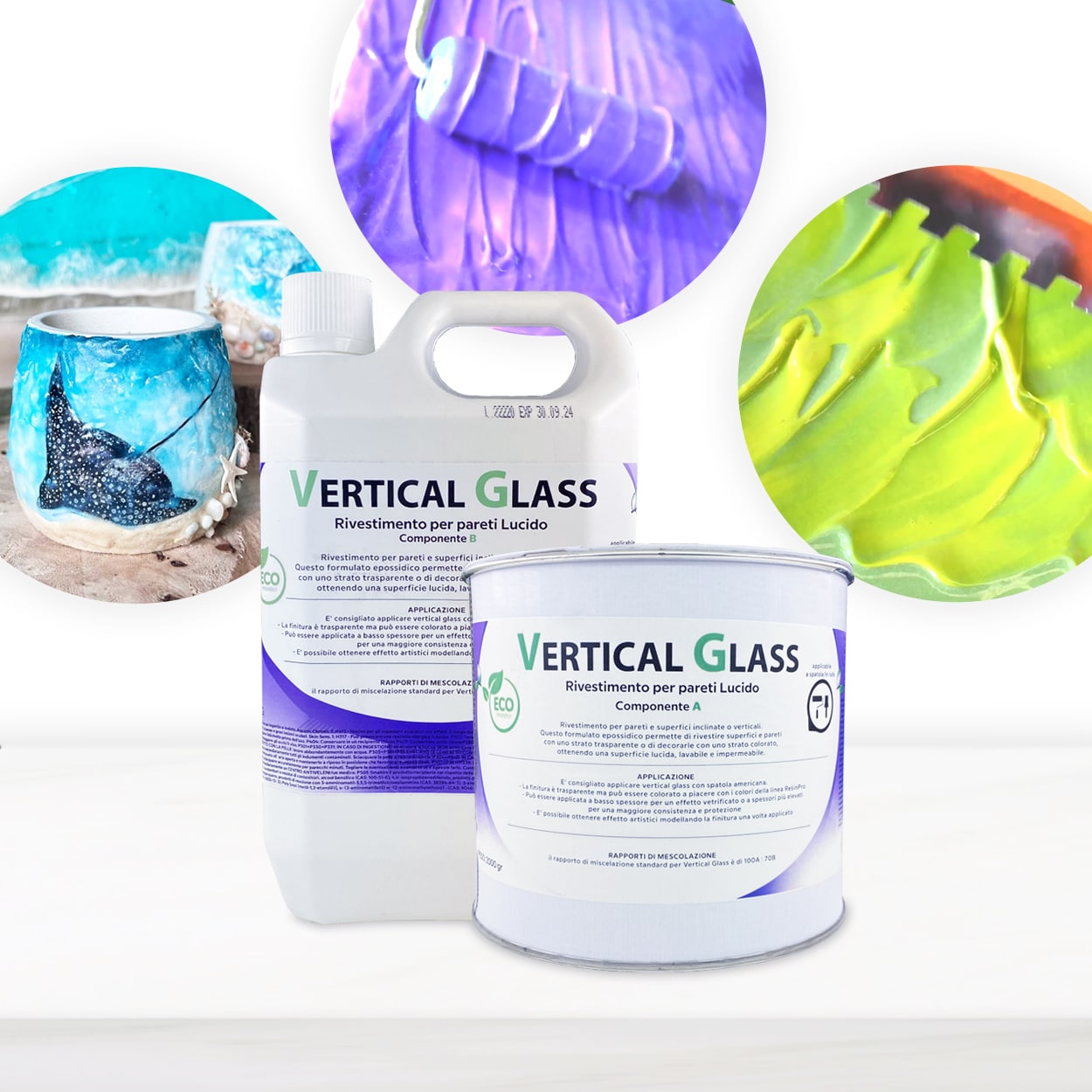
- Apply resin: Once the primer is fully cured, proceed with your chosen resin system, such as “Vertical Glass” for decorative wall coatings.
When Surface Preparation Matters Most
Attention to detail becomes critical in wet areas like bathrooms, where failed adhesion can lead to water ingress and further surface issues. Proper preparation ensures a waterproof and long-lasting resin coating that stands up to daily moisture.
Related products
Related guides
By following these preparation steps, you can resolve most adhesion issues and achieve a smooth, durable finish. For more guidance on resin application, visit our main page on how to cover bathroom tiles with resin.