 Free shipping on orders over £29,85
  Shipping Tracking!


 Google
 Facebook
How to cover old tiles with resin?
Step-by-step method to refresh tiled floors or walls easily

Renewing tired or outdated tiles with a resilient resin finish is an excellent way to modernise bathrooms, kitchens, or floors without the cost and mess of tile removal. This guide shows you a comprehensive approach to transforming tiled surfaces, offering a seamless, waterproof finish that’s durable and easy to clean. Whether you’re an experienced DIYer or tackling this task for the first time, following the right steps will ensure long-lasting, attractive results.
What You’ll Need
- “Epoxyprimer” – Universal Water-Based Two-Component Epoxy Floor Primer – A water-based primer designed to promote adhesion on surfaces like tiles, concrete or timber before resin coating.
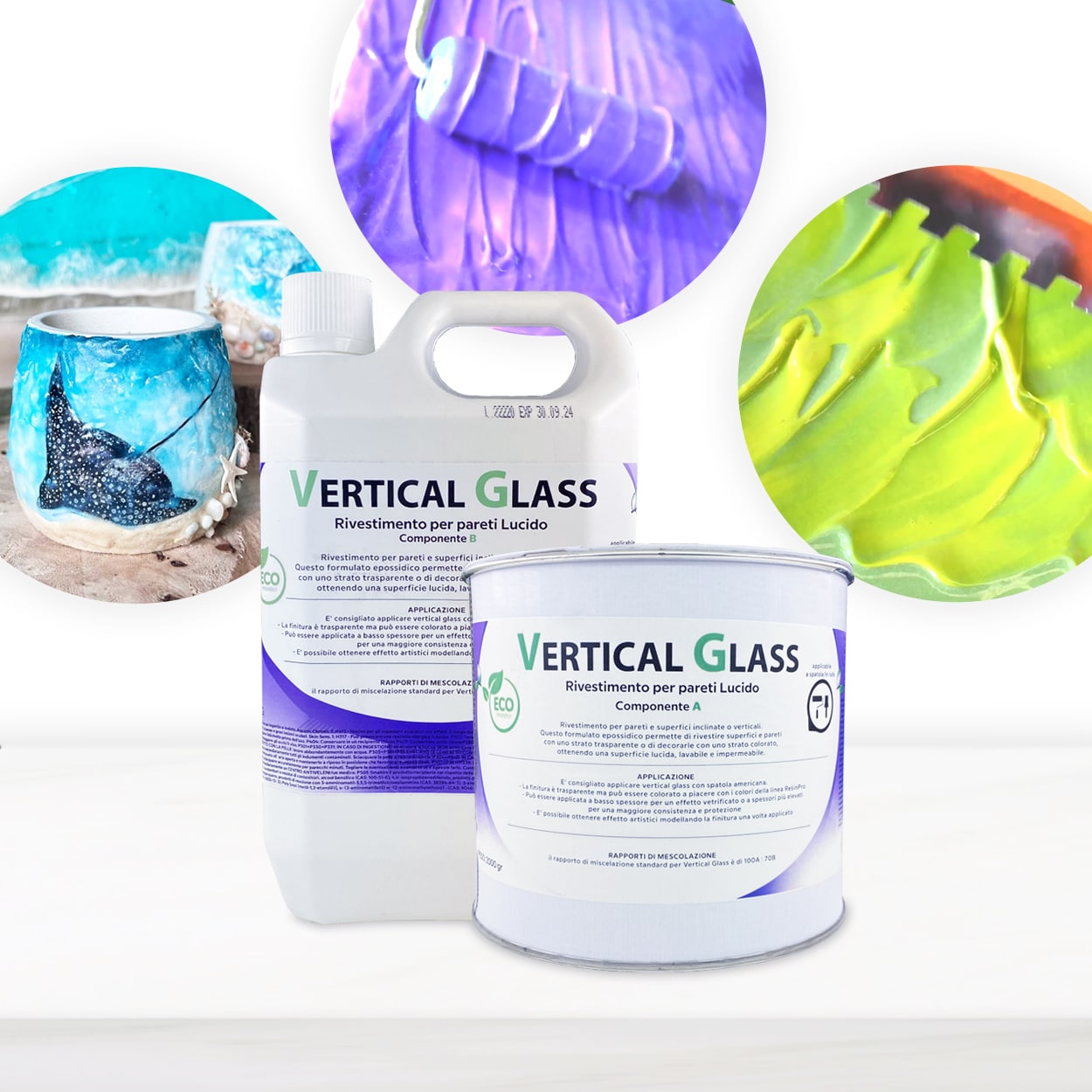
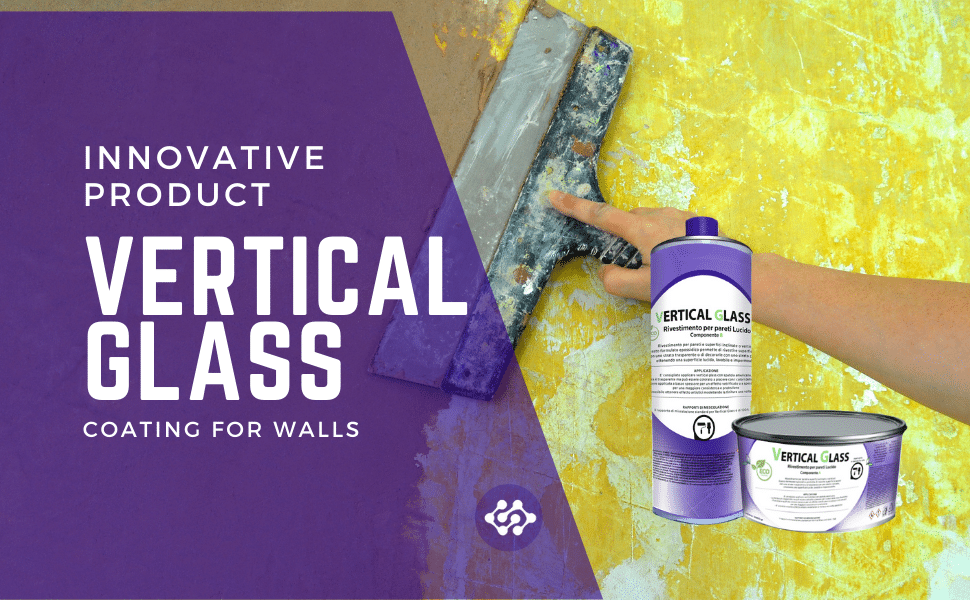
- “Vertical Glass” – Thick Resin Decorative Wall Coating – For decorative, waterproof coatings on wall tiles, vertical, or sloping surfaces.
- “Trasparente” – Multipurpose Clear Epoxy Resin for Casting – Up to 2cm – A clear, self-levelling resin for smooth, glass-like floor or table tile coatings.
- “Stone Effect Collection” – Marble Epoxy Resin Countertop Kit – For authentic marble or stone effects, ideal on kitchen or bathroom tiled worktops.
- Basic tools: Spatula/trowel, roller or brush, masking tape, gloves, mask, sanding block (if needed), cleaning solution.

Visualising Transformed Tile Surfaces
Before and after images show how resin coatings revitalise dull or damaged tiles, creating seamless, modern surfaces in kitchens, bathrooms, or hallways. Resin finishes can be glossy, satin, or mimic marble and stone for dramatic effect.
Step 1: Prepare and Clean the Tile Surface
Proper preparation is vital for a flawless and long-lasting finish. Begin by cleaning all tiles thoroughly to remove dust, grease, soap, or residues that may prevent proper resin bonding. For best results, scrub with a degreasing cleaner, then rinse and allow the area to dry completely.
Ensure all tiles are thoroughly cleaned and degreased – surface contamination is the most common cause of resin delamination or poor adhesion.
Step 2: Prime the Tiles for Improved Adhesion
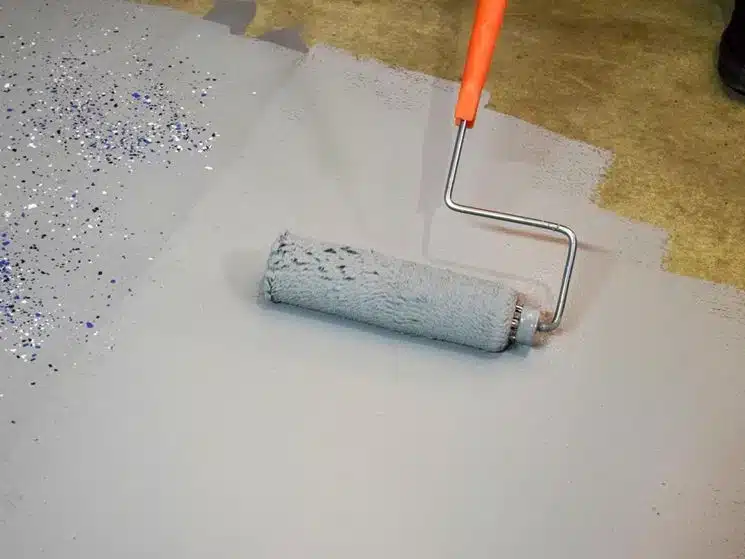
Most ceramic or glazed tiles are non-porous, making priming essential. Apply a suitable epoxy primer to promote lasting adhesion between the old tile surface and your chosen resin coating. This is especially important for kitchen or bathroom settings, where durability and moisture resistance are key.
Use a compatible epoxy primer if your tiles are glossy or glazed – this creates a strong bond for subsequent resin coats and prevents premature peeling.
The “Epoxyprimer” – Universal Water-Based Two-Component Epoxy Floor Primer is specifically designed for this purpose. It can be applied with a roller, brush, or spatula and is odourless and eco-friendly, making it suitable for indoor use. Allow the primer to cure fully (typically 24–48 hours) before moving to the next stage.
Step 3: Apply the Resin Coating Carefully
Once the primer has fully cured, you can apply your chosen resin. Resin can be used to level, decorate, or create unique finishes depending on your needs. For floors and worktops, clear, self-levelling options will yield smooth, glossy finishes; for walls, thicker, trowelled formulations are better suited.
Allow each coat to fully cure before proceeding to the next layer – rushing this step can lead to bubbling, cloudiness, or soft finishes.
For decorative vertical surfaces, use “Vertical Glass” – Thick Resin Decorative Wall Coating. This product can be tinted and applied with a spatula to achieve a rich, protective veneer. For floors, countertops, or where a clear, glass-like result is desired, “Trasparente” – Multipurpose Clear Epoxy Resin for Casting – Up to 2cm is suitable. For a premium marble effect, the “Stone Effect Collection” – Marble Epoxy Resin Countertop Kit provides pigments, alcohol, and tools needed for stunning worktop transformations.
Ventilate your workspace and use gloves and masks when working with resin to protect yourself from fine particles and vapours during mixing and application.
Step 4: Finishing Touches and Aftercare
Allow the final resin coat to cure completely (consult product instructions for cure time, which may range from 24–48 hours). Do not walk on, use, or clean the area until the resin has fully hardened and reached its maximum resistance.
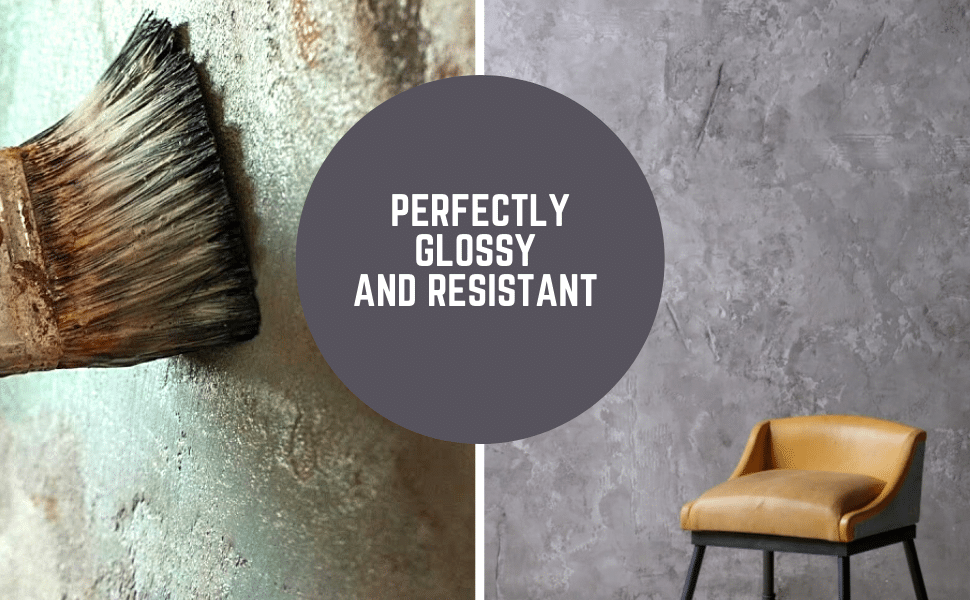
If a satin or matte finish is desired, sand gently after full curing. Avoid abrasive cleaners; instead, wipe with a soft, damp cloth to preserve clarity and shine. With correct application, your resin-coated tiles will be stain-resistant, waterproof, and easy to maintain.
Tips, Common Mistakes, and Troubleshooting
Mix resin components according to the manufacturer’s instructions to avoid sticky spots or improper curing. Temperature and humidity greatly affect resin behaviour; ideal application is at moderate temperatures (typically 18–24°C). Mask off skirting, walls, or adjoining surfaces for sharp, clean edges. Always check the compatibility of primer and resin for your particular tiles before applying a full coat.
Close-ups: Details and Durability
Explore close-up images of resin-coated tiles and step-by-step photos of the preparation and application process. Notice the perfect transition between old tile and new resin overlay, showcasing both impeccable technique and enduring quality.

- "Epoxyprimer" – Universal Water-Based Two-Component Epoxy Floor PrimerPrice range: £156.45 through £286.45"Epoxyprimer" is a water-based epoxy floor primer designed for reliable adhesion and durable finishes on surfaces like tiles and timber.
- "Vertical Glass" – Thick Resin Decorative Wall CoatingPrice range: £78.95 through £188.95Vertical Glass is a customisable and durable epoxy resin coating suitable for vertical and sloping surfaces, providing a waterproof finish.
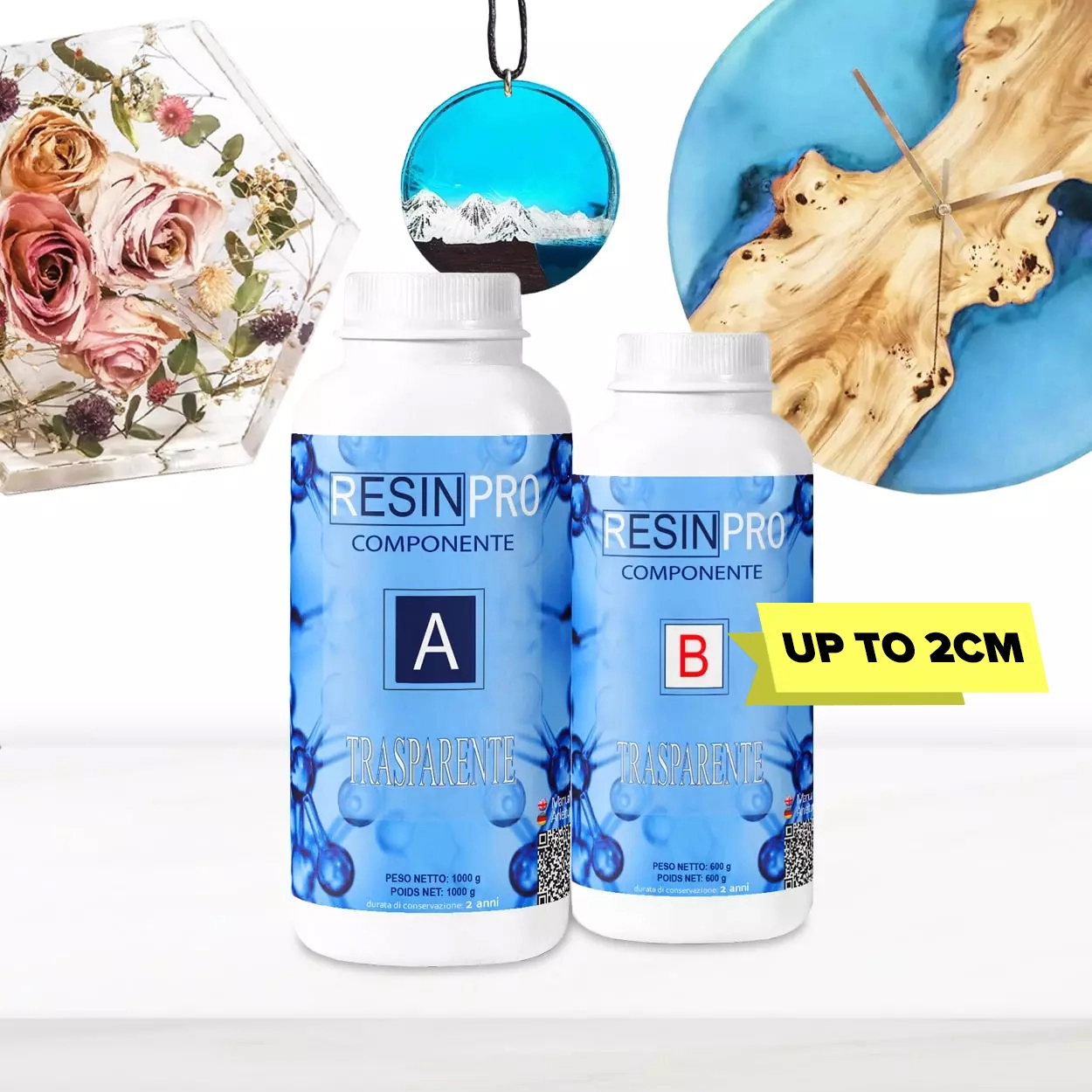 "Trasparente" – Multipurpose Clear Epoxy Resin for Casting – Up to 2cmPrice range: £8.95 through £397.95"Trasparente" is a clear epoxy resin suitable for detailed castings and DIY projects, providing a self-levelling, scratch-resistant finish up to 2 cm.
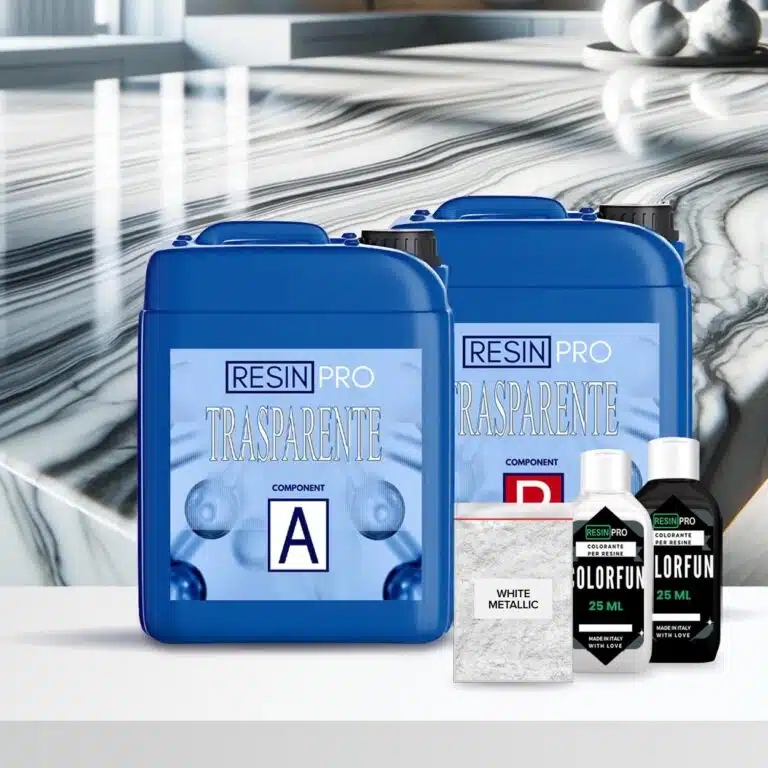 "Stone Effect Collection" – Marble Epoxy Resin Countertop KitPrice range: £57.95 through £272.95"Stone Effect Collection" offers epoxy resin countertop kits with professional marble effects and durable finishes suitable for kitchens and…
Frequently Asked Questions
Do I need to remove old tiles before resin coating?
No, as long as the tiles are clean, stable, and well-adhered, you can prime and coat directly with resin.
Which resin is best for walls or floors?
Use thick trowel-applied coatings for walls and self-levelling clear resins for floors or countertops.
Can I achieve marble or stone effects with resin?
Yes, specialist kits provide pigments and tools to replicate marble or stone effects over existing tiles.
How long does resin take to cure fully?
Curing typically takes 24–48 hours, but always refer to specific product instructions for best results.
What if tiles are uneven or damaged?
Fill and sand any gaps or chips before priming to ensure a smooth surface for the resin overlay.
Is resin safe for food preparation areas?
When fully cured and cleaned, food-safe epoxy resins or countertop kits may be used on kitchen worktops.
How do I maintain resin-coated tiles?
Clean with mild soap and a soft cloth to preserve clarity; avoid abrasive products or harsh chemicals.