 Free shipping on orders over £29,85
  Shipping Tracking!


 Google
 Facebook
How to electrically insulate using resin?
A step-by-step guide for clear, reliable resin insulation
Electrical insulation using resin is a trusted method for protecting wires, circuits, and other components from moisture, dust, and accidental contact. Whether you are sealing connections, potting components, or covering exposed parts, this guide walks you through the essential considerations and practical steps to achieve consistent, safe insulation results.
What You’ll Need
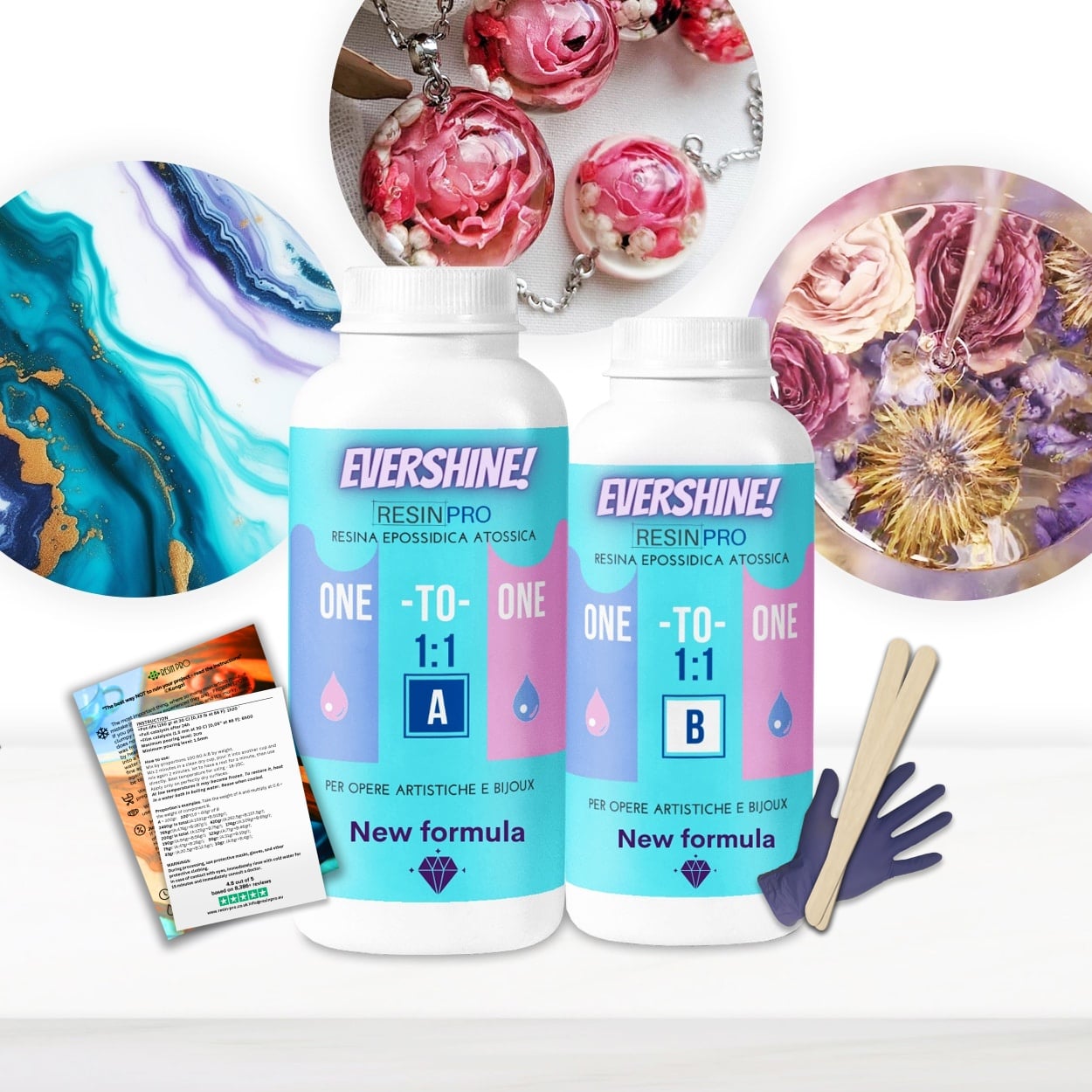
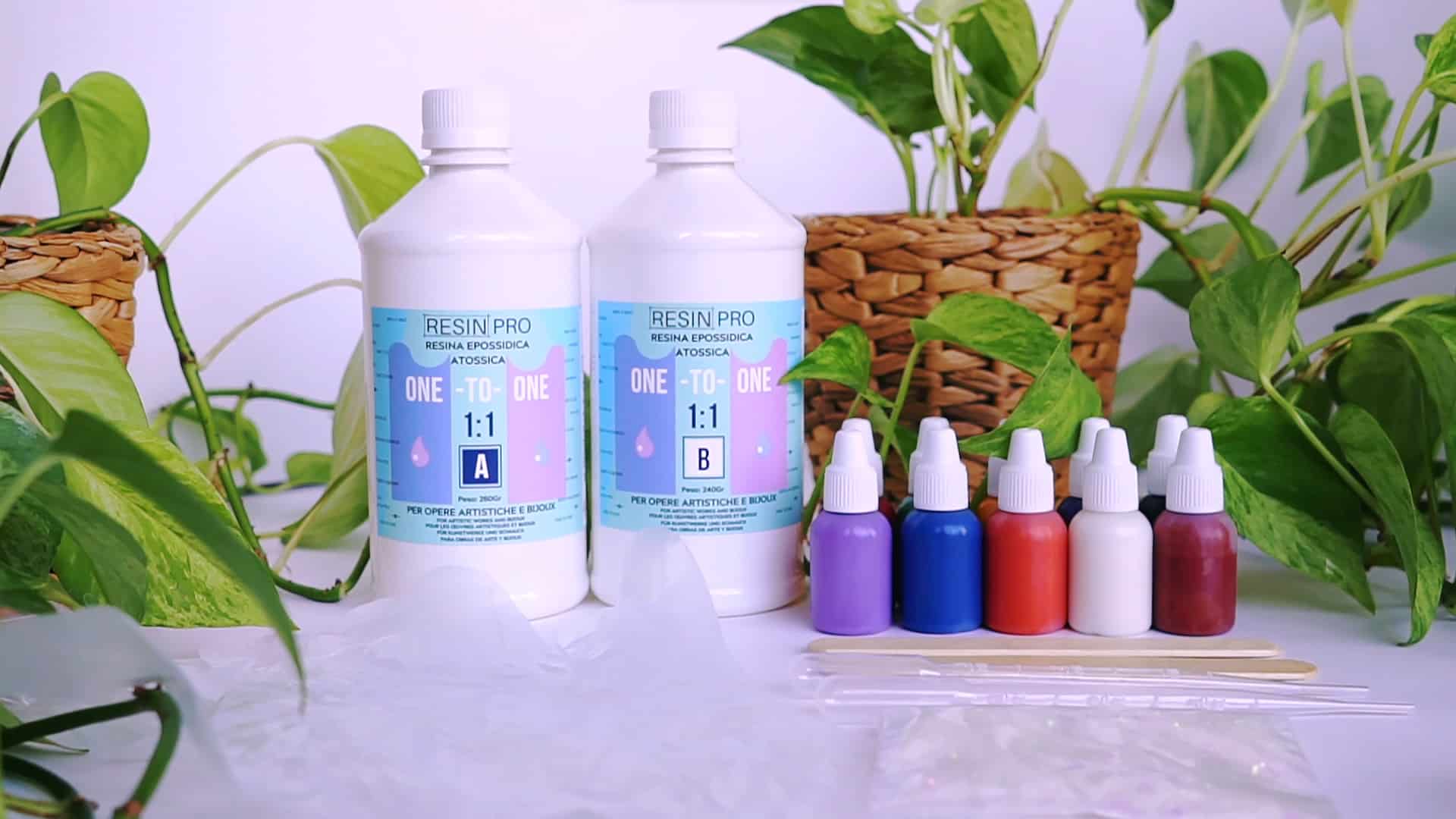
- “One-2-One” – Epoxy Resin for Handcraft, 1:1 Mixing Ratio – Medium viscosity, non-toxic epoxy resin designed for easy handcraft work and small-scale encapsulating jobs.
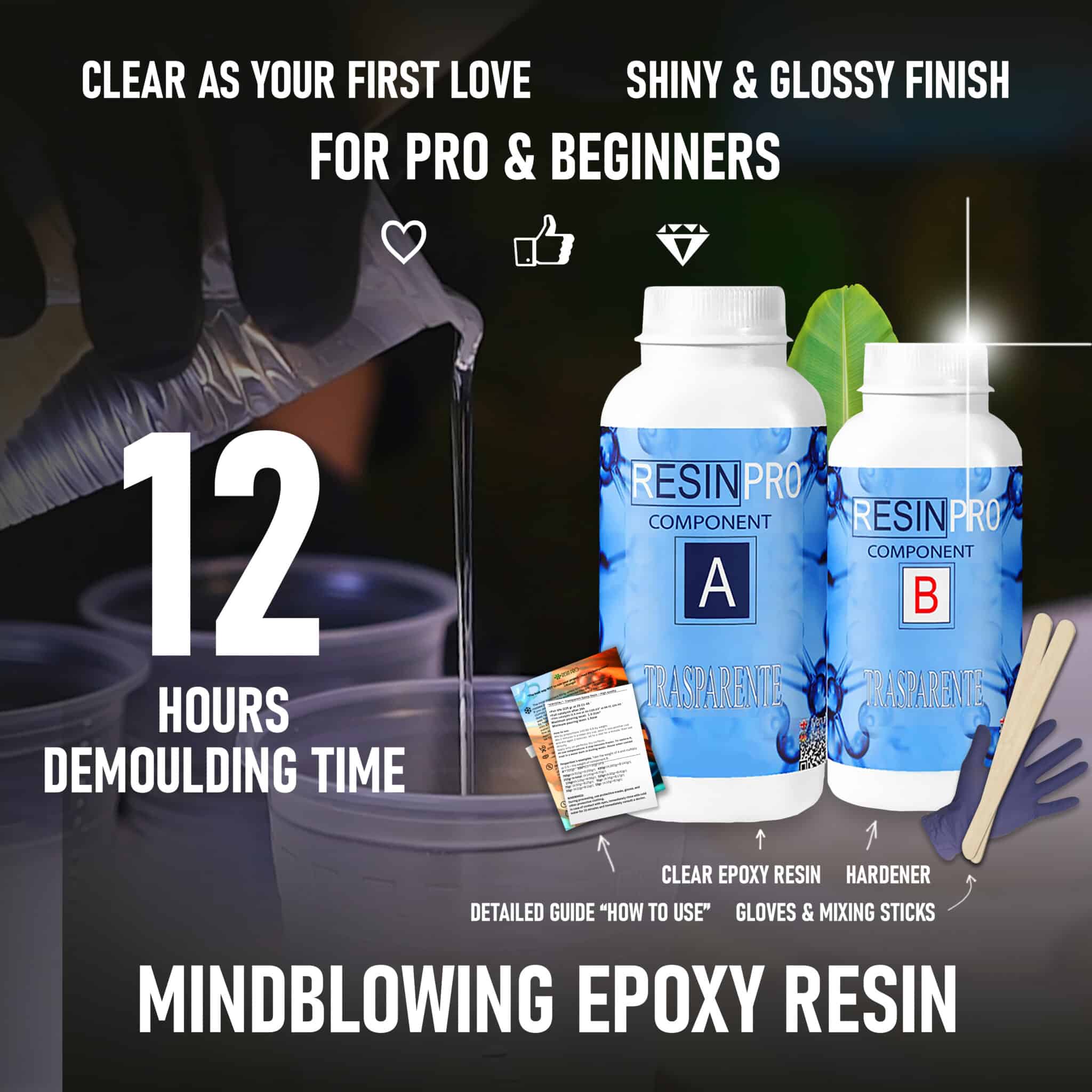
- “Trasparente” – Multipurpose Clear Epoxy Resin for Casting – Up to 2cm – Ideal for thicker, crystal-clear casting layers up to 2cm.
- “Icrystal” – Clear Epoxy Resin – Odourless Formula – Up to 1.5cm – Perfect for odour-sensitive environments or where clarity and smooth surface finish matter.
- “Art Pro” – Clear Epoxy Resin for Artists and Surface Coating – Suitable for thin, protective coatings over electrical surfaces or junctions.
- Protective gloves and goggles
- Plastic mixing cups and stirring sticks
- Masking tape or moulds (to contain resin where needed)
- Clean workspace with covering to protect surfaces
Resin Insulation in Action
See the resin application process step by step as electrical components are encapsulated for safe, clear insulation. Notice how careful preparation and correct pouring technique prevent air bubbles and ensure complete coverage.
This approach helps protect sensitive electronics from dust, moisture, and accidental contact.

Step 1: Prepare the Electrical Components
Begin by ensuring all electrical parts are powered off and properly disconnected. Clean the components thoroughly to remove oils, dust, or oxidation, as any residue can compromise both electrical insulation and resin adhesion. Make sure all surfaces are dry before proceeding.
Use masking tape or a custom mould to isolate and protect any areas that should remain resin-free. Small gaps might allow resin to seep into unwanted places, so secure the setup accordingly.
Work in a well-ventilated area and wear gloves and goggles to prevent skin or eye contact with uncured resin.
Step 2: Mix and Prepare the Resin
Next, select a resin that matches your insulation needs. For most general insulation tasks, a medium viscosity or ultra-clear casting resin such as “One-2-One” – Epoxy Resin for Handcraft, 1:1 Mixing Ratio is user-friendly and offers easy mixing. For thicker encapsulation, “Trasparente” – Multipurpose Clear Epoxy Resin for Casting – Up to 2cm is well suited.
Follow the product instructions carefully, measuring each part with accuracy to achieve the correct ratio. Follow precise mixing ratios and curing instructions to ensure complete polymerisation and optimal insulation properties. Stir gently yet thoroughly to combine without trapping air bubbles.
Let the mixture rest for a few minutes to allow bubbles to rise, especially if maximum clarity is needed for inspection or aesthetic finishes.
Step 3: Apply Resin to the Components
Pour or brush the prepared resin over the components, ensuring all connections and surfaces are well covered. For delicate surfaces or spot applications, a resin like “Art Pro” – Clear Epoxy Resin for Artists and Surface Coating suits thin, consistent layers to prevent drips.
Use a brush or spatula to coat hard-to-reach areas. If encapsulating entire parts, slowly pour resin to avoid bubbles and ensure a uniform encapsulation.
Take care to avoid over-pouring, which can cause resin to leak from masked sections. Maintain a steady hand and monitor the process to adjust as needed.

Step 4: Cure and Inspect the Insulated Area
Allow the resin to cure as specified by the manufacturer. Temperature and humidity can affect both cure time and results, so follow guidelines for your selected product. Do not disturb the assembly during this period to avoid permanent marks or weak points.
Once cured, carefully remove any masking or temporary moulds. Check for complete coverage and voids; uncovered spots can be patched by repeating the process with a new resin mix if needed. Finally, verify that the resin layer is robust and intact before reconnecting or using the component.
Tips and Common Mistakes
Always consider the electrical load and operational temperature when choosing your resin, as some resins are better suited for higher temperatures (up to 70°C) than others. Use only non-toxic, certified resins for insulation to ensure safety and avoid hazardous fumes.
Common mistakes include insufficient surface preparation, inaccurate mixing, or failing to exclude air from crucial areas. Patience during curing is essential; rushing the process can result in soft spots or cracks. Do not attempt to sand or drill resin layers before full cure, as this may compromise insulation.
Clear Results and Quality Checks
After curing, carefully inspect your work for gaps or thin spots. A well-applied resin layer offers not just insulation but also easy visual inspection of the underlying components.
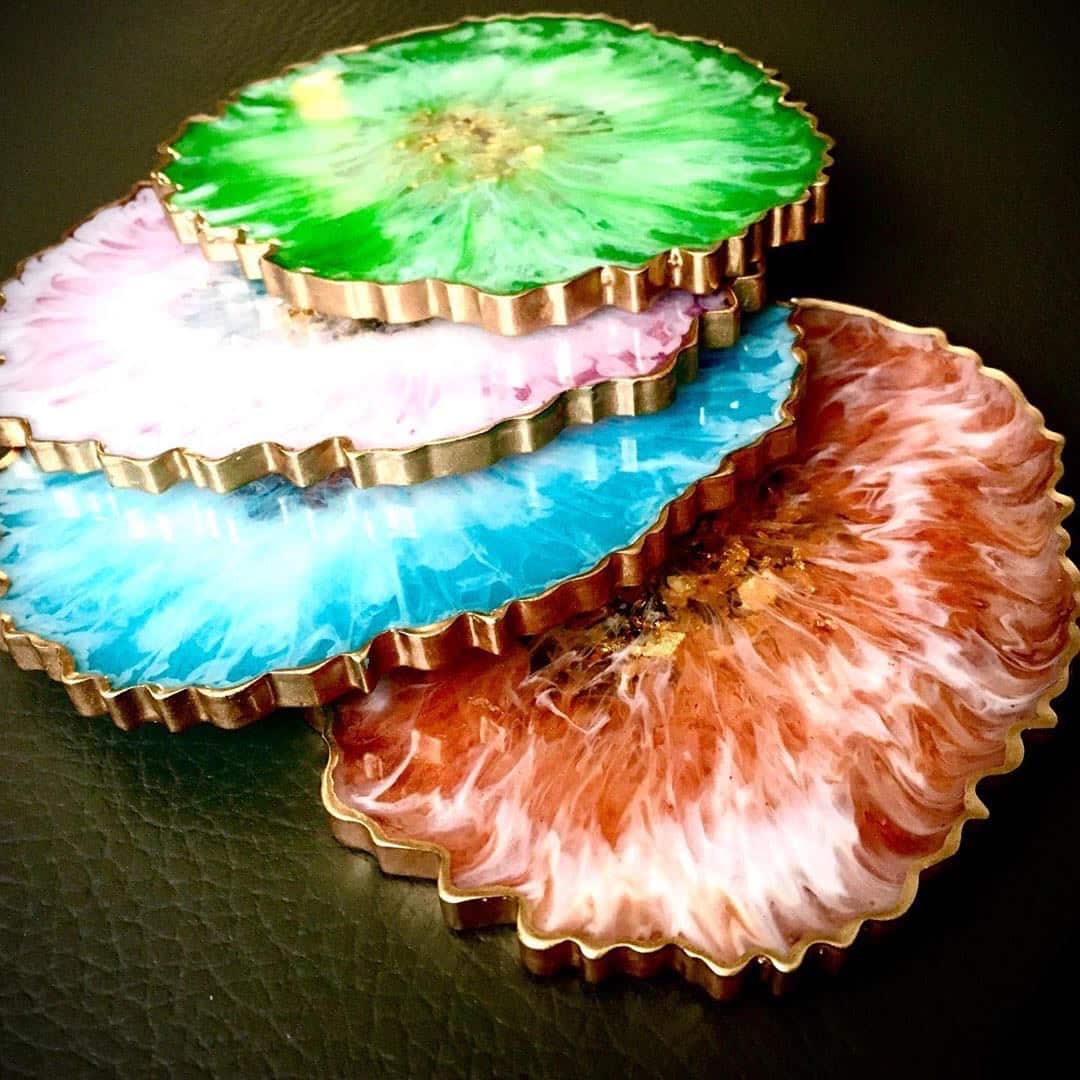
Using premium resins enhances both the protective quality and professional appearance of your project.
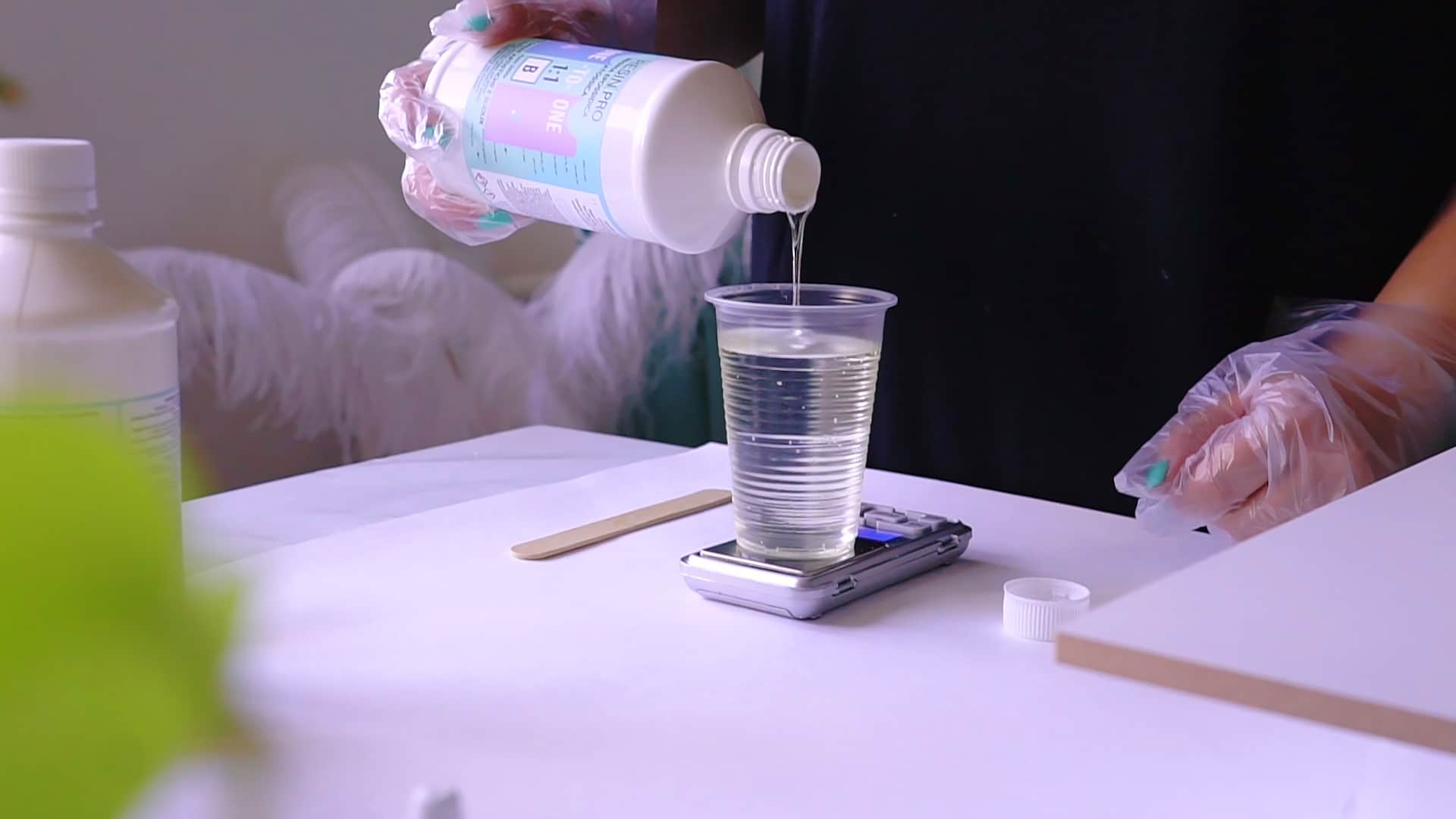
- "One-2-One" – Epoxy Resin for Handcraft, 1:1 Mixing RatioPrice range: £14.85 through £56.85"One-2-One" epoxy resin offers a clear, glossy finish with an easy 1:1 mixing ratio, suitable for handcraft and decorative projects.
 "Trasparente" – Multipurpose Clear Epoxy Resin for Casting – Up to 2cmPrice range: £8.45 through £948.85"Trasparente" offers a clear, glossy finish suitable for a range of DIY and professional artistic projects within electrical insulation contexts.
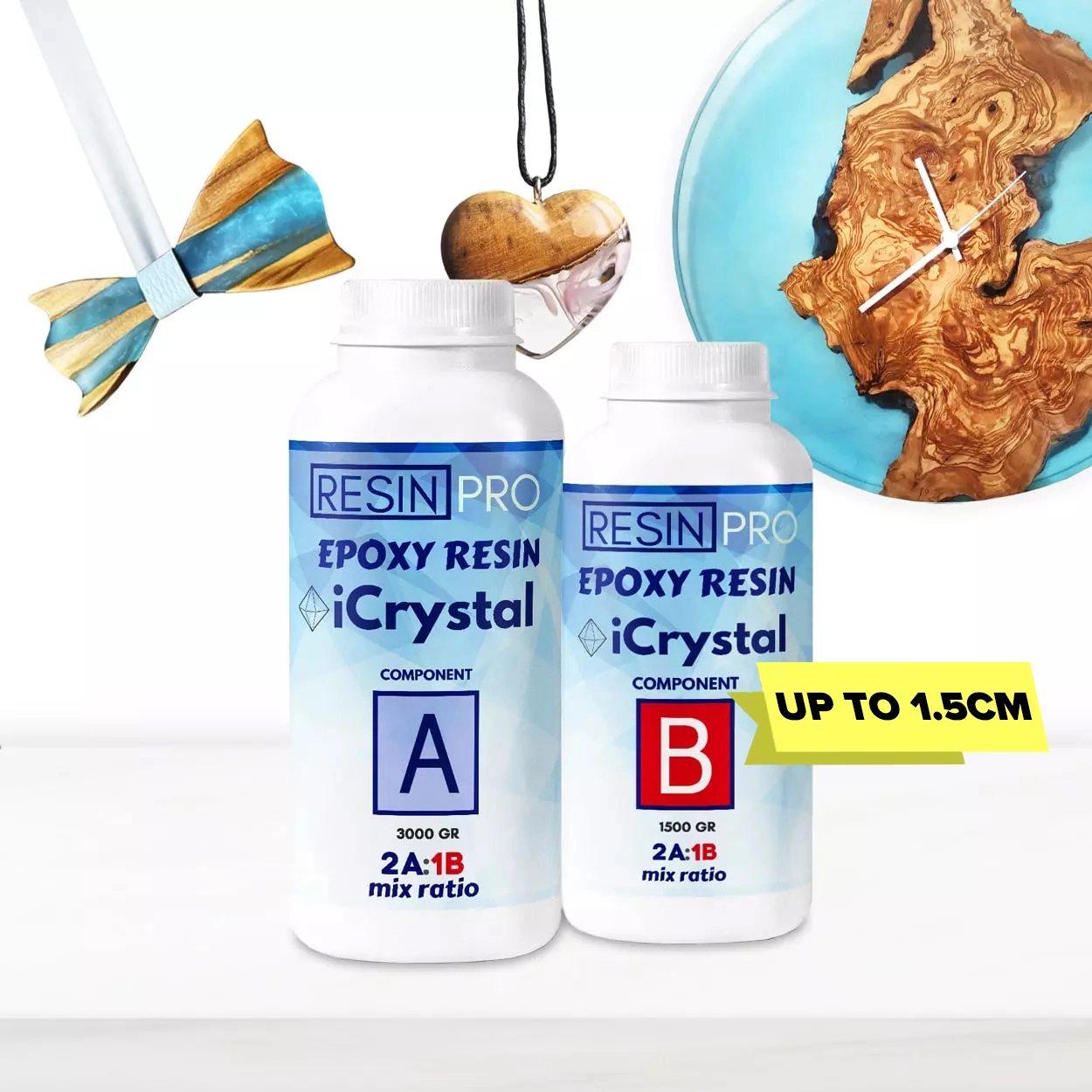 "Icrystal" – Clear Epoxy Resin – Odourless Formula – Up to 1.5cmPrice range: £11.65 through £954.85"Icrystal" Clear Epoxy Resin offers high transparency and scratch resistance, suitable for surface coatings and artistic projects.
 "Art Pro" – Clear Epoxy Resin for Artists and Surface CoatingPrice range: £31.15 through £388.85Art Pro is a clear epoxy resin for artists offering durable, high-gloss finishes with UV protection, suited for decorative surfaces and coatings.
Frequently Asked Questions
How do I prepare electrical components for resin insulation?
Power down all components, clean and dry surfaces thoroughly, and use masking tape or moulds to contain resin where needed.
What type of resin should I use for electrical insulation?
Use a non-toxic, clear epoxy resin that matches the thickness and temperature requirements of your project.
How long does resin need to cure for electrical insulation?
Most resins require 12–48 hours for full curing, but always follow the instructions for your specific product.
How can I prevent air bubbles when insulating electrical components?
Mix resin slowly, let it rest so bubbles can escape, and pour gently. Use a brush to work resin into tight spaces.
Is resin insulation waterproof?
Yes, once fully cured, epoxy resin forms a waterproof barrier around insulated objects.
What safety precautions are needed for resin insulation?
Wear gloves, goggles, and ensure good ventilation. Avoid skin contact and inhaling fumes while mixing uncured resin.