 Free shipping on orders over £29,85
  Shipping Tracking!


 Google
 Facebook
How to embed objects in clear resin?
Achieve crisp, professional results with clear resin embedding
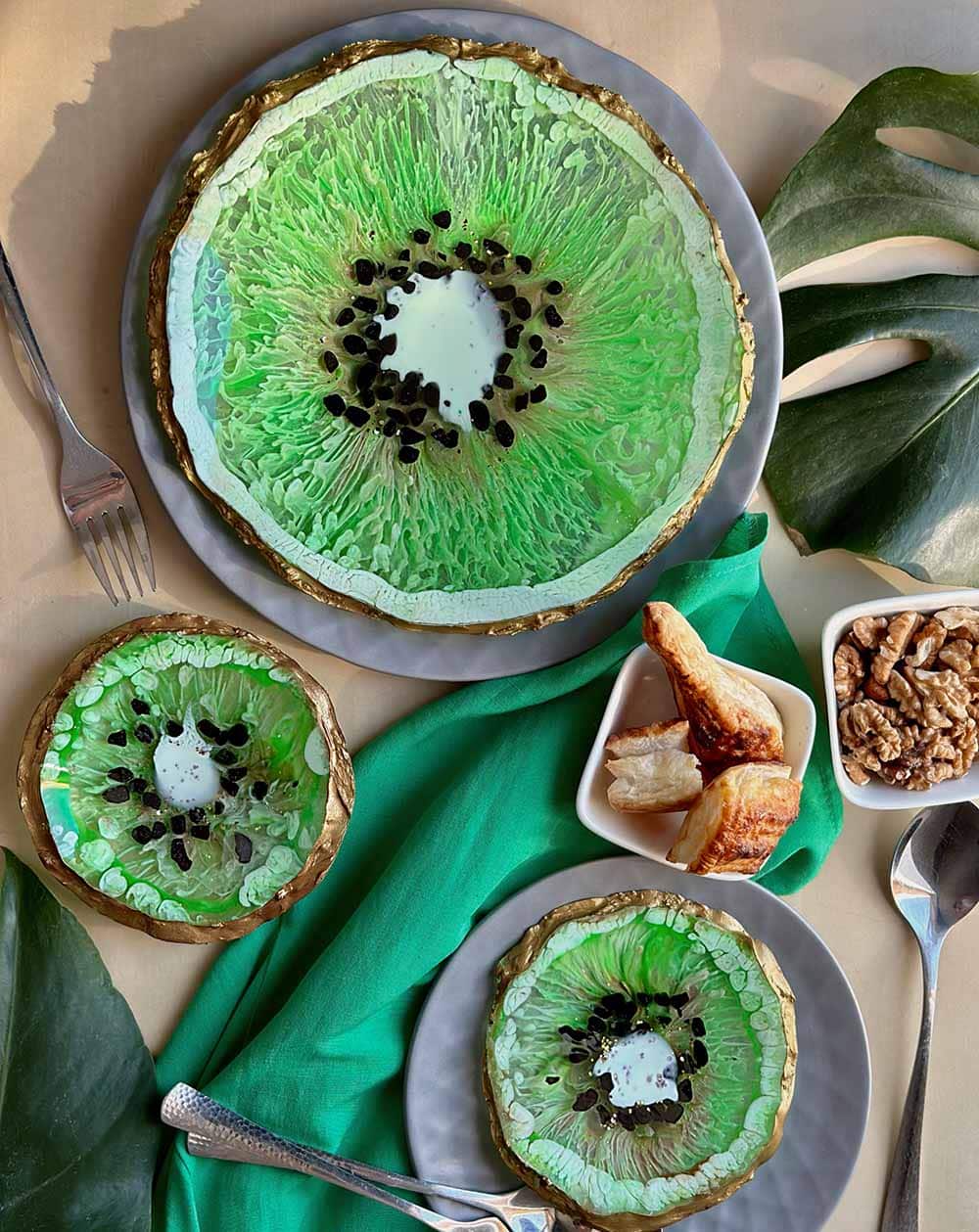
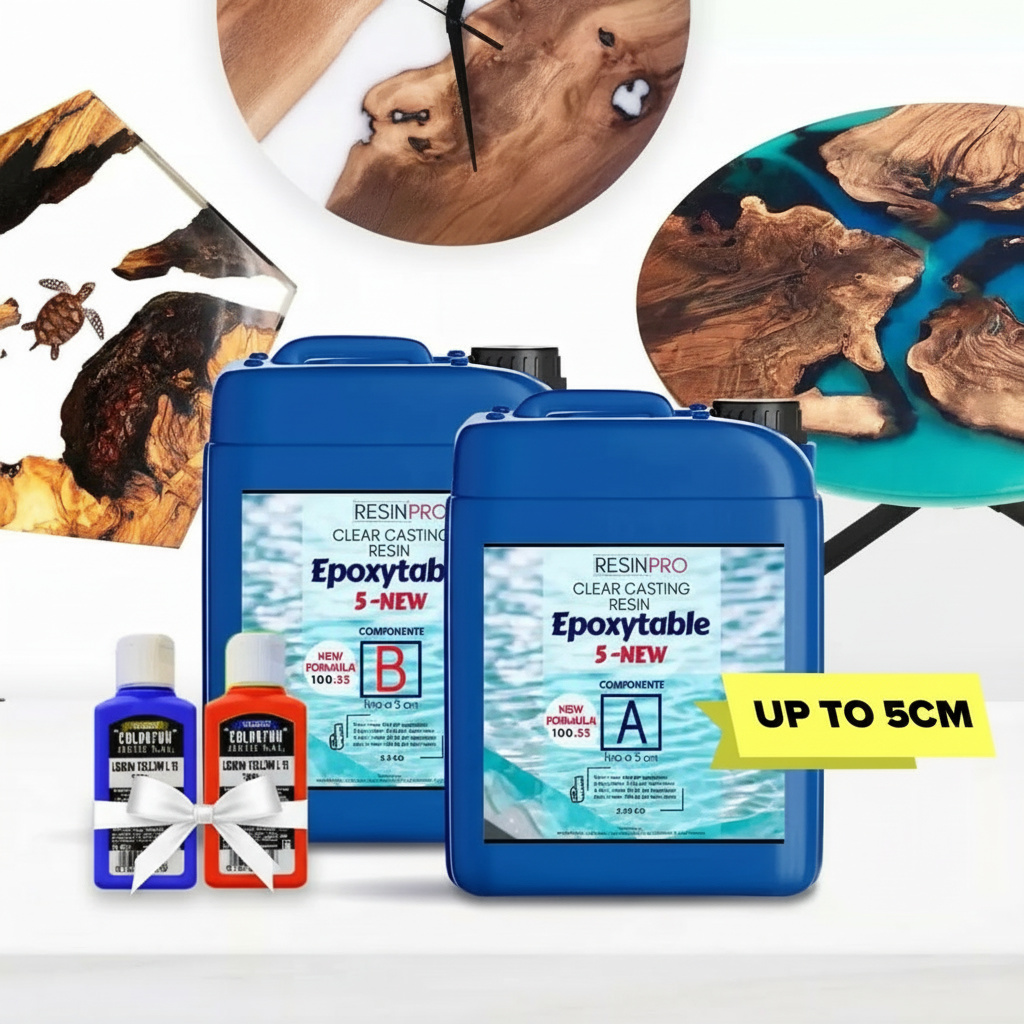
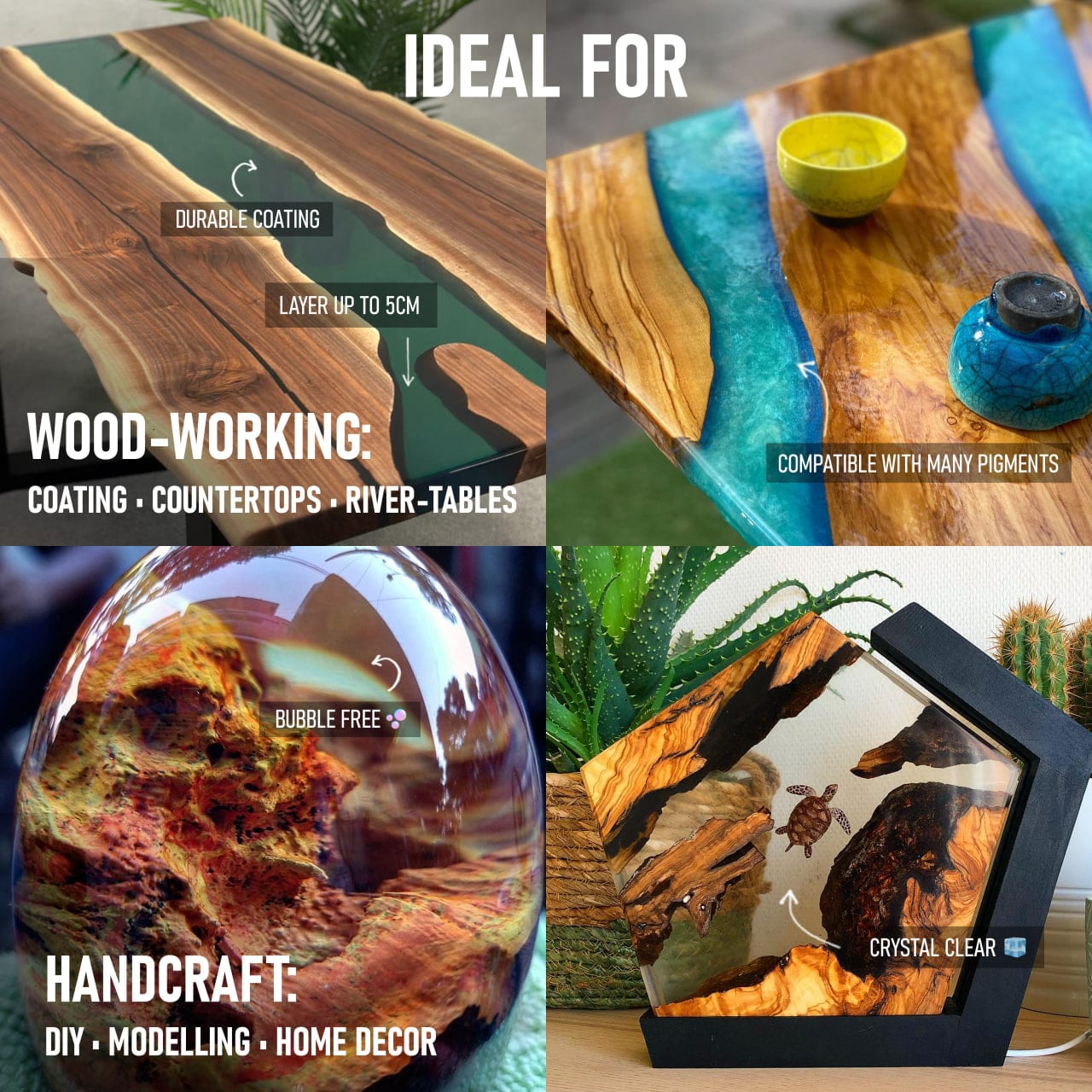
Embedding objects in clear resin is a creative way to achieve unique art pieces, jewellery, gifts, or statement furniture. This guide walks you through the essential steps to create flawless results—whether you’re encapsulating flowers, photographs, wood, stones, or any small item. With the right methods, you can achieve brilliant clarity and lasting durability in every project.
What You’ll Need
- “Trasparente” – Multipurpose Clear Epoxy Resin for Casting – Up to 2cm for small items and shallow castings
- “EpoxyTable 5-Five” – Deep Pour Epoxy Resin for Tables and Large Projects – Up to 5cm for thicker projects and river tables
- “Epoxytable 10-Ten” – Deep Pour Epoxy Resin for Tables, Up to 10cm Casting for exceptionally deep pours
- Gloves, protective wear, and mixing tools
- Measuring scales for accurate resin-hardener ratios
- Clean, dry casting moulds (silicone preferred)
- Tweezers or placement tools for objects
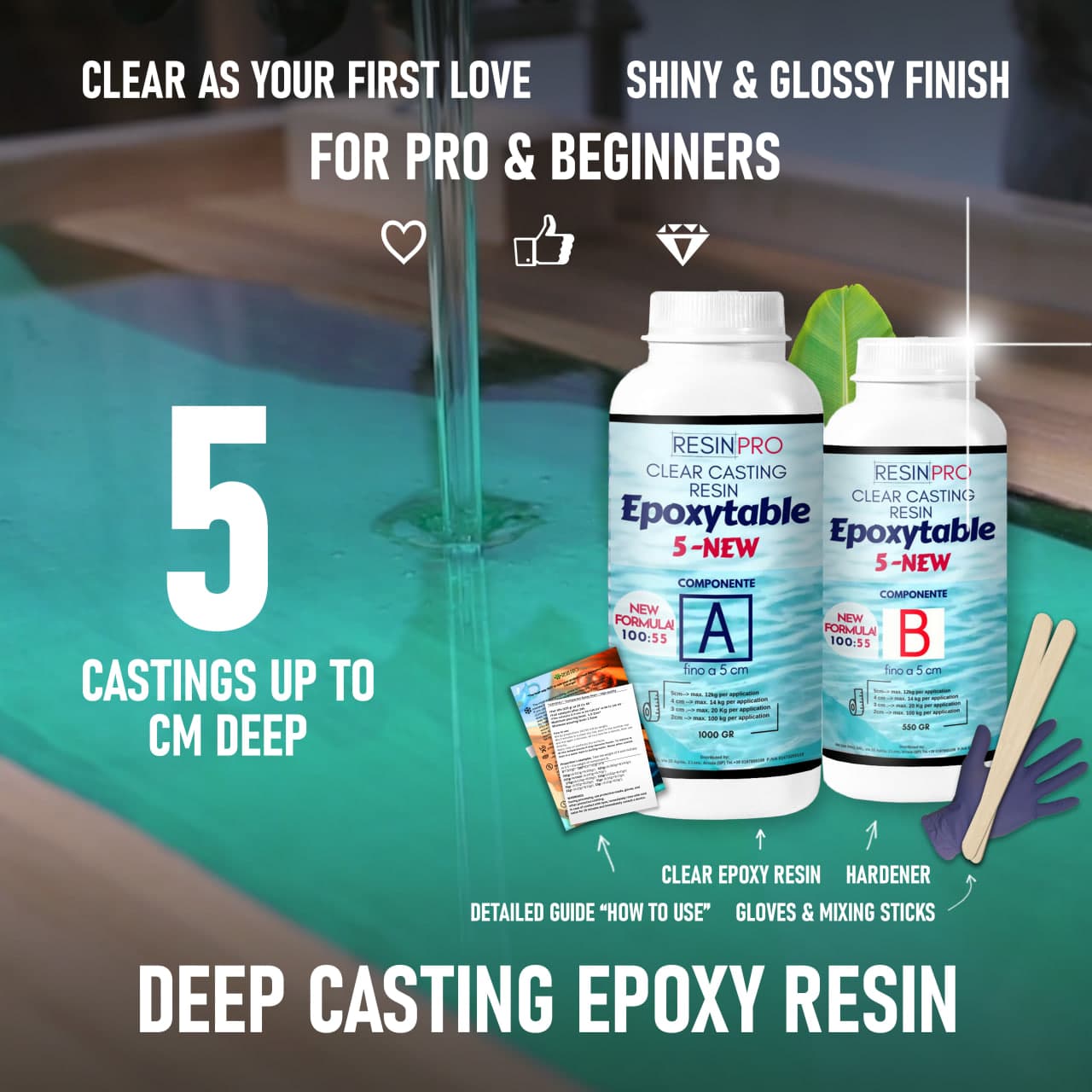
Essential Tools and Setup for Resin Embedding
Gather all your materials in advance and set up in a clean, well-ventilated area. Using quality clear resin and the right moulds will give your embedded objects the best clarity and finish. Don’t forget to wear gloves and protect your workspace before starting any casting project.
Step 1: Prepare Your Objects and Workspace
Start by selecting dry, clean objects to embed. Organic materials such as flowers or wood should be thoroughly dried to prevent cloudiness or moisture-related issues. Seal porous or delicate objects with a clear-drying sealer to avoid future discolouration or trapped air.
Create a dust-free environment for casting—this prevents airborne particles from settling in the resin surface. Lay out all your tools beforehand and cover work surfaces for easy clean-up.
Step 2: Mix and Pour Your Resin
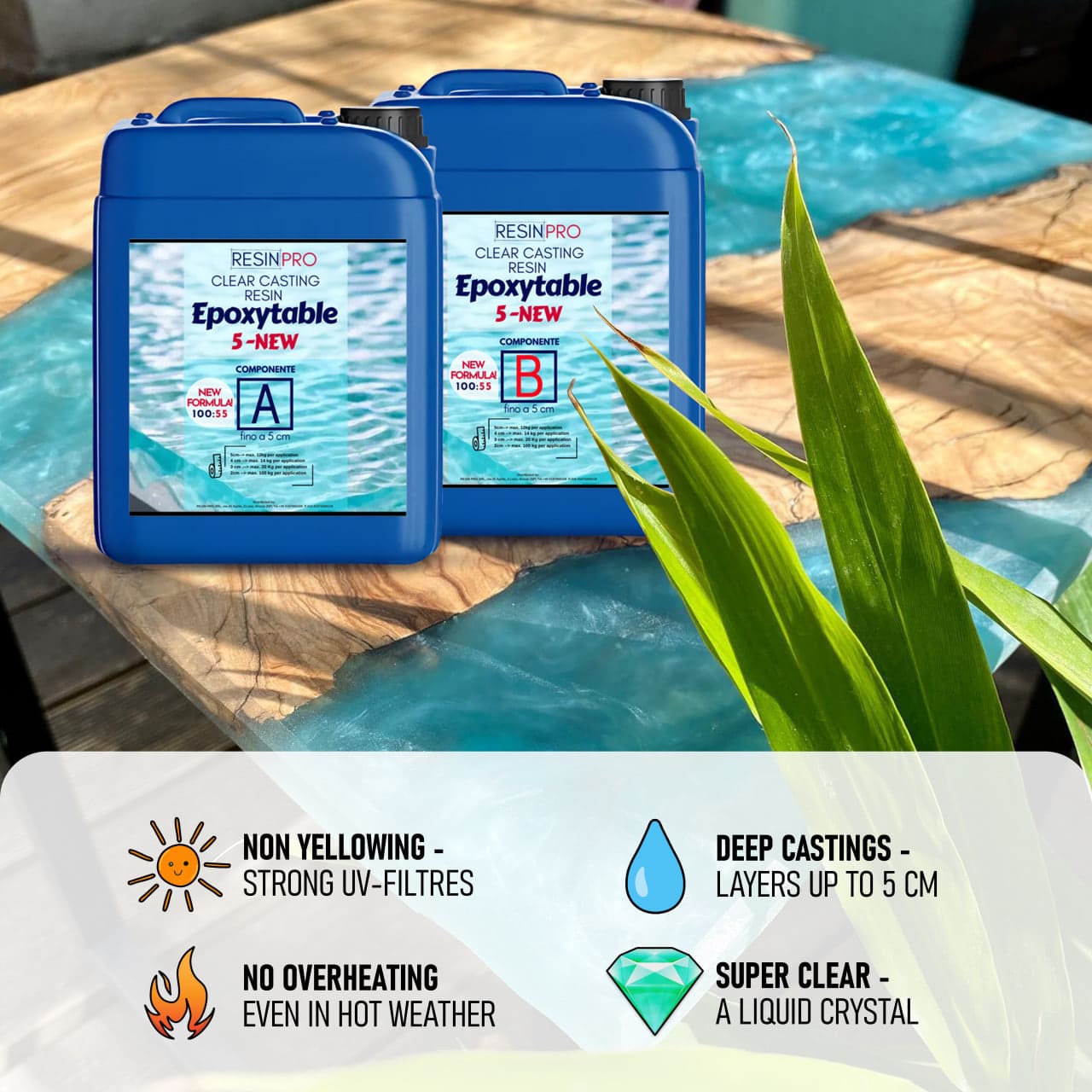
Carefully measure your resin and hardener according to the manufacturer’s instructions. The choice of resin depends on your project depth: for thin casts or jewellery, opt for a product such as “Trasparente” – Multipurpose Clear Epoxy Resin for Casting – Up to 2cm. For deeper pours, use a deep-casting resin like “EpoxyTable 5-Five” – Deep Pour Epoxy Resin for Tables and Large Projects – Up to 5cm or “Epoxytable 10-Ten” – Deep Pour Epoxy Resin for Tables, Up to 10cm Casting.
Stir gently and thoroughly, scraping the sides and bottom to avoid unmixed spots. Allow bubbles to rise for a few minutes before pouring. Pour resin slowly to avoid trapping air, and apply in layers if working with large or especially deep projects.
Step 3: Embed and Position Your Objects
Pour the initial layer of resin, then carefully place your objects using tweezers or placement tools. If objects tend to float or shift, allow the resin to cure slightly until it has a gel-like consistency, then set the items in place. For multi-layer projects, allow partial curing between pours for crisp, suspended effects.
Seal objects to prevent bubbles—particularly with wood, paper, or flowers. This step is vital for crystal-clear, distortion-free finishes.
Step 4: Finish the Pour and Curing
Complete your casting by pouring over the embedded objects, ensuring they remain covered and properly positioned. Remove surface bubbles with a heat gun or by gently exhaling over the resin, but avoid excessive heat to reduce risk of marks or yellowing. Cover your mould to protect from dust while curing.
Allow full curing before demoulding; curing times depend on the resin used and ambient conditions. Do not rush this stage to maintain clarity and prevent warping.

Tips and Troubleshooting
Work at recommended temperatures—too cold or hot can affect clarity and curing. For very thick castings, pour in layers and let each layer cool fully to avoid excessive heat buildup. If you see bubbles trapped around objects, nudge them gently to the surface early in the curing process. Always check the recommended maximum pouring depth before starting, as exceeding it leads to overheating or incomplete cures.
Avoiding Mistakes for Crystal-Clear Results
Avoid rushing between layers or demoulding early to ensure professional outcomes. Careful sealing, slow pouring, and patient curing processes are the secrets to perfectly embedded objects in clear resin.
- Free Step-by-Step Lesson "Kiwi Coasters" by Natalia NatirumOriginal price was: £99.00.£0.00Current price is: £0.00.Free video tutorial on making resin tray and coasters resembling kiwi, suitable for learning resin embedding techniques.
- "EpoxyTable 5-Five" – Deep Pour Epoxy Resin for Tables and Large Projects – Up to 5cmPrice range: £16.85 through £1,099.85"EpoxyTable 5-Five" is a deep pour resin suitable for embedding objects in thick castings for tables and large projects.
 "Trasparente" – Multipurpose Clear Epoxy Resin for Casting – Up to 2cmPrice range: £8.45 through £948.85"Trasparente" clear epoxy resin is designed for detailed castings and DIY projects with a self-levelling, glossy finish up to 2cm thickness.
 “Epoxytable 10-Ten” – Deep Pour Epoxy Resin for Tables, Up to 10cm CastingPrice range: £33.85 through £334.85“Epoxytable 10-Ten” is an epoxy resin suitable for deep casting up to 10cm, designed for embedding objects following the theme How to embed objects…
Frequently Asked Questions
What objects can I embed in clear resin?
Almost any dry item can be embedded, including flowers, wood, paper, stones, and small found objects.
How do I prevent bubbles in embedded resin projects?
Seal porous objects first and pour resin slowly. Use a heat gun or exhale gently to remove surface bubbles.
Which resin should I use for deep embedding?
Use a deep-pour resin such as "EpoxyTable 5-Five" or “Epoxytable 10-Ten” for embeds over 2cm thickness.
How long should I wait before demoulding my resin?
Wait until the resin has fully cured—typically 24 to 72 hours depending on the product and project size.
Can I layer objects in resin for suspended effects?
Yes. Pour thin layers and allow partial curing before adding new objects for a floating result.
Does embedded resin turn yellow over time?
Quality clear resins with UV protection, such as those listed, resist yellowing for many years.