 Free shipping on orders over £29,85
  Shipping Tracking!


 Google
 Facebook
How to encapsulate writing with epoxy resin?
Preserve written memories using transparent epoxy for a flawless finish


Encapsulating writing with epoxy resin is a fantastic way to preserve cherished notes, signatures, or artwork, transforming them into long-lasting keepsakes or decorative pieces. Whether you’re safeguarding handwritten letters, calligraphy, or printed paper, the right approach ensures your items remain vivid and protected within a crystal-clear, glossy finish. This guide will lead you through each step— from material preparation to flawless curing—so your encapsulated writing looks professional and endures for years to come.
What You’ll Need
- “Art Pro” – Clear Epoxy Resin for Artists and Surface Coating – ideal for glass-like, durable finishes
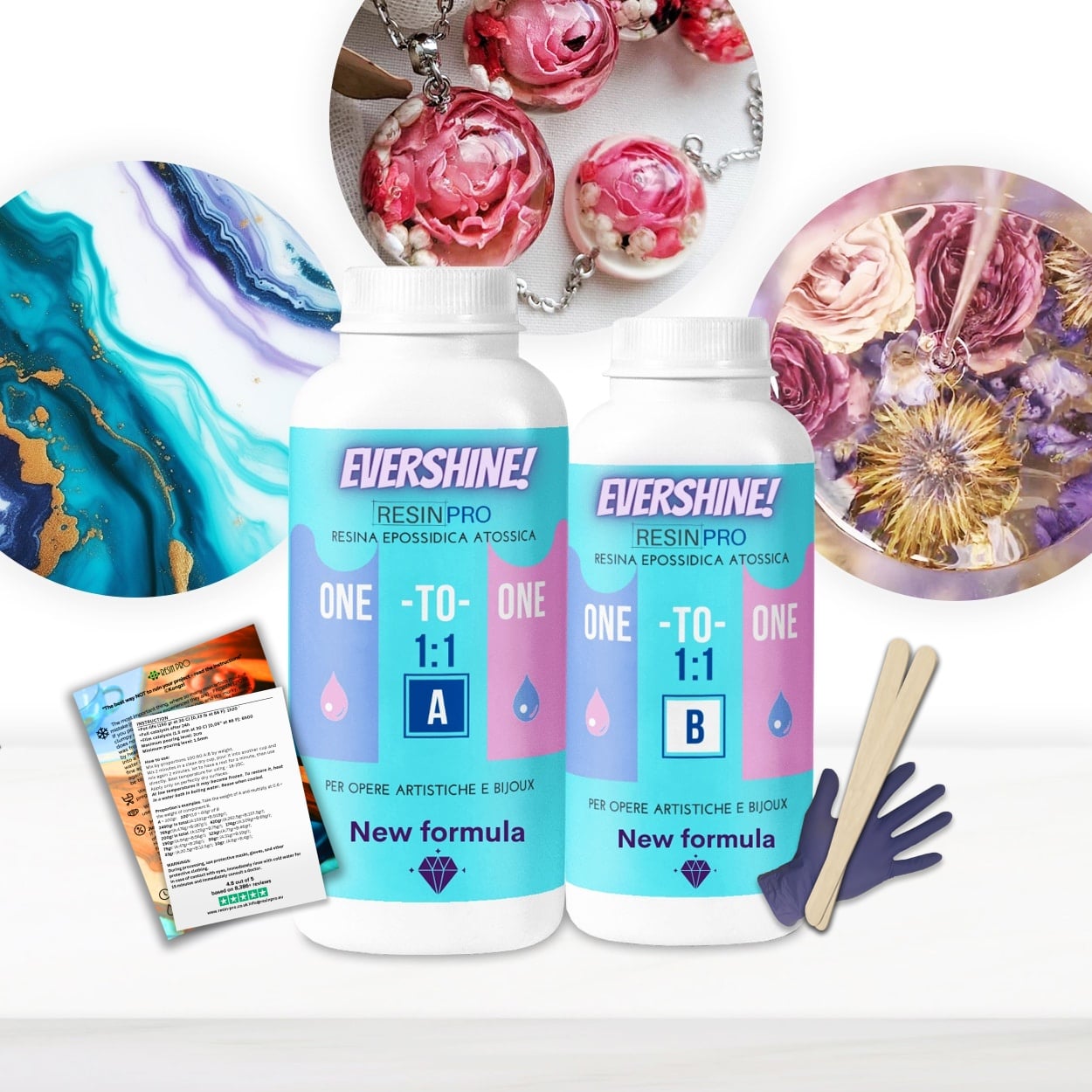
- “One-2-One” – Epoxy Resin for Handcraft, 1:1 Mixing Ratio – great for simple, small-scale encapsulation
- “Icrystal” – Clear Epoxy Resin – Odourless Formula – Up to 1.5cm – suited for projects needing extra clarity and low odour
- “Trasparente” – Multipurpose Clear Epoxy Resin for Casting – Up to 2cm – best for thicker projects or castings
- Measuring cups (for precise resin and hardener measurement)
- Mixing sticks
- Nitrile gloves and protective apron
- Silicone mould or prepared substrate for casting
- Clear-dried written or printed material, sealed if necessary
- Masking tape and scissors (for securing items)
- Plastic sheet or drop cloth (to protect your workspace)

Sealing and Preparing Your Writing
Always seal your written material well before coating with resin. This extra step avoids colour bleeding, maintains the crispness of letters, and protects fragile paper fibres from the resin’s moisture. For archival projects, use acid-free, transparent spray sealants and allow them to dry thoroughly for best results.

Step 1: Prepare and Seal Your Writing
Begin by selecting the written material you want to encapsulate. It could be anything from a handwritten note, a signature, or a printed excerpt. Ensure the writing is completely dry and sealed to prevent bleeding. For inkjet-printed or handwritten pieces, especially if water-based pens were used, seal the writing with a clear spray fixative or archival varnish. This step is crucial to preserve clarity and prevent the ink from running or blurring once resin is poured. Allow the sealant to dry fully as per the manufacturer’s instructions before continuing. Position your writing on the mould’s base, securing edges with a light tack of masking tape if needed.
Step 2: Mix the Epoxy Resin Correctly
Wearing gloves and working in a well-ventilated area, measure out the appropriate amounts of resin and hardener according to the product instructions. Mix your resin thoroughly but gently, scraping the sides and base of your mixing vessel to prevent unmixed portions. For encapsulation of writing, a clear, bubble-free result is essential—stir slowly to reduce the introduction of air bubbles. For detailed or delicate projects, “One-2-One” – Epoxy Resin for Handcraft, 1:1 Mixing Ratio is especially easy to measure by volume, making it beginner-friendly and ideal for small or intricate tasks. Allow the mixture to rest briefly, so most bubbles can rise to the surface before pouring.
Step 3: Pour the First Resin Layer
Slowly pour a thin layer of the mixed resin into your mould, just enough to cover the area where the writing will be placed. Apply resin in thin layers for best results, as this minimises heat build-up and potential warping of the written material. Let the first layer partially cure for the recommended time (usually until it is tacky but not fully set; check your chosen product’s working time), which helps create a barrier and prevents your writing from floating or moving when fully embedded later. Gently place your sealed writing onto this tacky resin layer, smoothing it out and ensuring no air is trapped underneath.

Step 4: Encapsulate and Finish the Piece
After the first layer with your writing has partially set, mix a fresh batch of resin if needed. Pour carefully over the writing until it’s fully coated or the desired thickness is achieved. Products such as “Art Pro” – Clear Epoxy Resin for Artists and Surface Coating are excellent for achieving a high-gloss, scratch-resistant finish, while “Icrystal” – Clear Epoxy Resin excels if odour is a concern. Use a toothpick to nudge out trapped air bubbles or run a heat gun lightly over the surface (at a distance) to help release them. Finally, cover the mould with a clean box or container to protect from dust as the piece cures. Allow ample curing time in a dust-free environment—most clear resins take 12 to 48 hours, depending on thickness and product used.
Tips, Common Mistakes and Troubleshooting
Avoid excessive heat or thick layers, as this can cause unwanted yellowing, trapped bubbles or distortions. Thin layers of resin allow for better clarity and easier bubble removal. Test your process on a spare piece if you are working with irreplaceable handwriting. Ensure resin and hardener are precisely measured and mixed; incorrect ratios often result in sticky or improperly cured surfaces. Finally, always check that your workspace is level—an uneven surface can cause resin to pool to one side.
Resin Layering for Maximum Clarity
Layer your resin in thin pours to keep encased writing sharp and bubble-free. Allow each layer to set before adding the next to ensure full encapsulation and reduce the risk of imperfections that might obscure details in the writing.

- "Art Pro" – Clear Epoxy Resin for Artists and Surface CoatingPrice range: £31.15 through £388.85"Art Pro" epoxy resin provides clarity and durability for artistic coatings, suited for crafting glass-like finishes on diverse decorative surfaces.
- "One-2-One" – Epoxy Resin for Handcraft, 1:1 Mixing RatioPrice range: £14.85 through £56.85One-2-One epoxy resin offers a non-toxic, crystal clear, and glossy finish with an easy 1:1 mixing ratio for handcraft projects.
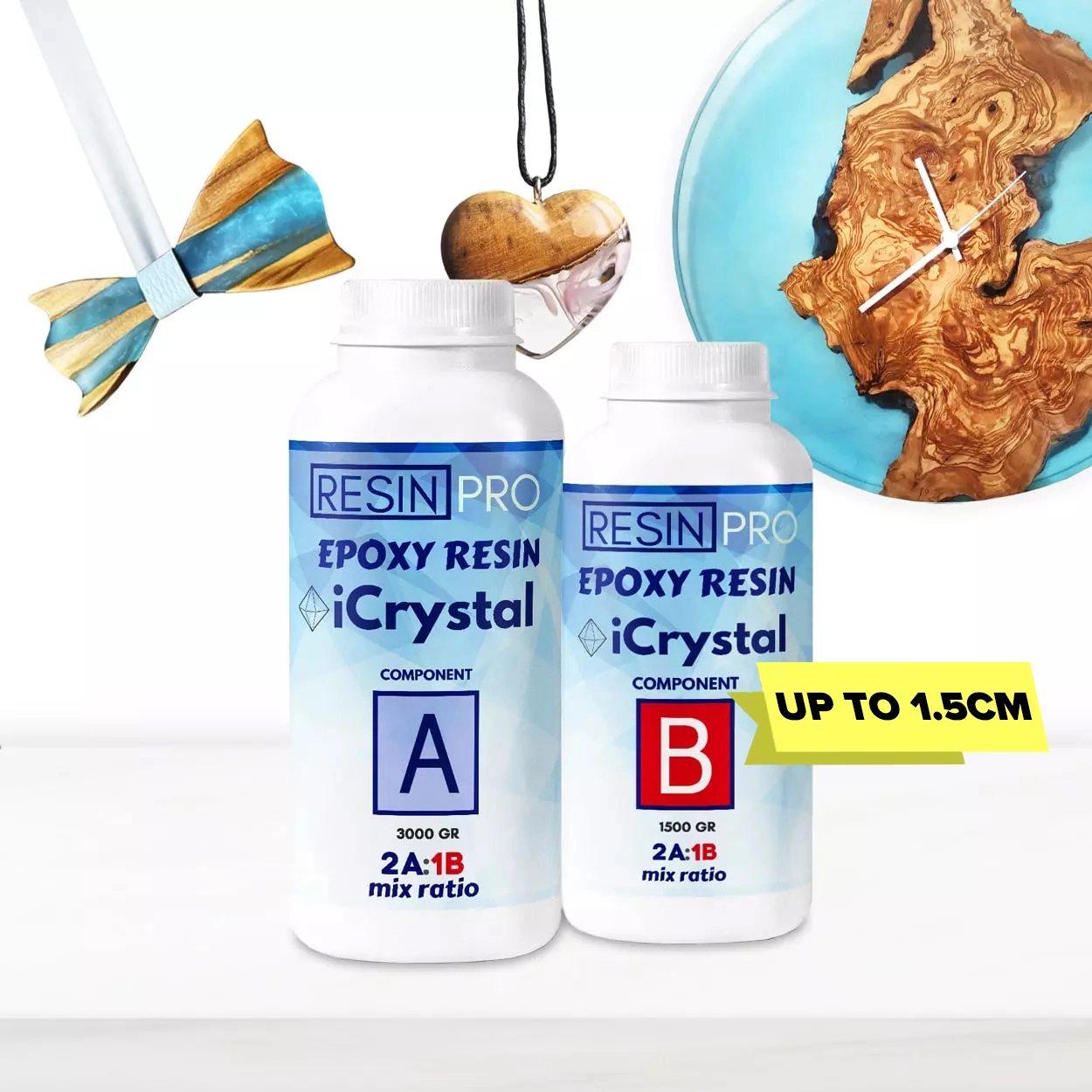 "Icrystal" – Clear Epoxy Resin – Odourless Formula – Up to 1.5cmPrice range: £11.65 through £954.85"Icrystal" is a transparent, odourless epoxy resin suited to encapsulation and creative projects involving writing, supporting the theme.
 "Trasparente" – Multipurpose Clear Epoxy Resin for Casting – Up to 2cmPrice range: £8.45 through £948.85Clear epoxy resin designed for casting layers up to 2cm with a glossy, self-levelling finish suitable for detailed and creative projects.
Frequently Asked Questions
Can any writing be encapsulated with epoxy resin?
Almost any handwritten or printed text can be encapsulated as long as it is fully dry and sealed with a suitable fixative to prevent ink bleed.
Why does my writing bleed under resin?
Writing typically bleeds if it was not properly sealed beforehand. Use a clear fixative spray to lock in the ink before pouring resin.
How can I prevent dust from settling on my resin while curing?
Cover your piece with a clean box or plastic container immediately after pouring to keep dust away during the curing process.
How long should I let the epoxy cure over writing?
Cure times vary by resin, but typically 12–48 hours. Always check your product instructions and do not disturb until fully set.
What should I do if bubbles form in my resin over writing?
Remove bubbles by passing a heat gun quickly over the resin from a safe distance, or use a toothpick for precise removal.
Can you use epoxy resin on printed photos or cards?
Yes, but seal the printed surface first and test on a sample as photo prints can sometimes react differently to resin.