 Free shipping on orders over £29,85
  Shipping Tracking!


 Google
 Facebook
← Back to How to repair corrugated resin sheets?

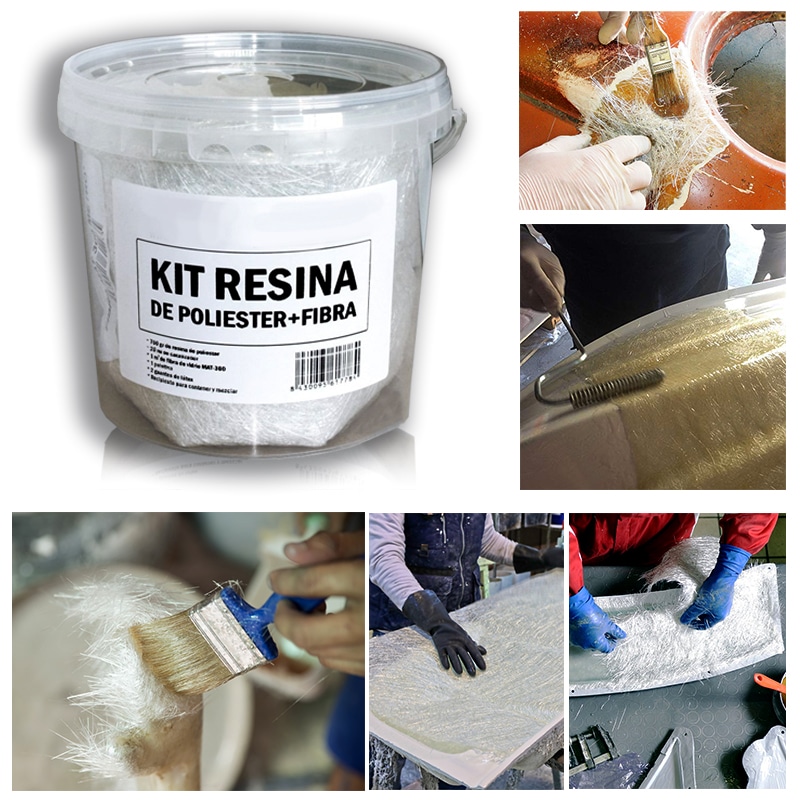
Creating a long-lasting repair on corrugated resin sheets is all about careful preparation and observing best practices throughout the process. With the right materials and technique, you can achieve a durable, unobtrusive result.
Essential Preparation and Application
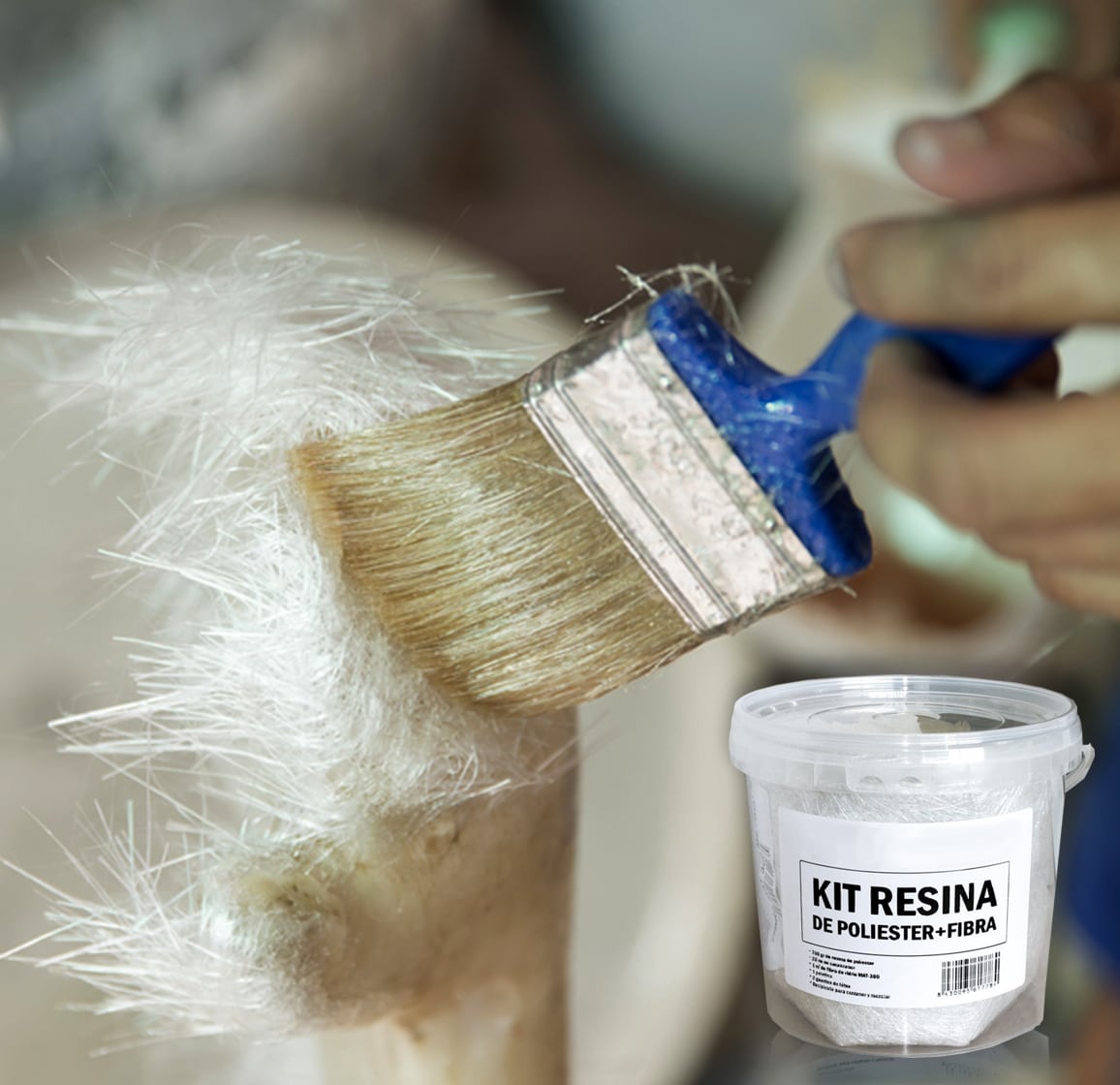
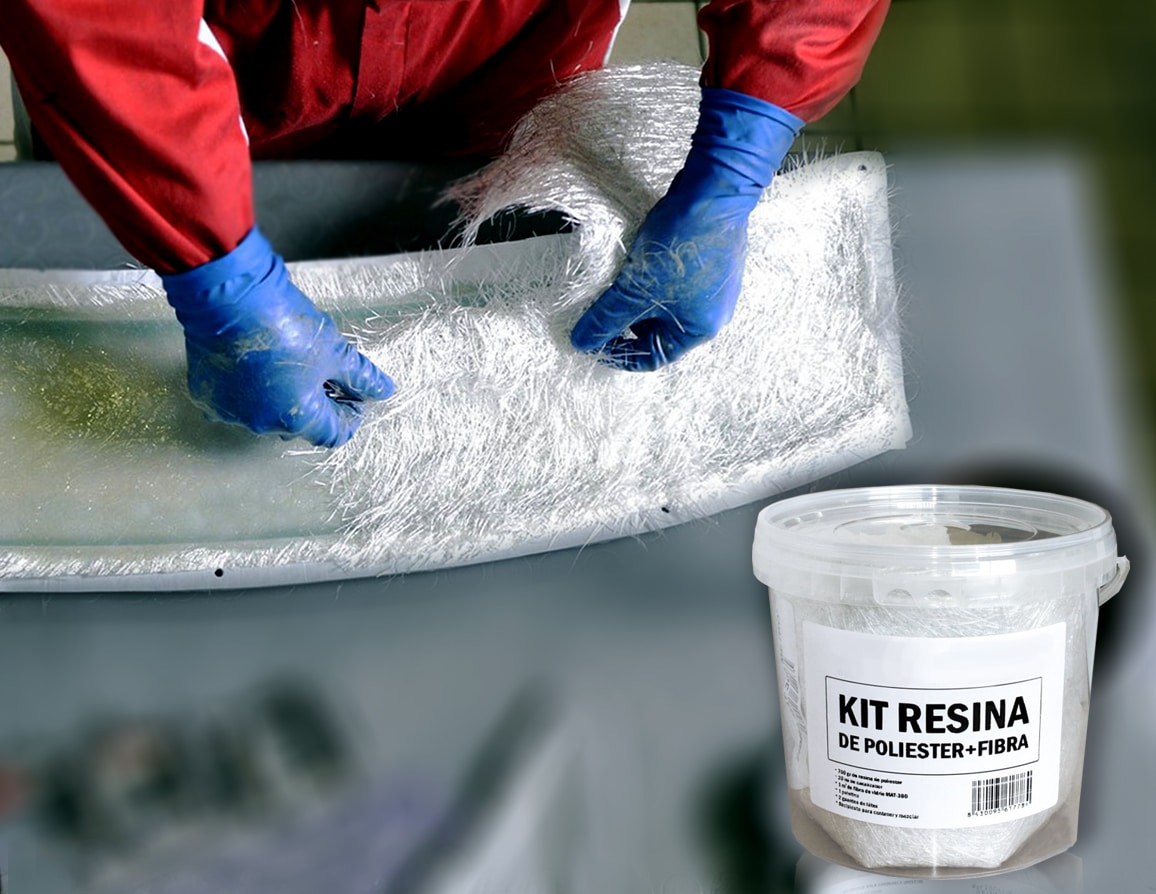
Start by cleaning the area thoroughly to remove dust, grease, or weathering. Abrade the surface gently to allow the repair material to adhere properly. Precise mixing of your chosen repair product—such as the Resin Fibreglass Repair Kit—is crucial; follow the recommended ratios provided. Uniform application will ensure even bond strength across the patch.
Getting the Cure Right
Allow the repair to cure fully at the recommended temperature and time. Avoid disturbing the area during curing, as movement or moisture can weaken the bond. Patience at this stage prevents premature failures and provides the full strength the material offers. Only move to the next step when the patch feels completely set.
Final Touches for Longevity
Once cured, finishing is key. For a neat, weather-resistant surface, sand the patch lightly and—if using putty or resin—prime and paint as needed. Smooth finishing not only strengthens the repair but also enhances the visual appearance and protects against further deterioration.
When This Matters Most
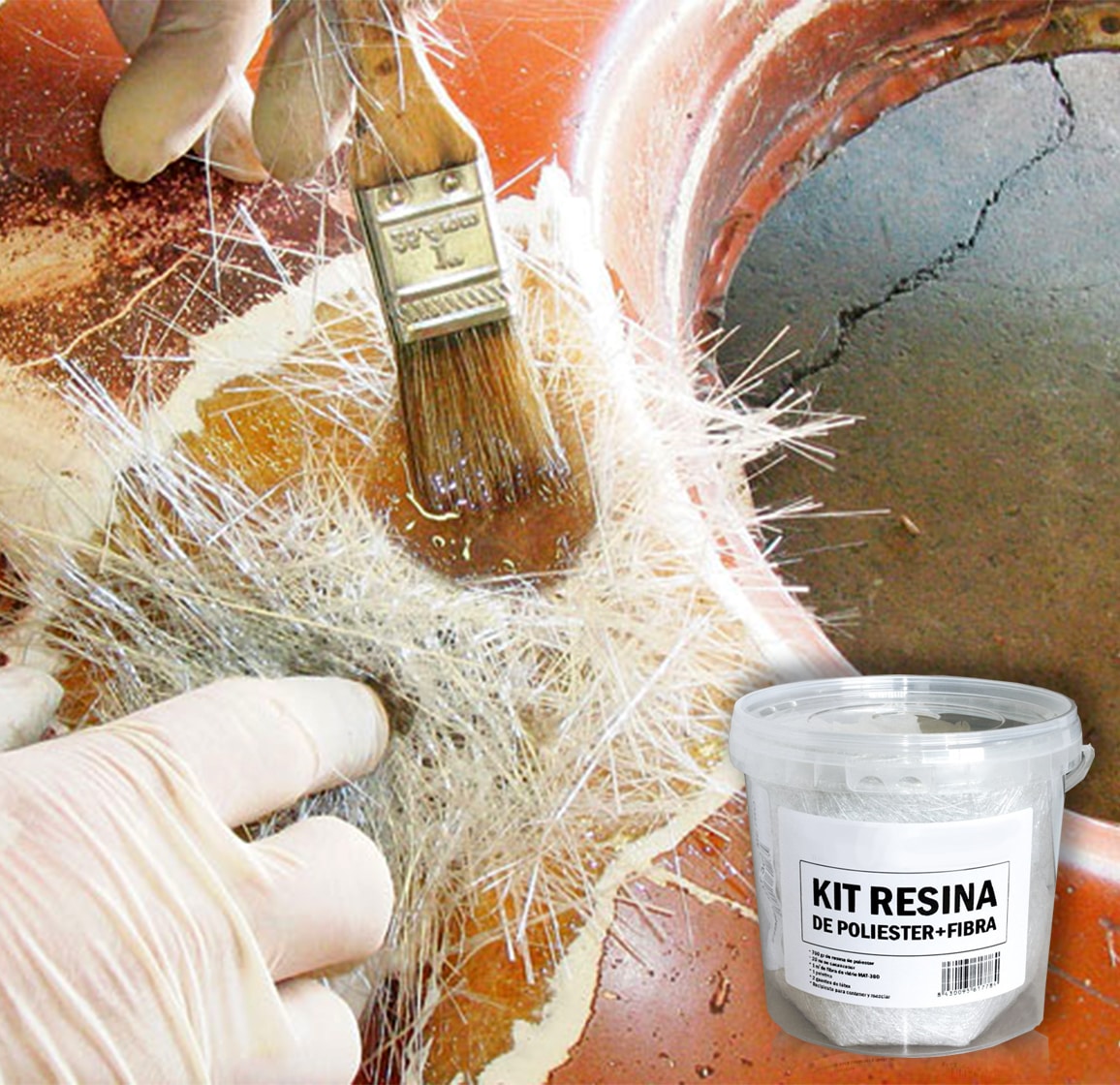
Taking these extra steps is vital if the sheet is exposed to the elements or supports structural loads. Neglecting preparation or rushing curing can lead to repeat failures or more costly repairs down the line.
Related products
Related guides
Whether patching a leaky roof panel or restoring a weathered greenhouse, paying attention to each repair step ensures your corrugated resin sheets remain resilient. For further guidance and product options, explore our main repair guide.