 Free shipping on orders over £29,85
  Shipping Tracking!


 Google
 Facebook
How to fix the resin?
Step-by-step repair strategies for damaged or imperfect resin surfaces


Has your resin project ended up with bubbles, scratches, cracks, or a dull finish? This practical guide explains essential steps to fix imperfect or damaged resin, restore high-gloss clarity, and achieve long-lasting results. Whether you’re patching casting errors or rejuvenating a worktop, the following solutions will help you achieve a beautiful, durable surface.
What You’ll Need
- “FixExpress” – Two-Component Epoxy Glue 500g: Rapid epoxy adhesive for mending cracks or breaks.
- “Trasparente” – Multipurpose Clear Epoxy Resin for Casting – Up to 2cm: Clear resin for patching chips or re-coating thin layers.
- “Art Pro” – Clear Epoxy Resin for Artists and Surface Coating: Medium viscosity resin for artistic surface repairs or touch-ups.
- “Epoxy Polish” – Epoxy Resin Polishing System: Polishing system to remove scratches and restore gloss.
- Sanding pads (various grits), mixing tools, masking tape, gloves, and a microfibre cloth.

Essential Tools for Resin Repair
Choose your repair materials and tools with care. A suitable epoxy resin, rapid epoxy glue, quality sanding pads, and a polishing system make all the difference for professional results. Assemble your items before starting to streamline the process and reduce the risk of mishaps.

Step 1: Assess the Damage and Prepare the Area
Begin by carefully inspecting the resin surface for the type of problem—scratches, bubbles, incomplete curing, chips, or cracks. Lightly clean the area with a damp, lint-free cloth to remove dust and debris. Work in a dust-free, well-ventilated area to minimise contamination and achieve the best repair results. Mask off any parts you want to keep free of repair resin or polish.
Step 2: Correct Scratches, Dull Patches, or Minor Blemishes
If the issue is surface-level—such as fine scratches, swirl marks, or loss of gloss—start by gently sanding the affected area with a high-grit sanding pad (e.g., 1000–2000 grit), using water as a lubricant to prevent heat build-up. Sand evenly, keeping the pad flat and wiping away residue as you go.
Once sanding marks are uniform, use “Epoxy Polish” – Epoxy Resin Polishing System with a microfibre cloth or felt pad to restore the surface brilliance. Work in small circles, applying light, even pressure until the finish regains its clarity. Remove any residue with a clean cloth.
Step 3: Fill Gaps, Chips, or Deep Cracks in the Resin
For larger flaws, such as holes, chips, or separation lines, carefully widen and clean the affected area so new resin or glue can bond properly. If the repair requires a quick, ultra-strong bond—such as a snapped object or a significant crack—mix “FixExpress” – Two-Component Epoxy Glue 500g at a 1:1 ratio, applying it precisely into the damaged area. Allow to cure fully according to instructions.
For chips or missing sections on flat surfaces, prepare and pour a thin layer of “Trasparente” – Multipurpose Clear Epoxy Resin for Casting – Up to 2cm, applying in thin coats if possible to avoid overheating or shrinkage. For artistic or decorative repairs where a durable, scratch-resistant finish is required, consider “Art Pro” – Clear Epoxy Resin for Artists and Surface Coating for easy, even self-levelling coverage.
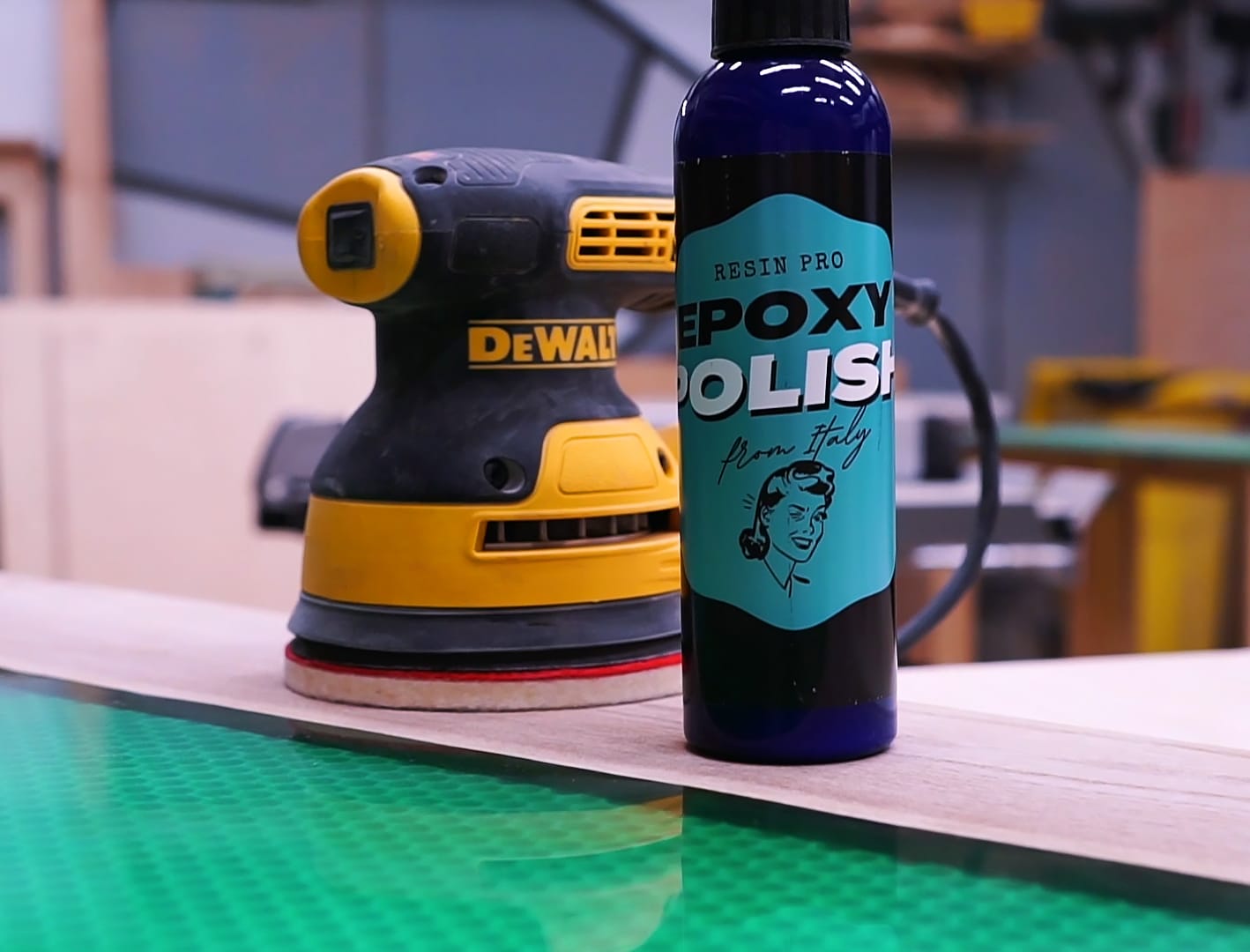
Step 4: Sand, Polish, and Finish for a Seamless Result
Once the repair resin or glue is fully cured—this can range from 5 minutes with fast adhesive to 24 hours for larger pours—sand the repaired area with progressively finer grit pads. Finish with “Epoxy Polish” – Epoxy Resin Polishing System, following the grain or shape of your project. This step removes micro-imperfections and blends the old and new resin together for a uniform finish. Take care not to sand or polish too aggressively, especially at project edges.

Tips, Mistakes to Avoid, and Troubleshooting
- Follow correct mixing ratios for all resins and adhesives. Even small errors can cause curing or clarity issues.
- Allow full curing before sanding or polishing; rushing can result in surface smears or dullness.
- Warm, humid conditions can cause yellowing or inhibit curing. Work in stable environments.
- Bubbles can be minimised by pouring in thin layers and using a heat gun or torch, but never overheat.
- Pigmented or decorated repairs? Always test repairs on a small area first to ensure compatibility.
Common Problems and Proven Solutions
From small scratches to major repairs, patience and attention to detail are key. Always address underlying surface issues before applying new resin or polish, and don’t hesitate to use a dedicated epoxy resin polishing kit for a perfect, glass-like finish.

- "Epoxy Polish" – Epoxy Resin Polishing SystemPrice range: £18.95 through £47.45Epoxy Polish offers a straightforward polishing system for resin projects, delivering a clear, glossy finish suitable for various crafts.
- "FixExpress" – Two-Component Epoxy Glue 500g£26.95"FixExpress" offers rapid repairs with strong adhesion for various materials, suited to the 'How to fix the resin?' theme.
 "Trasparente" – Multipurpose Clear Epoxy Resin for Casting – Up to 2cmPrice range: £8.95 through £397.95The "Trasparente" epoxy resin offers an ultra-clear, self-levelling finish up to 2 cm thickness, suitable for various DIY and professional projects.
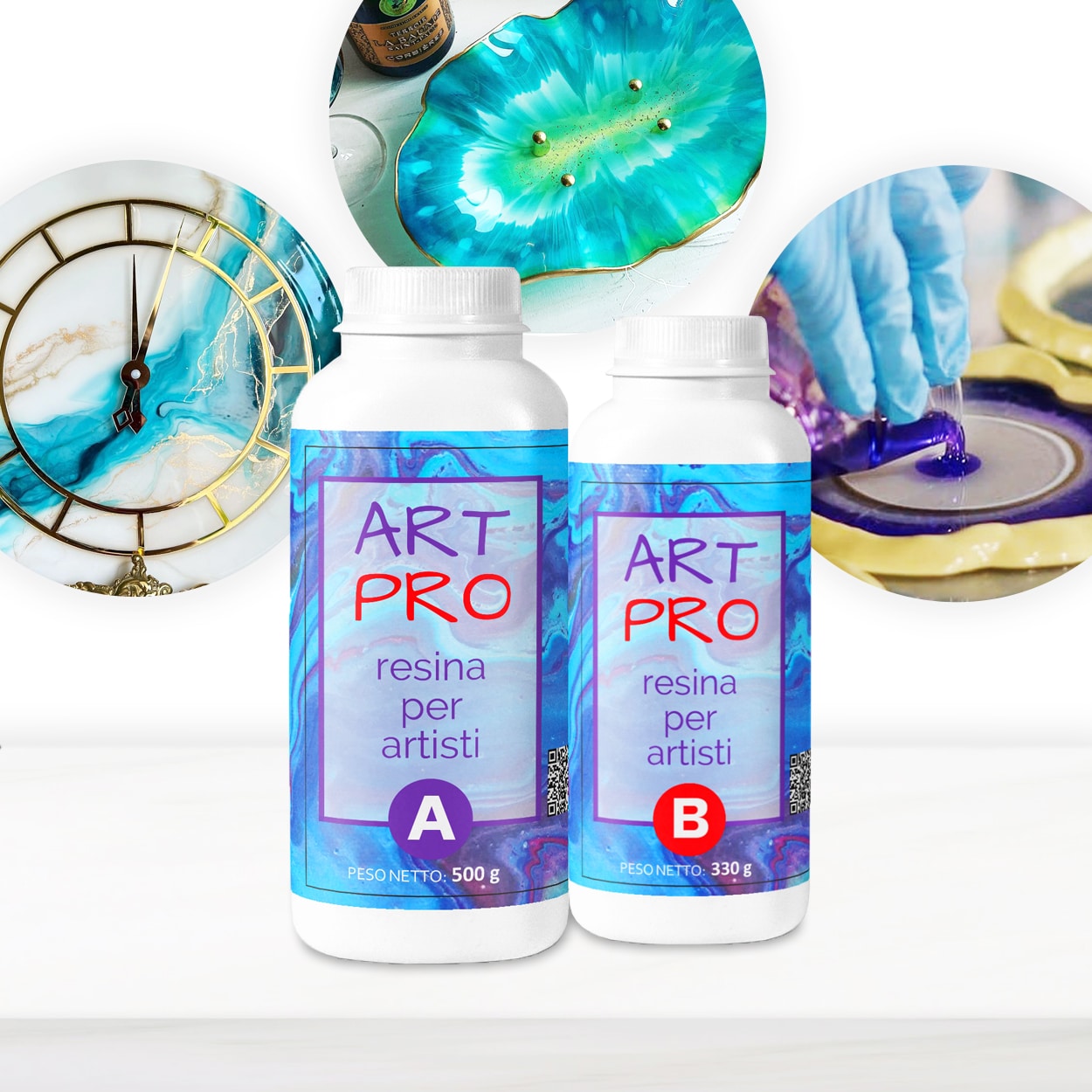 "Art Pro" – Clear Epoxy Resin for Artists and Surface CoatingPrice range: £19.95 through £267.95"Art Pro" clear epoxy resin offers clarity and durability for artists and crafters seeking a non-toxic, precise coating solution.
Frequently Asked Questions
Can I use epoxy glue for repairing broken resin items?
Yes, two-component epoxy glue is ideal for bonding broken resin, offering fast and durable adhesion.
How long should I wait before sanding or polishing new resin repairs?
Allow the resin to cure fully—5 minutes to 24 hours depending on the product—before sanding or polishing.
How do I restore a dull or cloudy resin surface?
Sand the area with fine grit wet pads and follow with an epoxy resin polishing system to return gloss and clarity.
Can I fix surface imperfections by adding a fresh layer of resin?
Yes, pour a new layer over cured resin after cleaning and light sanding to allow strong adhesion.
What factors cause yellowing or overheating during resin repair?
Pouring too thick, high ambient temperatures, or improper mixing can cause yellowing or overheating.
How can I avoid visible repair lines when fixing resin surfaces?
Carefully feather repairs, sand transitions, and use polish to blend old and new resin smoothly.